The future of building great products lies in breaking down the boundaries between business and technical thinking.
From Open Source Software to Open Source Strategy
How the Smartest Executives Are Using Open Source Techniques to Optimize Corporate Strategy

Why open source: 25 reasons to embrace it | Ben Balter
Open source isn't a fad. Here are twenty-five economic, moral, and personal reasons your organization should embrace it.
Dirk Riehle's Industry and Research Publications
Best of open source, inner source, and product strategy
The Future of American Industry Depends on Open Source Tech
Instead of launching into a costly trade war with China, we need to fully embrace the fastest, safest, and most democratic way of advancing technology.
Reframing “Open Source AI” with Meredith Whittaker: AI Impact Summit 2026
An in-depth guide to turning a product into an open source project
Expert Stephen Walli takes a deep dive into the value of creating an open source project and how to turn a product into a project.
Setting an Open Source Strategy
The majority of companies that use open source understand its business value and identify its advantages in efficiency, flexibility, interoperability, and speed of innovation. Yet only half of these companies report practicing basic open source management, such as community development, code maintenance, and the like, according to the latest Future of Open Source survey.
What Is Open Source Strategy? — Open Tech Strategies | Blog
There is a lot of documentation out there on how to do open source well at the project level. Historically, many projects have been started by developers, often on their own initiative, and the first non-technical questions they faced tended to be about project coordination (like "What collaboration tools shall we use?" or "What will our code review practices be?") and about community management (like "How do we decide who has commit access?" and "How do we integrate newcomers smoothly?"). Because developers hate to solve the same problems over and over, there is a wealth of detailed and varied material addressing those sorts of questions (we've even written some ourselves, but it's just a drop in the bucket of what's available). Taken together, this literature thoroughly answers the question "How do we execute the best tactics for developing open source software?"
Roadmap: Open Source
After years of investing in open source software, we’re releasing our thinking on what positions these companies as emerging technology giants.
Ecosystem Mapping — Open Tech Strategies | Blog
All the power of open source comes from throwing in with your neighbors, even the neighbors you don't like very much. For most projects, the main reason to get involved in open source is to create productive relations with as many participants as possible, including rivals. Doing this well requires understanding who is in your ecosystem and how they relate to each other.
34 Top Open Source Software Companies
Exploring open source companies for 2024? Discover the leading firms championing open-source solutions.
The emerging economic paradigm of Open Source
The following commentary is part of First Monday's Special Issue #2: Open Source. Open Source developers have, perhaps without conscious intent, created a new and surprisingly successful economic paradigm for the production of software. Examining that paradigm can answer a number of important questions. It's not immediately obvious how Open Source [1] works economically. Probably the worst consequence of this lack of understanding is that many people don't understand how Open Source could be economically sustainable, and some may even feel that its potential negative effect upon the proprietary software industry is an overall economic detriment. Fortunately, if you look more deeply into the economic function of software in general, it's easy to establish that Open Source is both sustainable and of tremendous benefit to the overall economy. Open Source can be explained entirely within the context of conventional open-market economics. Indeed, it turns out that it has much stronger ties to the phenomenon of capitalism than you may have appreciated.

How open-source software took over the world | TechCrunch
It was just five years ago that there was an ample dose of skepticism from investors about the viability of open source as a business model. Fast-forward to today and we’ve witnessed the growing excitement in the space.
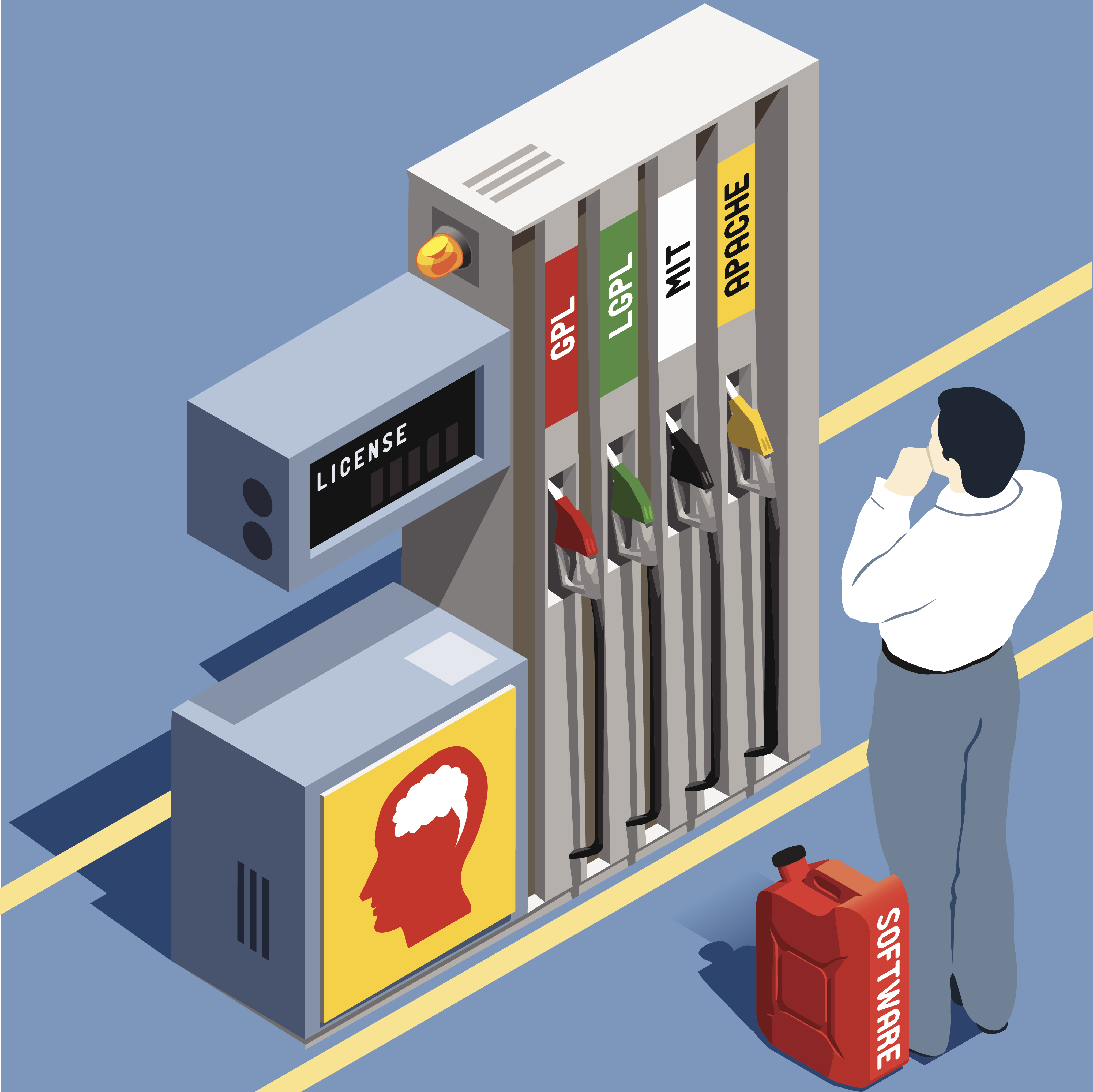
Open source is 20: How it changed programming and business forever
"The reward of victory is often another set of battles."
Open Source is Not Enough
by James Halliday // The open source movement has fundamentally changed how software gets written. But in the process, corporations have been given a vast gift of free labor.