

OP will establish a mechanism for readers to easily distinguish third-party certified media and content by making content originators identifiable.
C2PA | Providing Origins of Media Content
Enhance digital safety through the use of content authenticity tools. C2PA provides a way to ensure content transparency by analyzing the origin of media.
IIW – Internet Identity Workshop
The Internet Identity Workshop — where the identity community meets to discuss and advance digital identity.
Ecosystem or Echo-System? Exploring Content Sharing across Alternative Media Domains
Kate Starbird,Ahmer Arif,Tom Wilson,Katherine Van Koevering,Katya Yefimova,Daniel Scarnecchia
Content Credentials
Introducing the new standard for content authentication. Content Credentials provide deeper transparency into how content was created or edited.
The politics of ‘platforms’
Online content providers such as YouTube are carefully positioning themselves to users, clients, advertisers and policymakers, making strategic claims for what they do and do not do, and how their place in the information landscape should be understood. One term in particular, ‘platform’, reveals the contours of this discursive work. The term has been deployed in both their populist appeals and their marketing pitches, sometimes as technical ‘platforms’, sometimes as ‘platforms’ from which to speak, sometimes as ‘platforms’ of opportunity. Whatever tensions exist in serving all of these constituencies are carefully elided. The term also fits their efforts to shape information policy, where they seek protection for facilitating user expression, yet also seek limited liability for what those users say. As these providers become the curators of public discourse, we must examine the roles they aim to play, and the terms by which they hope to be judged.
Social Media Is Now Parasocial Media
When practitioners used the term “social media” to describe the internet tools that emerged in the mid-aughts, they were giving a name to the kinds of platforms and protocols that allowed people to socialize with friends and communities of interest by using digital technologies. Twenty years later, users of social media are far more likely to scroll than post – and the content that they consume is often strategically produced and algorithmically curated. In this essay, I argue that the very essence of social media has changed. To more effectively interrogate what we are witnessing, we need to stop presuming that these tools are “social media” and begin recognizing that they are now “parasocial media.” Doing so raises new questions about digitally mediated sociality, not to mention the politics and governance of these platforms.

Constructing and enforcing "authentic" identity online: Facebook, real names, and non-normative identities
Despite the participatory and democratic promises of Web 2.0, many marginalized individuals with fluid or non-normative identities continue to struggle to represent themselves online. Facebook users, in particular, are told to use “authentic identities,” an idea reinforced throughout the site’s documentation, “real name” and other policies, and in public statements by company representatives. Facebook’s conception of authenticity and real names, however, has created problems for certain users, as demonstrated by the systematic deactivation of many accounts belonging to transgender and gender variant users, drag queens, Native Americans, abuse survivors, and others. In view of the struggles of marginalized users, Facebook policy appears paradoxical: the site simultaneously demands authenticity yet proscribes certain people from authentic self-presentation. In this work, we examine Facebook’s construction of “authenticity” and show how it excludes multifaceted, fluid, or non-normative identities. Using content analysis and close reading, we analyze site documentation and data from The Zuckerberg Files (an online archive of Facebook founder and CEO Mark Zuckerberg’s public remarks) to understand the platform’s mechanisms for enforcing authenticity. We find that Facebook positions itself as a type of administrative identity registrar, raising vital questions regarding the ethics and consequences of identity enforcement online today.
Name Checker - Social Media Username Checker
Check the availability of your desired Brand Name through our social media username checker (name checker). Claim your online identity across Social Media!
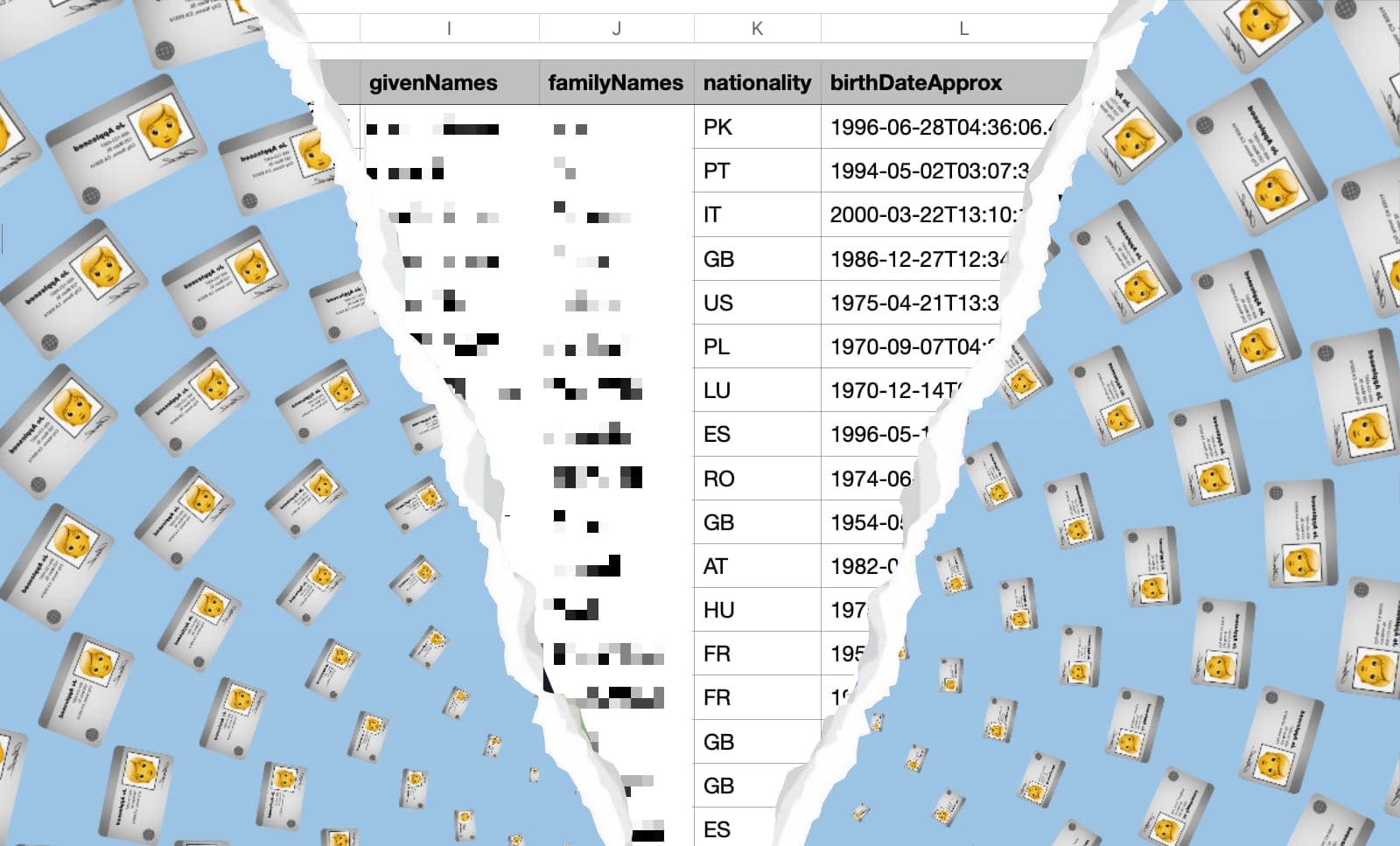
Public by Design: How W Social Makes Their Verified Users’ Personal Details Visible on the Open Web
A blog post explaining how the social network W Social is publishing as a record on the open social web the full names, nationalities and approximate birthdays of their verified users - who may be unaware this information is available for all to see, outside of the social network.
occurs to me that I haven't seen a single standard.site reader that displays account-level labels of the pubs owner... there's no technical blocker to doing so, right?


