


There is no hierarchy in the web of life
The anatomy of a nanopublication
As the amount of scholarly communication increases, it is increasingly difficult for specific core scientific statements to be found, connected and curated. Additionally, the redundancy of these statements in multiple fora makes it difficult to determine attribution, quality and provenance. To tackle these challenges, the Concept Web Alliance has promoted the notion of nanopublications (core scientific statements with associated context). In this document, we present a model of nanopublications along with a Named Graph/RDF serialization of the model. Importantly, the serialization is defined completely using already existing community-developed technologies. Finally, we discuss the importance of aggregating nanopublications and the role that the Concept Wiki plays in facilitating it.

Whole Earth Catalog, Fall 1968
Here lies a nearly-complete archive of Whole Earth publications, a series of journals and magazines descended from the Whole Earth Catalog, published by Stewart Brand and the POINT Foundation between 1968 and 2002.

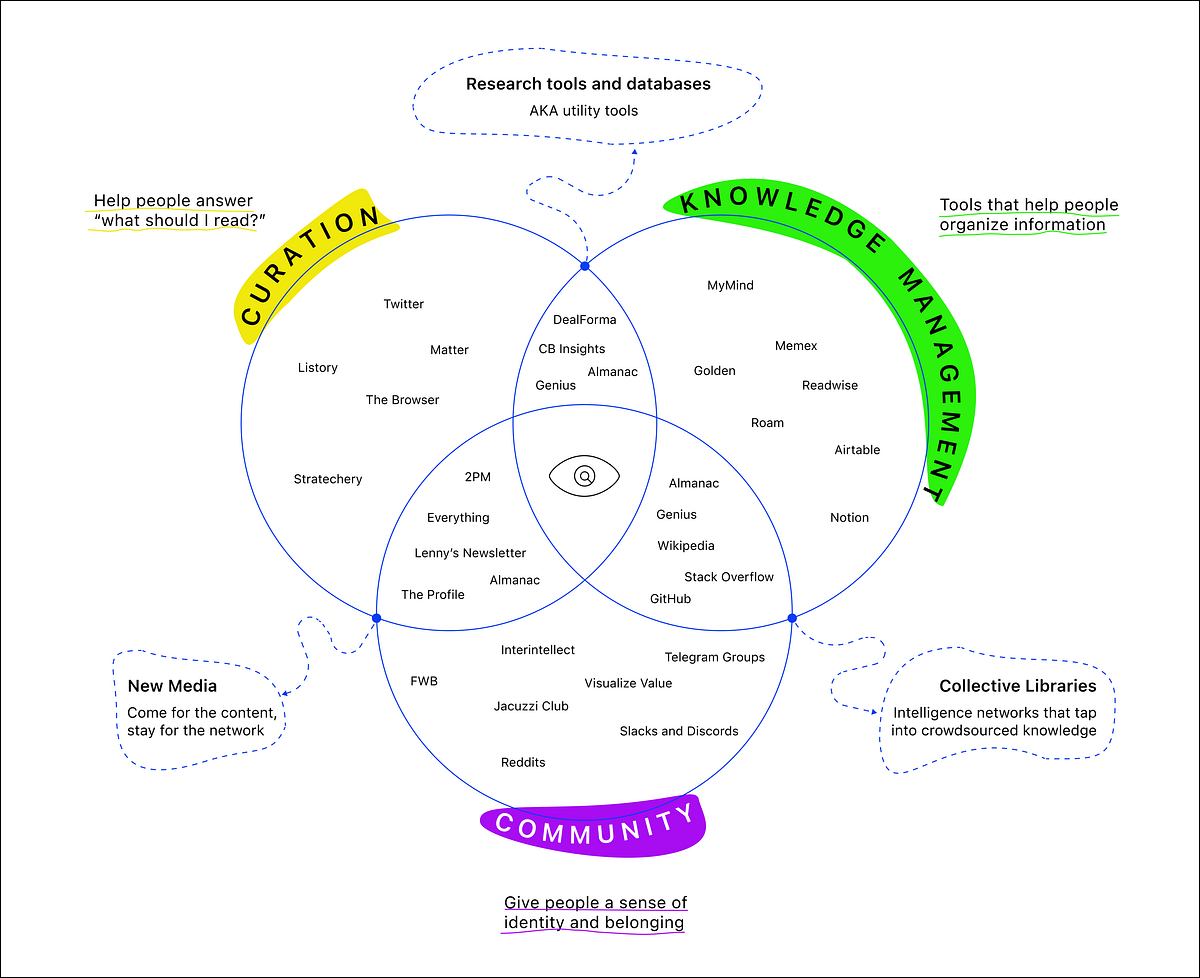
The rise of community-curated knowledge networks
The Internet put thousands of years of human thought at our fingertips, and enabled billions of people to create content. At least 2.5…

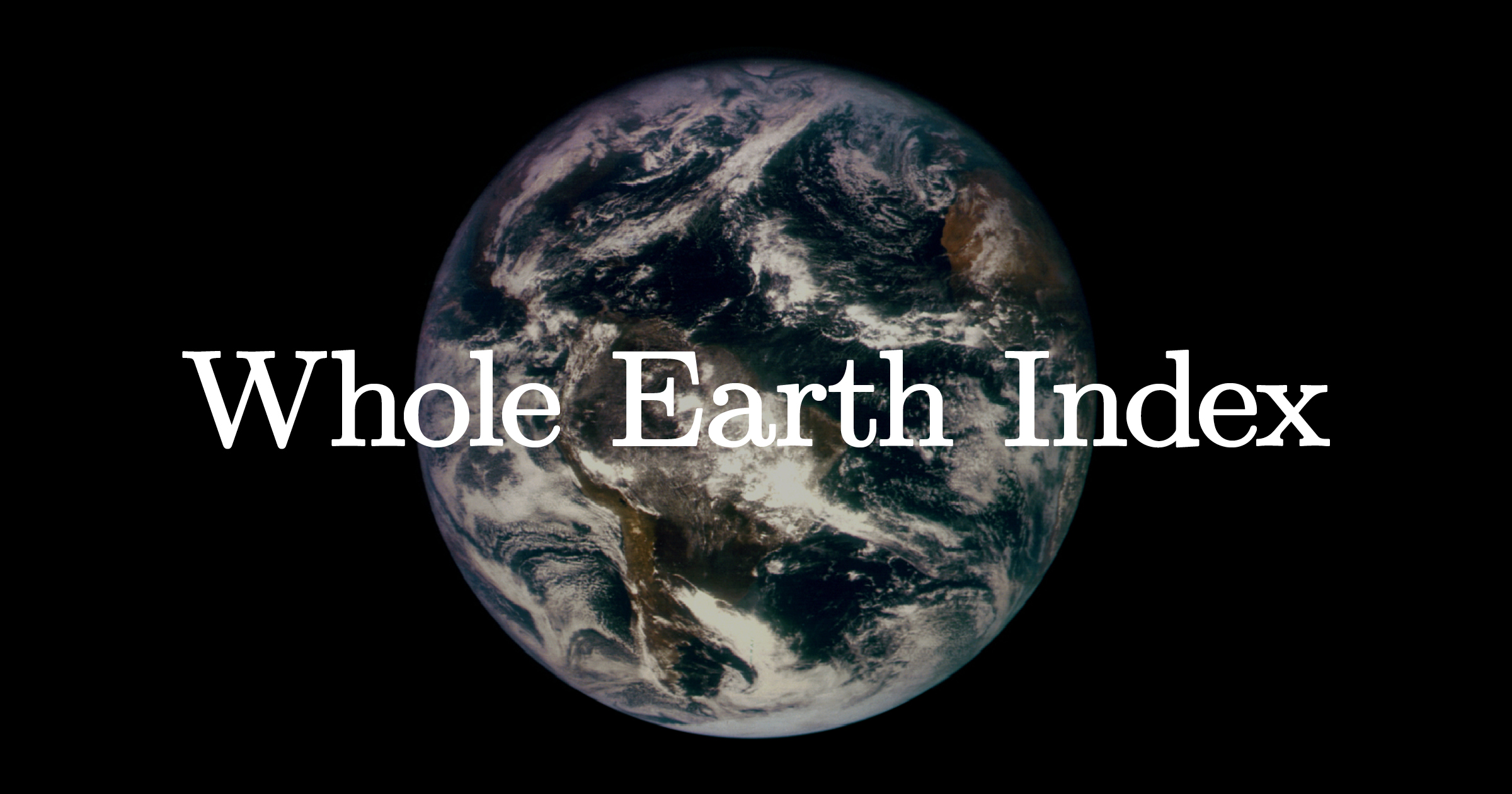
Whole Earth Index
Here lies a nearly-complete archive of Whole Earth publications, a series of journals and magazines descended from the Whole Earth Catalog, published by Stewart Brand and the POINT Foundation between 1968 and 2002.
Infoenon — Where Information Meets Phenomenon
Search publisher-controlled information, public knowledge, and the open social web.

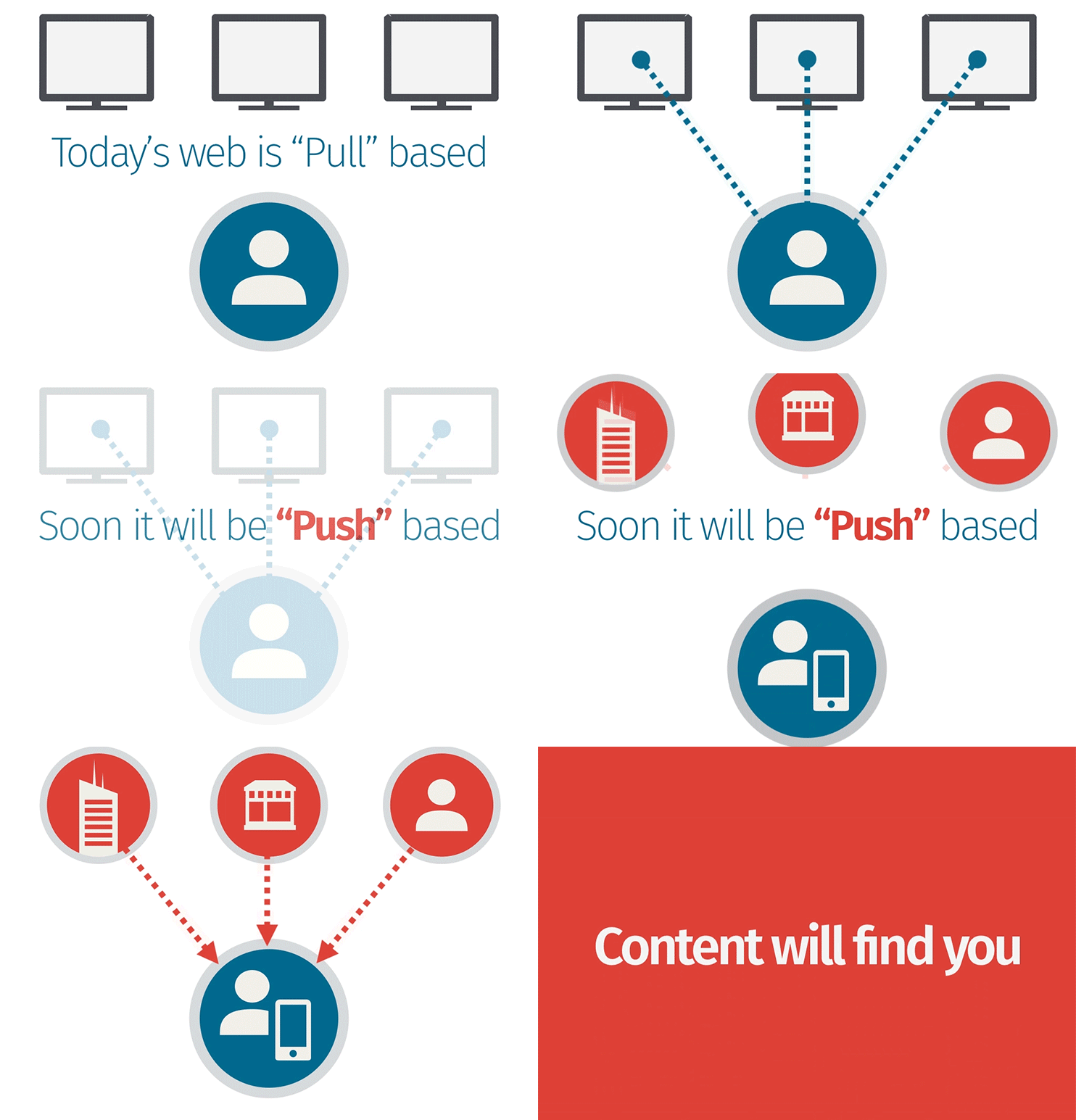
The Big Reverse of the Web
We are at the beginning of a massive re-architecture of the web where we go from "pull" to "push". Eventually, content will find us.
Landslide / Holdfast
Notes on what’s happening to our ability to collectively know things, and a look ahead to what this community is especially well positioned to do to support and revitalize our info ecosystems and the humans inside them.

Emily Riehl
Website for `Category theory in context' published in 2016 by Dover Publications.
NoSQL: The Baby and the Bathwater - Marc's Blog
This is a bit of an introduction to a long series of posts I’ve been writing about what, fundamentally, it is that makes databases scale. The whole series is going to take me a long time, but hopefully there’s something here folks will enjoy.
Google: Organize the world's information Atmosphere: Let the world's information self-organize

TJ
In some ways, atproto, bluesky, @semble.so, @sill.social, @standard.site and so on are building new indexes for the web. I really hope atproto succeeds and goes fully mainstream. Think of the amazing search engines that can be built on such rich index data. Maybe web3 can actually happen.
One thing I left out of my The Everything Account piece was a whole section on Bridgy Fed. Short version: As Bridgy Fed adds more lexicons, it makes the Atmosphere the most versatile and data-owning Fediverse instance in the open social web. Perhaps in a future piece 😉

Anuj Ahooja
I wrote about what I've been calling "The Everything Account" If you're familiar with The Atmosphere, you already know how to get one, and this should hopefully help you explain it to others. For those of you who aren't, you'll be surprised to know you already have one; here's how you use it:
