


After more than 13 years of civil war, the Assad regime collapsed in a matter of weeks in December 2024. With few foreseeing the swiftness of the regime's demise, Russian interests in the region were dealt a resounding blow, following nearly a decade of committed involvement. As arguably the Russian ally which enjoyed the most military backing, the old Syria under Assad proved to be somewhat of a testing ground for Russian military expertise - perhaps the most important element of its relations with friendly states in the ‘global south’.
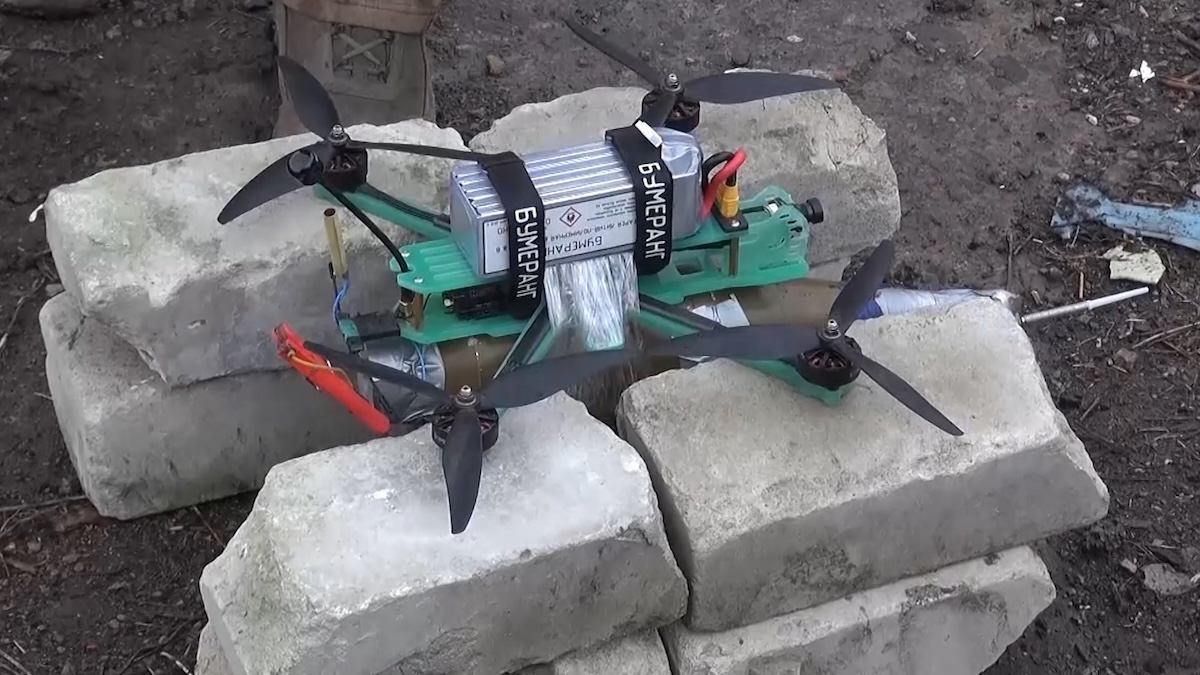
The Strange Rise and Fall of Russia’s Crowd Sourced Defense Industry
In the early days of the full-scale invasion of Ukraine in February 2022, much that could go wrong did for the Russian military. As one volunteer
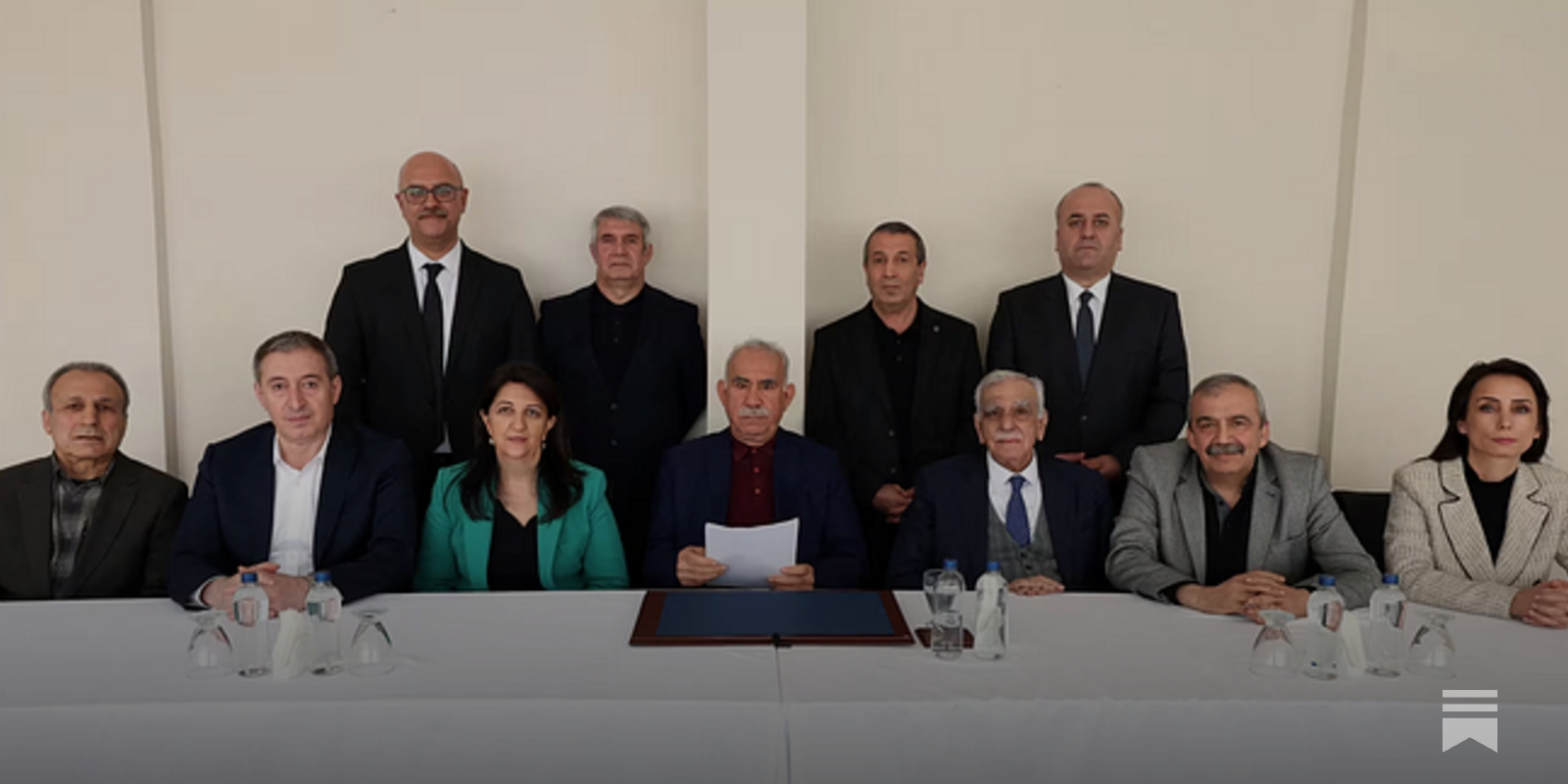
Fall of Assad: The end of the PKK?
This report examines the possible consequences of Assad’s fall on the PKK and the broader Kurdish movement in the region.
Dispersed, Disguised, and Degradable: The Implications of the Fighting in Ukraine for Future U.S.-Involved Conflicts
Wars reveal new information about warfighting and can spur changes in how foreign observers prepare for future conflicts. In this report, the authors make eight novel or notable observations about the Russia-Ukraine war and forecast how these observations might translate to a potential NATO-Russia or U.S.-China war. The authors also identify broader tactical, operational, and strategic implications for U.S. policymakers.

Imperial Ends: The Decay, Collapse, and Revival of Empires
Despite their historical importance, empires have received scant attention from social scientists. Now, Alexander J. Motyl examines the structure, dynamics, and continuing relevance of empire—and asks, "Why do empires decline? Why do some empires collapse? And why do some collapsed empires revive?"Rejecting choice-centered theories of imperial decline, Motyl maintains that the very structure of empires promotes decay and that decay in turn facilitates the progressive loss of territory. Although most major empires have in fact declined in this manner, some, such as the Soviet Union, have collapsed suddenly and comprehensively. Motyl explains how and why collapse occurs, why such an outcome is hard to foresee, and why some collapsed empires revive. While broad-ranging historically and empirically, Imperial Ends focuses on five modern empires: the Soviet, Romanov, Ottoman, Habsburg, and Wilhelmine.Examining the possibility of a revival of the Soviet empire, Motyl points out that the expansion of NATO and the European Union, along with increasing globalization, will isolate Russia and its neighbors, promoting their dependence upon one another and perhaps facilitating the rise of the former core. With boldly stated conclusions and concise analytical interpretations, Imperial Ends cohesively illustrates to policymakers and social scientists alike the importance of possible imperial revivals and the rise of future empires.

The Missiles Hit Saudi Arabia. Its Oldest Ally Sent Nobody — France Did.
Ninth piece in a series that started with Mokha falling on 09-11. Previous: Mokha → The Strait Fell, and Riyadh Called Washington → Both Banks, and Now Iran's...
Archived Fact-Checked Media — MediaVault
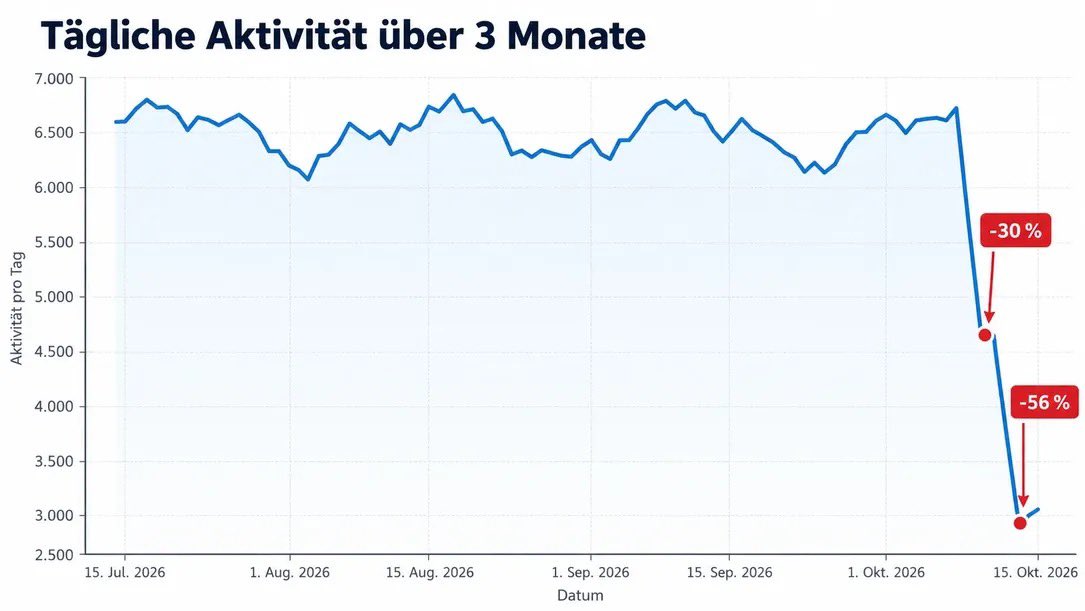
“If confirmed, this is telling: Russian data centres get hit, and online activity around AfD suddenly plummets. 📉 So much talk about German patriotism… then the connection from Russia goes down. 🤔🇷🇺 https://t.co/hEPJkIVtA3”
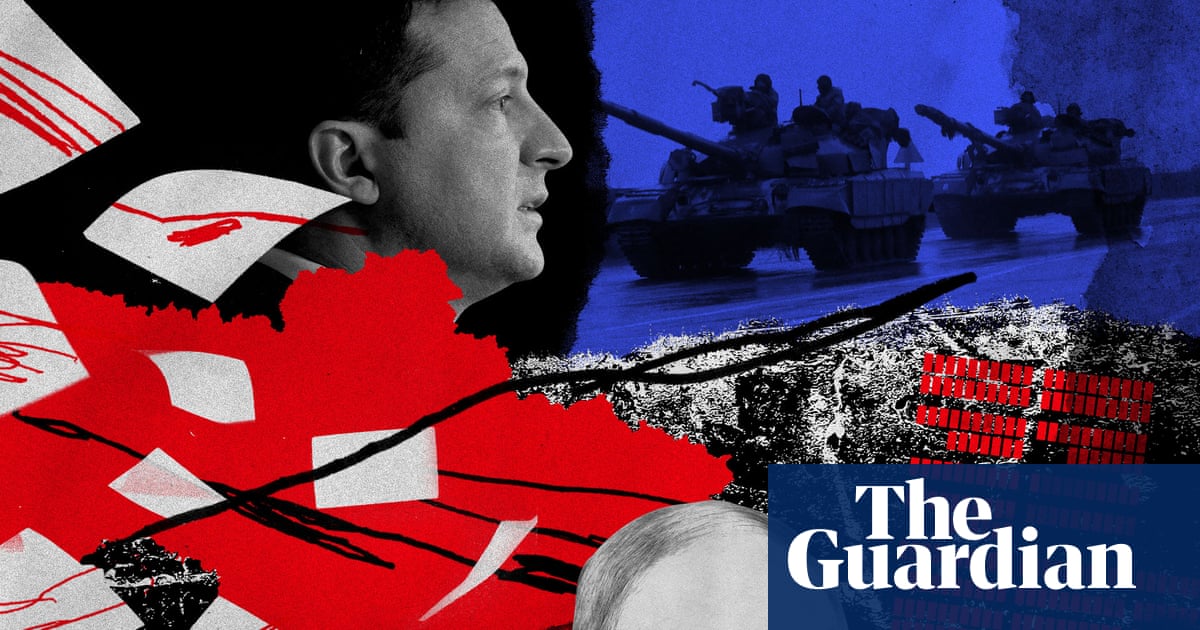
A war foretold: how the CIA and MI6 got hold of Putin’s Ukraine plans and why nobody believed them
Drawing on more than 100 interviews with senior intelligence officials and other insiders in multiple countries, this exclusive account details how the US and Britain uncovered Vladimir Putin’s plans to invade, and why most of Europe – including the Ukrainian president, Volodymyr Zelenskyy – dismissed them
Western drones are underwhelming on the Ukrainian battlefield
Most are too expensive, and irrelevant to the kind of war Russia is waging

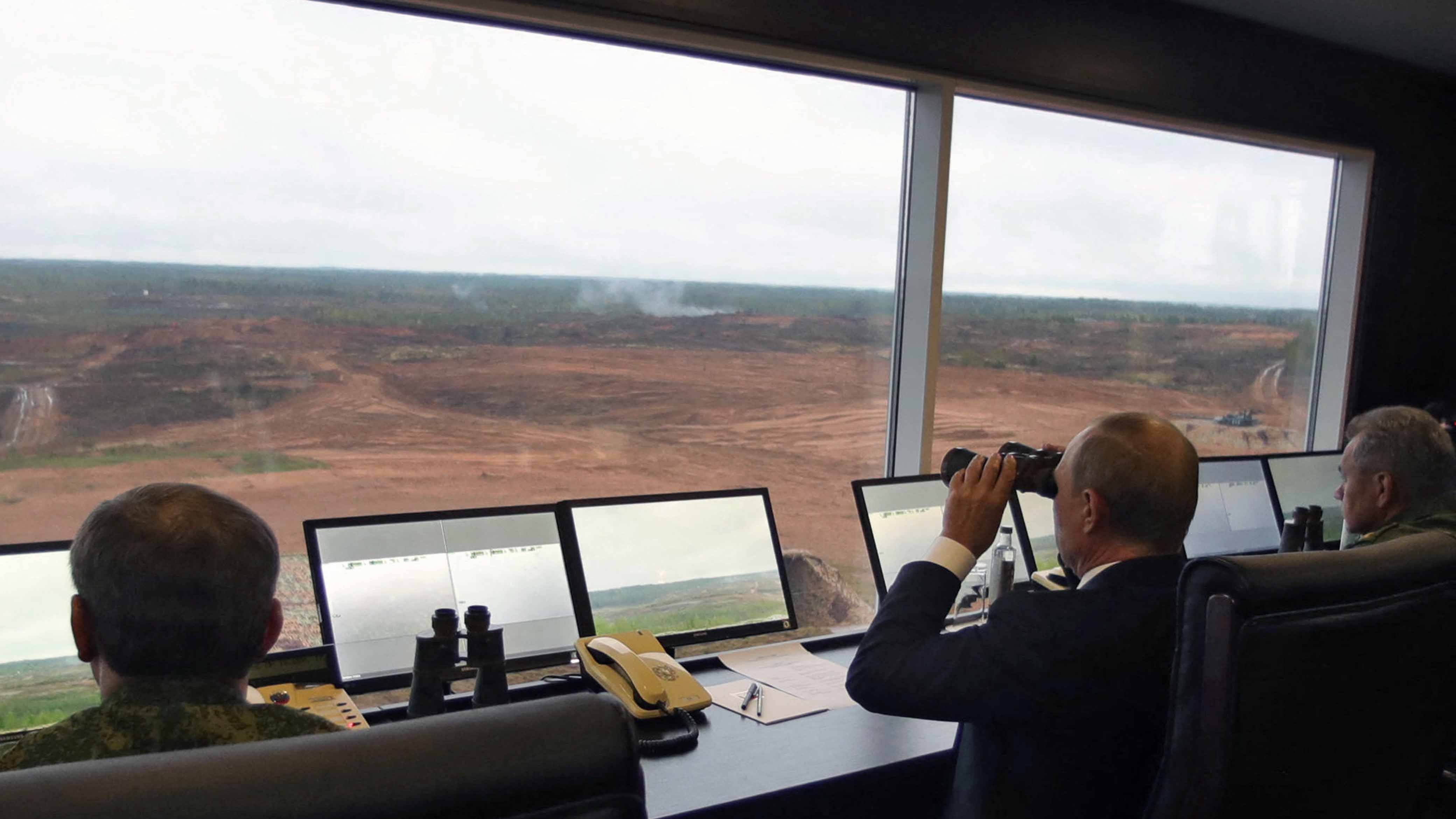
How Russia Is Reshaping Command and Control for AI-Enabled Warfare
Kateryna Bondar examines how Russia conceptualizes, builds, and adapts its command and control (C2) architecture under wartime pressures, in the first installment of a series on Russia’s use of AI in military operations.
Who benefits from Russia’s war in Ukraine
While tens of millions of Europeans have suffered from Russia’s war in Ukraine, a few Russian businesspeople have gotten richer from it. This column documents four distinct trends in this enrichment: through foreign asset takeovers at heavily discounted prices, via companies operating in import-substituting industries, beneficiaries of the war’s disruptive effects on European markets, and beneficiaries of increased domestic demand. Due to these trends, the number of Russian billionaires went up since the start of the war, while billionaires under Western sanctions got wealthier on average too.
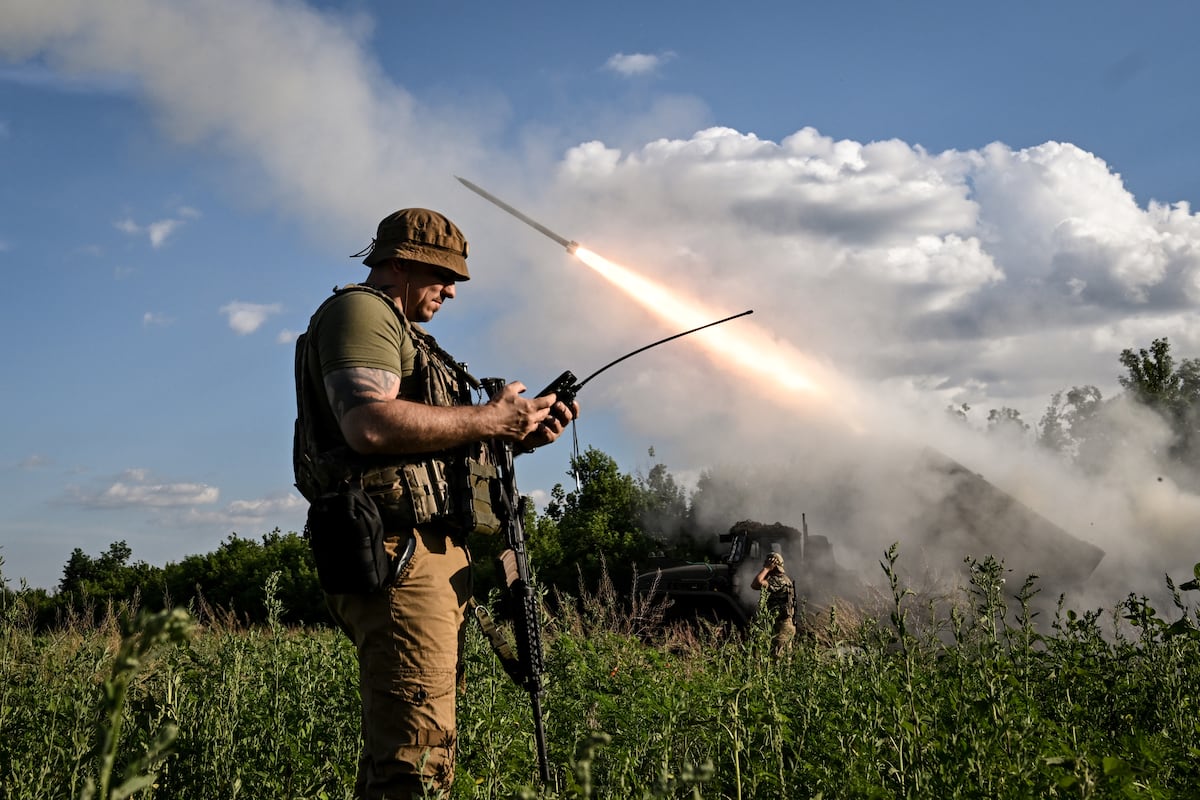
Russian troops survive just 20-30 minutes on Ukraine’s front lines, CIA director says
Russian recruits arriving on the battlefield in Ukraine survive an estimated 20 to 30 minutes before they are killed or wounded, the CIA director said.
The Ceasefire's Gone, the Talks Are Gone, and Nobody Agrees on the Tanker
Fifth piece in a series that started with Mokha falling on 09-11. Previous: The Strait Fell, and Riyadh Called Washington → Both Banks, and Now Iran's Own...
Living under armed drones: an ethnography of terror and survival in Northeastern Syria - AOAV
An ethnographic study of northeastern Syria reveals how Turkish armed drone strikes between 2019 and 2023 have reshaped daily life, instilling fear, destroying infrastructure, and forcing civilians to adopt survival strategies under constant surveillance and random violence.

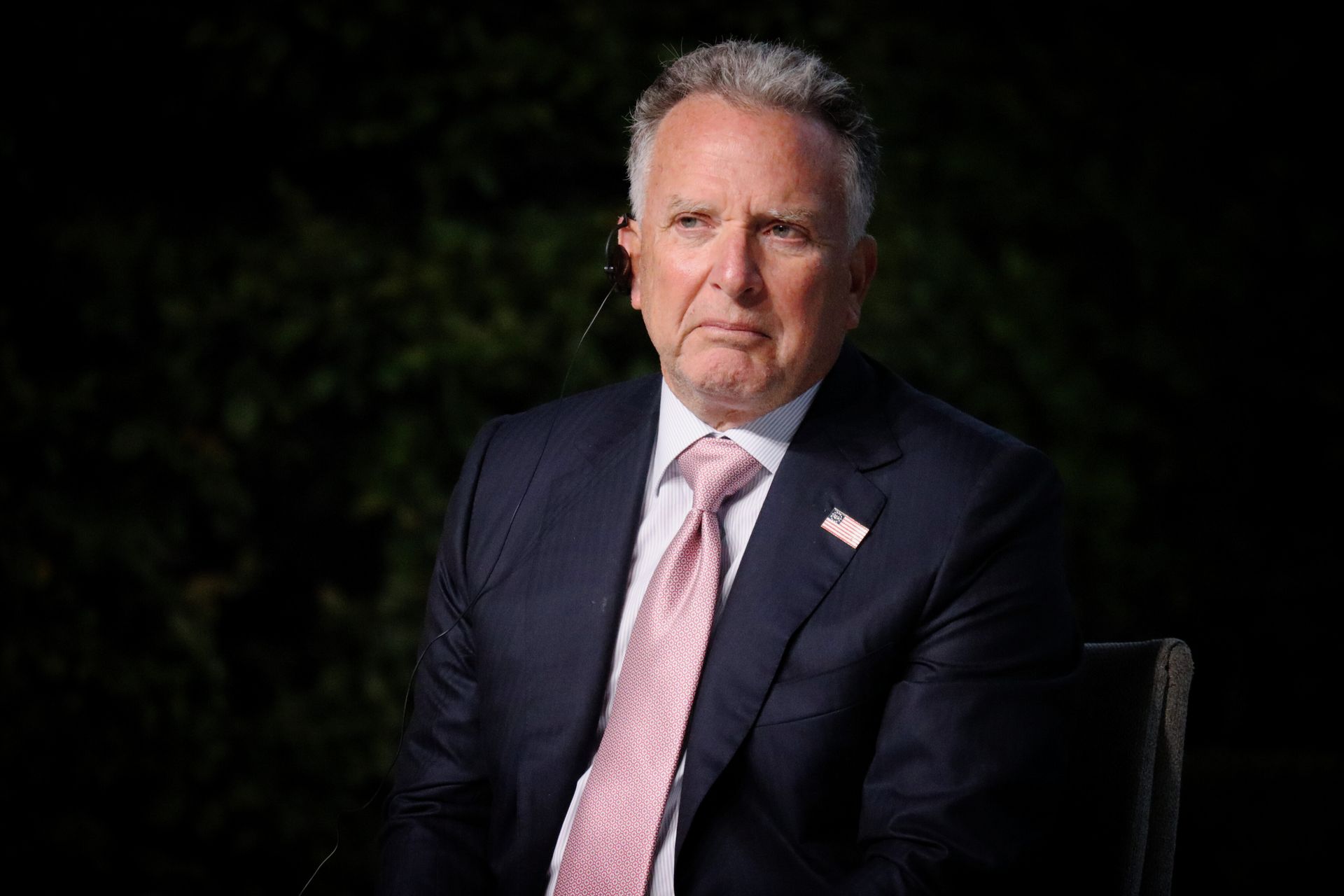
Exclusive: Ukraine, Russia are done with Steve Witkoff. Trump sees no problem
Kyiv and Moscow are growing increasingly frustrated with the U.S.-mediated peace process — and with Washington's Envoy Steve Witkoff, people familiar with the matter told the Kyiv Independent. Witkoff and Trump's son-in-law, Jared Kushner, who has emerged as a key peace negotiator, traveled to Russia and Ukraine in early September in an attempt to restart stalled negotiations. They left both countries with little to show for the effort. Behind the scenes, however, several separate efforts are
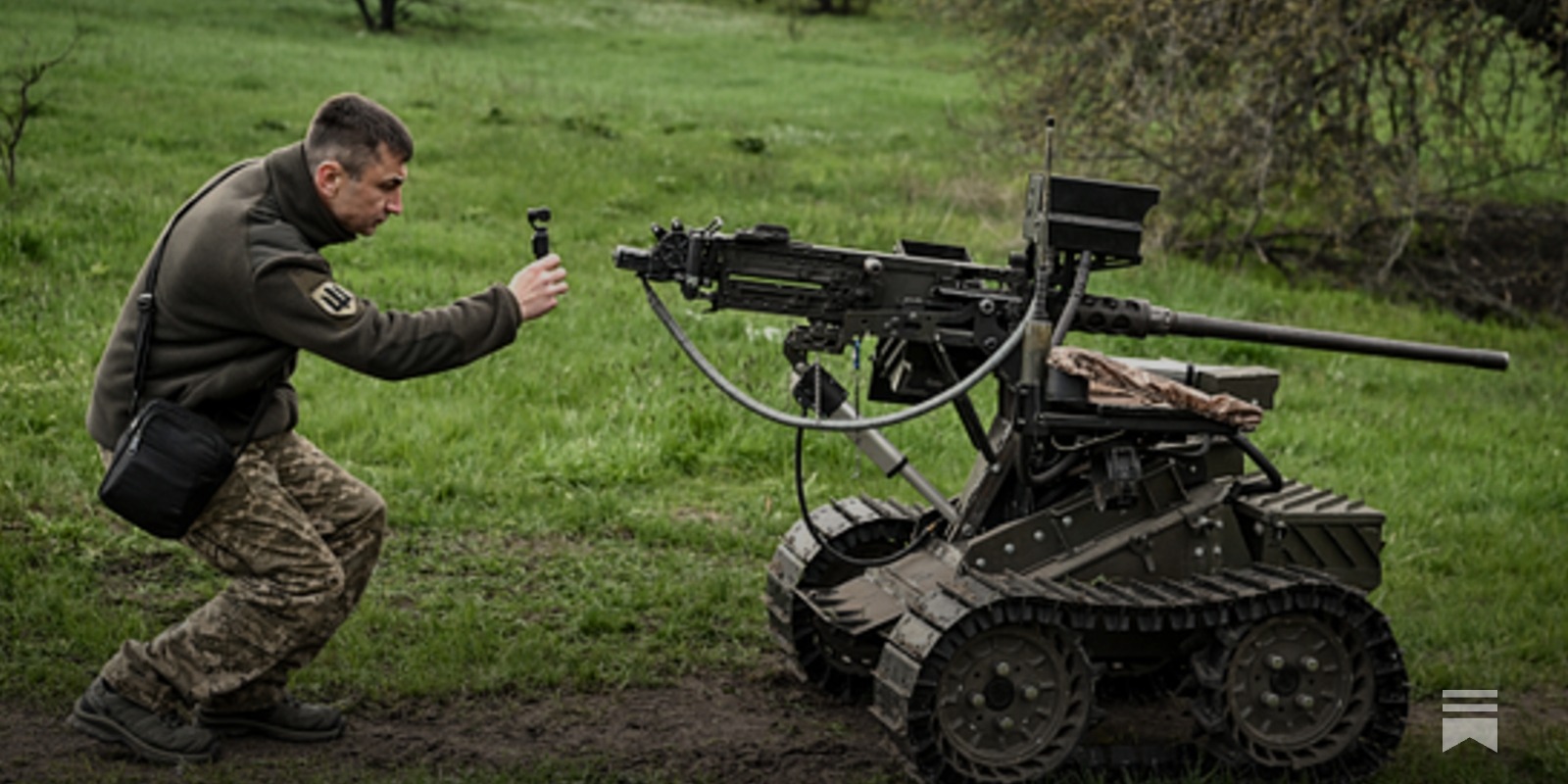
Ukraine’s Second Miracle Year
The war isn’t won, but for the first time in years, outright victory seems possible.
La politique monétaire en temps de guerre : le cas de l’Ukraine | Banque de France
Billet de blog n° 372. Depuis le début de l’invasion russe, la Banque nationale d’Ukraine (BNU) a contribué à la résilience de l’économie ukrainienne en utilisant une variété d’instruments pour soutenir l’effort de guerre et répondre aux déséquilibres financiers. Ce billet analyse cet exemple contemporain de banque centrale en temps de guerre à l’aune du concept d’autonomie de la politique monétaire.
