

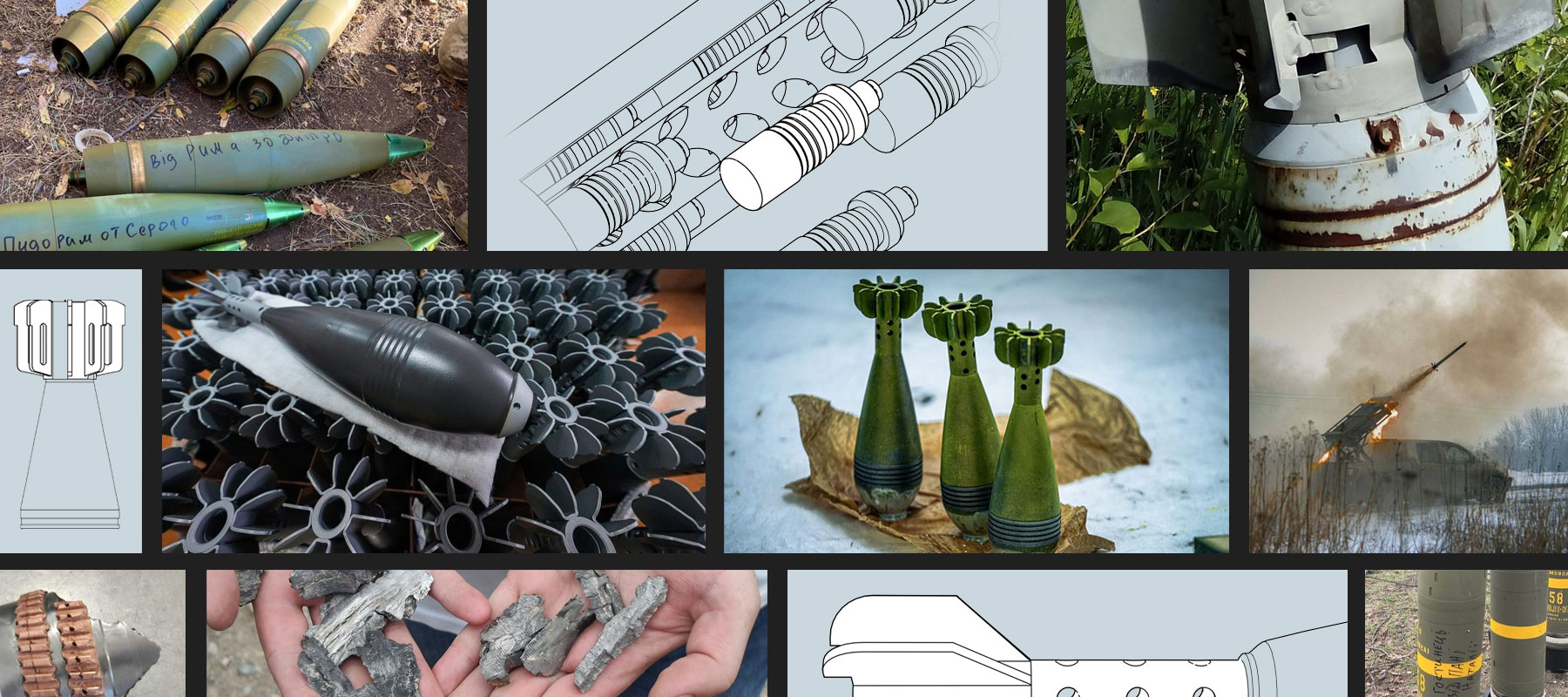
A tool for researchers, journalists and practitioners trying to learn more about munitions and their use and impact in conflicts.
Protecting civilians in a data-driven and digitalized battlespace: toward a baseline humanitarian technology infrastructure
This article examines the realities of modern day warfare, including a rising trend in hybrid threats and irregular warfare which employ emerging technologies supported by digital and data-driven processes. The way in which these technologies become applied generates a widened battlefield and leads to a greater number of civilians being caught up in conflict. Humanitarian groups mandated to protect civilians have adapted their approaches to the use of new emerging technologies. However, the lack of international consensus on the use of data, the public and private nature of the actors involved in conflict, the transnational aspects of the widened battlefield, and the heightened security risks in the conflict space pose enormous challenges for the protection of civilians agenda. Based on the dual-usage aspect of emerging technologies, the challenges associated with regulation and the need for those affected by conflict to demonstrate resilience toward, and knowledge of, digital media literacy, this paper proposes the development of guidance for a "minimum basic technology infrastructure" which is supported by technology, regulation, and public awareness and education

War in the Smartphone Age | Hurst Publishers
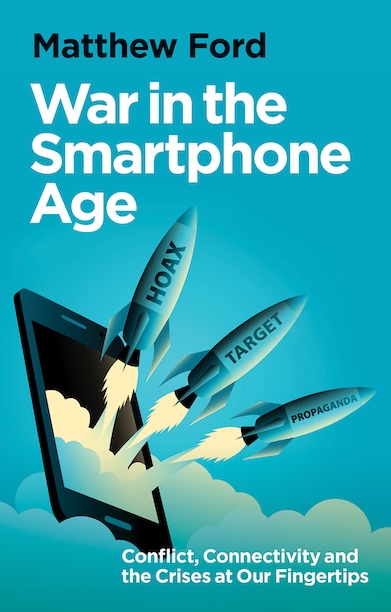
An essential guide to understanding war and information on today’s data-saturated battlefields—from Ukraine to Gaza and beyond.
OME Project — open-metadata-exchange documentation
OME enables open educational resources to create, publish, and update their metadata on a peer-to-peer network. By solving authoring, publishing, and discovery issues, this network will provide broad visibility to current islands of OER information.
Opportunities to Improve Military Policies and Practices to Reduce Civilian Harm From Explosive Weapons in Urban Conflict
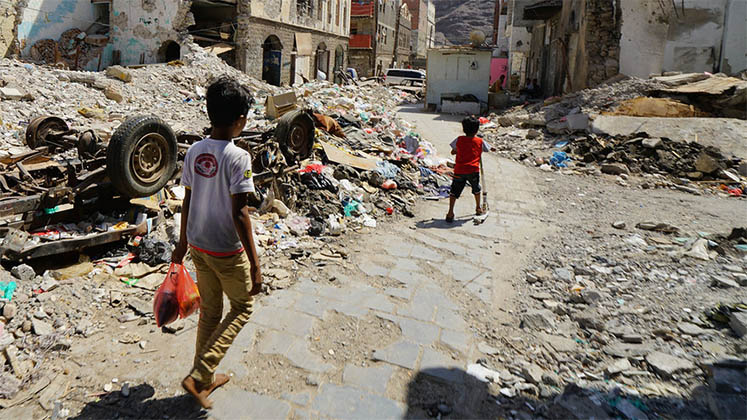
This research paper seeks to contribute to further thinking and dialogue among States and their militaries that conduct operations in urbanized environments on what more can be done to reduce civilian harm by proposing practical measures in the form of options for consideration. UNIDIR seeks to enhance knowledge on ways to reduce risks and mitigate harm to civilians from the effects of explosive weapons in urbanized environments. This research frames the issue of explosive weapons in the broader context of protection of civilians in urban conflict and focuses on multilateral operations. The research takes a comprehensive approach to civilian protection from a ‘risk reduction’ perspective—that is, seeking to understand where the risks and uncertainties lie in the entire ‘civilian protection life cycle’, recognizing that civilian harm is the cumulative effect of numerous risks and decisions made from formulating mandates, planning, execution, assessment and response to lessons learned and institutional learning. Particular focus is placed on the targeting and weaponeering processes. Citation: Roger Lane, Larry Lewis and Himayu Shiotani (2019) "Opportunities to Improve Military Policies and Practices to Reduce Civilian Harm From Explosive Weapons in Urban Conflict", UNIDIR, Geneva, Switzerland. https://doi.org/10.37559/CAAP/19/PACAV/11 TRANSLATIONS To read the report in French, click here.
Coherent reaction
As part of the Digital Library's transition to Open Access, new features for researchers are available in the Premium Edition. Click here to learn more.

Home | Bellingcat's Online Investigation Toolkit
A toolkit for open source researchers

Our Handbook is open source: here's why
In this post we’re explaining the reasons why having an open source Handbook works for us and how it can help you.

The shifting battlefield: technology, tactics, and the risk of blurring lines in warfare - Humanitarian Law & Policy Blog
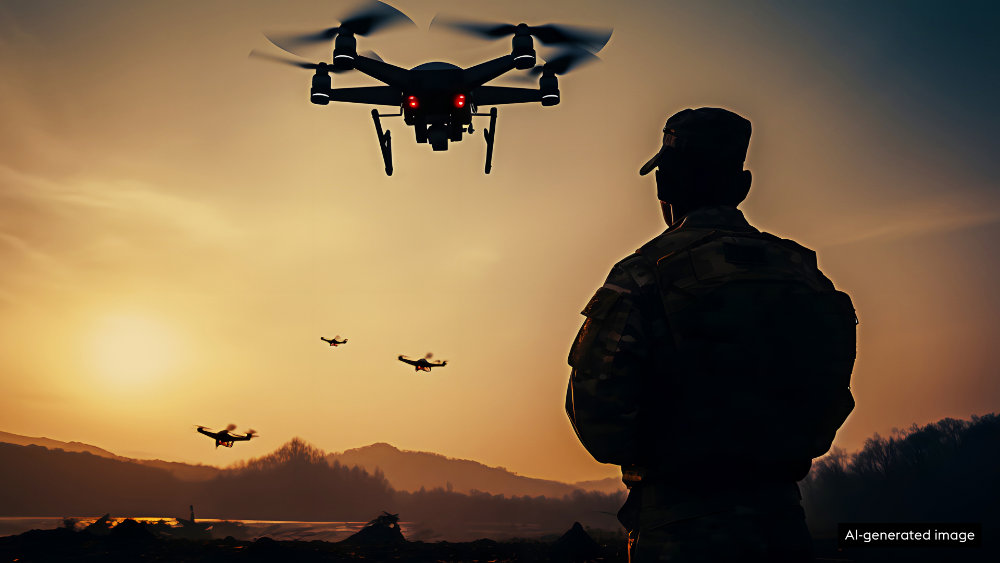
The accelerating integration of emerging technologies into armed conflict is transforming not only the tools of war, but its tactics, geography, participants and impact. Technological developments – from commercial drones to artificial intelligence, electronic warfare to the military use of civilian infrastructure – risk undermining boundaries between military and civilian domains. These changes challenge long-held...
Content Sharing within the Alternative Media Echo-System: The Case of the White Helmets
In June 2017 our lab began a research project looking at online conversations about the Syria Civil Defence (aka the “White Helmets”). Over…

OpenMD Medical Reference
Medical reference platform and search engine indexing billions of documents from government agencies, global health organizations, and medical journals.

Open Knowledge Repository
Open Knowledge Repository
Open Knowledge Repository
homepages.news — News Homepages documentation
An open-source archive that gathers, saves, shares and analyzes news homepages
Open-Source Contribution: The Ultimate Guide | Built In
How to get into open-source contribution according to these experts.

