

How foundations and projects are responding to AI-generated contributions. This analysis surveys 88 major organizations.
AI Contribution Policies
Ready-to-use AI contribution policies for open source projects.
AI creates asymmetric pressure on Open Source
How Open Source communities can adapt to AI-generated contributions without overwhelming Open Source maintainers

Unpacking Open Source Artificial Intelligence: Toward a Framework for Openness in Foundation Models
Openness has long driven innovation in software,9 and AI is no exception.12 While some see openness in foundation models (FMs) as a security threat,18 others argue that restricting access will not meaningfully reduce risk and will limit the benefits of transparency, research, and global participation.3 As the EU AI Act reporting requirements on FMs—also referred to as general-purpose AI models (GPAIMs)—move toward implementation, there is an urgent need for a more nuanced and informed understanding of openness in AI systems.

If AI is so good at coding … where are the open source contributions?
You can hardly get online these days without hearing some AI booster talk about how AI coding is going to replace human programmers. AI code is absolutely up to production quality! Also, you’re all…

From OSS to Open Source AI: an Exploratory Study of Collaborative...
AI development is embracing open-source paradigm, but the fundamental distinction between AI models and traditional software artifacts may lead to a divergent open-source development paradigm with...

Humanity in Open Source
Thoughts on how the open source world is changing in the AI era, not always for the better.
Using AI in open source
If you want to use AI to help you contribute to one of the projects I maintain, I would be delighted. But I have rules.

How open source projects need to adapt to the AI coding era | We Love Open Source • All Things Open
A new Carnegie Mellon study shows AI coding tools boost velocity by 281% — then leave codebases harder to work with. Here's what open source communities need to do before the sugar rush wears off.

The Open Source AI Definition – 1.0
version 1.0 See FAQsSee list of endorsementsSee ChecklistEndorse the OSAID Preamble Why we need Open Source Artificial Intelligence (AI) Open Source has demonstrated that massive benefits accrue to…

Reframing “Open Source AI” with Meredith Whittaker: AI Impact Summit 2026
OpenAI to release open-source model as AI economics force strategic shift
OpenAI plans to release its first open-weight AI model since 2019 as economic pressures mount from competitors like DeepSeek and Meta, marking a significant strategic reversal for the company behind ChatGPT.
Open source was not ready for AI-speed contributions
AI did not create the maintainer burden problem in open source. It accelerated it. Contributors are being amplified, but maintainers are still the verification bottleneck.
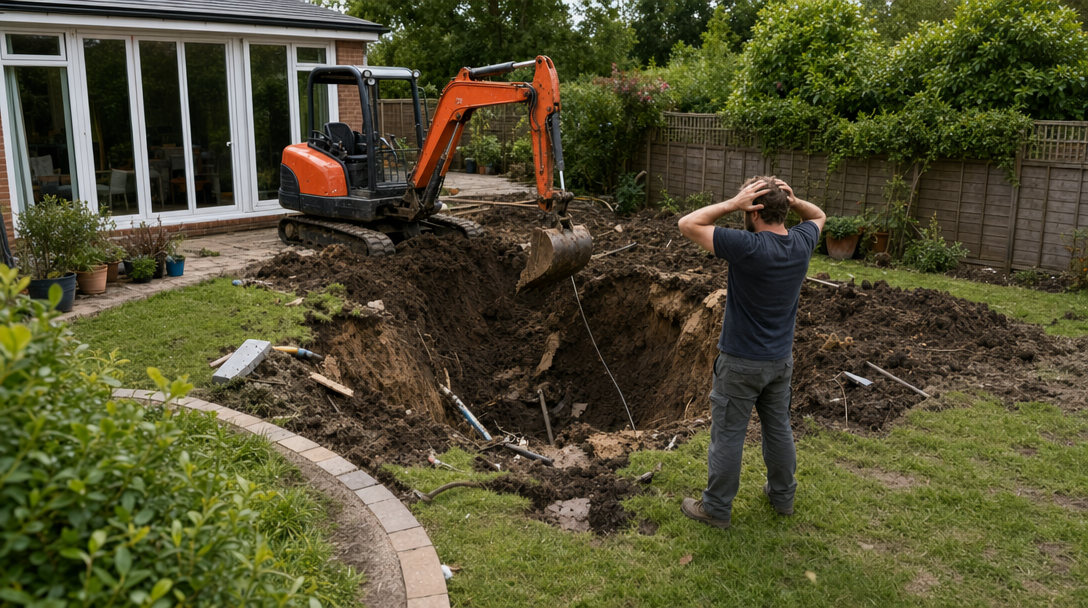
Open source was not ready for AI-speed contributions
AI did not create the maintainer burden problem in open source. It accelerated it. Contributors are being amplified, but maintainers are still the verification bottleneck.
What We're No Longer Seeing: AI and the Invisible Newcomer in Open Source
How AI is absorbing the visible friction that open-source communities have always relied on to see—and welcome—newcomers.

"AI makes it cheaper to contribute to Open Source, but it's not making life easier for maintainers. More contributions are flowing in, but the burden of evaluating them still falls on the same small group of people. That asymmetric pressure risks breaking maintainers." also relevant to slop science
Economic incentives is a big problem with AI in open-source spaces. Finding is unevenly allocated, and AI leads to further disparity. Instead of spreading money around the dev community, it'll go to AI companies. Open source thrives on humans. We don't need rockstars, we need resources.

Lucca @ Northsky 💚💜
they should be giving out more of that to the community as grants and focusing on protocol governance and standards and bringing new people into atproto.

