

In most places, power from new renewables is now cheaper than new fossil fuels.
Solar Power Is Getting So Cheap That It’s Almost Unbelievable
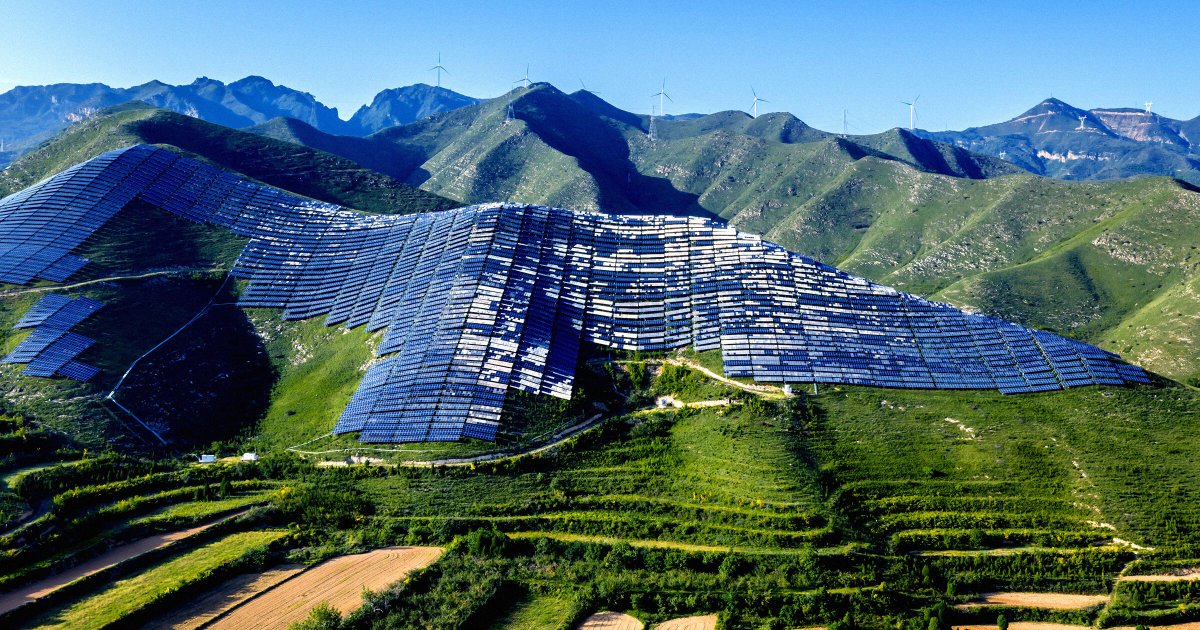
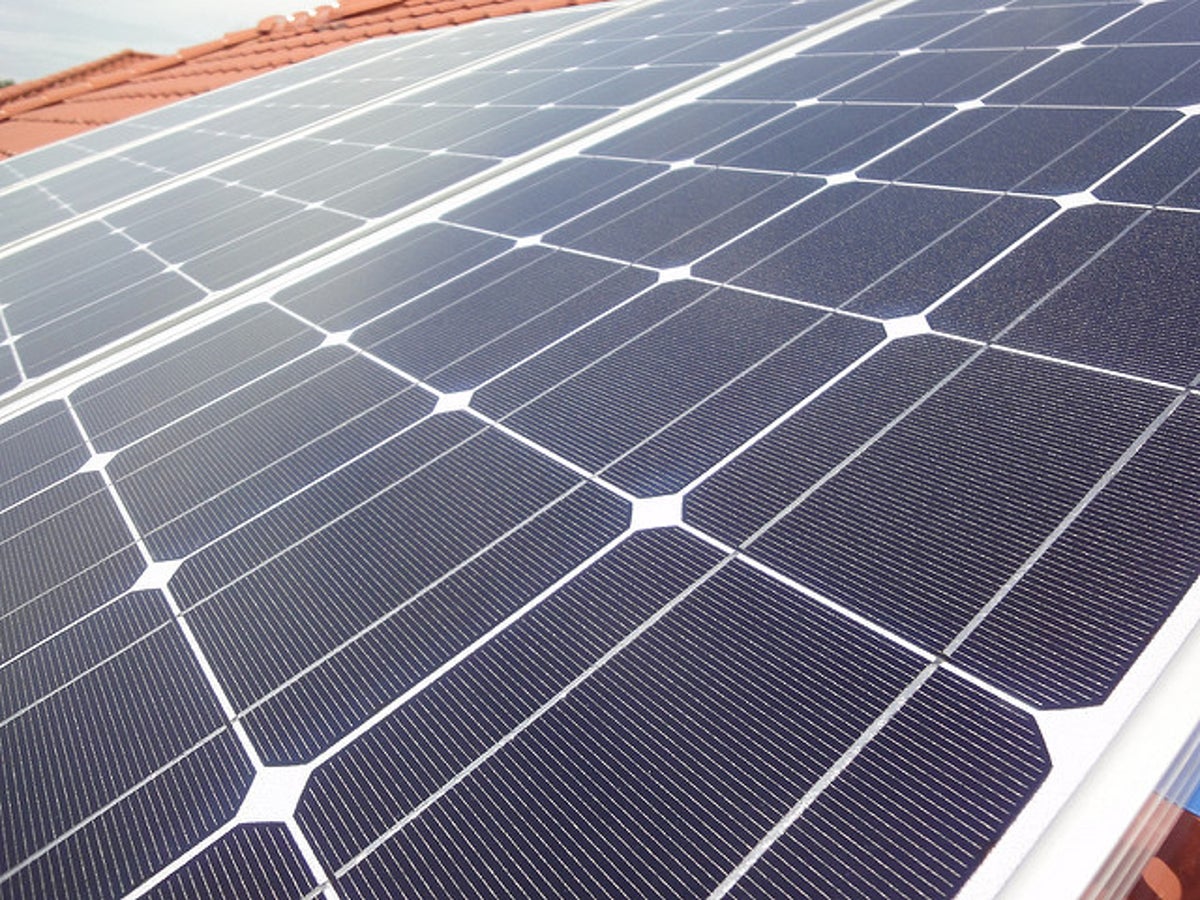
The cost of solar panels has dropped to just a few cents per watt, thanks to a massive supply of photovoltaics flooding the market.

The shale revolution helped make America’s economy great
But will the country’s oil riches discourage a similar revolution in renewables?

Make power affordable and sustainable – Victorian Socialists
Energy is essential infrastructure. We’re fighting for a public takeover to immediately cap electricity and gas bills, and transition to renewables sources.
Putting solar panels on land used for biofuels would produce enough electricity for all cars and trucks to go electric
The world dedicates a Poland-sized area of land to liquid biofuels. Is there a more efficient way to generate energy?
A Reality Check on Our ‘Energy Transition’ | The Tyee
To our peril, there’s been no green revolution. Just green addition to rising fossil fuel use.
Addressing climate change and protecting our environment – Victorian Socialists
The climate crisis is driven by the profit motive. We need a shift to 100 percent publicly owned renewable energy and an end to old-growth logging.
From Steampunk to Solarpunk
For awhile now, I’ve had the thought that an economy based on renewable energy might return to using sailing ships as working cargo ships. Apparently some other people had the same thought, a…

Oil and Gas=Peril and Poverty/ Solar and Wind=Prosperity and Protection
2026 has changed the psychological meaning of energy forever
Wind and Solar Will Power Datacenters More Cheaply Than Nuclear, Study Finds - Slashdot
An anonymous reader quotes a report from The Register: Renewable energy sources could power datacenters at a lower cost than relying on nuclear generation from small modular reactors (SMRs), claims a recently revealed study. ... [A]nalysis from the Centre for Net Zero (CNZ) says it would cost 43 per...

The Price of Solar Is Declining to Unprecedented Lows
Despite already low costs, the installed price of solar fell by 5 to 12 percent in 2015
Global Electricity Review 2026 | Ember
Solar surge halts fossil generation rise as clean power meets all demand growth and renewables overtake coal

China’s Shift to Clean Energy Is Saving the Paris Climate Accord
Beijing’s massive manufacturing investments have driven the costs of clean energy down.

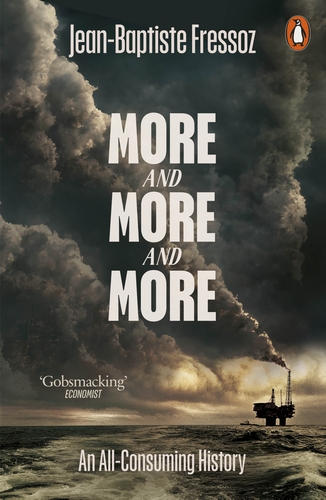
More and More and More
It has become habitual to think of our relationship with energy as one of transition: with wood superseded by coal, coal by oil, oil by nuclear and then at some future point all replaced by green sources. Jean-Baptiste Fressoz’s devastating but unnervingly entertaining book shows what an extraordinary delusion this is. Far from the industrial era passing through a series of transformations, each new phase has in practice remained almost wholly entangled with the previous one. Indeed the very idea of transition turns out to be untrue. The author shares the same acute anxiety about the need for a green transition as the rest of us, but shows how, disastrously, our industrial history has in fact been based on symbiosis, with each major energy source feeding off the others. Using a fascinating array of examples, Fressoz describes how we have gorged on all forms of energy – with whole forests needed to prop up coal mines, coal remaining central to the creation of innumerable new products and oil still central to our lives. The world now burns more wood and coal than ever before. This book reveals an uncomfortable truth: ‘transition’ was originally itself promoted by energy companies, not as a genuine plan, but as a means to put off any meaningful change. More and More and More forces its readers to understand the modern world in all its voracious reality, and the true nature of the challenges heading our way.
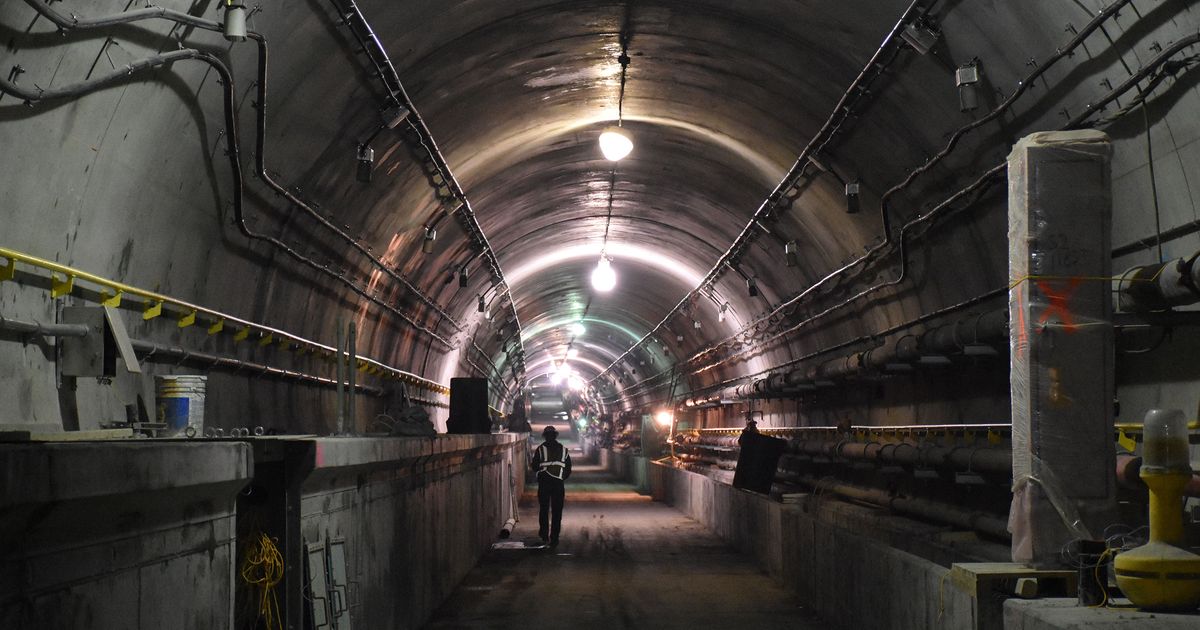
Why We Can’t Figure Out Why Infrastructure Is So Expensive
And why it’s going to be so expensive to find an answer.
Denmark's coal-to-wind transition is one of the most dramatic energy transformations of the past three decades. In 1990, coal provided 90% of Danish electricity. Today it is under 3%. Wind now covers roughly 60% of electricity generation. The last coal plant is scheduled to close by 2028.
