

The unprecedented and deadly cruise ship hantavirus outbreak, explained
This is not COVID," and other reasons why risk to the public is currently low.

Retracted coronavirus (COVID-19) papers
via CDC We’ve been tracking retractions of papers about COVID-19 as part of our database. Here’s a running list, which will be updated as needed. (For some context on these figures, see…
Statement from the International Hantavirus Society and members of the international hantavirus research and clinical community regarding Andes virus transmission and the current outbreak investigation
This statement summarizes current scientific evidence regarding Andes virus (ANDV) transmission dynamics, including documented person-to-person transmission, outbreak epidemiology, infection control considerations and implications for public health management during the ongoing cruise ship outbreak investigation in the South Atlantic. The document was prepared by members of the International Society for Hantaviruses (ISH) and the international hantavirus scientific and medical community.
Statement from the International Hantavirus Society and members of the international hantavirus research and clinical community regarding Andes virus transmission and the current outbreak investigation
This statement summarizes current scientific evidence regarding Andes virus (ANDV) transmission dynamics, including documented person-to-person transmission, outbreak epidemiology, infection control considerations and implications for public health management during the ongoing cruise ship outbreak investigation in the South Atlantic. The document was prepared by members of the International Society for Hantaviruses (ISH) and the international hantavirus scientific and medical community.
COVID-19 Vaccine Effectiveness and Safety for the 2026-2027 Respiratory Season
This Special Communication aims to identify and summarize the most recently published evidence evaluating the effectiveness and safety of US-licensed COVID-19 vaccines and report on the epidemiology of SARS-CoV-2 in the US.

Kremlin-linked Matryoshka bot network spreads disinfo about a looming hantavirus pandemic in Europe, despite scientists pointing to low risk
The Kremlin-linked “Matryoshka” bot network is spreading videos and images disguised as content produced by reputable Western media outlets warning readers of…

Transmission T-029: David Wolpert on SARS-CoV-2 and Landauer's bound
The concept of the extended phenotype provides a way to circumvent Landauer’s bound.

“Super-Spreaders” and Person-to-Person Transmission of Andes Virus in Argentina
From November 2018 through February 2019, person-to-person transmission of Andes virus (ANDV) hantavirus pulmonary syndrome occurred in Chubut Province, Argentina, and resulted in 34 confirmed infe...

“Super-Spreaders” and Person-to-Person Transmission of Andes Virus in Argentina
From November 2018 through February 2019, person-to-person transmission of Andes virus (ANDV) hantavirus pulmonary syndrome occurred in Chubut Province, Argentina, and resulted in 34 confirmed infe...
We were lucky with Hantavirus—next time we might not be
The outbreak aboard a Dutch cruise ship offers vital lessons for the inevitable next pandemic

COVID-19 Vaccine Effectiveness and Safety for the 2026-2027 Respiratory Season
Importance SARS-CoV-2 remains a substantial cause of respiratory illness, morbidity, and mortality. Evidence to date has demonstrated that COVID-19 vaccines reduce the risk of severe disease, including hospitalization and death. Objective This systematic review identifies and summarizes newly published studies reporting on the effectiveness and safety of COVID-19 vaccines and COVID-19 epidemiology in the US. Evidence Review Cochrane Central Register of Controlled Trials, PubMed/MEDLINE, Embase, and Scopus were searched from August 1, 2025, through June 29, 2026. Studies were eligible if they reported on the effectiveness, efficacy, or safety of a US-licensed COVID-19 vaccine or SARS-CoV-2 epidemiology in the US. Findings From 11 829 identified references, 155 publications were eligible (15 randomized clinical trials, 84 observational studies with a comparator group, 38 product safety studies without a comparator group [single group], and 18 descriptive studies of disease burden). Consistent with prior evidence, studies reported that updated COVID-19 vaccines were associated with a reduction in the risk of hospitalization among both older adults (≥65 years; vaccine effectiveness [VE], 53.0%; 95% CI, 37.0%-65.0%; 2025-2026 season) and adults (18-64 years; VE, 54.0%; 95% CI, 1.0%-78.0%; 2024-2025 season). Maternal vaccination was associated with reduced risk of COVID-19–associated emergency department/urgent care encounters among individuals vaccinated (VE, 58.0%; 95% CI, 24.0%-77.0%) and with fewer COVID-19–related hospital contacts in the first 2 months of life among infants born subsequently (VE range, 50.0%-54.0%), regardless of trimester of vaccination. Vaccination was also associated with a significant reduction in COVID-19–related pediatric emergency department visits (9 months to 4 years; VE, 76.0%; 95% CI, 58.0%-87.0%). Vaccination was associated with a reduced risk of critical COVID-19 illness (intensive care unit admission or death) in immunocompromised adults (VE range, 32.0%-53.0%, depending on condition and other factors). Health care personnel who received 3 to 5 vaccine doses were less likely to develop laboratory-confirmed COVID-19 illness (VE, 41.0%; 95% CI, 34.0%-47.0%) and postacute COVID-19 symptoms (VE, 57.0%; 95% CI, 46.0%-66.0%) compared with those who received only 2 doses. Across adverse events of special interest (eg, stroke, thrombosis, myocarditis), safety profiles were consistent with those of previous reviews. No identified studies conducted under the updated guidance on extended dosing intervals for the primary series reported an increased risk of myocarditis or pericarditis. No new safety signals were reported in the recently published studies eligible for this updated review of US-licensed COVID-19 vaccines. Conclusions and Relevance COVID-19 vaccines were consistently associated with a reduction in the risk of hospitalization and other outcomes, including among individuals at high risk of severe COVID-19, such as infants, and those who were pregnant. No new safety concerns were identified.
Archive: New COVID-19 ‘Citizen Science’ Initiative Lets Any Adult with a Smartphone Help to Fight Coronavirus
The online study would try to help researchers gain insight into how the virus is spreading and identify ways to predict and reduce the number of new infections.

COVID antihistamine protocol
This current wave of COVID is bad, and I'm seeing a lot of people who were previously NOVID posting photos of their positive tests. I've been trying fairly diligently to get this information out on social media, because I know I follow the literature a lot more closely than a lot of people, so here
@ronentk.me I mapped the data in rdf.scios.tech to network.cosmik.connection records, then analyzed them as a connected component stigmergic.latha.org/island/nandi.latha.org/3fb497…
COVID-19 vaccines

Primarily information in the US and Japan
COVID-19 Vaccine Effectiveness and Safety for the 2026-2027 Respiratory Season
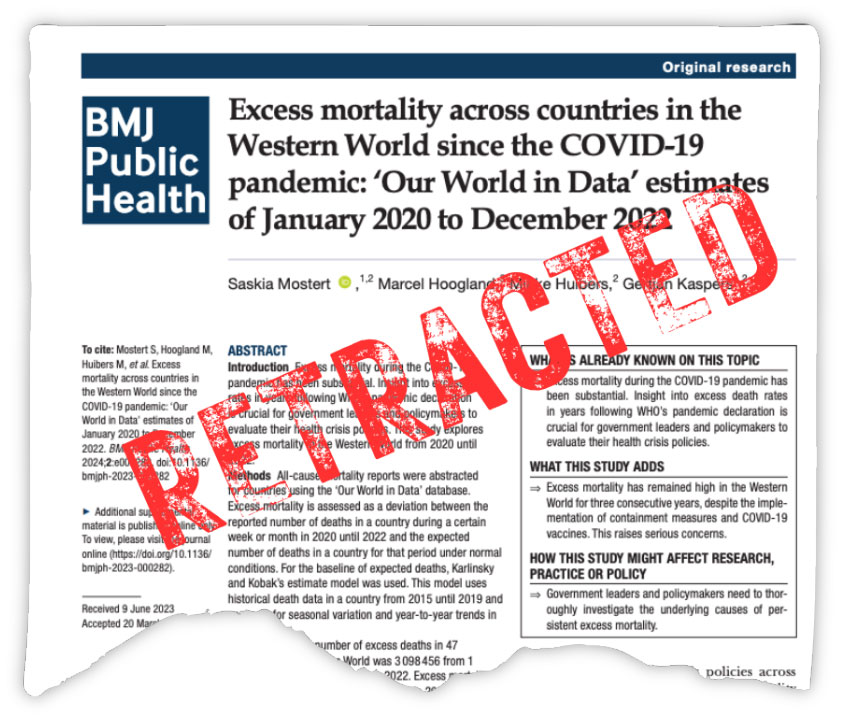
BMJ Group retracts paper on COVID-19 vaccines and mortality featured in Senate hearing

What to Know About New Covid Vaccines for Fall 2026
Underlying Conditions and the Higher Risk for Severe COVID-19

