

Let clean code guide you. Then let it go.
How to Kill the Code Review
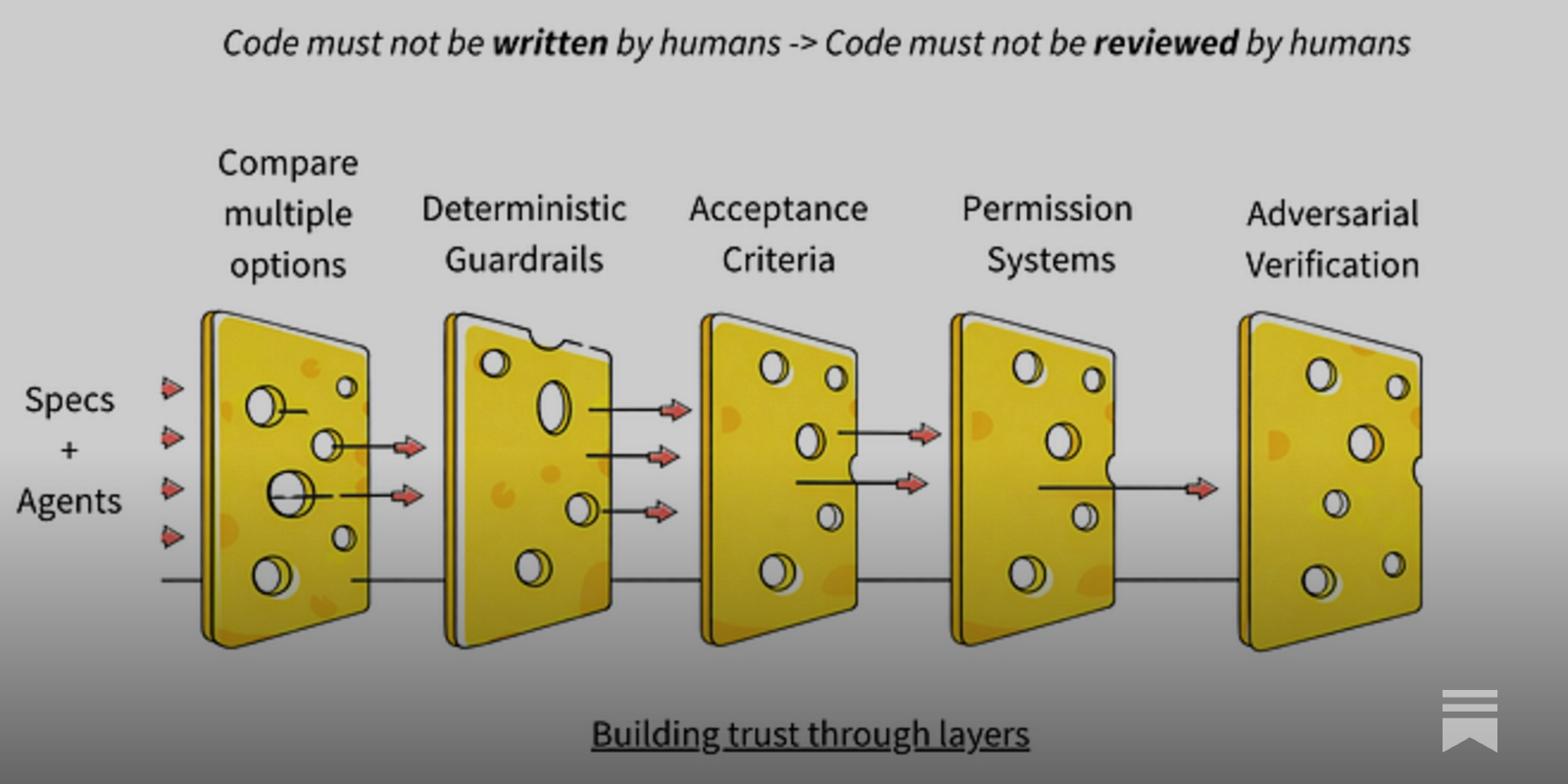
Human-written code died in 2025. Code reviews will die in 2026.
Write code that is easy to delete, not easy to extend.
“Every line of code is written without reason, maintained out of weakness, and deleted by chance” Jean-Paul Sartre’s Programming in ANSI C.
What Is Code? If You Don't Know, You Need to Read This
The world belongs to people who code. Those who don’t understand will be left behind.

What Is Code? If You Don't Know, You Need to Read This
The world belongs to people who code. Those who don’t understand will be left behind.
Software development is a losers game
Great code doesn’t save you, but bad code will kill you #HoskWisdom

Stay away from my trash!
If writing the code is the easy part, why would I want someone else to write it?

</> htmx ~ Codin' Dirty
In this article, Carson Gross discusses an alternative approach to software development that challenges the principles outlined in 'Clean Code.' Carson advocates for allowing larger functions in certain cases, preferring integration tests over unit tests, and minimizing the number of classes and interfaces. He shares examples from successful software projects that demonstrate these practices can lead to maintainable, high-quality code.
Coding After Coders: The End of Computer Programming as We Know It - …
archived 16 Mar 2026 15:14:04 UTC

Stop saying learning to code is easy.
(The photo above was taken at the Microsoft NYC office of three amazing young ...


Who cleans up after the vibe-coding party?
Our obsession with AI code-writing tools is overwhelming the web’s unsung human caretakers

Coding Is Dead, Long Live Programming — Ian Cooper - Staccato Signals
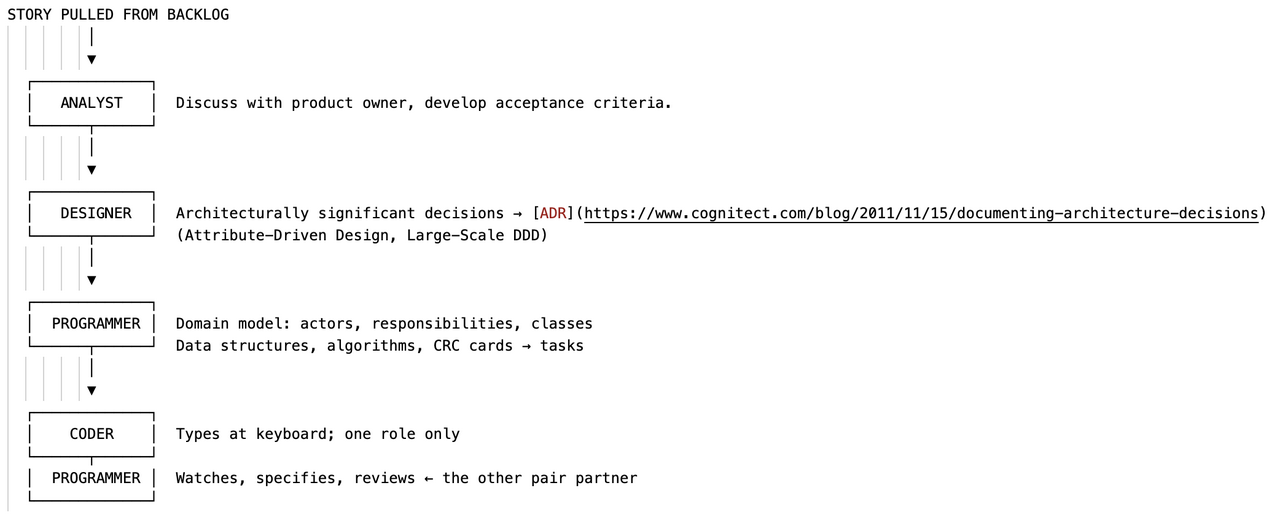
Summary In this post, we argue that the role of a coder now belongs to a coding agent, but that the distinct role of a programmer define...
Google Gemini deletes user’s code: ‘I have failed you completely and catastrophically’
Vibe coding gone wrong?

nobody should type code by hand anymore. here's what's left.
Josh Wulf and I talked loop engineering for four episodes. The models stopped being the constraint a long time ago; what's left is vision, verification and agency. Delete your skill packs, put the whole system under test, and revisit everything that used to be hard.

Strange and maddening rules
There’s this popular idea among developers that when you face a problem with code, you should get out a rubber duck and explain, to the duck, exactly how your code was supposed to work.
