Wildlife rehabilitators often wrap owls in fabric so they can be weighed, treated, and fed. If not, the owls get in a flap.
Paper towel holder - 3D model by Gazzaladra on Thangs
**A paper towel holder with a great tear-off experience.** It is fully enclosed, so your towels don’t get wet and stay hygienic. **Sizes** A: Fits rolls with a

Crow Busters - Crow Recipes
Historically, crows, as well as other non-songbird species have been common fare. Remember "four and twenty blackbirds baked in a pie"? Our revulsion seems to center around the fact that the crow and it's close relatives are scavengers and therefore unfit to eat. Well, as far as pigs and chickens are concerned, you just wouldn't believe what these supermarket critters will stick in their mouths. Seafood? You honestly don't want to know what goes into a Blue Crab before it ends up on that expensive crab cake platter. I suppose the same goes for lobsters. The list goes on.
The Beaver’s Food Foraging / Tree-Cutting Behavior - AnimAnswers.com
Beavers are one of the largest rodents in the world. These fantastic creatures have thick fur, webbed feet, and flattened tails that are useful when they forage. They are also known for their notable dam-building abilities and unique skills in making their homes. Their sharp teeth help them to cut different sizes of trees. Let’s ... Read more

Birds of a Feather Eat Plastic Together: High Levels of Plastic Ingestion in Great Shearwater Adults and Juveniles Across Their Annual Migratory Cycle
Limited work to date has examined plastic ingestion in highly migratory seabirds like Great Shearwaters (Ardenna gravis) across their entire migratory range. We examined 217 Great Shearwaters obtained from 2008–2019 at multiple locations spanning their yearly migration cycle across the Northwest and South Atlantic to assess accumulation of ingested plastic as well as trends over time and between locations. A total of 2328 plastic fragments were documented in the ventriculus portion of the gastrointestinal tract, with an average of 9 plastic fragments per bird. The mass, count, and frequency of plastic occurrence (FO) varied by location, with higher plastic burdens but lower FO in South Atlantic adults and chicks from the breeding colonies. No fragments of the same size or morphology were found in the primary forage fish prey, the Sand Lance (Ammodytes spp., n = 202) that supports Great Shearwaters in Massachusetts Bay, USA, suggesting the birds directly ingest the bulk of their plastic loads rather than accumulating via trophic transfer. Fourier-transform infrared spectroscopy indicated that low- and high-density polyethylene were the most common polymers ingested, within all years and locations. Individuals from the South Atlantic contained a higher proportion of larger plastic items and fragments compared to analogous life stages in the NW Atlantic, possibly due to increased use of remote, pelagic areas subject to reduced inputs of smaller, more diverse, and potentially less buoyant plastics found adjacent to coastal margins. Different signatures of polymer type, size, and category between similar life stages at different locations suggests rapid turnover of ingested plastics commensurate with migratory stage and location, though more empirical evidence is needed to ground truth this hypothesis. This work is the first to comprehensively measure the accumulation of ingested plastics by Great Shearwaters over the last decade and across multiple locations spanning their yearly trans-equatorial migration cycle and underscores their utility as sentinels of plastic pollution in Atlantic ecosystems.

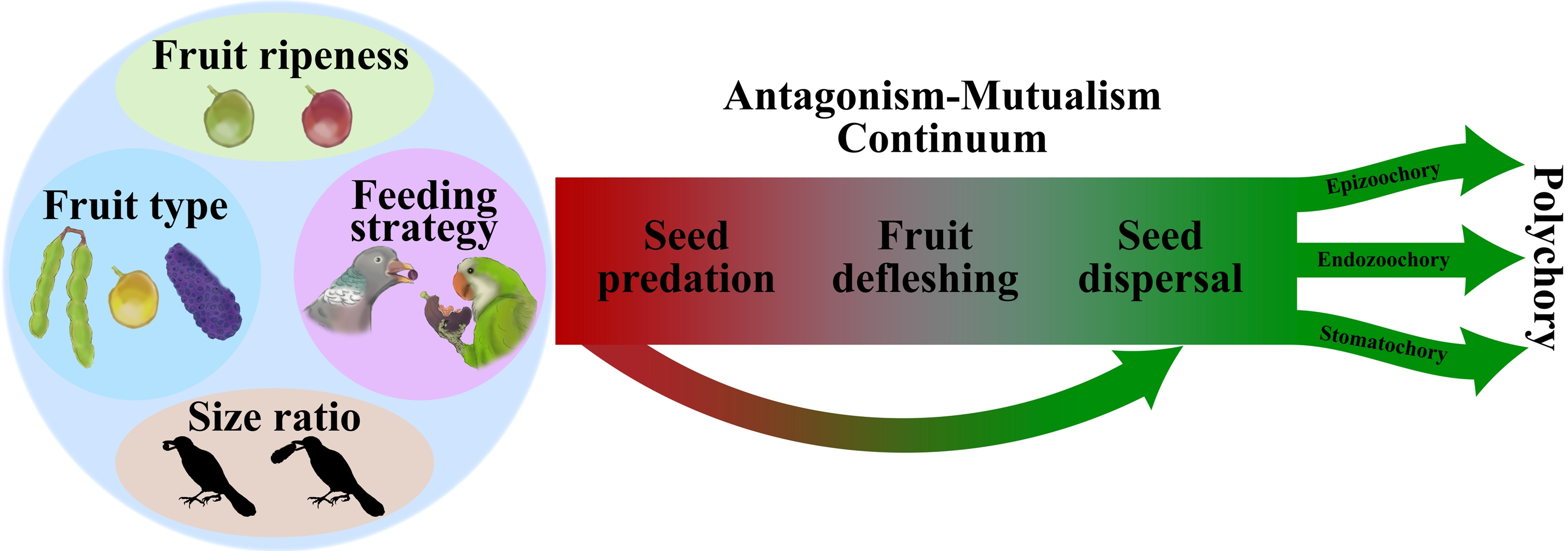
Embracing the complexity of plant–bird interactions to understand species’ roles within ecosystems
The context-dependent fate of seeds, shaped by birds that can act as both antagonists and mutualists, reveals a hidden variability of functions and seed dispersal mechanisms, underscoring the need for stronger empirical evidence to accurately understand seed dispersal ecology.
Antenna (zoology)
An antenna is one of a pair of appendages used for sensing in arthropods. Antennae are sometimes referred to as feelers.

Glasswing Butterflies Want To Make Something Perfectly Clear | Deep Look
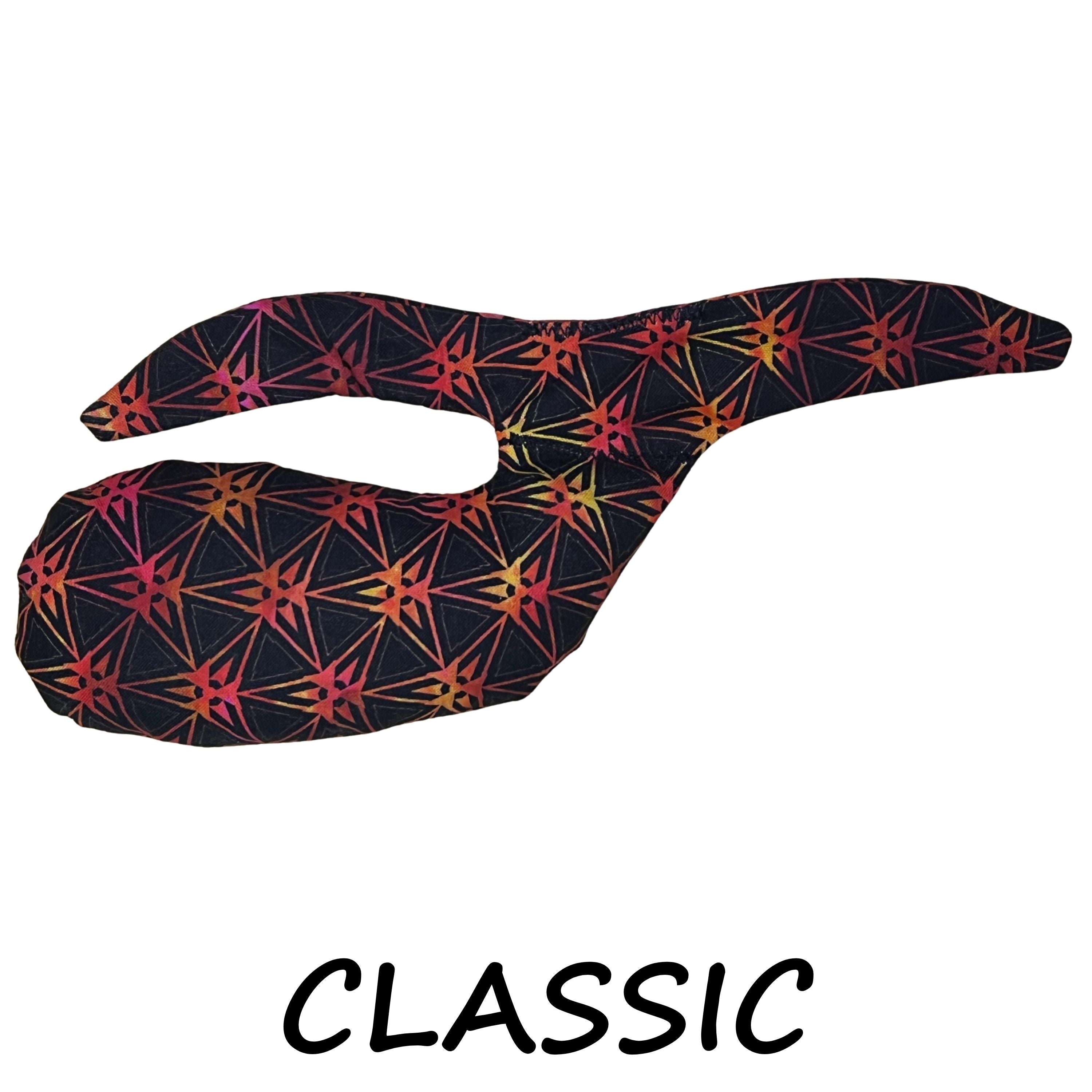
Classic
Classic whale sacs in a variety of patterns. You may see these on the shelf at your favorite disc shop or sporting goods store as well!
Beaver walking upright on hind legs, carrying wet mud to build its lodge.
How Do Beavers Build a Dam | SLICE
Solar panels were known to attract birds, but they are now drawing in species never seen in these areas before
New research from the University of Cambridge has found that some birds species are making a triumphant return to the area around solar panels in England.

Garden in a Bag
A Potting Shed original. Grow fresh herbs, flowers, vegetables and fruit in a windowsill or any sunny spot indoors year-round directly in the leak-proof bag. Planting video available here. All Garden-in-a-Bags come with ribbon bow during the holiday season.
Charles Eisenstein
<p>For years, normality has been stretched nearly to its breaking point, a rope pulled tighter and tighter, waiting for a nip of the black swan’s beak to snap it in two. Now that the rope has snapped, do we tie its ends back together, or shall we undo its dangling braids still further, to see what we might weave from them?</p>
Run, Spot, Run: The Ethics of Keeping Pets
A life shared with pets brings many emotions. We feel love for our companions, certainly, and happiness at the thought that we’re providing them with a safe, healthy life. But there’s another emotion, less often acknowledged, that can be nearly as powerful: guilt. When we see our cats gazing wistfully out the window, or watch a goldfish swim lazy circles in a bowl, we can’t help but wonder: are we doing the right thing, keeping these independent beings locked up, subject to our control? Is keeping pets actually good for the pets themselves? That’s the question that animates Jessica Pierce’s powerful Run, Spot, Run. A lover of pets herself (including, over the years, dogs, cats, fish, rats, hermit crabs, and more), Pierce understands the joys that pets bring us. But she also refuses to deny the ambiguous ethics at the heart of the relationship, and through a mix of personal stories, philosophical reflections, and scientifically informed analyses of animal behavior and natural history, she puts pet-keeping to the test. Is it ethical to keep pets at all? Are some species more suited to the relationship than others? Are there species one should never attempt to own? And are there ways that we can improve our pets’ lives, so that we can be confident that we are giving them as much as they give us? Deeply empathetic, yet rigorous and unflinching in her thinking, Pierce has written a book that is sure to help any pet owner, unsettling assumptions but also giving them the knowledge to build deeper, better relationships with the animals with whom they’ve chosen to share their lives.