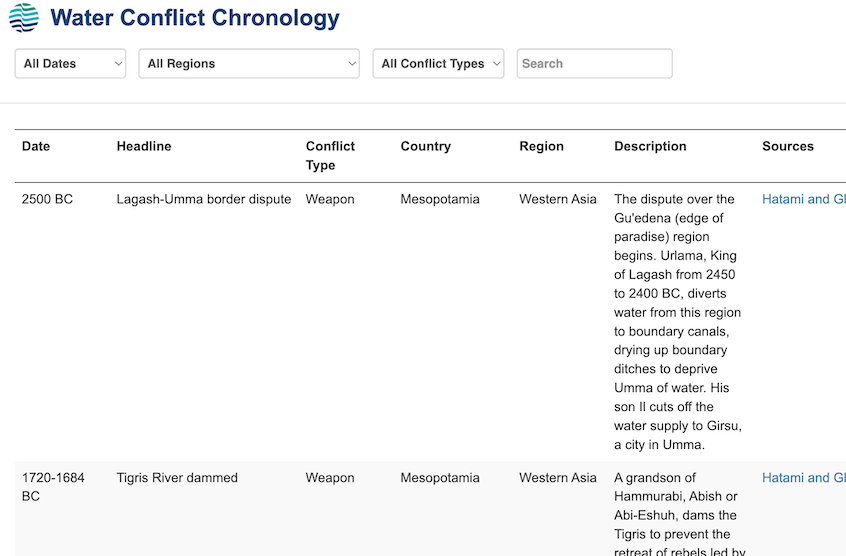
The Pacific Institute’s Water Conflict Chronology stands as a significant contribution to efforts aimed at addressing inequities in water resource management, keeping peace, and protecting critical infrastructure and resources during violent conflicts. . This widely respected resource traces the history of water as a trigger, a casualty, or a weapon of violent conflict. Since the 1980s, the Pacific Institute has been compiling and curating data on water conflicts, a testament to its commitment to this issue.
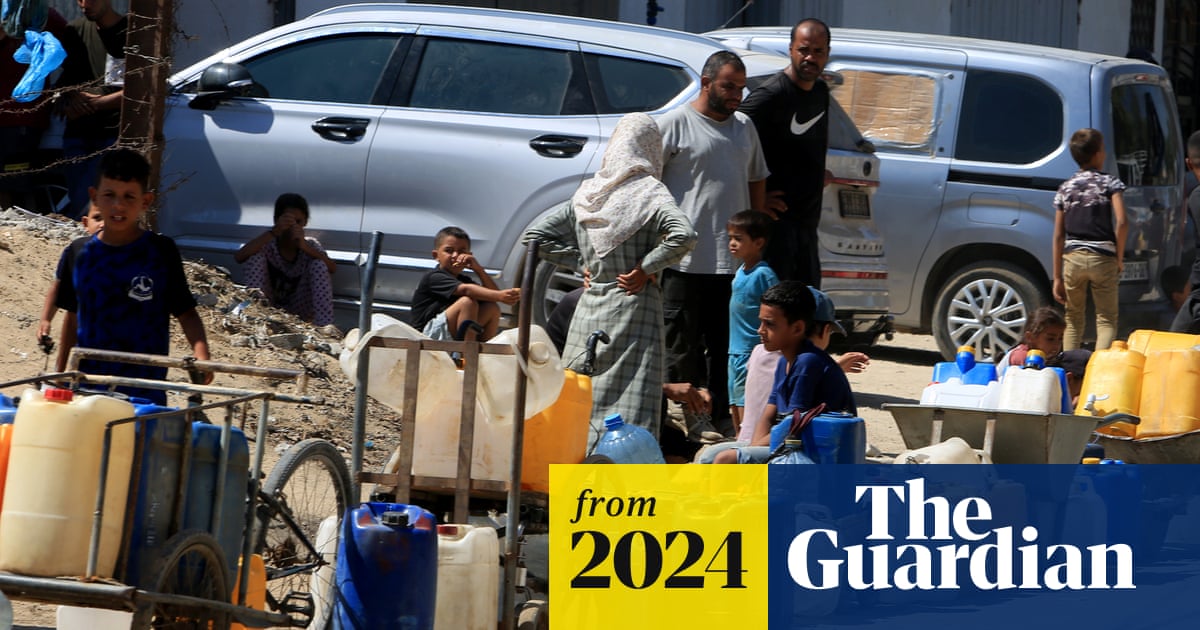
Global surge of water-related violence led by Israeli attacks on Palestinian supplies – report
A quarter of all incidents, such as destruction of dams, pipelines and treatment plants, seen in Gaza Strip and West Bank
The climate crisis: a war on the world
The climate crisis is a self-destructive war, with aggressors and victims

Global water crisis leaves half of world food production at risk in next 25 years
Landmark review says urgent action needed to conserve resources and save ecosystems that supply fresh water

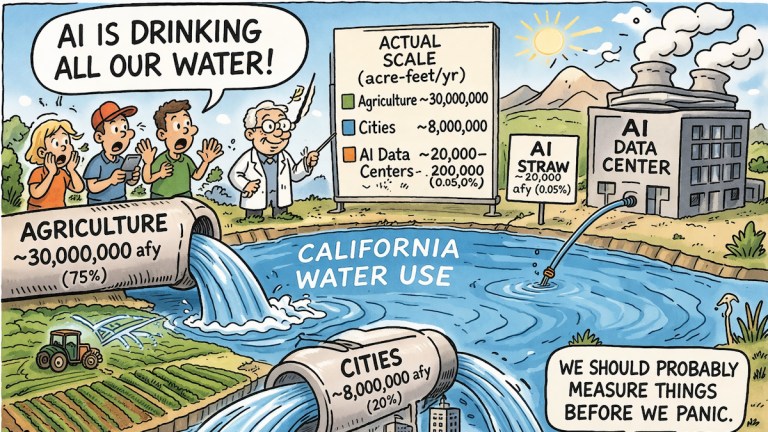
AI Water Use Distractions and Lessons for California • California WaterBlog
By Jay Lund . . . Artificial intelligence (AI) will affect many economic and natural resource sectors as these new technologies develop and mature. We are in the early years of this process. Like most new things, AI has become an object of small and great hopes and fears – from hopes for saving and
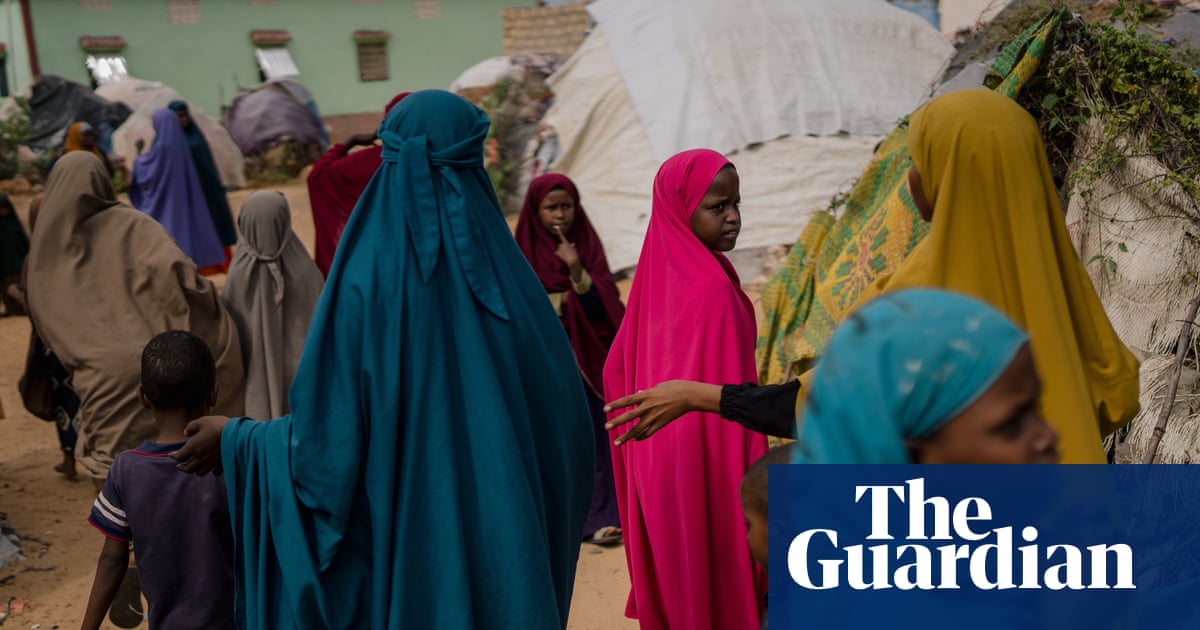
US forces accused of ‘weaponising’ Somalia’s floods by trapping women and children in the path of El Niño
Exclusive: Coordinated airstrikes on territory held by al-Shabaab are driving the civilian population to find refuge alongside a river where rising water levels are a threat to safety. Is it a deliberate military strategy?
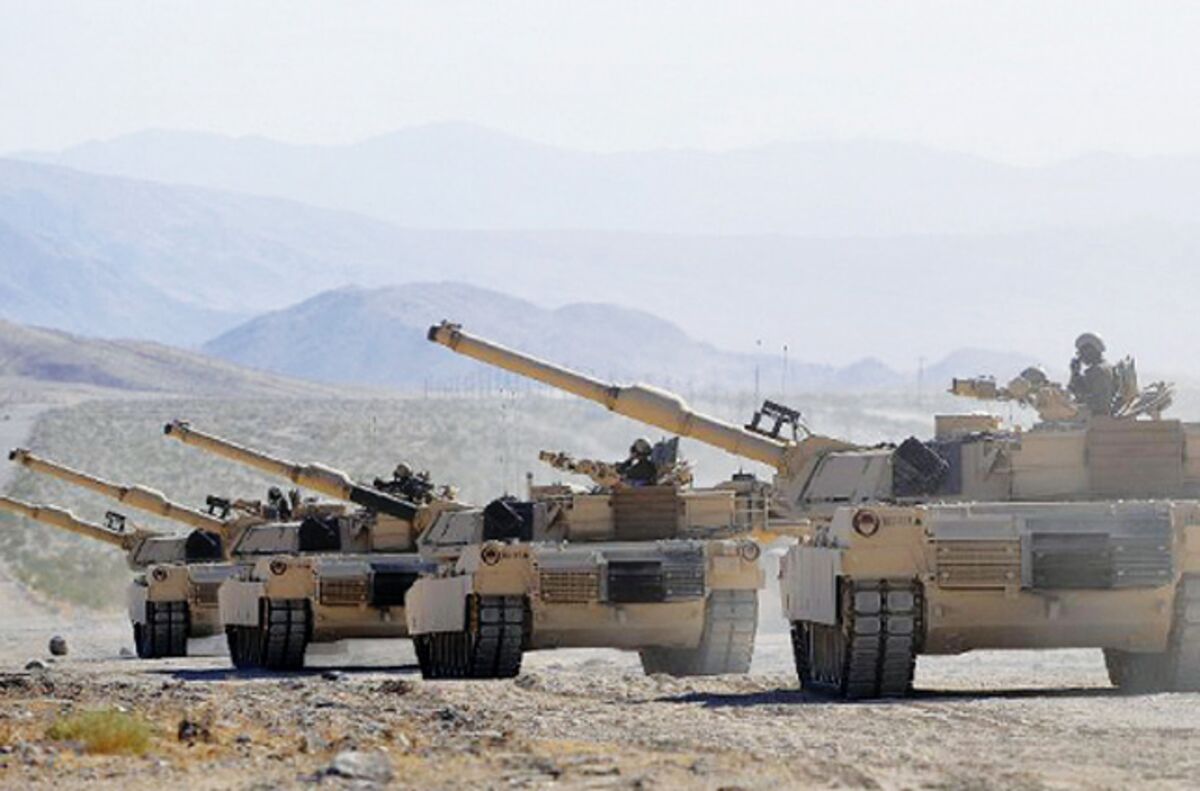
Climate Change and Hybrid Warfare Strategies
Concepts of hybrid warfare and climate security are contested on their own, and are rarely considered as connected in planning for future security risks. Yet climate change presents new hazards for national security, and opportunities for those looking to foment instability and uncertainty in traditional institutions. This article examines the connections between climate change risks and hybrid war strategies, and focuses on concepts of resilience targeting, information warfare, and geoengineering, illustrating that ‘full spectrum’ analyses of security are necessary in developing future security strategies.
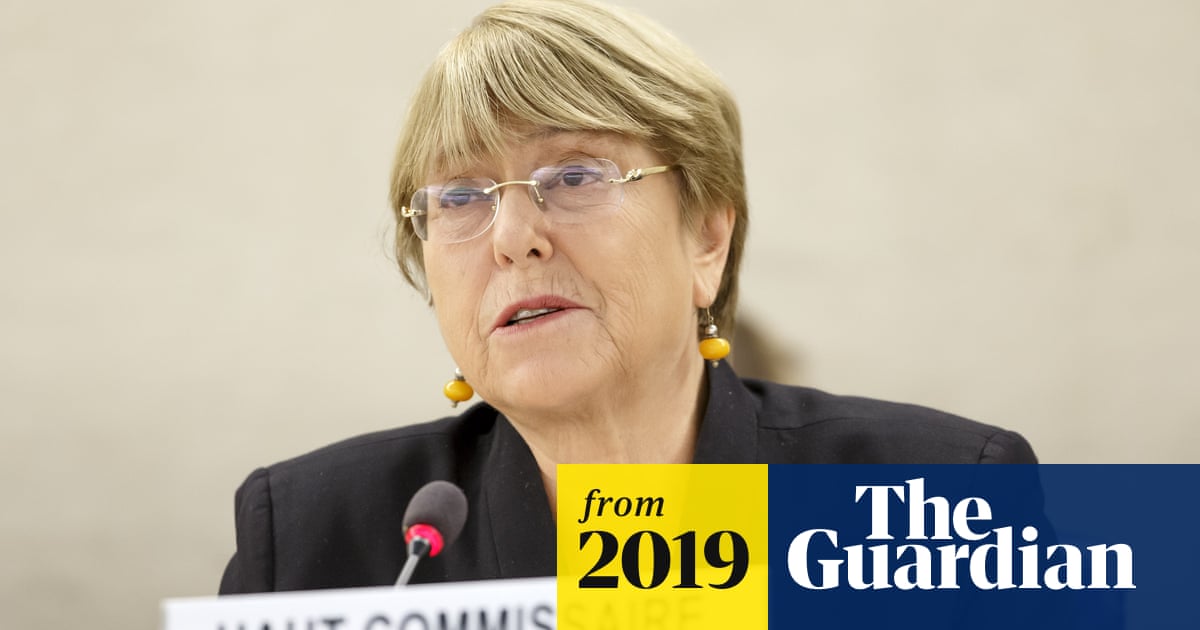
Climate crisis is greatest ever threat to human rights, UN warns
Rights chief Michelle Bachelet highlights climate’s role in civil wars, saying: ‘The world has never seen a threat to human rights of this scope’
Militaries and conflict: critical gaps in climate action - CEOBS
Analysing how governments address military emissions and conflict impacts in their UNFCCC Nationally Determined Contribution climate plans.
Global Water Supplies Threatened by Overmining of Aquifers: New Study — ProPublica
A new study finds that freshwater resources are rapidly disappearing, creating arid “mega” regions and causing sea levels to rise.

WFP cyber-attack: Is nearly all of Gaza’s population exposed?
Notes on how aid works: What WFP leaves out of data breach reports, the humanitarian reset’s neglected crises, and Palantir.

Pentagon Fears Confirmed: Climate Change Leads to War, Refugees
The most comprehensive study done to assess the link between climate change, war and migration has confirmed that the warming planet is fueling conflicts that lead to more refugees.
You’re Thinking About AI and Water All Wrong
Fears about AI data centers’ water use have exploded. Experts say the reality is far more complicated than people think.

Climate change and conflict: The vicious cycles undermining climate action, and what can be done to break them
Abstract In this review, we synthesize evidence to argue that climate change and conflict are mutually reinforcing. We first examine conflict as a barrier to mitigation, focusing on four faultlines that slow climate action: (a) ideological polarization, (b) “elite versus ordinary people” narratives, (c) intranational, place‐based conflicts, and (d) international disputes. The consequence of these conflicts is worsening climate change, which in turn increases the prevalence of factors known to be conflict amplifiers: heat stress, economic stress, widening inequality, and forced displacement. Our analysis points to the potential for recursive “climate–conflict loops”, fuelled in part by erosion of institutional trust, shrinking moral circles, political polarization, and de‐prioritization of long‐term climate goals. In a spirit of optimism, however, we identify three buffers capable of breaking these vicious cycles: maintenance of procedural and distributive justice, enhancing information integrity, and scaffolding institutional cooperation. We conclude by proposing a research agenda that integrates psychological mechanisms into dynamic, multi‐level accounts of how climate impacts and political conflict coevolve.

Treatment Processes Reported by US Public Water Systems (2004-2020)
This repository holds records on treatment processes and objectives reported by United States (US) public water systems from 2004-2020. These data were obtained via a Freedom of Information Act request made to the US Environmental Protection Agency in June 2020. Data were reported quarterly. Please refer to the associated publication (Liddie et al., 2026) for additional details on these data. Please cite both this repository and the publication if you use or refer to these data.
State of the Water Industry
What topics and trends are driving the water community forward? Read the AWWA State of the Water Industry Report for data-driven insights into key issues.