

NIST Special Publication 800-63 Digital Identity Guidelines
IIW – Internet Identity Workshop
The Internet Identity Workshop — where the identity community meets to discuss and advance digital identity.

Laws of Identity
When digital identity ceases to be a pain in the ass, we can thank Kim Cameron and his Seven Laws of Identity, which he wrote in 2004, formally published in early 2005, and gently explained and put…

Lessons from National Digital ID Systems for Privacy, Security, and Trust in the AI Age
CJ Larkin and Renée DiResta surface lessons from existing national ID schemes relevant to the evolution of digital identity in the age of AI.

What is Digital Identity?
Who you are is hardly defined by your drivers license or passport. And yet, this is often how we understand ourselves and others.

The Digital Identity Event Horizon
A five year investigation into digital identity and its central role in creating brittle societies.
A Landscape Survey of Private Digital Credentials
CJ Larkin and Renée DiResta examine digital ID endeavors to understand what drives adoption, what facilitates trust, and how privacy and security trade off.

The Mask-Off Moment for Digital Identity
Our 18-month investigation reveals how digital identity systems create brittle societies. This foreword traces eight case studies that demonstrate the catastrophic failures of digital identity across Estonia, the US, Israel, Ukraine, and beyond.
The Path to Self-Sovereign Identity
Today I head out to a month-long series of events associated with identity: I’m starting with the 22st (!) Internet Identity Workshop next week; then I’...

The Path to Self-Sovereign Identity
Today I head out to a month-long series of events associated with identity: I’m starting with the 22st (!) Internet Identity Workshop next week; then I’...
There’s Only One State That is Asking the Right Questions About Digital Identity | ACLU
A digital ID system involves value-laden choices that should be made through explicit political discussion and debate

No2DigitalID — Big Brother Watch
A national digital ID system is not inevitable. We can stop Britain sleepwalking into becoming a database state. Support our campaign to create a legal right to use non-digital ID!

European Age Verification Solution
The European Commission is developing a harmonized, EU-wide approach to age verification, accompanied by a comprehensive age verification blueprint that is intended to facilitate practical adoption across all Member States and can be customised to the national context. Built upon the robust European Digital Identity Wallet framework, this user-friendly and privacy-preserving age verification solution enables individuals to demonstrate their eligibility for age-restricted online services, such as those restricted to adults, without disclosing more personal information than absolutely necessary. By design, the solution addresses and supports compliance with Article 28 of the Digital Services Act, helping online service providers meet legal requirements for age checks while safeguarding user privacy.
Zero Knowledge Proofs Alone Are Not a Digital ID Solution to
In the past few years, governments across the world have rolled out digital identification options, and now there are efforts encouraging online companies to implement identity and age verification
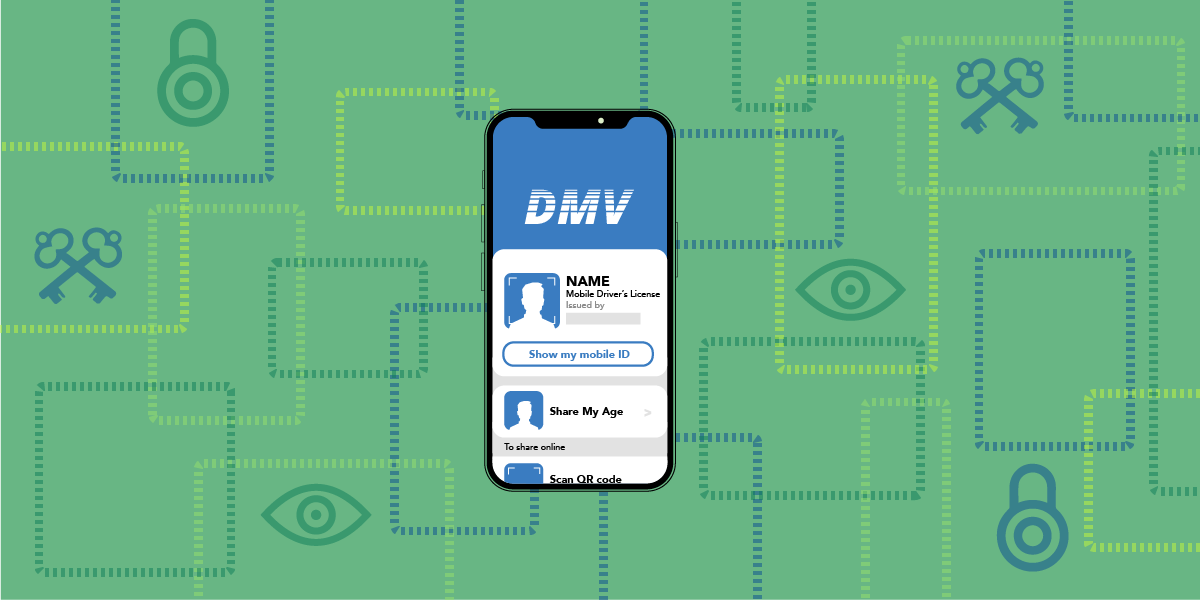
Age Verification in the Context of the EUDI Wallet: Balancing Privacy and Security
As digital identity solutions become increasingly prevalent, the necessity for robust age verification mechanisms has emerged as a critical concern for a range of services, from online transactions to access to age-restricted content. Current age verification methods often fall short of accommodating the diverse standards across jurisdictions, leading to vulnerabilities and inconsistencies in user experience. One of the main objectives of this study is to identify and analyze in a systematic way existing age verification methods and the main relevant international regulatory frameworks. The Age Verification Profile by the European Commission is including and exploring Zero-Knowledge Proof-based solutions for age verification, which are also considered in the EUDI Wallet Architecture and Reference Framework. This approach not only minimizes data privacy risks but also facilitates seamless digital interactions across the European Union. This paper primarily aims to explore the critical role of the European Digital Identity Wallet Architecture and Reference Framework in age verification and demonstrate that the EUDI Wallet seeks to enhance the security and efficiency of online transactions by introducing robust age verification mechanisms that effectively balance user privacy, security, and compliance with various regulatory requirements while preventing unauthorized access to services with age restrictions, which is in line with the broader objectives of the European Digital Identity initiative. Furthermore, we examine the European Union's age verification approach via the EUDI Wallet and the U.S. framework approach, conducting a comparative analysis between them that highlights key differences in architectural design and legal underpinnings and emphasizes their advantages.
IACIS 2026 - OpenConf Abstract Submission, Peer Review, and Event Management System
As lawmakers across the United States move to require age verification for access to adult content online, new questions are emerging about the unintended risks these laws create. While intended to protect minors, many of these policies rely on systems that collect and store overly sensitive personal information such as government-issued IDs or biometric data without adequate safeguards. This introduces serious cybersecurity vulnerabilities, privacy concerns, and potential legal liability for platforms and users alike. Some major platforms have already withdrawn from certain states rather than comply, raising questions about the real-world feasibility of these laws. This study examines the intersection of digital privacy, cybersecurity, and legal compliance in the context of mandatory age verification. It analyzes the risks posed by identity-based and biometric systems, the role of third-party vendors, and the inconsistencies in how states define and enforce these requirements. The paper evaluates several age verification models and concludes that attribute-based verification systems that confirm age eligibility without revealing full identities offers the most secure and privacy-conscious path forward. The findings underscore a critical need for better-designed legislation that balances child protection with digital rights and security. This research provides targeted recommendations for policymakers, platform operators, and cybersecurity professionals, urging a shift toward transparent, accountable, and technically sound solutions before flawed systems become entrenched.