


From too-big-to-fail financial firms to net neutrality to internet platforms and the water crisis in Flint, Michigan, we now face a variety of legal and public
The New Utilities: Private Power, Social Infrastructure, and the Revival of the Public Utility Concept
From the renewed controversies over financial regulation and the problem of too-big-to-fail (TBTF) financial firms, to the clash over the FCC’s ‘net neutrality’
Net neutrality
When there is a structural reason consumers don’t have freedom of choice, and the free market can’t work, consumers need minimal protection from the government so that they don’t get abused. We...
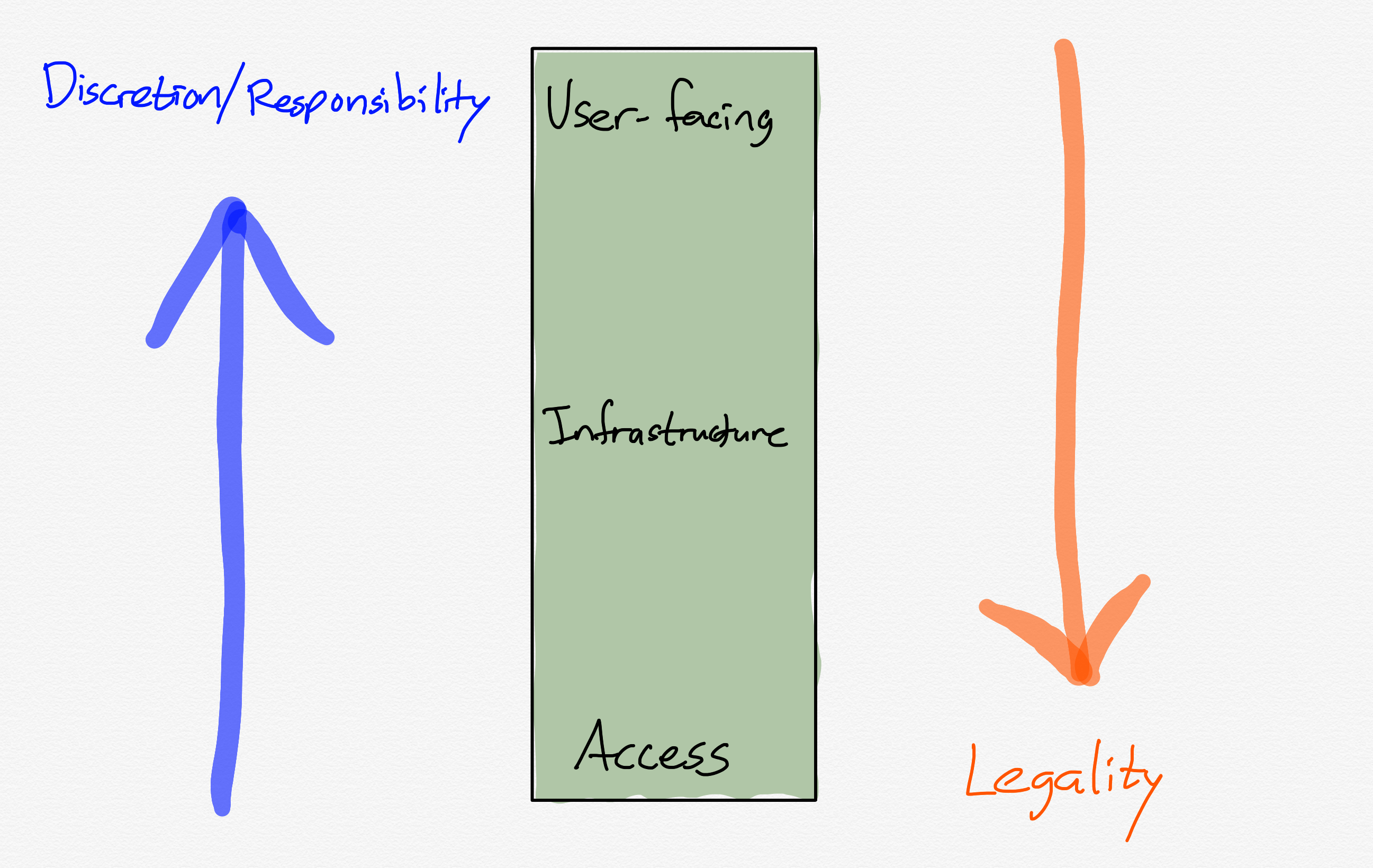
Moderation in Infrastructure
Infrastructure companies need a distinct approach to moderation that focuses on neutrality and due process.
How Big Tech Becomes Ungovernable
Big Tech companies like Google, SpaceX, and Meta aren't just monopolies—they're becoming ungovernable through tech extensivity. Why €4B in fines went uncollected.

How One 1990s Browser Decision Created Big Tech’s Data Monopolies (And How We Might Finally Fix It) - Above the Law
From the take-back-control dept

What happened to the fight for the Internet? -- Dustycloud Brainstorms
At the moment I am writing this, bad internet bills are being proposed across the US, Canada, Europe, and the UK. They're using the usual tactics: they claim they're fighting for kids or fighting security risks, but in general, that's what surveillance and censorship bills have always claimed.
Keep the Internet Open
The FCC has announced plans to roll back policies on net neutrality, and its new head has indicated he has no plan to stop soon. The internet is a public good, and I believe access should be a...
FCC plan would give Internet providers power to choose the sites customers see and use
The move would roll back the Obama-era rules on net neutrality, setting the stage for a vote next month that could reshape the entire digital ecosystem.

Why I’m Suing the US Government « bunnie's blog
Today I filed a lawsuit against the US government, challenging Section 1201 of the Digital Millennium Copyright Act. Section 1201 means that you can be sued or prosecuted for accessing, speaking about, and tinkering with digital media and technologies that you have paid for. This violates our First Amendment rights, and I am asking the court to order the federal government to stop enforcing Section 1201.
Is This the End of Open-Source? | Built In
Open-source licensure empowers governments and moneyed interests over devs. A reckoning might be on the horizon.

Eaten by the Internet
This book makes internet infrastructure visible as a force of political power, which is transforming the social world, from the bottom up—through fifteen chapters contributed by a global set of researchers, activists, and techies. We are living a unique moment: internet technologies are the default infrastructure for society, not just how we communicate but also how we organise our social life, politics, and economy, all the way down to our material environments, like cities. Our world is eaten by the internet. This means that those who control the internet control the bounds of public speech, economic production, social cohesion, and politics, making its infrastructure a core political terrain in the networked age. The book’s chapters cover a wide set of topics, spanning from the global politics of content moderation by internet infrastructure to the colonialism inherent in the race to plug the moon, from the harms wrought by blockchain companies in rural America to the particularities of online censorship across Asia. The chapters take on thorny topics, discussing power consolidation in the advertisement and cloud industry, the role of internet infrastructure in the war in Ukraine, and tech’s environmental impact—amongst others. In doing so, this book roots contemporary technology debates in the politics of internet infrastructure and urges us to ask how can we ensure our infrastructures sustain us, rather than consume us?
Is this a viable theory of change that points to an actual coherent vision for the future of a safe internet? There’s a lot of poor theories of change in current legislation on both sides of the aisle. Who is championing public utility moderation as an alternative to panopticon age gating?

Alana Purdy’s Husband ⁂
More and more I think moderation as a whole should be publicly funded. Lots of institutions providing lots of diverse moderation services would unlock product creators and communities to thrive safely.
'Safety as Public Infrastructure? The Future of Moderation in the Open Social Web' Talk by Saskia Welch, Aditya Singh and Sebastian Vogelsang More info: ctalx.c-base.org/fediday-2026/talk/MGDNUN/ Click your tickets here: berlinfedi.day ⁂ […] berlin.social/@berlinfediday/11724669250279…
When (not if) the Tech Monopolies come for the Atmosphere, can we create the institutional structures to protect what we have? Right now we're nowhere near ready. No company harmed the web more than Google, not even close, while claiming to help which many believed. What can we learn and how fast?

kottke.org
“The Metric Is Not the Mission is a ten-part examination of how Big Tech moved from building and expanding the open internet to increasingly shaping it around its own metrics, incentives and assumptions.” techdirt.com/2026/09/21/the-metric-is-not-…
Taking this a step farther, what if we popularize the idea of Account Service Providers (ASP) and advocating for laws where: - accounts on the internet are separate from apps/platforms - ASPs follow net neutrality - ASPs must interop so accounts freely move between them (like phone numbers)

Robin Berjon
One thing I've been toying with, instead of talking about "PDS" and cryptic nonsense like that is: Atmosphere Service Provider, like an ISP but for the social internet. Part of the motivation is that "Sign in with Atmosphere" only works if people have seen that before.
Fighting Bad Internet Bills (US-centric for now)

News, analysis, discussion, and actions about KOSA, the KIDS Act, age verification bills, and other bills that would surveil and censor the internet.
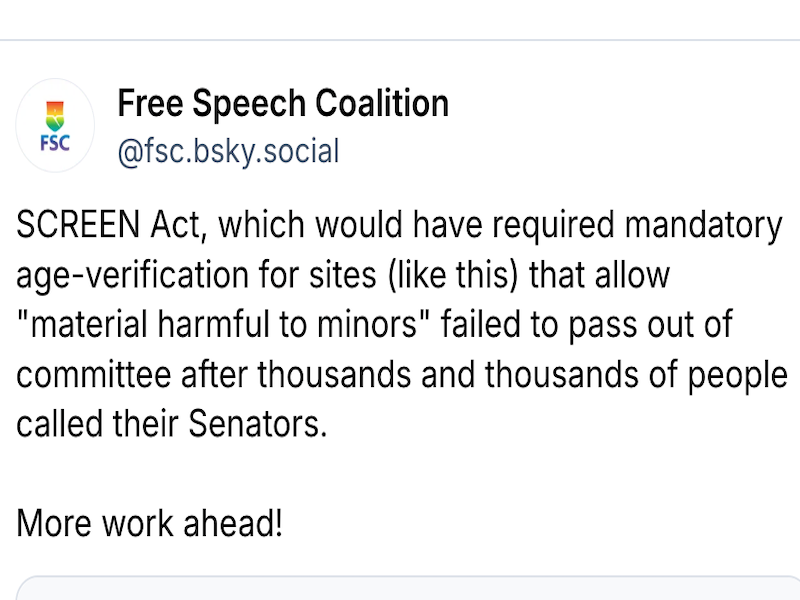
Activism makes a difference: the SCREEN Act unexpectedly fails in committee! But KOSA advances, so keep up the pressure
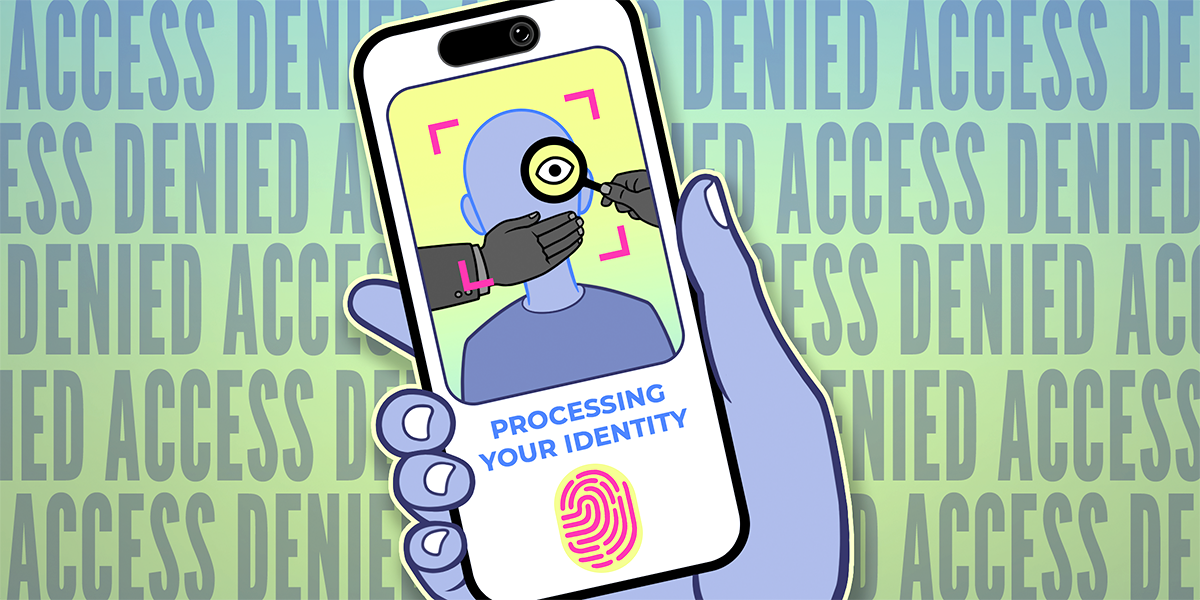
Congress Wants To Hand Your Parenting to Big Tech
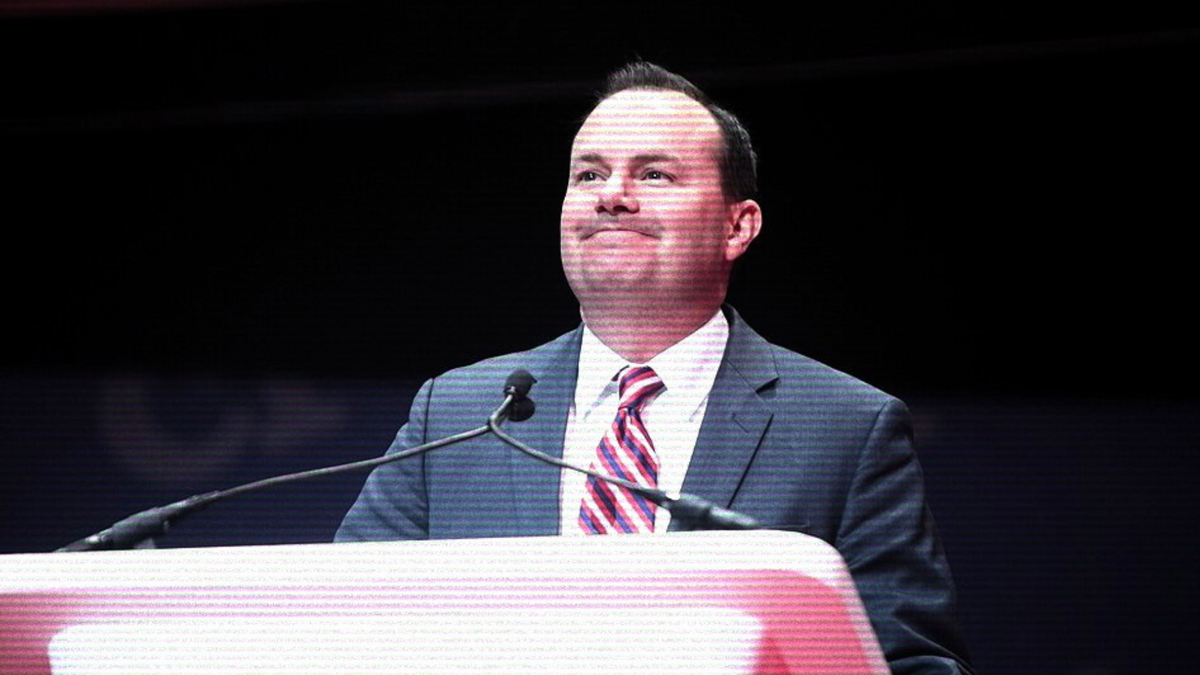
Should Have Known Is the Wrong Standard for Kids’ Safety Laws
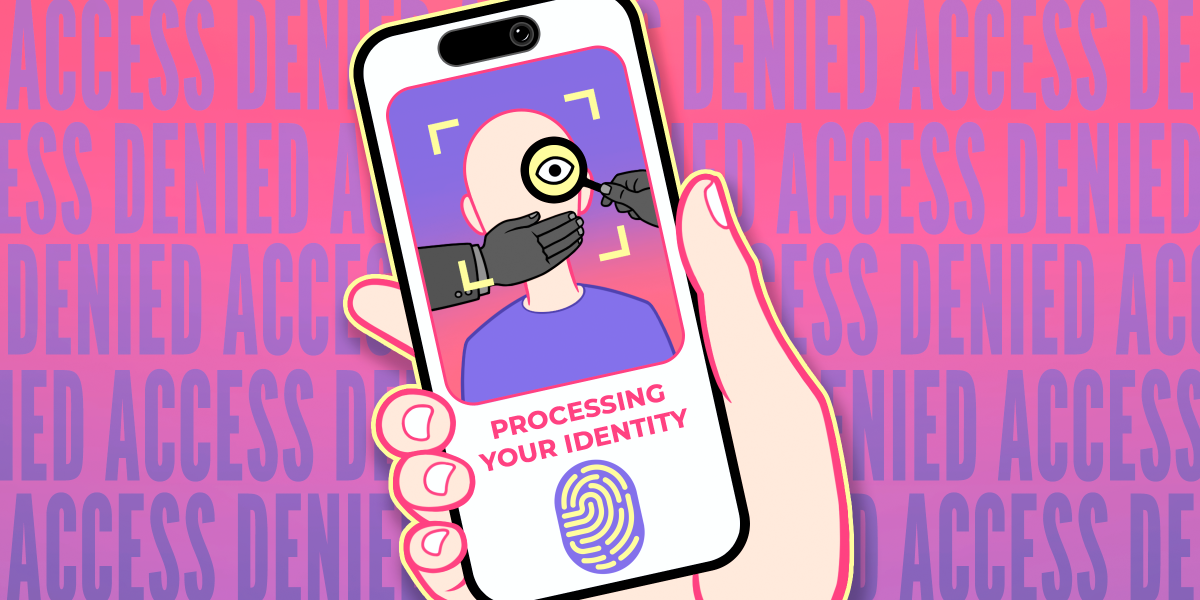
The SCREEN Act is a Christian Nationalist Nightmare
The Senate Should Reject KOSA's Privacy Risks
"The S is for surveillance": fighting KOSA and bad internet bills in the ATmosphere and the fediverses

