


Plus, how active listening creates stronger bonds (not unsolicited advice).
Use This 8-Word Phrase To Build Trust in Conversations
Plus, how active listening creates stronger bonds (not unsolicited advice).
The Evolution of Trust
an interactive guide to the game theory of why & how we trust each other
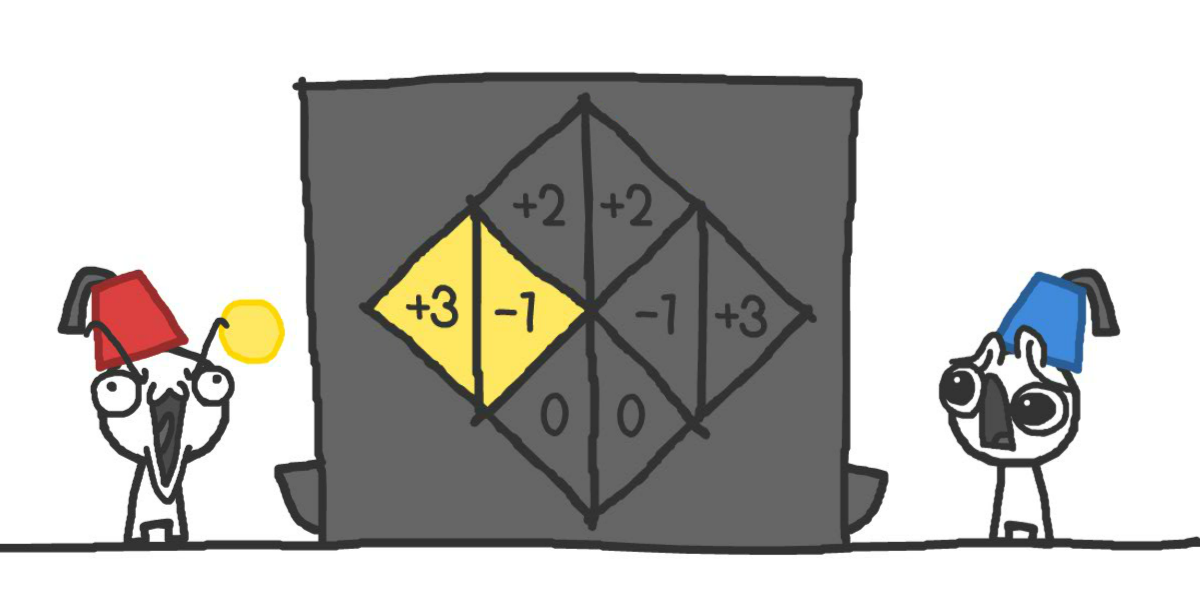
aturon.log: listening and trust, part 2
In the previous post in this series, I recounted an early lesson for the Rust Core Team about working in the open. In this post, I want to talk about the delicate interplay between listening and trust when doing design in the open.
Why Should I Trust You?
News Commentary Podcast · Updated Weekly · Bold, unfiltered, and uncompromisingly honest, Why Should I Trust You? is a weekly podcast that looks at the breakdown in trust for science and public health. It drops every Thursday, with occasional…

How not to build trust - Mathew's newsletter
Last Friday I welcomed two "steps in the right direction" from W Social. But timing is everything.
How not to build trust - Mathew's newsletter
Last Friday I welcomed two "steps in the right direction" from W Social. But timing is everything.
On Trust Infrastructure Trust underpins civilisation. It expands the scope and complexity of the pursuits within our collective reach by allowing us to act as a…
Who Can You Trust?
Reprint: R1403K Success in business unquestionably requires some willingness to cooperate through having faith in others. The question is how much faith and in whom? Decades of scientific research show that people’s accuracy in deciding if another can be trusted tends to be only slightly better than chance. But this isn’t because trustworthiness is completely unpredictable. It’s because the guidelines most of us use to make these predictions are flawed. We place too much emphasis on reputation and perceived confidence, ignoring the fact that human behavior is always sensitive to context and can often be better assessed by our own intuition. So when your company’s money and resources are on the line, how can you do a better job of gauging trustworthiness and thereby improve your likelihood of success? This article draws on emerging research to show how trustworthiness works and offers four points to keep in mind the next time you’re deciding whether or not to do business with a new partner: Integrity can vary, power does corrupt, confidence often masks incompetence, and it’s OK to trust your gut.
Epistemic Vigilance
Humans massively depend on communication with others, but this leaves them open to the risk of being accidentally or intentionally misinformed. To ensure that, despite this risk, communication remain...

The Power of Asynchronous Communication
Asynchronous communication allows us to maintain the essential bonds of friendship and dialog with the people that matter to us.

Rethinking Trust
Reprint: R0906H Will we ever learn? We’d barely recovered from Enron and WorldCom before we faced the subprime mortgage meltdown and more scandals that shook our trust in businesspeople. Which raises the question: Do we trust too much? In this article, Stanford professor and social psychologist Kramer explores the reasons we trust so easily—and, often, so unwisely. He explains that genetics and childhood learning make us predisposed to trust and that it’s been a good survival mechanism. That said, our willingness to trust makes us vulnerable. Our sense of trust kicks in on remarkably simple cues, such as when people look like us or are part of our social group. We also rely on third parties to verify the character of others, sometimes to our detriment (as the victims of Bernard Madoff learned). Add in our illusions of invulnerability and our tendencies to see what we want to see and to overestimate our own judgment, and the bottom line is that we’re often easily fooled. We need to develop tempered trust. For those who trust too much, that means reading cues better; for the distrustful, it means developing more receptive behaviors. Everyone should start with small acts of trust that encourage reciprocity and build up. Having a hedge against potential abuses also helps. Hollywood scriptwriters, for instance, register their treatments with the Writers Guild of America to prevent their ideas from being stolen by the executives they pitch. To attract the right relationships, people must strongly signal their own honesty, proactively allay concerns, and, if their trust is abused, retaliate. Trusting individuals in certain roles, which essentially means trusting the system that selects and trains them, also works but isn’t foolproof. And don’t count on due diligence alone for protection; constant vigilance is needed to make sure the landscape hasn’t changed.
How to Deliver Constructive Feedback in Difficult Situations
Thoughtful, empathetic language can make or break your business relationships
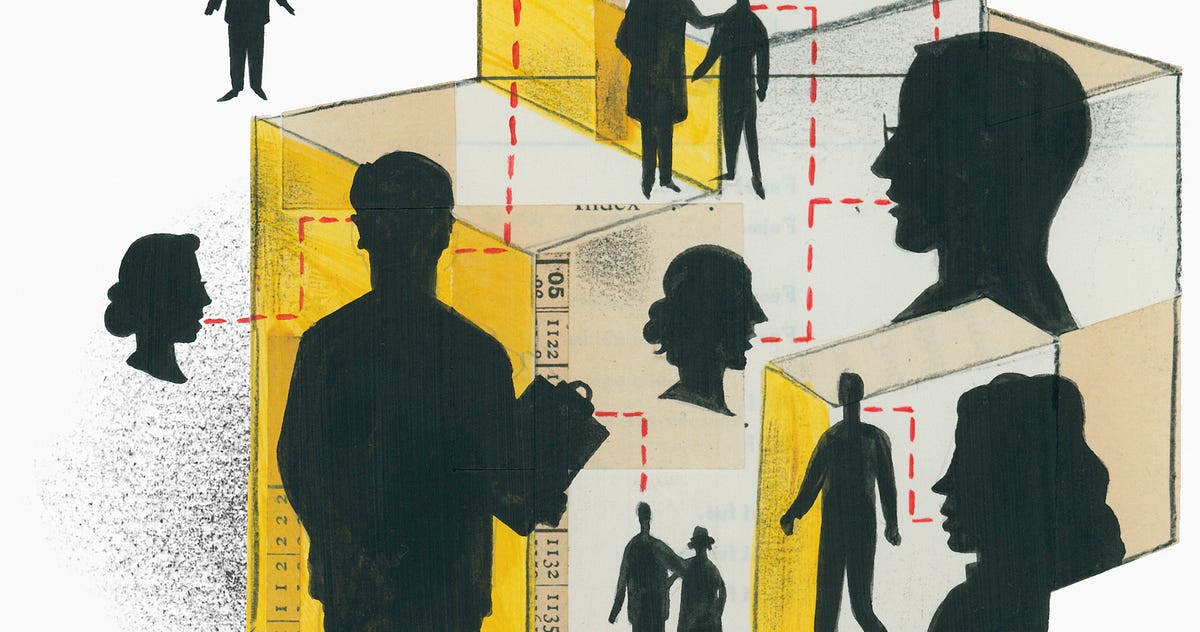
Inverting the physics of trust
Common Fabric is a social computing lab building a medium for software that revolves around people, not apps.

Guest Post — Restoring Trust in Science: What Would Make a Difference? - The Scholarly Kitchen
Today's guest post asserts that trust won’t be restored by "better messaging" alone, but via better incentives, more disciplined public communication, and really listening to the people who have walked away from us.
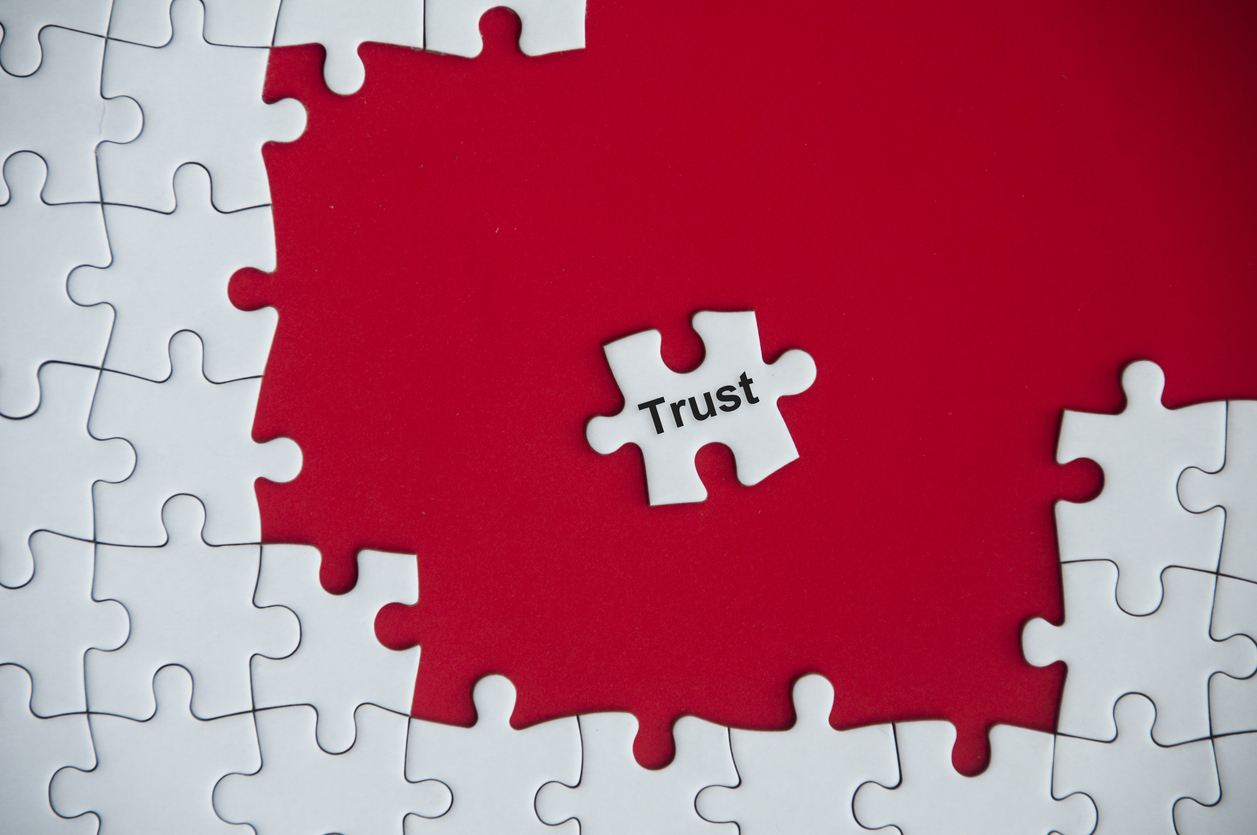
White Paper — the FIRST PERSON NETWORK
Part Seven: The four trust network effects in a two-sided market for trust.
Capturing our Attention by @neillevy.bsky.social "we possess sophisticated capacities of epistemic vigilance, which work reasonably well to distinguish reliable from unreliable information, but ... we do not have parallel defences against attentional capture" > tandfonline.com/doi/full/10.1080/00048402.202…
