


Labrador tea is the name given to three closely related Rhododendron species. These plants were traditionally used for many medicines as well as Labrador tea, most commonly made from
Coffee linked to lower risk of death

Rare Tea Cellar
Rare Tea Cellar specializes in the finest and rarest teas and ingredients available on planet earth. For over 15 years we have supplied top chefs, hotels, restaurants and mixologists with unique ingredients.

Inverse association between coffee drinking and serum uric acid concentrations in middle-aged Japanese males
Consumption of caffeine-rich beverages, which have diuretic properties, may decrease serum uric acid concentrations. We examined cross-sectionally the relationship of coffee and green tea consumption to serum uric acid concentrations in 2240 male self-defence officials who received a pre-retirement health examination at four hospitals of the Self-Defence Forces between 1993 and 1994. The mean levels of coffee and green tea consumption were 2·3 and 3·1 cups/d respectively. There was a clear inverse relationship between coffee consumption and serum uric acid concentration. When adjusted for hospital only, those consuming less than one cup of coffee daily had a mean serum uric acid concentration of 60 mg/l, while that of those drinking five or more cups of coffee daily was 56 mg/l (P < 0·0001). No such relationship was observed for green tea, another major dietary source of caffeine in Japan. The relationship between coffee consumption and serum uric acid concentration was independent of age, rank in the Self-Defence Forces, BMI, systolic blood pressure, serum creatinine, serum total cholesterol and serum HDL-cholesterol concentrations, smoking status, alcohol use, beer consumption and intake of dairy products. These findings suggest that coffee drinking may be associated with lower concentrations of serum uric acid, and further studies are needed to confirm the association.

Coffee consumption and risk of incident gout in women: the Nurses’ Health Study123
Background: Coffee is one of the most widely consumed beverages in the world and may affect the risk of gout via various mechanisms, but prospective data on the relation between coffee intake and the risk of incident gout are limited. Design: Over a 26-y period, we prospectively examined the relation between coffee intake and risk of incident gout in 89,433 female participants in the Nurses’ Health Study. We assessed the consumption of coffee, decaffeinated coffee, tea, and total caffeine in participants every 2–4 y through validated questionnaires. We used a supplementary questionnaire to ascertain whether participants met the survey criteria of the American College of Rheumatology for gout. Results: During the 26 y of follow-up, we documented 896 confirmed incident cases of gout. There was an inverse association between higher coffee intake and the risk of gout. The multivariate relative risks (RRs) for incident gout according to coffee-consumption categories [ie, 0, 1–237, 238–947, and ≥948 mL coffee/d (237 mL = one 8-ounce cup)] were 1.00, 0.97, 0.78 (95% CI: 0.64, 0.95), and 0.43 (95% CI: 0.30, 0.61; P for trend < 0.0001), respectively. For decaffeinated coffee, the multivariate RRs according to consumption categories (0, 1–237, and ≥237 mL decaffeinated coffee/d) were 1.00, 1.02, and 0.77 (95% CI: 0.63, 0.95; P for trend = 0.02), respectively. There was an inverse association between total caffeine from all sources and the risk of gout; the multivariate RR of the highest quintile compared with the lowest quintile was 0.52 (95% CI: 0.41, 0.68; P for trend
Biophoton emission promotes the modern scientific utilization of medicinal plants: from theoretical integration to research applications
Medicinal plants constitute the primary pharmacological source of Chinese medicine and their scientific interpretation is crucial for quality standardization and clinical guidance. Paradoxically, the contemporary evaluation model primarily adopts ...

I just stumbled over this masterpiece...
8.2K votes, 118 comments. 1.1M subscribers in the tea community. Tea! This subreddit is for discussion of beverages made from soaking camellia…
Taming THC: potential cannabis synergy and phytocannabinoid-terpenoid entourage effects
Tetrahydrocannabinol (THC) has been the primary focus of cannabis research since 1964, when Raphael Mechoulam isolated and synthesized it. More recently, the synergistic contributions of cannabidiol to cannabis pharmacology and analgesia have been scientifically demonstrated. Other phytocannabinoids, including tetrahydrocannabivarin, cannabigerol and cannabichromene, exert additional effects of therapeutic interest. Innovative conventional plant breeding has yielded cannabis chemotypes expressing high titres of each component for future study. This review will explore another echelon of phytotherapeutic agents, the cannabis terpenoids: limonene, myrcene, α-pinene, linalool, β-caryophyllene, caryophyllene oxide, nerolidol and phytol. Terpenoids share a precursor with phytocannabinoids, and are all flavour and fragrance components common to human diets that have been designated Generally Recognized as Safe by the US Food and Drug Administration and other regulatory agencies. Terpenoids are quite potent, and affect animal and even human behaviour when inhaled from ambient air at serum levels in the single digits ng·mL−1. They display unique therapeutic effects that may contribute meaningfully to the entourage effects of cannabis-based medicinal extracts. Particular focus will be placed on phytocannabinoid-terpenoid interactions that could produce synergy with respect to treatment of pain, inflammation, depression, anxiety, addiction, epilepsy, cancer, fungal and bacterial infections (including methicillin-resistant Staphylococcus aureus). Scientific evidence is presented for non-cannabinoid plant components as putative antidotes to intoxicating effects of THC that could increase its therapeutic index. Methods for investigating entourage effects in future experiments will be proposed. Phytocannabinoid-terpenoid synergy, if proven, increases the likelihood that an extensive pipeline of new therapeutic products is possible from this venerable plant.
Tiesta Tea | Loose Leaf Tea | Cold Brew Tea | Teaware
Buy the most flavorful loose leaf tea blends in the world! Shop for black tea, green tea, herbal tea, rooibos tea, gifts and more. Find us at your local grocery store!

Volition Tea | Single-Origin Loose Leaf Teas
Discover single-origin loose leaf teas from farmers who strive for holistic sustainability.

Beneficial Plant Research Association
Medicinal, useful, and nutritious plants hold the potential to restore both human health and ecological balance.

Coffee, tea, and caffeine consumption and serum uric acid level: The third national health and nutrition examination survey
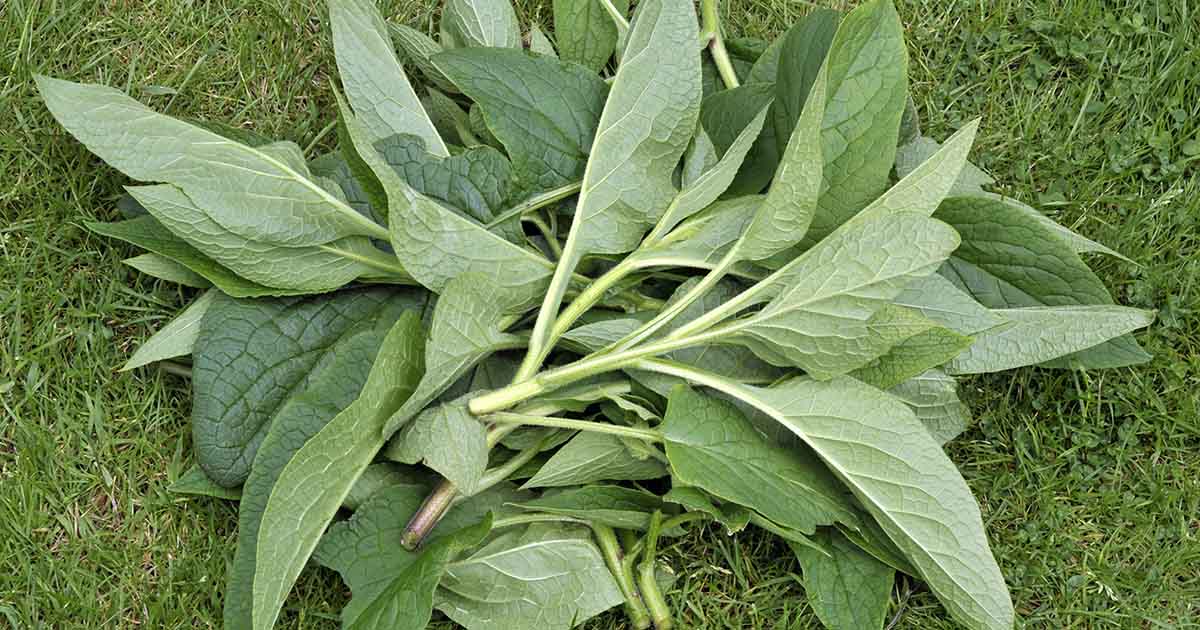
How to Make and Use Comfrey Tea Fertilizer | Gardener’s Path
Learn to make your own comfrey tea fertilizer, an organic, easy, and free way to feed your plants and recycle nutrients back into the soil. Read more now.
Kilogram Tea
Kilogram is an American tea company sourcing fresh, and compelling teas that reflect peaks in season, land and process.
Coffee Drinkers Are More Likely To Live Longer. Decaf May Do The Trick, Too
The latest study to link coffee and longevity adds to a growing body of evidence that, far from a vice, the brew can be protective of good health.

Organic Medicinal Herb Seeds & Plants | Strictly Medicinal Seeds
Organic medicinal herb seeds, live roots and plants, grown on our farm in Williams, Oregon, and shipped across the US. Rare and common varieties.

Cytochrome P450 Enzyme Inhibition and Herb-Drug Interaction Potential of Medicinal Plant Extracts Used for Management of Diabetes in Nigeria
The use of herbal medicines is common in Africa, and patients often use a combination of herbs and drugs. Concurrent herbal and pharmaceuticals treatments can cause adverse effects through herb-drug interactions (HDI). This study evaluated the potential risk of HDI for five medicinal plants, Vernonia amygdalina, Ocimum gratissimum, Moringa oleifera, Azadirachta indica, and Picralima nitida, using in vitro assays. Patients with diabetes and some other disease conditions commonly use these medicinal plants in Nigeria, and little is known regarding their potential for drug interaction, despite their enormous use.
