

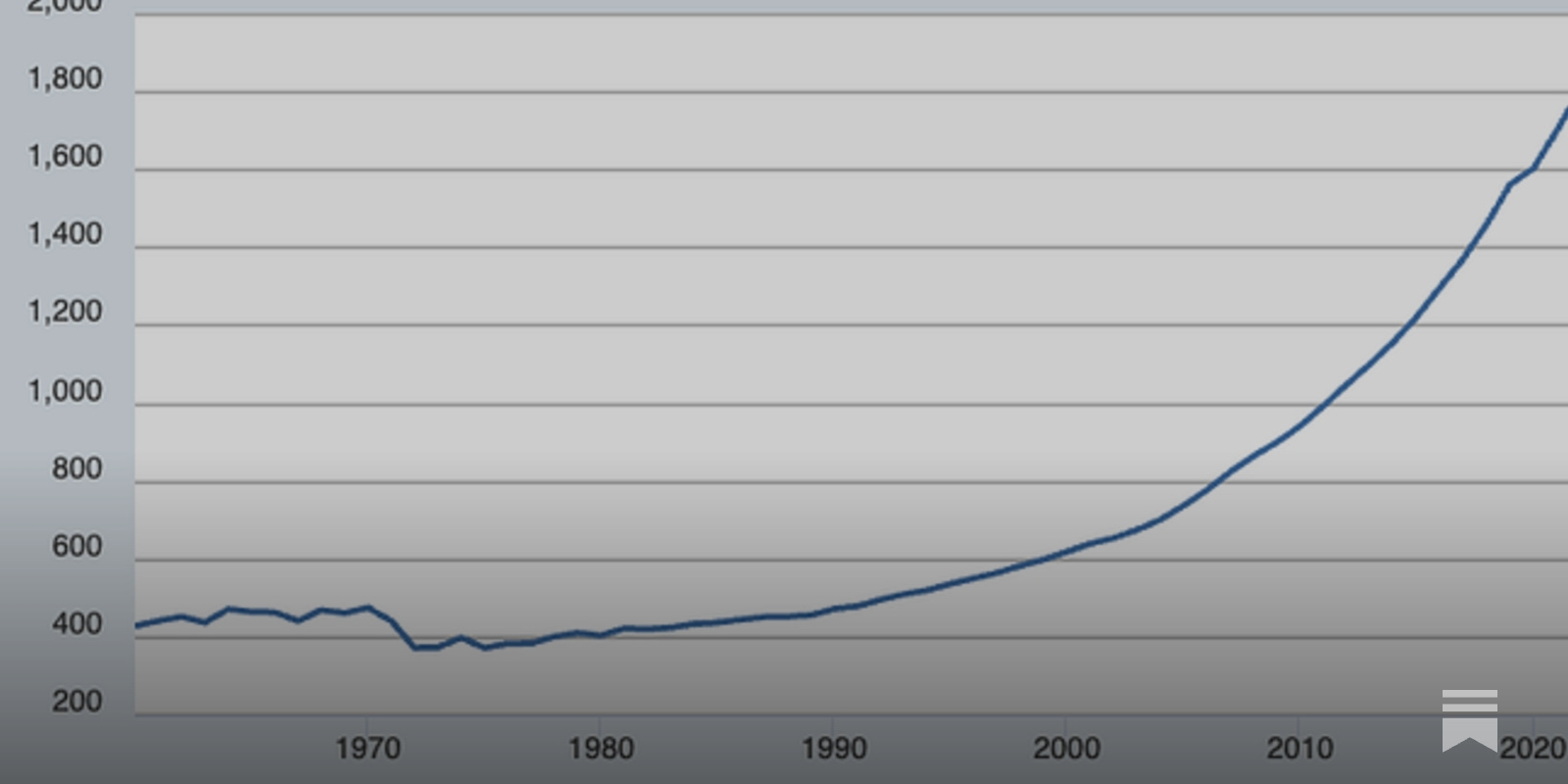
Why you should care about Bangladesh
Why rohingya refugees prefer Bangladesh
18 votes, 30 comments. Few days ago I learned that india has an open border with Mayanmar. So any refugees can simply move to india. Why do they…
Cash Crops of Bangladesh - LightCastle Partners
Investments in manufacturing and service sectors have rapidly increased, however, agricultural cash crops of Bangladesh remain vital.
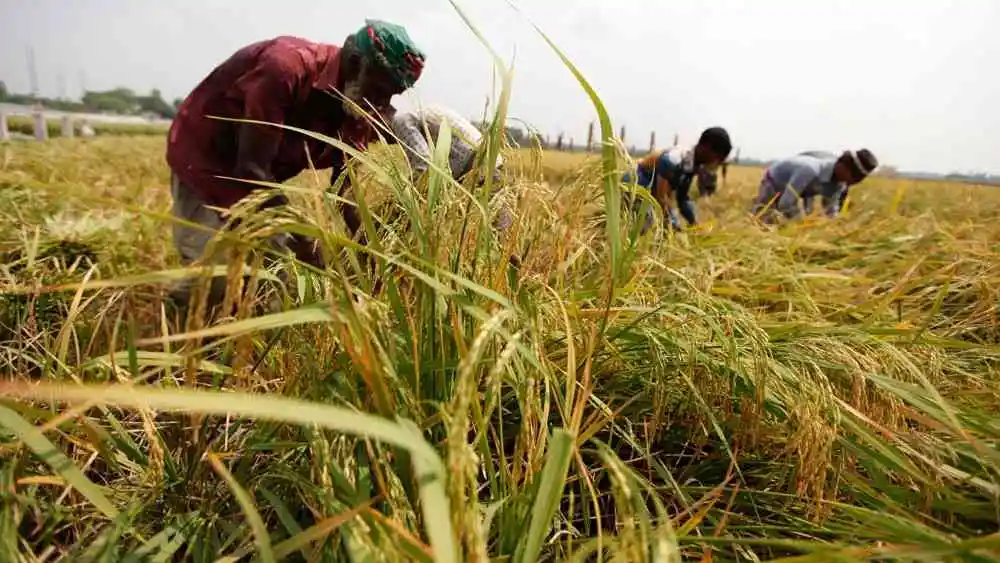
Tea production in Bangladesh
Bangladesh is an important tea-producing country. It is the 9th largest tea producer in the world, producing a total of 97.08 million kgs in 2019. Its tea industry dates back to British rule, when the East India Company initiated the tea trade in the hills of the Sylhet region. In addition to that, tea cultivation was introduced to Greater Chittagong in 1840. Today, the country has 166 commercial tea estates, including many of the world's largest working plantations. The industry accounts for 3% of global tea production, and employs more than 4 million people.

Colonial scars still shape Bangladesh tea workers’ struggle for rights
Bangladesh tea workers renew wage, union and land demands amid colonial-era labour legacies.
Islamization of Bangladesh’s Electoral Politics and its Anti-trans Implications - শুদ্ধস্বর
As the aspirations behind Bangladesh’s July uprising failed to materialize, Trans Bangladeshi citizens must rely on coalition-building efforts to make their voices heard.

Beyond GDP: Measuring and Valuing What Really Matters
Rethinking the UN’s “beyond GDP” agenda and the case for putting wealth at the centre
Why social theories become ‘scripture’ for Bangladesh’s self-styled Left
There is a ‘curious intellectual confidence’ among Bangladesh’s self-styled leftists. They have the confidence of someone who has read three-quarters of a Europ

Labor-Value Commodity Chains: The Hidden Abode of Global Production - Monthly Review
Intan Suwandi is a frequent contributor to Monthly Review. This article is adapted from her book, Value Chains: The New Economic Imperialism, winner of the 2018 Paul M. Sweezy-Paul A.... READ MORE

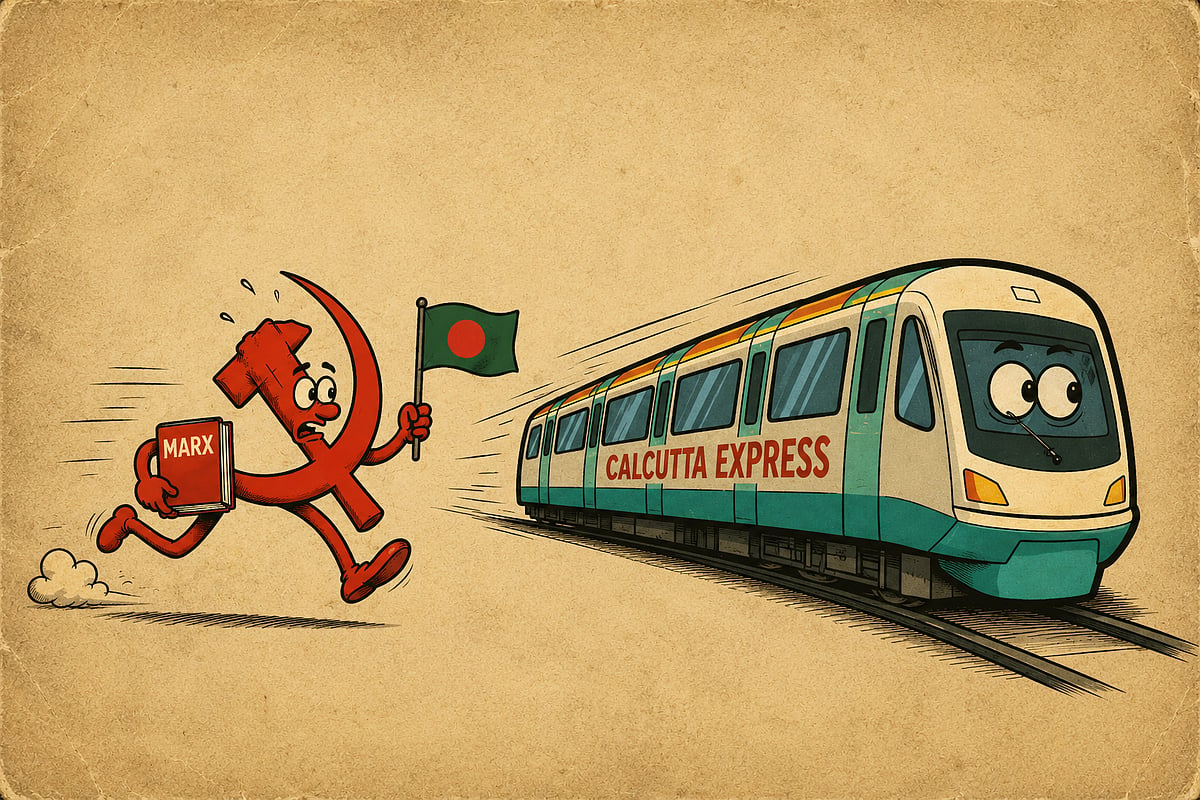
Bangladesh’s Left is still waiting for the Calcutta train
There was a time when a Bangladeshi teen could read Kalbela and emerge from his bedroom vaguely disappointed that nobody had yet invited him to overthrow the st
013 - Olivier De Schutter on Why the Economy Creates Poverty – and How To Fix It
Bangladeshi Queer Manifesto A Manifesto On Queer Vigilantism by Sahara Chowdhury Rabil
The author analyses how queerphobia works as a mechanism of sexual exploitation.

Trump’s tariffs: Disregarding lessons from history and scenarios and probable outcomes
History is full of evidence that tariffs harm economic performance. This column assesses the two waves of globalisation in modern history and how they were interrupted by barriers to trade. The first wave started in the mid-19th century and lasted until WWI, while the second wave started after WWII and lasted until the Global Crisis of 2008-09. The most likely scenario going forward will feature tariffs around 12-14% on average, a mild recession, and a small hit to US longer-run potential. However, achieving diplomatic normalcy may take years of good US behaviour, and it is unlikely during the Trump administration.
Valuing What Counts: Framework to Progress Beyond Gross Domestic Product: Our Common Agenda Policy Brief 4
Money & Macro
Structural adjustment: damages, reparations and pathways to non-recurrence
Beginning in the 1980s and 1990s, the International Monetary Fund (IMF) and the World Bank implemented neoliberal structural adjustment programmes (SAPs) across most countries in Asia, Africa and Latin America. SAPs imposed austerity, privatisation and economic deregulation and have been associated with severe negative impacts on human welfare, including (a) declining real wages and working-class consumption, (b) increased rates of poverty and basic-needs deprivation, (c) increased neonatal and maternal mortality and (d) reduced health system access. Structural adjustment also created conditions for increased financial outflows and drain from the global South through unequal exchange. This paper reviews evidence of these damages and proposes possible options for reparations and distributive justice. We argue that the IMF and the World Bank should be democratised and restructured—or otherwise replaced by alternative institutions—to prevent further harm.
Should Indian HM, Amit Shah be immediately sacked for failing to seal Bangladesh border though in power for over a full decade through smart fencing and vigilance of intelligence agencies on BSF, and increasing their numbers to check Rohingya and Bangladeshi infiltrators?
37 votes, 56 comments. Assam & most of North-East have NDA Govts and though West Bengal has opposition Didi, HM could have enacted AFSPA, Art. 356 or…