

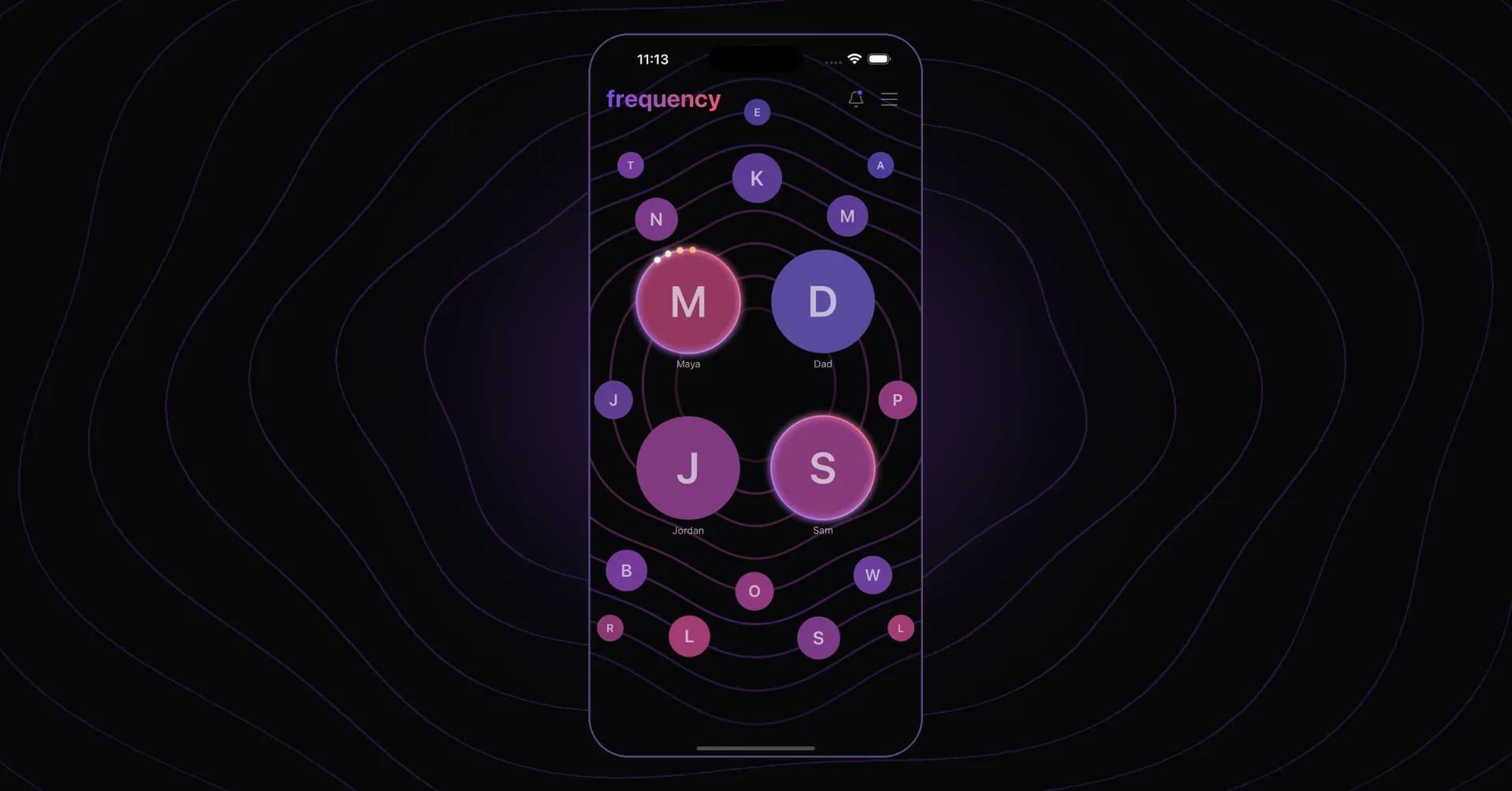
How to move from addictive design to connective design
Prosocial Design Network
The Prosocial Design Network advocates for prosocial design: evidence-based design practices that bring out the best in human nature online.
.png)
Making the Case for Actionable Prosocial Design Research
Regulating harmful design is only half the equation — attention must also go toward how platforms can build prosocial design, and toward the research that shows them how.
Quality Scores – Prosocial Design Network
Increase engagement with high quality content
Designs for the pluriverse: radical interdependence, autonomy, and the making of worlds
"Arturo Escobar presents a new vision of design theory by arguing for the creation of what he calls 'autonomous design'--a design practice aimed at channeling design's world-making capacity toward ways of being and doing that are deeply attuned to justice and the Earth"--Publisher description

COMMUNITY-BASED, HUMAN-CENTERED DESIGN
We propose a radical change in design from experts designing for people to people designing for themselves, leveraging the creativity of communities to solve their own problems. People in communiti…

Design Must Learn to Decompose
A meditation on the quiet death of digital things.
An introduction to radical participatory design: decolonising participatory design processes
Outside of community-led design projects, most participatory design processes initiated by a company or organisation maintain or even strengthen power imbalances between the design organisation and the community on whose purported behalf they are designing, further increasing the absencing experience. Radical participatory design (RPD) is a radically relational answer to the coloniality inherent in participatory design where the community members’ disappointment is greater due to the greater expectations and presencing potential of a ‘participatory design’ process. We introduce the term RPD to show how research and design processes can be truly participatory to the root or core. Instead of treating participatory design as a method, a way of conducting a method, or a methodology, we introduce RPD as a meta-methodology, a way of doing any methodology. We explicitly describe what participation means and compare and contrast design processes based on the amount of participation, creating a typology of participation. We introduce ‘designer as community member’, ‘community member as designer,’ and ‘community member as facilitator’ models and provide characteristics for the meta-methodology of RPD.

An introduction to radical participatory design: decolonising participatory design processes
Outside of community-led design projects, most participatory design processes initiated by a company or organisation maintain or even strengthen power imbalances between the design organisation and the community on whose purported behalf they are designing, further increasing the absencing experience. Radical participatory design (RPD) is a radically relational answer to the coloniality inherent in participatory design where the community members’ disappointment is greater due to the greater expectations and presencing potential of a ‘participatory design’ process. We introduce the term RPD to show how research and design processes can be truly participatory to the root or core. Instead of treating participatory design as a method, a way of conducting a method, or a methodology, we introduce RPD as a meta-methodology, a way of doing any methodology. We explicitly describe what participation means and compare and contrast design processes based on the amount of participation, creating a typology of participation. We introduce ‘designer as community member’, ‘community member as designer,’ and ‘community member as facilitator’ models and provide characteristics for the meta-methodology of RPD.
Design Thinking by IDEO: Human-Centered Innovation
Learn how IDEO uses design thinking to help teams solve complex problems through human-centered innovation, creativity, collaboration, and impact.

Reflections on AtmosphereConf
A reflection on AtmosphereConf, understanding this network as a subculture, joy, and what "We Can Just Do Things" actually means

Static! Designing for energy Awareness
From the boost of the first cup of coffee in the morning to the glow of a nightlight that keeps a child company after dark, much of our contemporary lifestyles is powered by electricity. Today, however, the economic and environmental costs of energy require us to think again. While recognizing the complex social functions and cultural forms of electricity in everyday life, the current challenge for design is to change practices and patterns of (over)consumption. Static! explores design as a basis for increasing awareness of energy. Familiar furnishings and products have been reinterpreted to materialize electricity, to make it more visible and tangible for people. The resulting series of conceptual design examples express the poetics – and politics – of everyday electricity consumption. A design research project at the Interactive Institute funded by the Swedish Energy Agency, Static! has proved to be a pioneer in opening a current and critical research area at the intersection of design, energy and information technology. This book presents the Static! design examples and perspectives on issues in (sustainable) design today. Grounded in passion and humor, as well as rigor and research, the book asks designers and consumers – that is, all of us – to rethink the form, and future, of electricity in the world around us. Editor: Ramia Mazé. Authors: Christina Öhman, Sara Backlund, Johan Redström, Ramia Mazé, Sara Ilstedt Hjelm, Sara Routarinne.
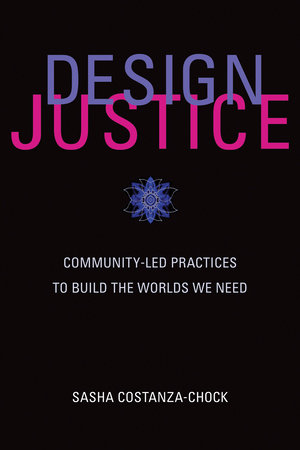
Design Justice: Community-Led Practices to Build the Worlds We Need
An exploration of how design might be led by marginalized communities, dismantle structural inequality, and advance collective liberation and ecological su
Technology is Not Values Neutral: Ending the Reign of Nihilistic Design
We fail to take tech seriously when we do not grasp its full impact on humans
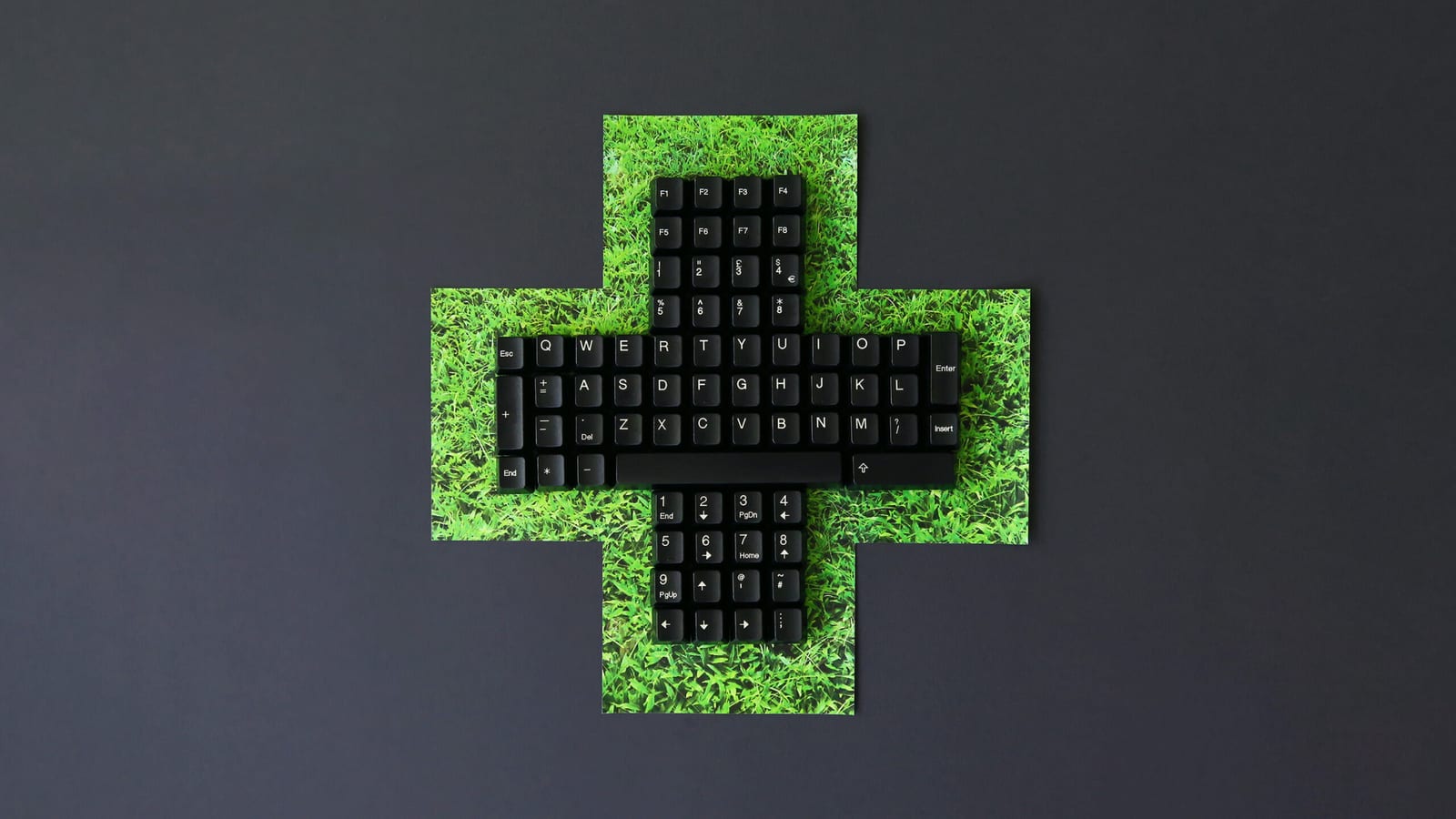
Signing into the Atmosphere is a bit of a lottery. This is a user problem. But it's also a builder problem. The Atmosphere needs a brand identify, a design system, tools for builders to drive broad dev and user adoption. wecanjustdothings.leaflet.pub/3mlv5oijn5s2q #ATmosphere 🌀 #ATproto 🪿

The Atmosphere needs a front door - We Can Just Do Things
wecanjustdothings.leaflet.pub
Sherif EA
If we’re gonna have login with Atmosphere, do we not need an Atmosphere logo? @renderg.host
