

PEN America stands at the intersection of literature and human rights to protect free expression in the United States and worldwide.
Writers at Risk Archive
PEN America champions the freedom to write, recognizing the power of the word to transform the world. The bedrock work of the global PEN network is advocacy and assistance on behalf of individuals persecuted for their use of the written word or other forms of expression. PEN America’s Writers at Risk Database is a searchable catalog of the writers, journalists, academics, public intellectuals and others under threat around the world. The database includes historical cases PEN America has worked on from 1987 onwards; non-active cases are color-coded black. PEN America is grateful to the John Templeton Foundation for support that enabled the establishment of the Writers at Risk Database and to PEN International for their collaboration in assembling this database.
As Governments Silence War Critics, Writers Pay the Price
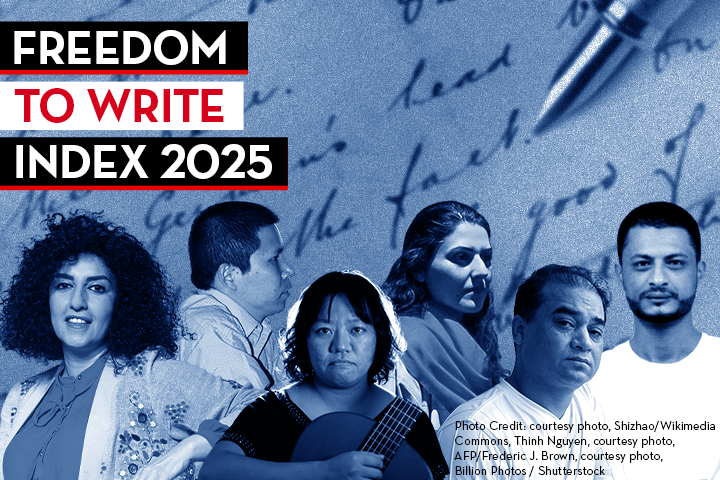
Crackdowns on writers during wartime emerged as a key trend in PEN America's 2025 data gathered for the latest annual Freedom to Write Index.
Freedom to Write Index 2025
For the first time ever, the Freedom to Write Index documented more than 400 writers in prison in 2025, including in the United States.
The role of literature as the key to personal freedom | Aeon Essays
Stripped of easy moralising, literature makes us relish the search for truth in an age when many believe truth to be dead

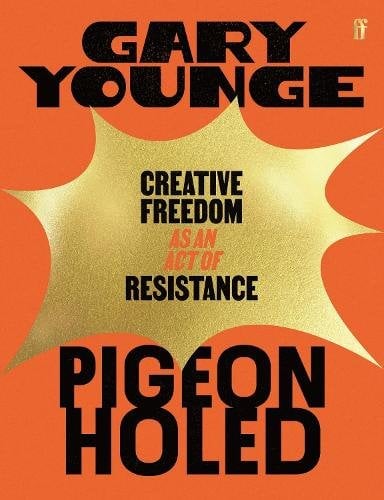
Pigeonholed: Creative Freedom as an Act of Resistance
Creative Freedom as an Act of Resistance
The social contract of writing | jola.dev
About the value of genuine writing in a world being drowned in slop.
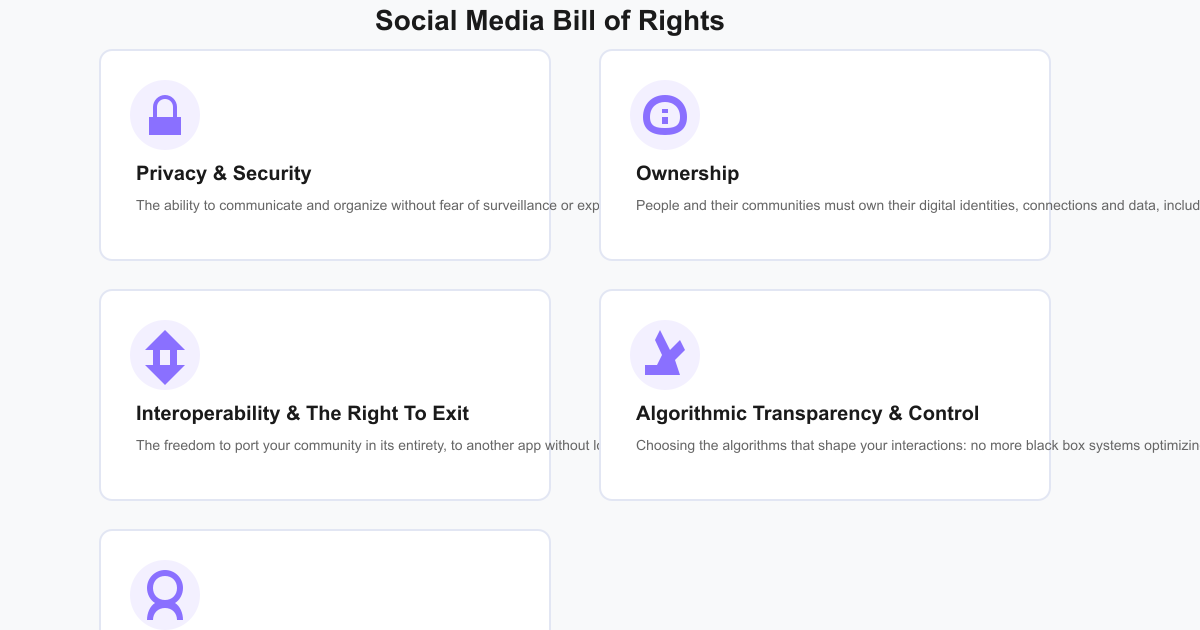
Declaration of Social Media Rights
Five fundamental rights we need for a free, open, and humane social media ecosystem
Issue 100 – Freedom of all kinds is worth fighting for
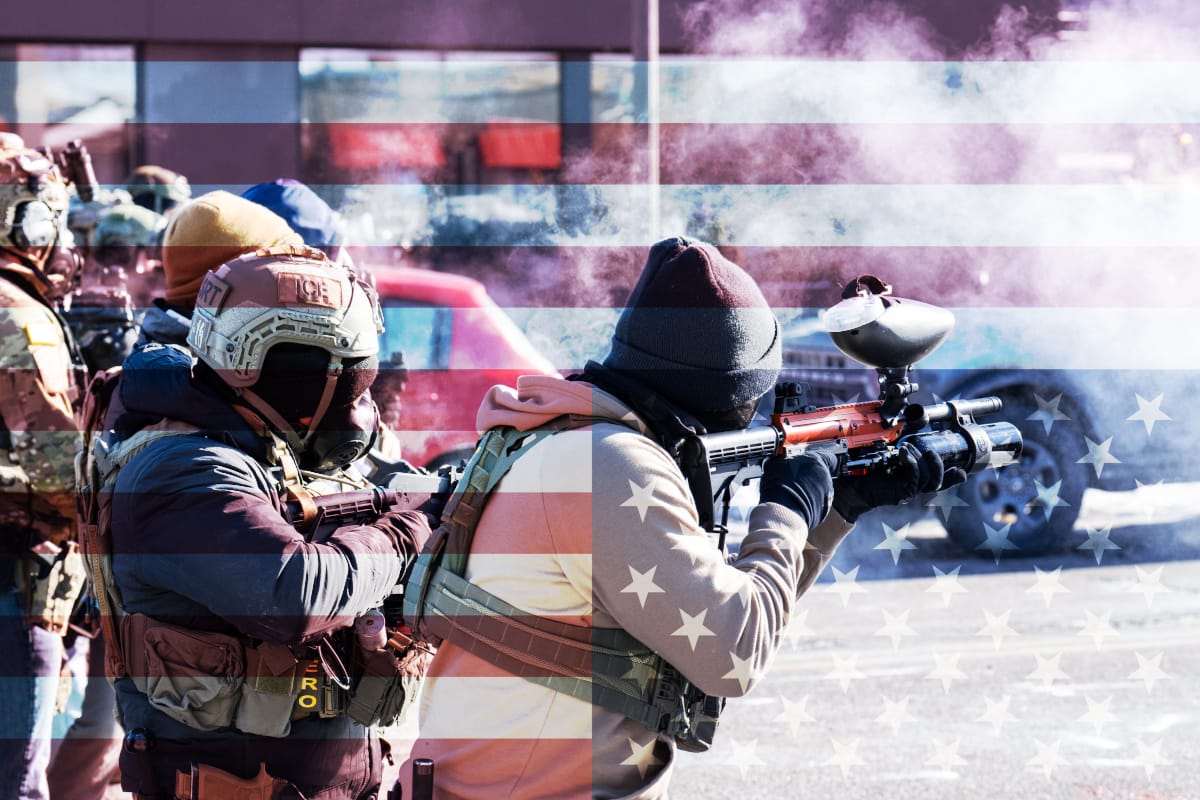
As masked agents execute people and terrorize communities, crypto executives who spent years posting about freedom fall conspicuously silent — except when writing checks for the politicians enabling it
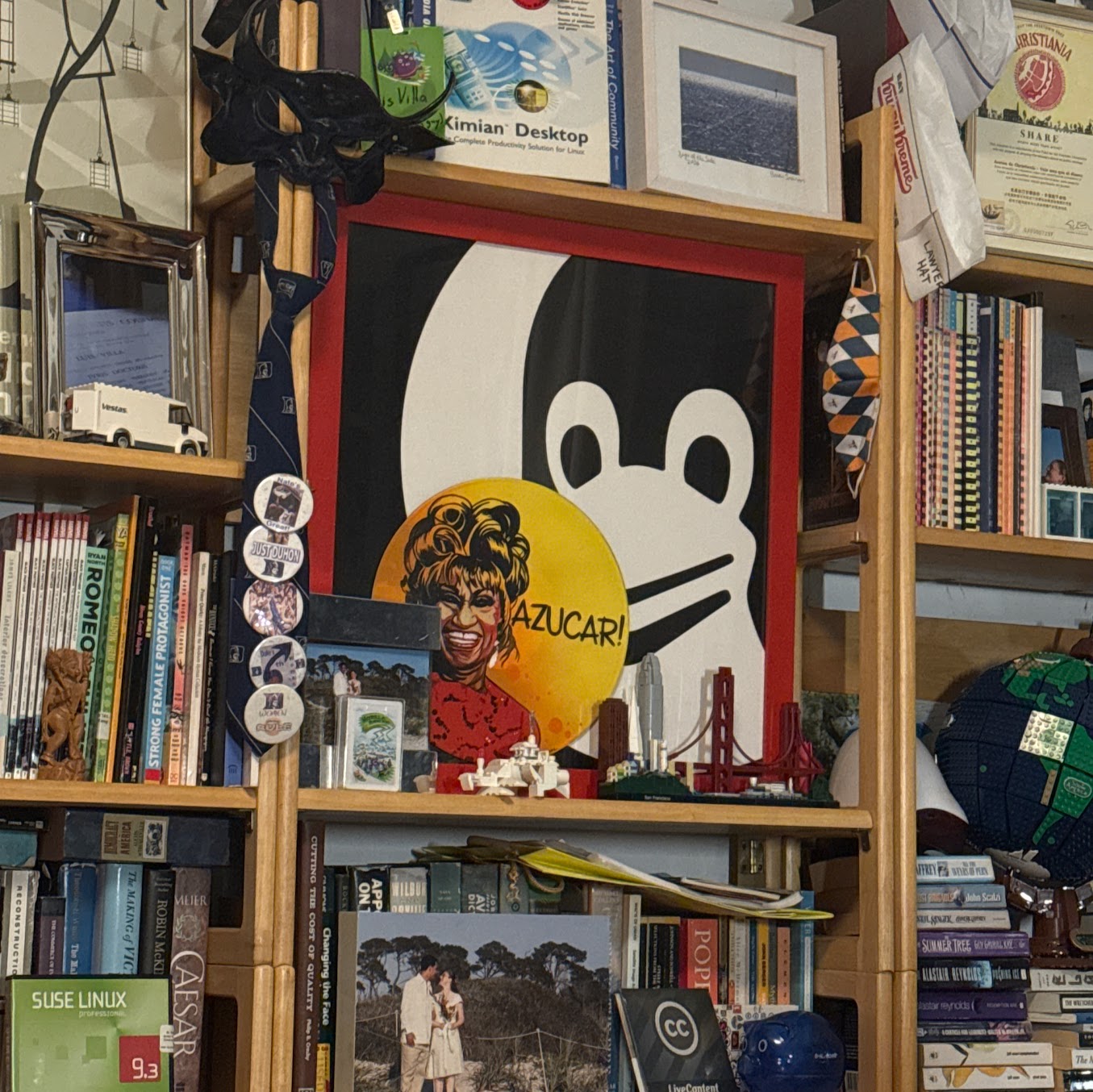
freedoms-for-who, revisited briefly
In talking with someone about “preferred form for modification” over the weekend at FOSDEM, the FSF (now sort-of-OSI?) four freedoms came up.
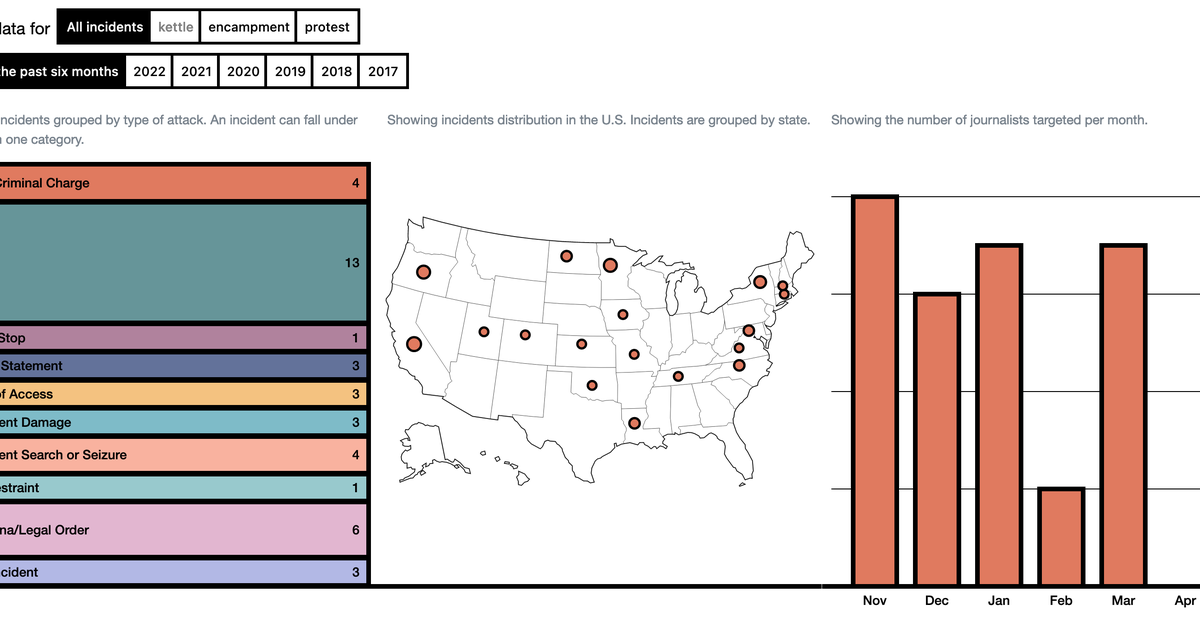
U.S. Press Freedom Tracker
The U.S. Press Freedom Tracker is a project that aims to comprehensively document press freedom incidents in the United States — such as the arrests of journalists, seizures of their equipment, interrogations and searches at the U.S. border, subpoenas to testify about sources, leak prosecutions and physical attacks. The Press Freedom Tracker documents cases across the country, involving national, state and local authorities.
On Tokens and Tokenism - Arts & Letters - Tablet Magazine
From George Washington to Jill Biden, Black literature has long been plagued by ignorant white patrons, who arbitrarily anoint a few writers as symbols ...

The Faux Free Speech Warriors Attacking Free Speech
There’s a particularly insidious and cynical form of censorship gaining prominence in America: the weaponization of “free speech” rhetoric, combined with abuses of the judicial sy…

The Constitution of W – The conversation belongs to humans
Ten articles that guide everything W does: real people, freedom of expression within the law, privacy, independence, and data hosted in Europe.

At The New York Times, an Uprising Over James Bennet’s Incompetence
The paper’s staff is in an incandescent rage over the decision to publish an op-ed calling for the violent disruption of First Amendment rights.

W Social published a "constitution" W supports freedom of expression then in the same breath says no pornography wsocial.news/constitution

W - The European social network for verified humans
wsocial.news