

PEN America champions the freedom to write, recognizing the power of the word to transform the world. The bedrock work of the global PEN network is advocacy and assistance on behalf of individuals persecuted for their use of the written word or other forms of expression. PEN America’s Writers at Risk Database is a searchable catalog of the writers, journalists, academics, public intellectuals and others under threat around the world. The database includes historical cases PEN America has worked on from 1987 onwards; non-active cases are color-coded black. PEN America is grateful to the John Templeton Foundation for support that enabled the establishment of the Writers at Risk Database and to PEN International for their collaboration in assembling this database.
The Freedom to Write
PEN America stands at the intersection of literature and human rights to protect free expression in the United States and worldwide.
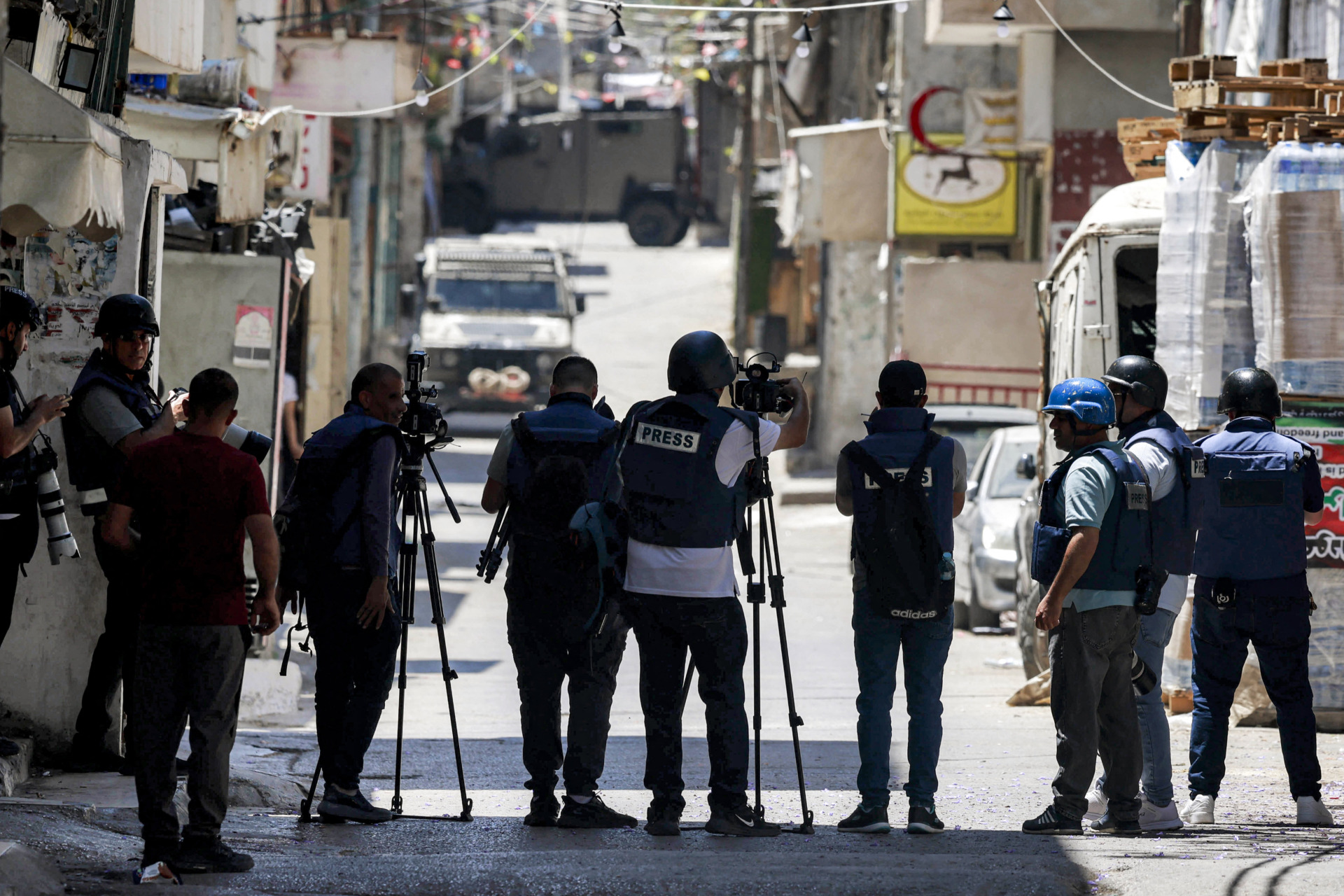
As Governments Silence War Critics, Writers Pay the Price
Crackdowns on writers during wartime emerged as a key trend in PEN America's 2025 data gathered for the latest annual Freedom to Write Index.
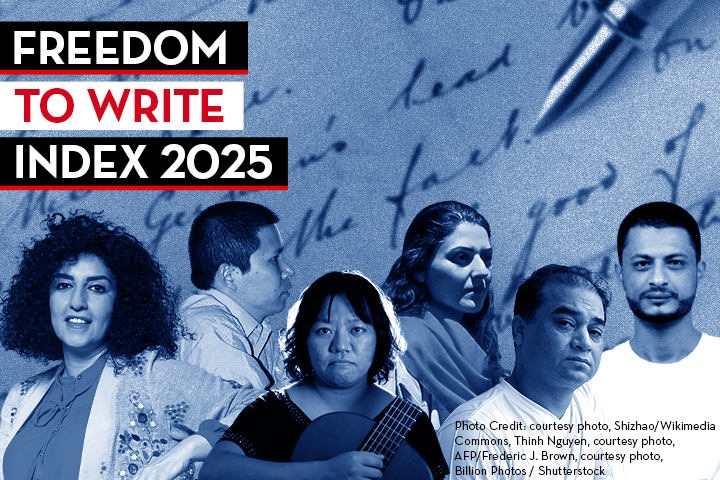
Freedom to Write Index 2025
For the first time ever, the Freedom to Write Index documented more than 400 writers in prison in 2025, including in the United States.
The Ptah Protocol
Open infrastructure for creative authorship on the AT Protocol. Fifteen record types for world-building, attribution, lineage, and rights across any media.
The Voice of the ‘Intellectual Dark Web’
Claire Lehmann’s online magazine, Quillette, prides itself on publishing “dangerous” ideas other outlets won’t touch. How far is it willing to go?
Publishing is fucked. The ATmosphere could save it. | Paul Stephenson | Offprint
Building a future for publishing that keeps authors and readers at its heart.

Protocolized Writing Workshop
Your chance to race to the frontier of modern AI-forward writing and publishing
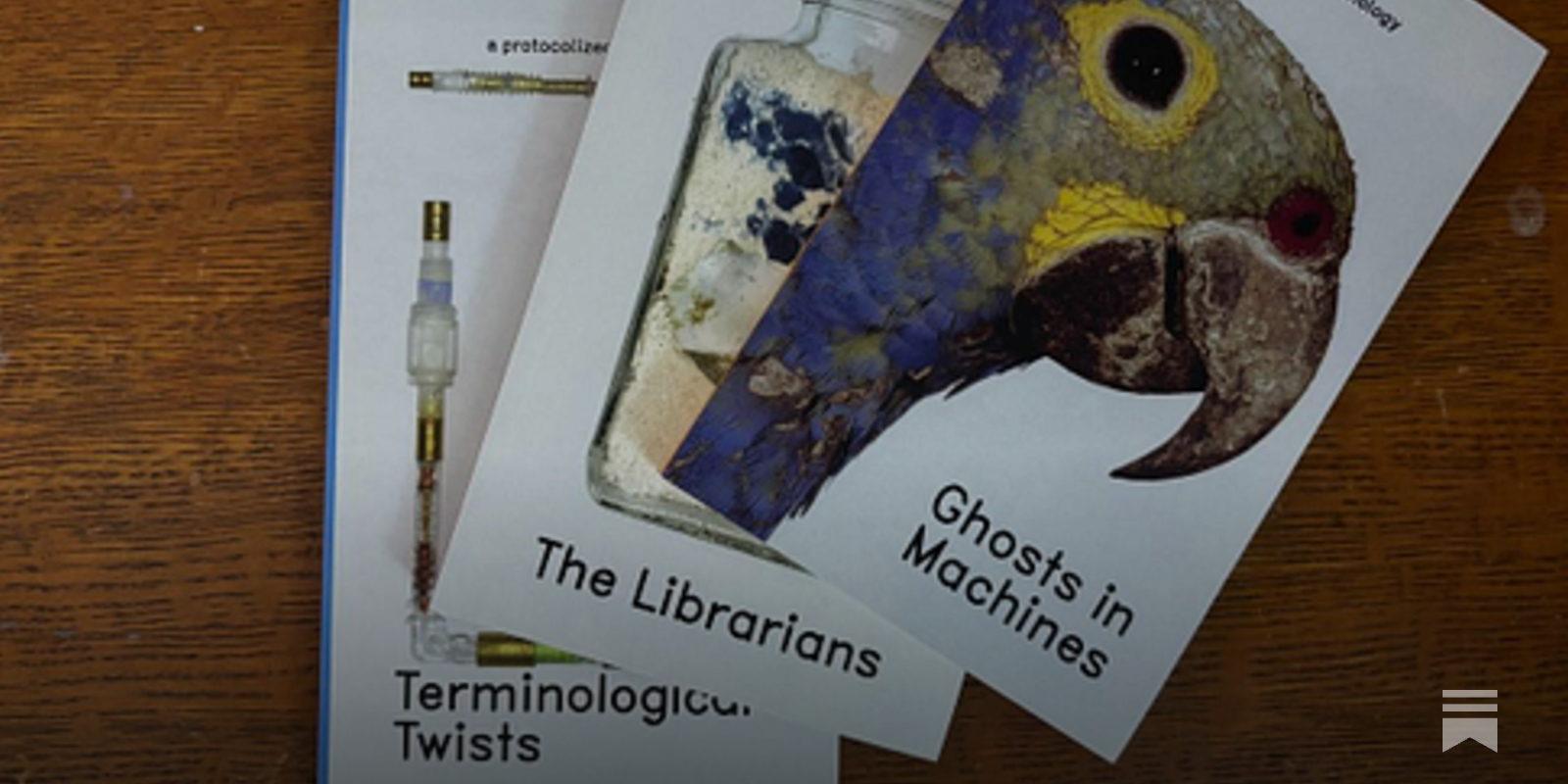
Is ubiquitous A.I. writing "inevitable"?
On a weird few weeks of A.I.-writing scandals
supernote-cli: pen, paper, and a pipe
A recent NYT piece argued we need a mental fitness revolution to combat the cognitive decay caused by algorithmic feeds and generative AI. It's an efficient one-two punch. If you're not brainrotting on short form video content, you're outsourcing all of your thinking to an LLM. The result is a kind of cognitive strip-mining. What's left requires active defense. For me, one way of defending that capacity for deep work is with a pen on e-ink. Whether it's annotating a paper or starting a sketch from scratch, I'm intentionally making room for focused thought. My army of clawed Claudes and Codexes will just have to wait.
Publishing your work increases your luck
In 12 months, @aarondfrancis changed his life by bypassing fear and embracing risk. Now, he’s working his dream job @tuple. Get his full story on The ReadME Project:
The social contract of writing | jola.dev
About the value of genuine writing in a world being drowned in slop.
Paywall violation ‘eviscerates’ fair use defense: What OpenAI-NYT twist means for publishers
The unsealed material could set a precedent that fuels more lawsuits against AI firms and strengthens publishers hand in licensing talks.

Reputational Risk Index — The Global Situation Room Inc.
The Reputation Risk Index™ is a quarterly barometer of emerging and evolving reputational threats to companies and organizations. The Index combines data from the Global Situation Room’s team of crisis experts and analysis from more than 150 preeminent public affairs leaders, from former heads of state and ministers to current CEOs and senior executives who serve on the Global Risk Advisory Council™.
The artificial intelligence disclosure penalty: Humans persistently devalue AI-generated creative writing.
