

Californian ideology refers to the dominant ideology of Silicon Valley, as described by the British media theorists Barbrook and Cameron in their 1995 essay "The Californian Ideology". The ideology is very influential because of the ubiquity of Californian technology products, as well as because siliconization has made it prominent in computing industries all around the world.
Afterlives of the California Ideology| “Polemic Becomes Canon”: An Interview With Richard Barbrook on the Californian Ideology
In this interview, Richard Barbrook shares his perspective on the essay “The Californian Ideology,” which he published in 1995 and 1996 with Andy Cameron, who died in 2012. Richard Barbrook lays out the essay’s genesis, explores the inspiration offered by Marx and Engels’ The German Ideology, discusses his ambivalent but not simply dismissive relationship to California and the United States, and provides insight into the thinking around the masters program in hypermedia at the University of Westminster, United Kingdom, that he and Cameron were setting up at the time of the essay’s publication. In the essay they wanted to impart a different approach to digital technologies than was prevalent in the Californian computer industry at the time. Overall, the interview makes it apparent how “The Californian Ideology” should be seen in its temporal context—as well as how the basic questions the essay raises continue to shape the discussion about digital media and infrastructures today.
Silicon Valley’s worldview is not just an ideology; it’s a personality disorder.
Silicon Valley’s ideology is this: Libertarianism for me. Feudalism for thee.
Thirty Years On, the Californian Ideology is Alive and Well
In the seminal essay, Barbrook and Cameron insisted that there are other ways to build technology, and to do it democratically, writes Nathan Schneider.
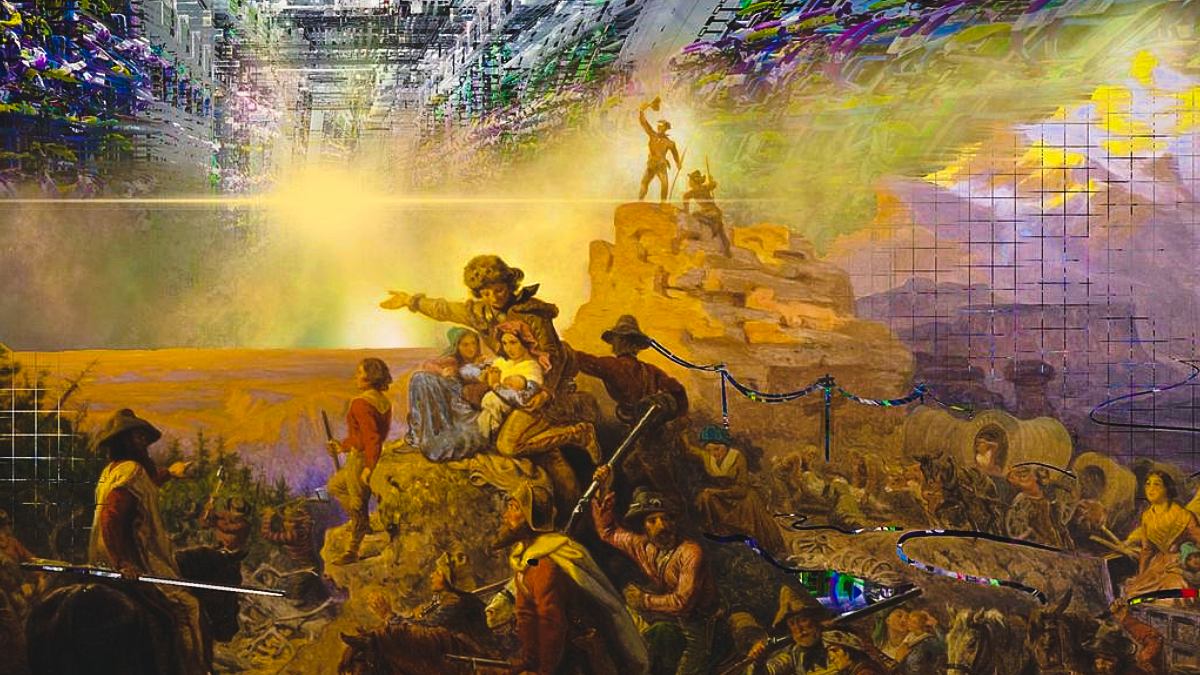
Tech's right turn : the rise of reactionary politics in Silicon Valley and online
This dissertation shows how a group of conservative activists helped shape Silicon Valley and its digital technologies in the 1980s and 1990s. Operating primarily within a loose network of think ta...
RESPONSES TO THE CALIFORNIAN IDEOLOGY BY CELIA PEARCE
The publication of 'The Californian Ideology' has inspired an impassioned debate over the issues raised by the article. Here is a selection of some of the most interesting responses to the piece:
Silicon Valley’s Politics: Liberal, With One Big Exception (Published 2017)
A new Stanford study found that the nation’s tech elite are extremely liberal on most issues — except when it comes to regulation.


‘Headed for technofascism’: the rightwing roots of Silicon Valley
The industry’s liberal reputation is misleading. Its reactionary tendencies – celebrating wealth, power and traditional masculinity – have been clear since the dotcom mania of the 1990s
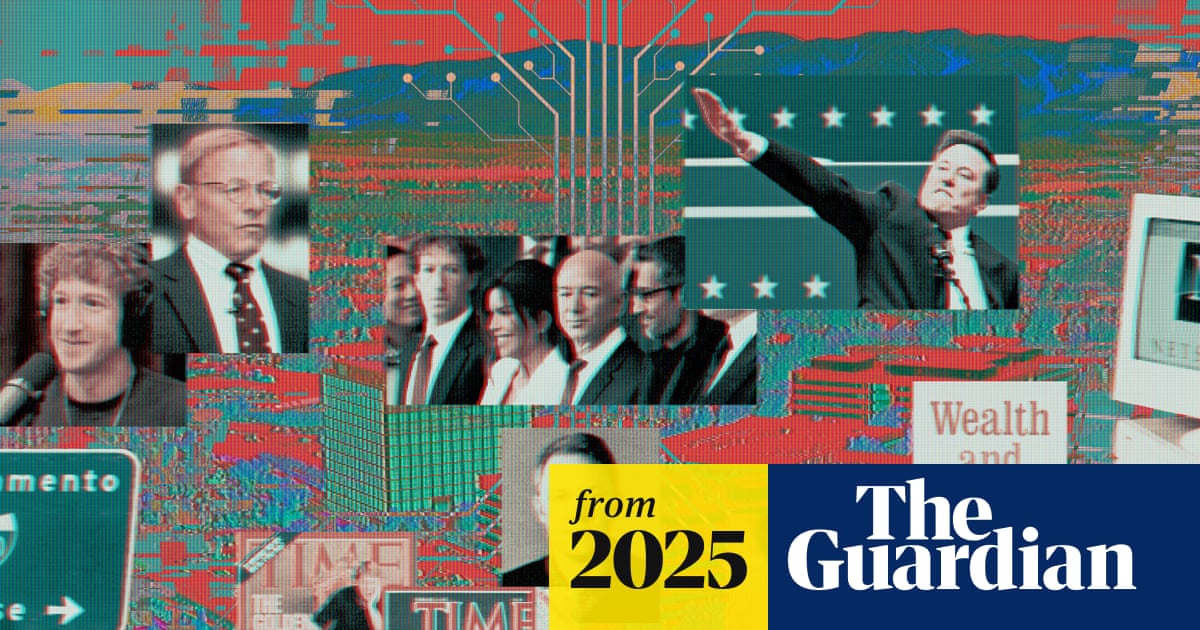
‘Headed for technofascism’: the rightwing roots of Silicon Valley
The industry’s liberal reputation is misleading. Its reactionary tendencies – celebrating wealth, power and traditional masculinity – have been clear since the dotcom mania of the 1990s
The Rise of Silicon Valley’s Techno-Religion (Published 2025)
The Rationalists, a community focused on the risks of artificial intelligence, regularly gather with tech figures and other like-minded people in a complex that covers much of a city block.

The Wide Angle: Understanding TESCREAL — Silicon Valley’s Rightward Turn | Washington Spectator
For decades, the conventional wisdom about Silicon Valley was that it leaned progressive. And by many measures (like donations by Big Tech employees to…
siliconization
Siliconization refers to how local technocultural practices all around the world have been replaced by an imported "Silicon Valley" model, especially since the 1990s.
Silicon Valley has a science fiction problem | Aeon Essays
Tech titans claim the genre inspired them. But all they’ve done is graft their politics onto stories of a better future

When Silicon Valley’s AI warriors came to Washington
Effective altruism is increasingly described as a cult. But as the movement’s billionaire adherents pour money into D.C., its obsession with the AI apocalypse is remaking the capital’s tech policy landscape.

During the 1980s and 1990s, networks of evangelists and venture capitalists fused technological boosterism with reactionary social ideals. Our video of the week examines the deep roots of Silicon Valley's shift toward the right. Featuring @beccalew.bsky.social at @westernu.ca buff.ly/ydgntnc
