

Forth is a stack-based programming language created in the 1970s by Chuck Moore.
Chuck Moore: The Invention of Forth
How forth was invented during the decade of the 1960's. a word-by-word description of the evolution of a unique programming language.> <meta name=
What is the Forth programming language?
The Forth language's creators and foremost proponents answer, "What is Forth?" The Forth programming language - in use for more than four decades.
"Concatenative programming and stack-based languages" by Douglas Creager
stack-based
Stack machines are arguably the simplest kind of computer architecture. Their LIFO structure is quite suitable for block-oriented languages. The code size for a stack machine can be very compact because most instructions have no operand field.
Its Time for a New Programming Language
Today, when compared to any other point in programming history, we find ourselves spoiled for choice when it comes to programming…

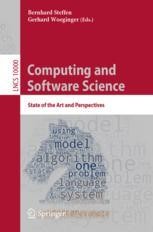
The Next 7000 Programming Languages
Landin’s seminal paper “The next 700 programming languages” considered programming languages prior to 1966 and speculated on the next 700. Half-a-century on, we cast programming languages in a Darwinian ‘tree of life’ and explore languages, their features (genes) and language evolution from the viewpoint of ‘survival of the fittest’.
The Topos of Programming | Yon
A topos-oriented programming language. Native via MLIR and LLVM, with a content-addressed heap on the Leech lattice.
pldb: programming languages papers
Search 22,324 papers from POPL, PLDI, ICFP, OOPSLA and other programming languages venues, from 1973 to today.
The Story of C++: The World's Most Consequential Programming Language | The Official Story
The Rust Programming Language - The Rust Programming Language
by Steve Klabnik, Carol Nichols, and Chris Krycho, with contributions from the Rust Community
Crafting Interpreters
Ever wanted to make your own programming language or wondered how they are designed and built?
The Return of Language-Oriented Programming | Middle of Nowhere
I’ve been wondering what LLMs mean for language design and implementation. Some believe that, because language models are obviously trained on existing content, they are inherently less capable of assisting users with new programming languages. Intuitively this makes sense. However:
RFC: Programming Languages Course Reboot, 2026
Live Programming

The future of programming and computing

Trends and adjacent possibles for the future of how computers are used and programmed
Future of Programming


Spatial programming without escape

An invitation into Droste's Lair
Something Pretty Right: A History of Visual Basic | Retool

Issue 084: Spreadsheets

Workshop on Live Programming (LIVE)
Live Programming in Hostile Territory
Introducing System One Models and Jev - TypeSafe AI Blog

Message from our CEO: After co-inventing ChatGPT, I kept asking myself: why have superhuman chat models not led to AGI? I’ve spent the last…
On-device intelligence for every product
SaaS Isn’t Dead. Sameness Is. - The Phoenix Architecture
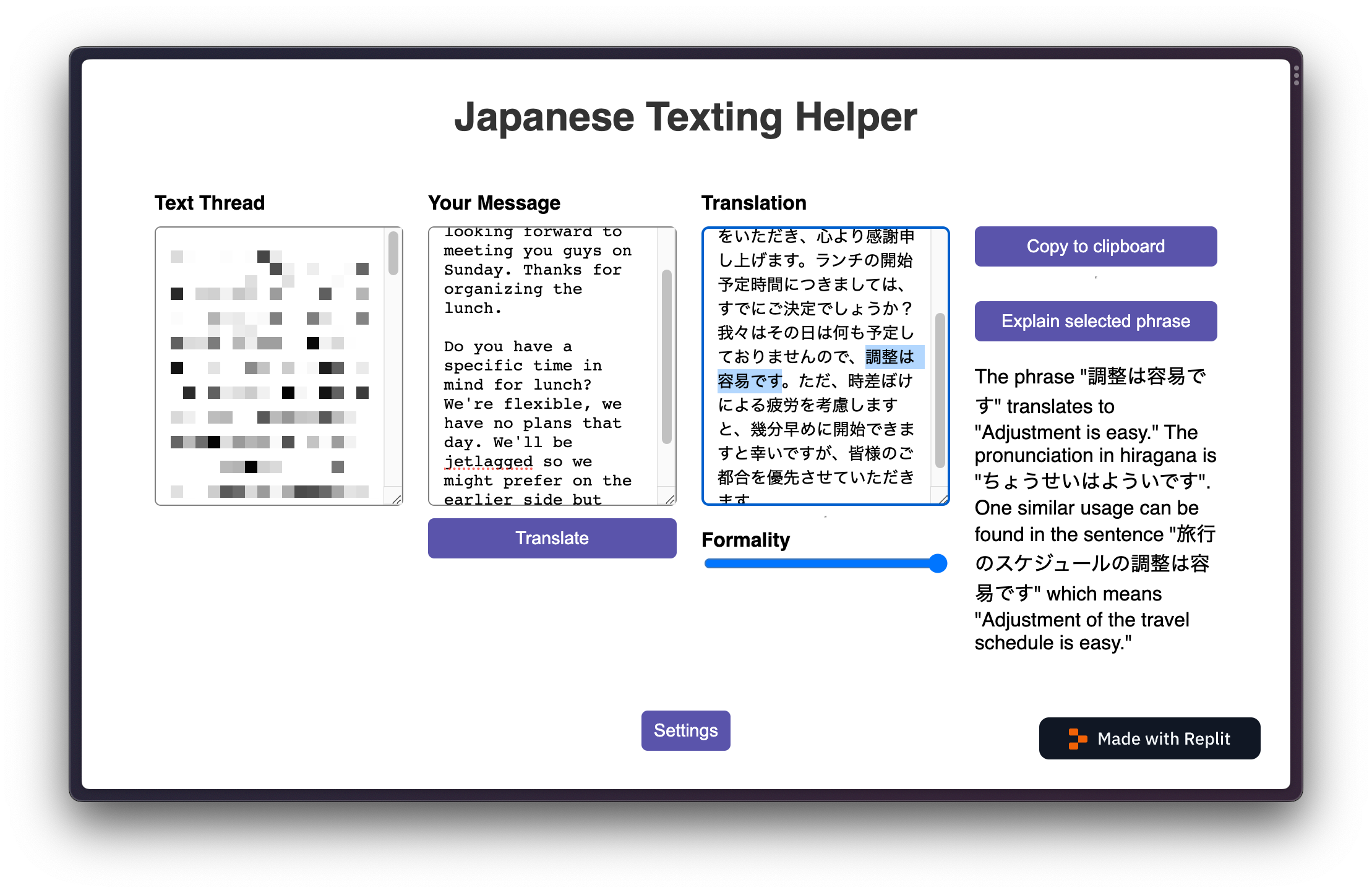
Codifying a ChatGPT workflow into a malleable GUI

MercuryOS
Kanjun 🐙 on Twitter / X
Hiring and firing a DBA
LLMs and performative productivity

Collaborative AI Engineering: One Dev, Two Dozen Agents, Zero Alignment — Maggie Appleton, GitHub
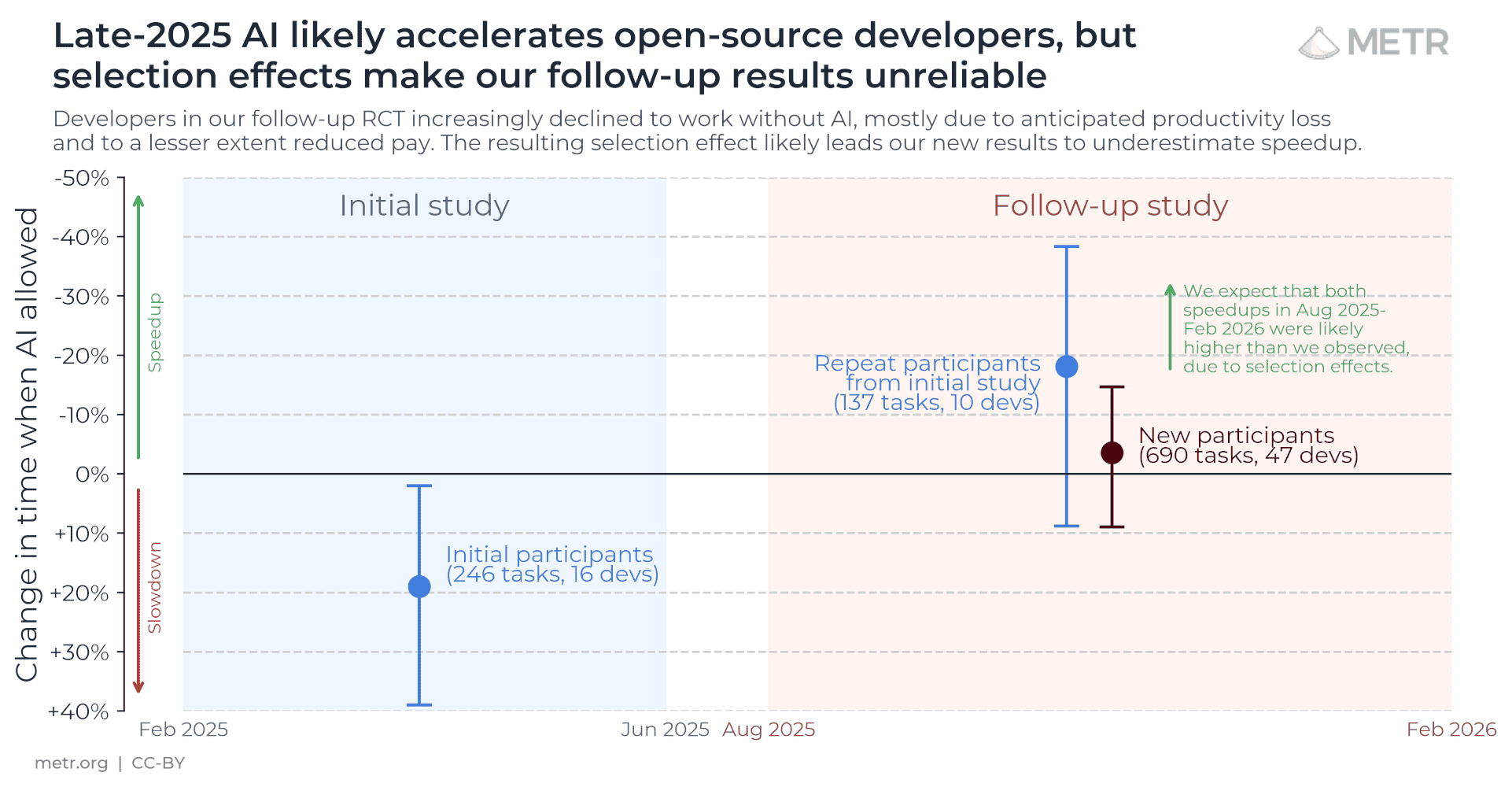
We are Changing our Developer Productivity Experiment Design

Agents want flexible schemas