

The Internet routing technology was originally based on military requirements, i.e. nuclear attack survivability. The possibility for non-hierarchical and decentralized routing makes the network quite resilient.
Decentralized Syndication — The Missing Internet Protocol
The Internet is decentralized by design. It came into being not at once, but in parts. New protocols were added on top of previous ones…
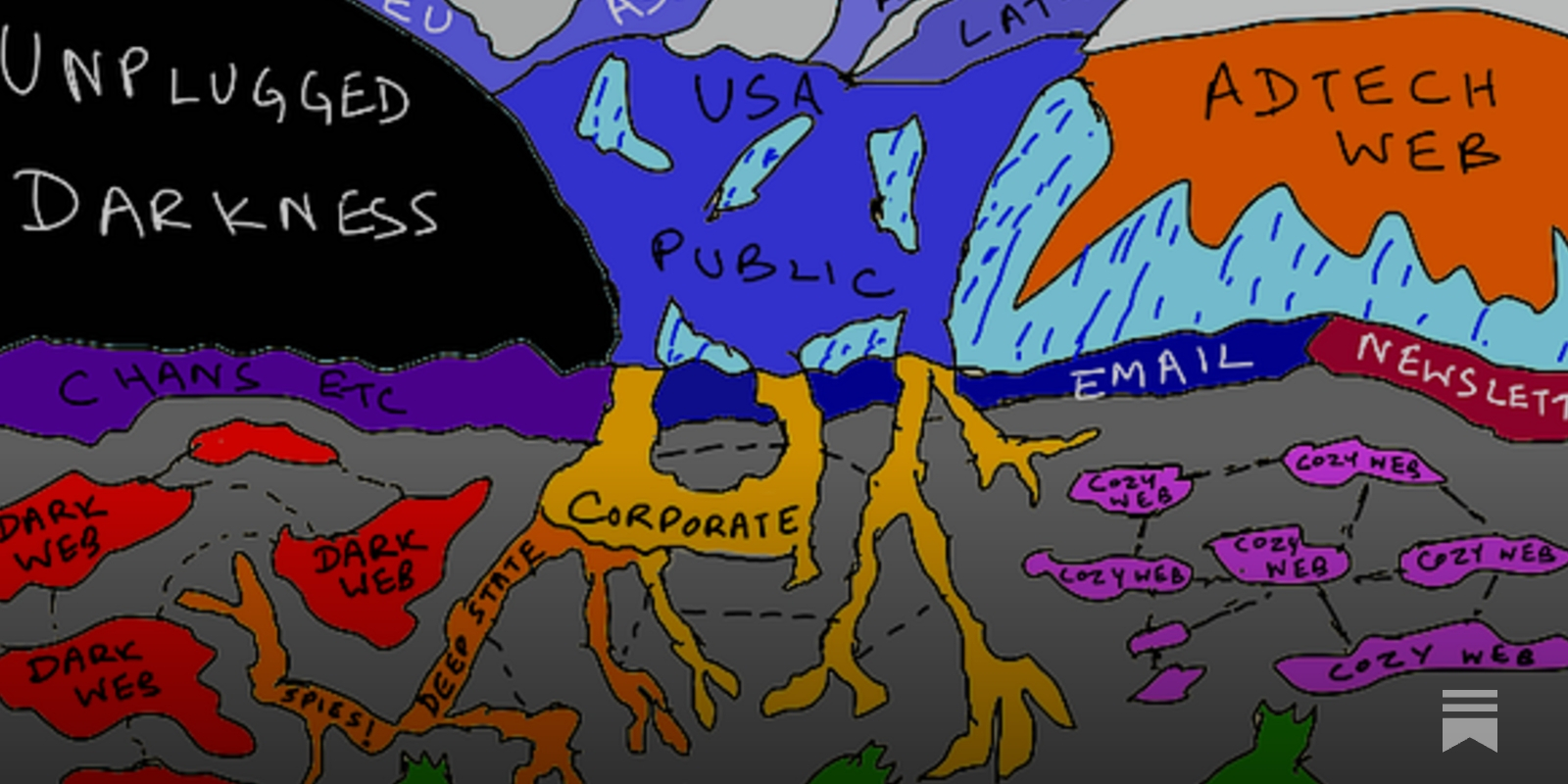
The Extended Internet Universe
The Internet is now a very complicated place
Internet
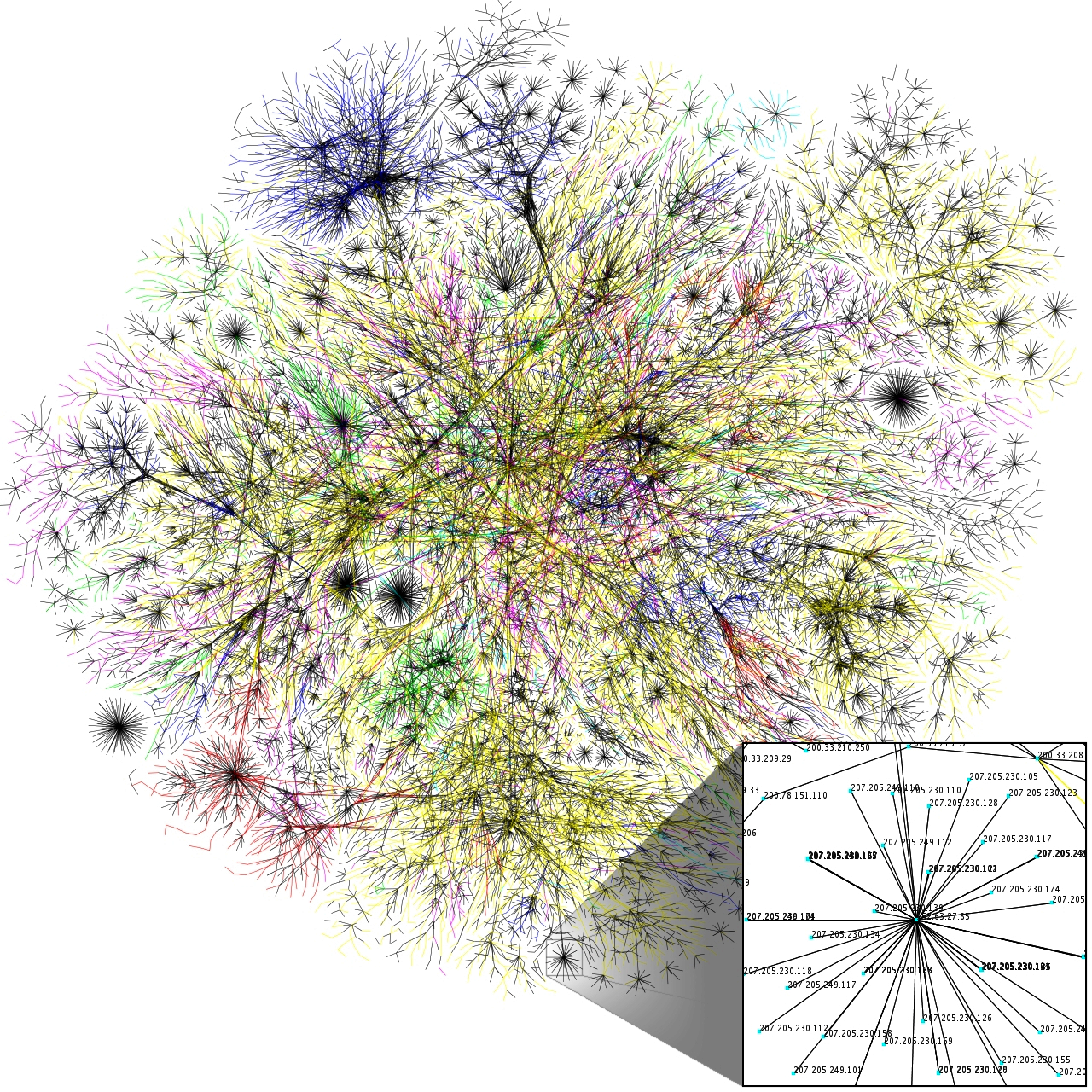
The Internet is the global system of interconnected computer networks that uses the Internet protocol suite (TCP/IP) to communicate between networks and devices. It is a network of networks that comprises private, public, academic, business, and government networks of local to global scope, linked by electronic, wireless, and optical networking technologies. The Internet carries a vast range of information services and resources, such as the interlinked hypertext documents and applications of the World Wide Web (WWW), electronic mail, discussion groups, internet telephony, streaming media and file sharing.
Protocol: How Control Exists after Decentralization
How Control Exists after DecentralizationIs the Internet a vast arena of unrestricted communication and freely exchanged information or a regulated, highly

Why Internet Infrastructure Decisions Rarely Stay Localized - Internet Society
Even narrow policy choices can have ripple effects that shape what people can access, how information moves, and who can participate online.

Future Histories of Other Networks – Lori Emerson
The Internet Transition
The Internet is allowing us to build a richer, more complex society but the way in which we Internet today is failing to support the governance systems that a more complex world requires. I take a look at why these issues are related, try to develop an intuition for a way forward, and point at the emerging field that is coming together to build that future.

Connect, protect, and build everywhere
Make employees, applications and networks faster and more secure everywhere, while reducing complexity and cost.

Decentralization enables permissionless innovation
I’ve just started reading Inventing the Internet by Janet Abbate. The opening chapters are great, narrating Paul Baran’s efforts at RAND to design a nationwide communication network. Baran had one design goal for this network—survivability. Specifically, survivability in the face of nuclear catastrophe.

Platform
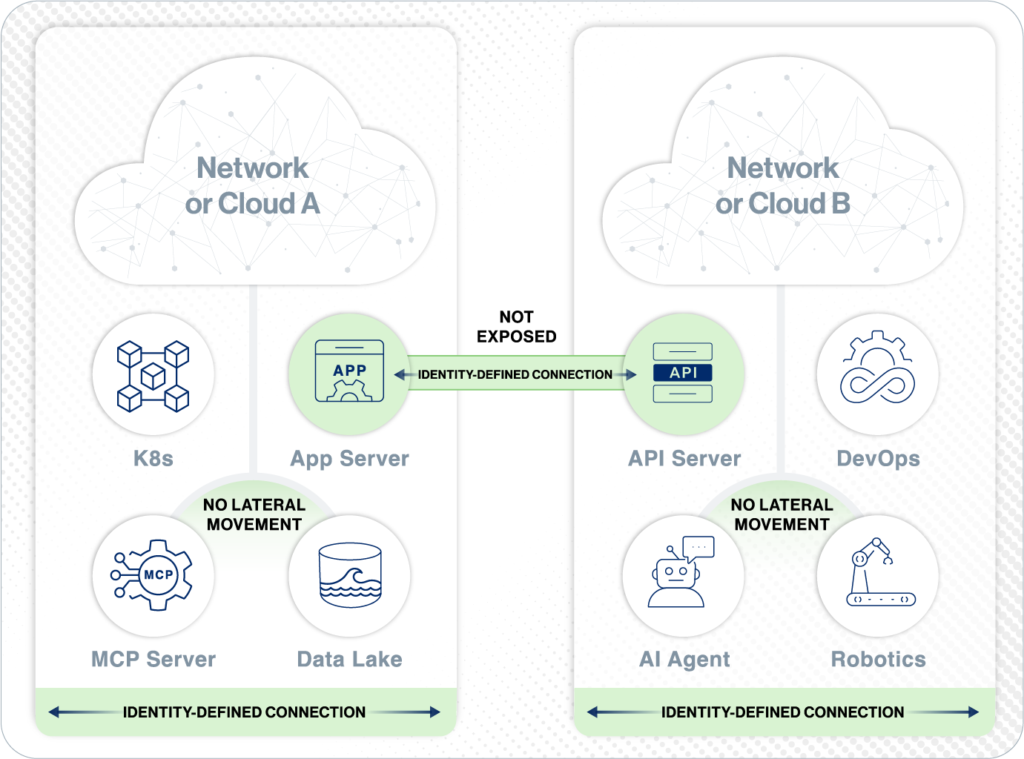
Secure workloads with Identity-First Reachability. NetFoundry closes inbound ports and replaces VPNs for simpler, zero-trust networking.
I'm Getting Into Mesh Networks... (Meshtastic, MeshCore, and Reticulum)
I love networking, a lot. So much so that I've run my own ISP since 2024, complete with its own ASN, IPv4/6 address space, fiber optics, etc. However, do this and you quickly realize how reliant you still remain on central service providers. The internet is a mesh, but

What Was the Internet?
As AI overtakes the web, five writers reflect on how far it’s fallen and what comes next.

What Was the Internet?
As AI overtakes the web, five writers reflect on how far it’s fallen and what comes next.
Centralization, Decentralization, and Internet Standards
Despite being designed and operated as a decentralized network-of- networks, the Internet is continuously subjected to forces that encourage centralization. This document offers a definition of centralization, explains why it is undesirable, identifies different types of it, catalogues limitations of common approaches to decentralization, and explores what Internet standards efforts can do to address it.
The Internet Is Making You Less Free
Our current age is defined by the internet. The internet—a technology that allows the decentralized, globalized dissemination of information—has become so
