

The specification of an hypothetical computer designed to decode and preserve some form of computation over time.
virtual machine
A virtual machine is an implementation of a computer on top of another. An emulator is specifically a virtual machine that simulates a different type of computer that also exists as real hardware. If the "emulated" computer is similar to the one that runs the emulator, the commonly used term is virtualization. Virtual machines that have no real-hardware counterpart (such as the Java Virtual Machine) are usually just called VMs, but their machine languages are usually referred to as bytecode rather than machine code.
P-code machine
In computer programming, a P-code machine (portable code machine[1]) is a virtual machine designed to execute P-code, the assembly language or machine code of a hypothetical central processing unit (CPU). The term P-code machine is applied generically to all such machines (such as the Java virtual machine (JVM) and MATLAB pre-compiled code), as well as specific implementations using those machines. One of the most notable uses of P-Code machines is the P-Machine of the Pascal-P system. The developers of the UCSD Pascal implementation within this system construed the P in P-code to mean pseudo more often than portable; they adopted a unique label for pseudo-code meaning instructions for a pseudo-machine.
Defining the Dimensions of the “Space” of Computing
The first computing machines were so large they filled entire rooms. Today they are ubiquitous, built invisibly into our environments. While it's tempting to view this change within a predetermined space of progress, we can still shape the future on our own terms.


Theory Beyond Theorems and Proofs: A Guest Post
Scott’s foreword: I’m extremely grateful to my brilliant colleagues, Pravesh Kothari, Raghu Meka, and Prasad Raghavendra, for sharing the guest post below about how theoretical computer…

Computer: A History of the Information Machine
Computer: A History of the Information Machine is a history of computing written by Martin Campbell-Kelly and William Aspray first published in 1996. It follows the history of "information machines" from Charles Babbage's difference engine through Herman Hollerith's tabulating machines to the invention of the modern electronic digital computer. A revised 2nd edition published in 2004 included new material on the Internet and World Wide Web, while the updated 3rd edition published in 2013 includes contributions from historians Nathan Ensmenger and Jeffrey Yost. The 3rd edition extends the story to include recent phenomena such as social networking and revises the discussion of early history to reflect new insights from the literature.

100% Utilization
Since the end of the Second World War, we have come to expect continual growth in computing power and the rapid development of digital technology. This dynam...
Neural Computer: A New Machine Form Is Emerging
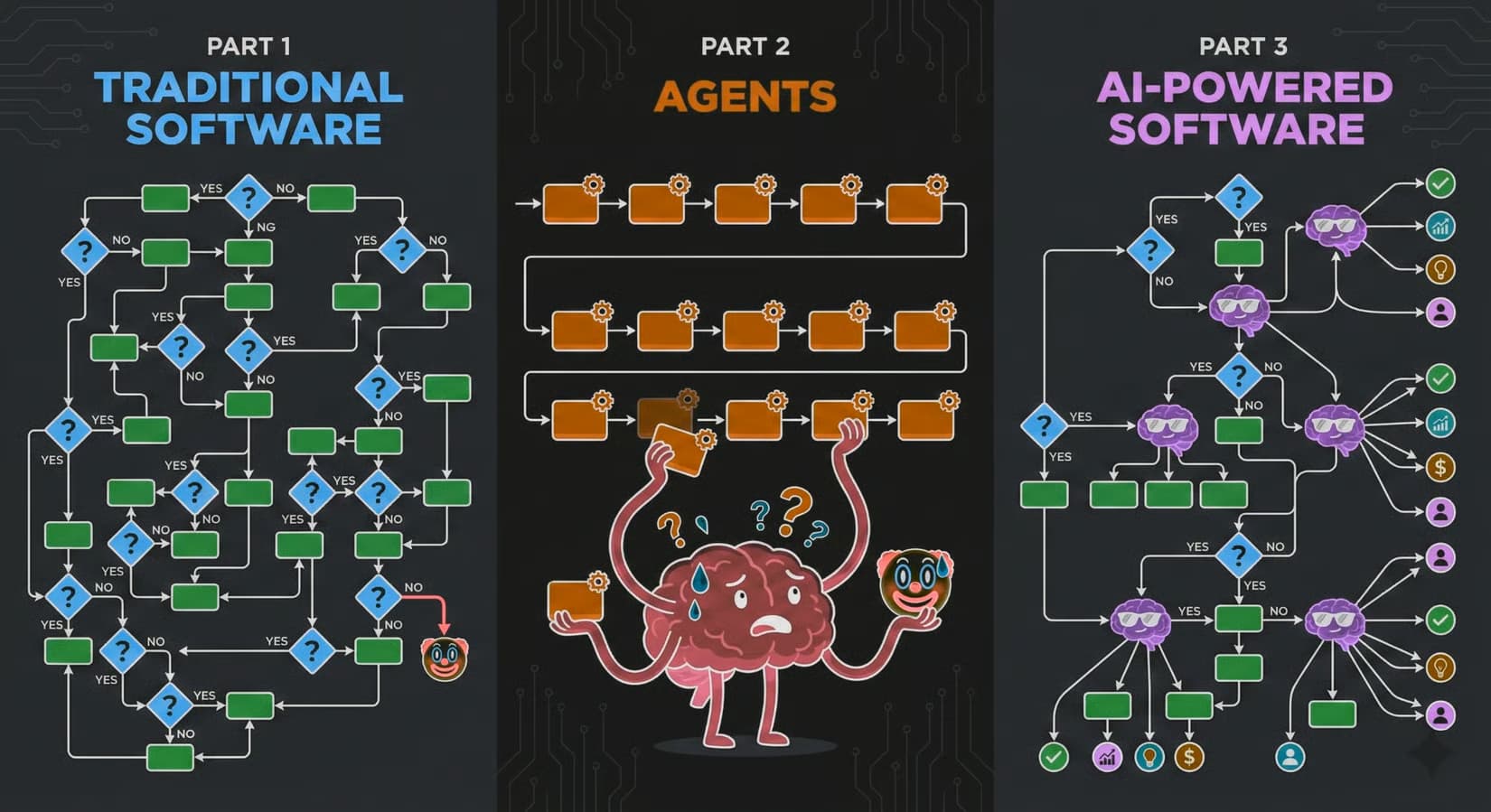
A research essay on Neural Computer: how it differs from agents, world models, and conventional computers; what runtime and CNC would mean; what current prototypes already show; and how software and hardware might change.
IBM's "Man & Computer" (1967)
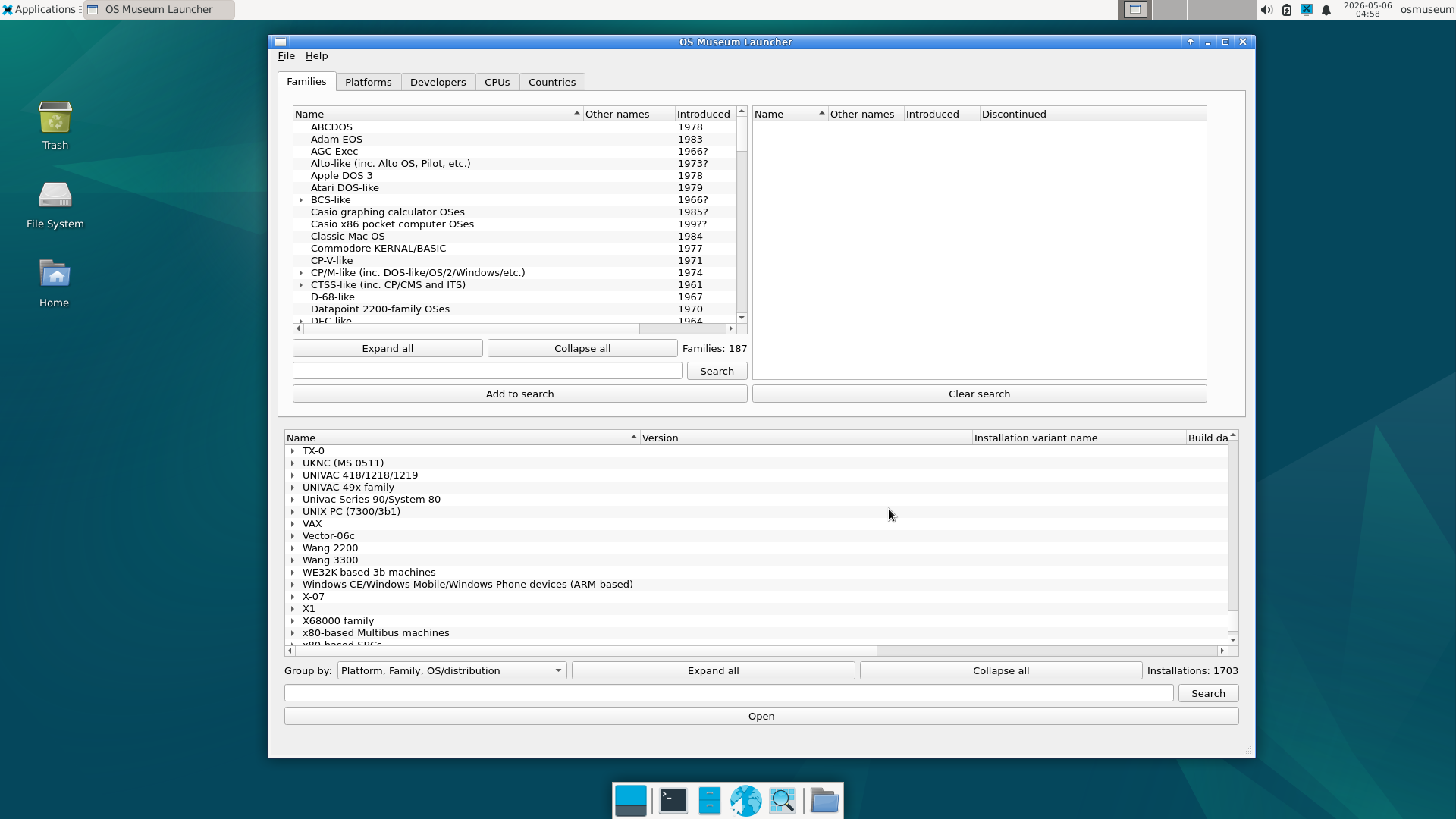
The Virtual OS Museum
Over 1,700 pre-installed operating systems spanning 1948 to today, in a single Linux VM. Bundled QEMU, VirtualBox, and UTM. One-click launchers for Windows and Linux.
Basic | The Personal Computing Platform
We build products, tools, and standards to make computers more personal.

Boxer: a reconstructible computational medium | Communications of the ACM
Programming is most often viewed as a way for experts to get computers to perform complex tasks efficiently and reliably. Boxer presents an alternative image—programming as a way for nonexperts to control a reconstructible medium, much like written ...

Integrating Anthropic's Model Hardware Standard (MHS)
In this blog post, we demonstrate the ability of Anthropic’s Model Hardware Standard (MHS) to help us overcome these challenges to contribute to a local citizen science project in Pacifica, California, and run a closed-loop experiment to optimize how our compiler makes decisions around pipetting settings.
Rabrg/artificial-life
A simple (300 lines of code) reproduction of Computational Life: How Well-formed, Self-replicating Programs Emerge from Simple Interaction
The Computer for the 21st Century
Specialized elements of hardware and software, connected by wires, radio waves and infrared, will be so ubiquitous that no one will notice their presence
