

Even though HTTP is a simple protocol and the basic HTML is a simple format, the current standards are bloated and only a few web browser engines are able to support them at the commonly required level.
HTTP: The Protocol Every Web Developer Must Know—Part 1
Learning the fundamentals of the World Wide Web is crucial, especially if you are planning to build web apps. And HTTP is at the heart of any web application you could build. HTTP stands for...

HTTP Semantics
The Hypertext Transfer Protocol (HTTP) is a stateless application-level protocol for distributed, collaborative, hypertext information systems. This document describes the overall architecture of HTTP, establishes common terminology, and defines aspects of the protocol that are shared by all versions. In this definition are core protocol elements, extensibility mechanisms, and the "http" and "https" Uniform Resource Identifier (URI) schemes. This document updates RFC 3864 and obsoletes RFCs 2818, 7231, 7232, 7233, 7235, 7538, 7615, 7694, and portions of 7230.
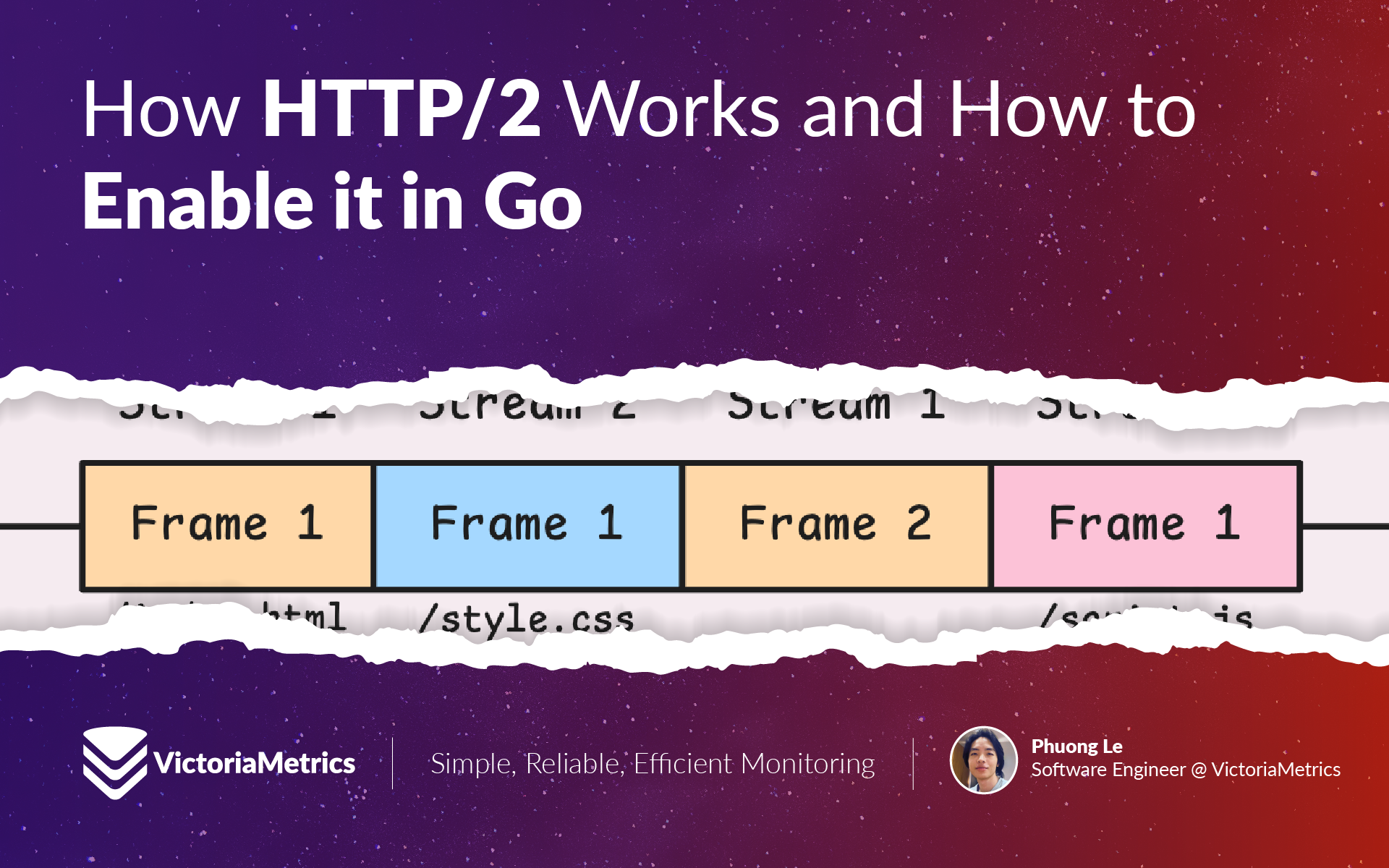
How HTTP/2 Works and How to Enable It in Go
HTTP/2 solves head-of-line blocking at the application layer by multiplexing multiple streams over a single TCP connection. While HTTP/1.1 requires requests to be processed sequentially, HTTP/2 allows parallel processing through independent streams, each with its own ID. The Go standard library supports HTTP/2 out of the box when using HTTPS, and with some configuration, it can work over plain HTTP too
web browser
A web browser is a client program for accessing the World Wide Web. Its main feature is the loading of HTML pages over HTTP(S) connections and rendering them. There are moderate-sized web browsers as well as huge and bloated ones.
Some notes about HTTP/3
HTTP/3 is going to be standardized. As an old protocol guy, I thought I'd write up some comments. Google (pbuh) has both the most popular ...
Who Shapes Web Standards? Uncovering the Main Topics of Interest in the W3C
The Group That Rules the Web
Billions of humans will use the Web over the next decade, yet very few of those people are in a position to define what is “the Web” and what isn’t.

The HotJava Browser: A White Paper
Browsers allow people to treat the data spread across the Internet as a cohesive whole. Web browsers integrate the function of fetching the data with figuring out what it is and displaying it. One of the most important file types browsers understand is the hypertext markup language (HTML). HTML allows text data objects to embed simple formatting information and references to other objects.
Do Websites Need to Function Exactly the Same on Every Platform?
While we’ve accepted that websites don't need to look the same everywhere, we seem to be stuck on a new hurdle: the idea that websites need to function the same everywhere.

is it standard.site?
Validate a webpage's standard.site AT Protocol records, from the page to the PDS to the .well-known endpoint.

The Website Specification
A platform-agnostic, full specification of the technical features a good website should have. Built in the open under an MIT licence.
Caddy - The Ultimate Server with Automatic HTTPS
Caddy is a powerful, enterprise-ready, open source web server with automatic HTTPS written in Go

On forking the Web
This document contains a set of informal notes on how to build an alternative specification to the Web, in such a way that hopefully prevents many of its drawbacks while still preserves many of the good points. This document is not an specification, and is therefore subject to change over time.
The confusion about standard.site is that there are two distinct and different users. Those that use it as a database schema and those that use it as a new syndication format (like a Wordpress blog with a plugin). But HTML and RSS are views, whereas JSON doubles as both a storage schema and a view

Standard.site - One schema. Every platform.
standard.site

