History refers to the study, documentation and narrating of the past. Knowing and understanding of the past is essential when envisioning, planning and building the future. The way how history is told affects the ways in which future can be imagined.
Historicale
Test your knowledge of history by ordering events on a timeline. A daily historical chronology challenge.

Texas History Lessons
Texas History Lessons is a podcast about Texas history and much more. History is an important area of study and it is fun. While most of the focus will, of course, …

Internet Histories
Publishes research into the history of the internet, from early computer networks, Usenet, mobile technology and the internet of things.
Three Big Things: The Most Important Forces Shaping the World
An irony of studying history is that we often know exactly how a story ends, but have no idea where…
History Cooperative
Our modern world is shaped by the decisions, actions, and events of generations past. To understand who we are, explore how we got here at History Cooperative.

The Portal to Texas History - A gateway to rare, historical, and primary source materials from or about Texas.
The Portal to Texas History is a gateway to rare, historical, and primary source materials from or about Texas.

Florida Creates a More Conservative U.S. History Course to Rival A.P.
Here are ways Florida’s advanced high school history program, which students can use for college credit, differs from other curriculums.

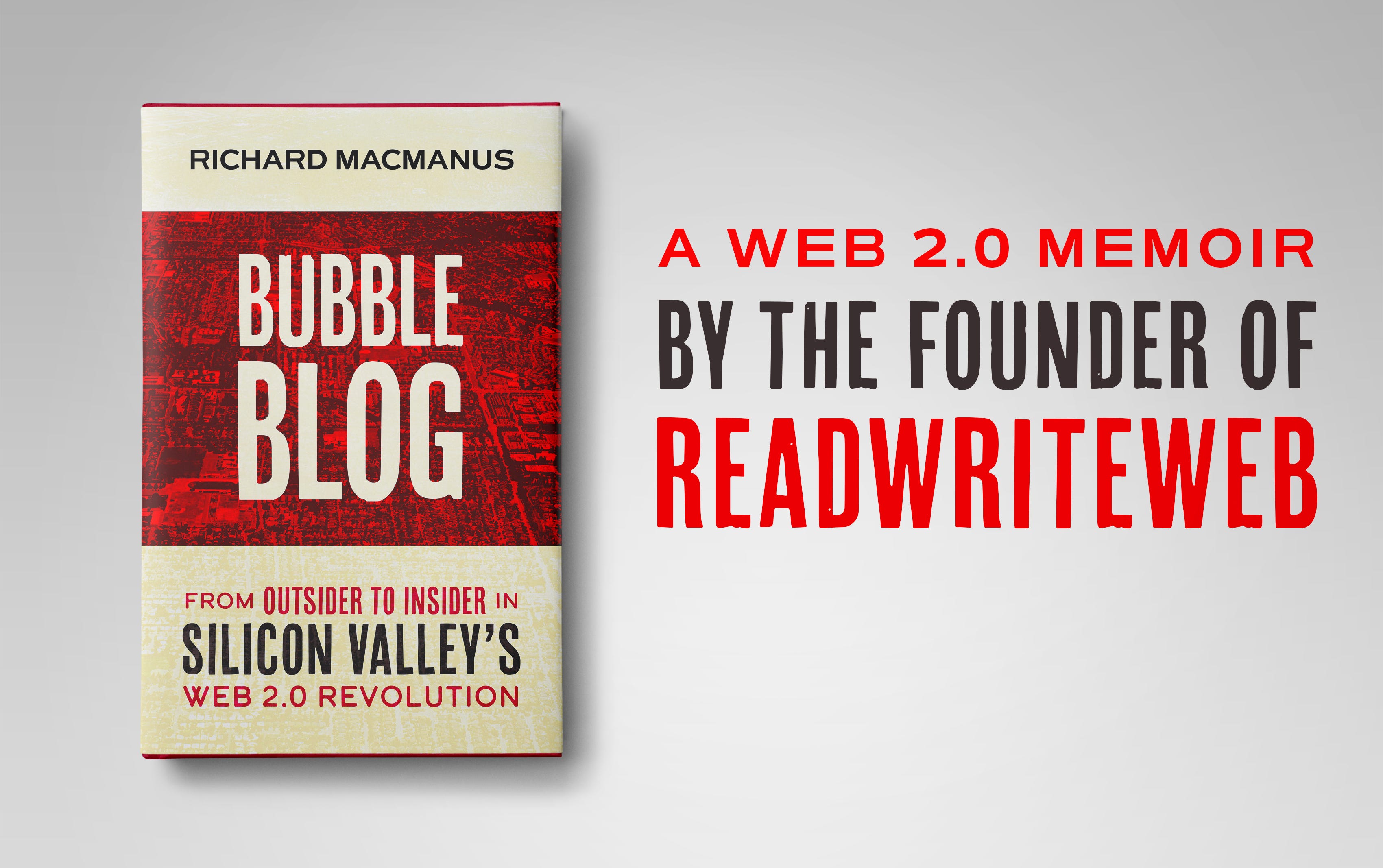
The End of Software
To understand how software will change, we can benefit from studying how technology has changed other industries. History tends to rhyme, if you listen. Before the internet, media behaved very differently—it was expensive to create. You had to pay people to make content, edit it, and distribute ...

Why Read the Classics?
A classic does not necessarily teach us anything we did not know before. In a classic we sometimes discover something we have always known (or thought we knew), but without knowing that this author said it first, or at least is associated with it in a special way. And this, too, is a surprise that gives a lot of pleasure, such as we always gain from the discovery of an origin, a relationship, an affinity. From all this we may derive a definition of this type: The classics are books that we find all the more new, fresh, and unexpected upon reading, the more we thought we knew them from hearing them talked about.

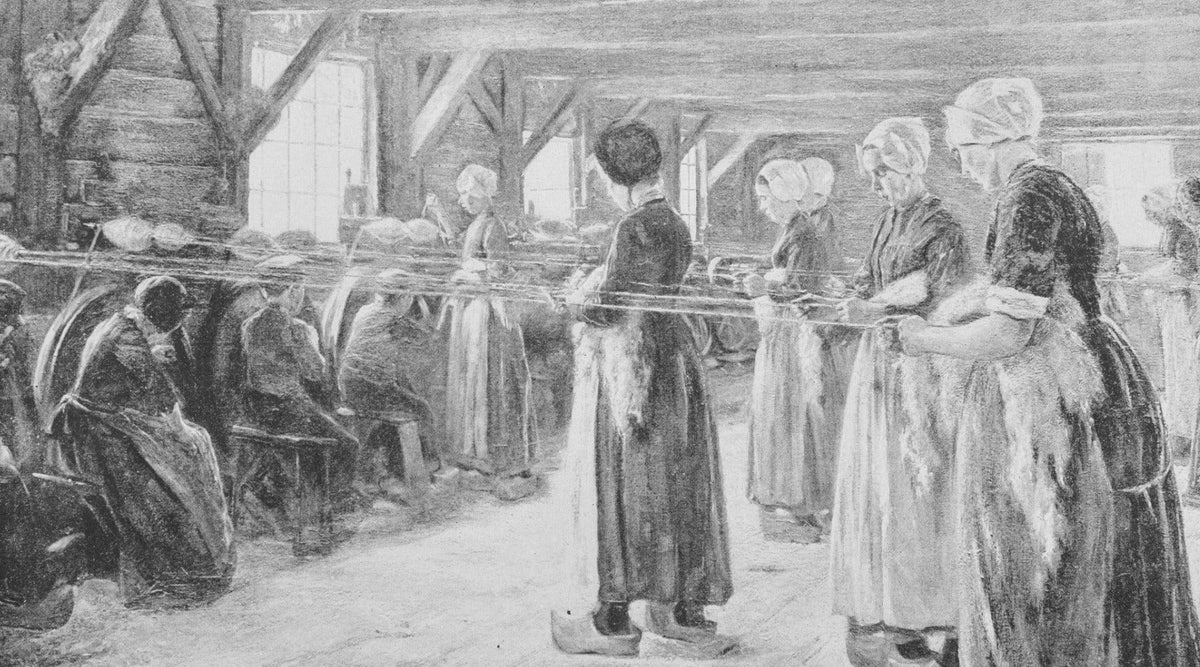
The History of Linen
Linen can be traced back thousands of years. Learn how it was first used, see how it's evolved, and find out why it's the textile of choice for today’s world.
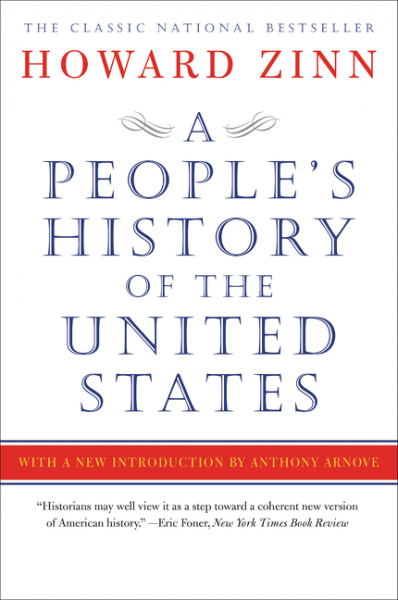
A People’s History of the United States - Howard Zinn
By Howard Zinn. Book - Non-fiction. HarperCollins. 1980; multiple updates with a new introduction by Anthony Arnove in 2015. Howard Zinn's groundbreaking work on U.S. history. Since its original landmark publication in 1980, A People’s History of the United Stateshas been chronicling American history from the bottom up, throwing out the official version of history taught in schools — with its emphasis on great men in high places — to focus on the street, the home, and the workplace.
f0lkl0r3.dev — Computer History Museum Oral Histories
The people who built the future, in their own words. Oral history interviews from the Computer History Museum, enriched with AI-generated context, visuals, and connections.
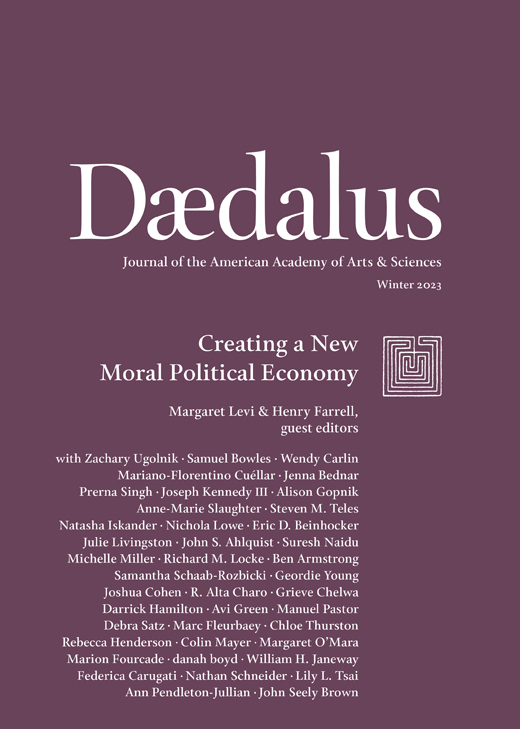
Governance Archaeology: Research as Ancestry
Abstract. This essay presents the idea of governance archaeology, an approach to learning from the past to inform the politics of the future. By reporting on a prototype historical database, we outline a strategy for co-producing a global commons of collective governance practices that can inspire institutional learning and experimentation, particularly in the face of rapid technological change and vexing global crises. Embedded in our approach is an orientation of ancestry whereby practitioners cultivate relationships of accountability and responsibility to the legacies they learn from, recognizing the harm from past patterns of exploitation. By taking seriously a wide range of historical governance practices, particularly those outside the Western canon, governance archaeology seeks to expand the options available for the design of more moral political economies.