


Models allow us to expose, explore, and excavate our assumptions. This is especially true for the sorts of assumptions that concern scholars of marginalization and resistance, who aim to show how ...
The Illusion of Asymmetric Insight
The Misconception: You celebrate diversity and respect others’ points of view. The Truth: You are driven to create and form groups and then believe others are wrong just because they are oth…


La Singularidad Reflexiva: Derivas Identitarias en la Topología Probabilística de Modelos Generativos
Introspección asistida por entropía

Redecentralization
A thought experiment! Let's reimagine the web with r-selected thinking.
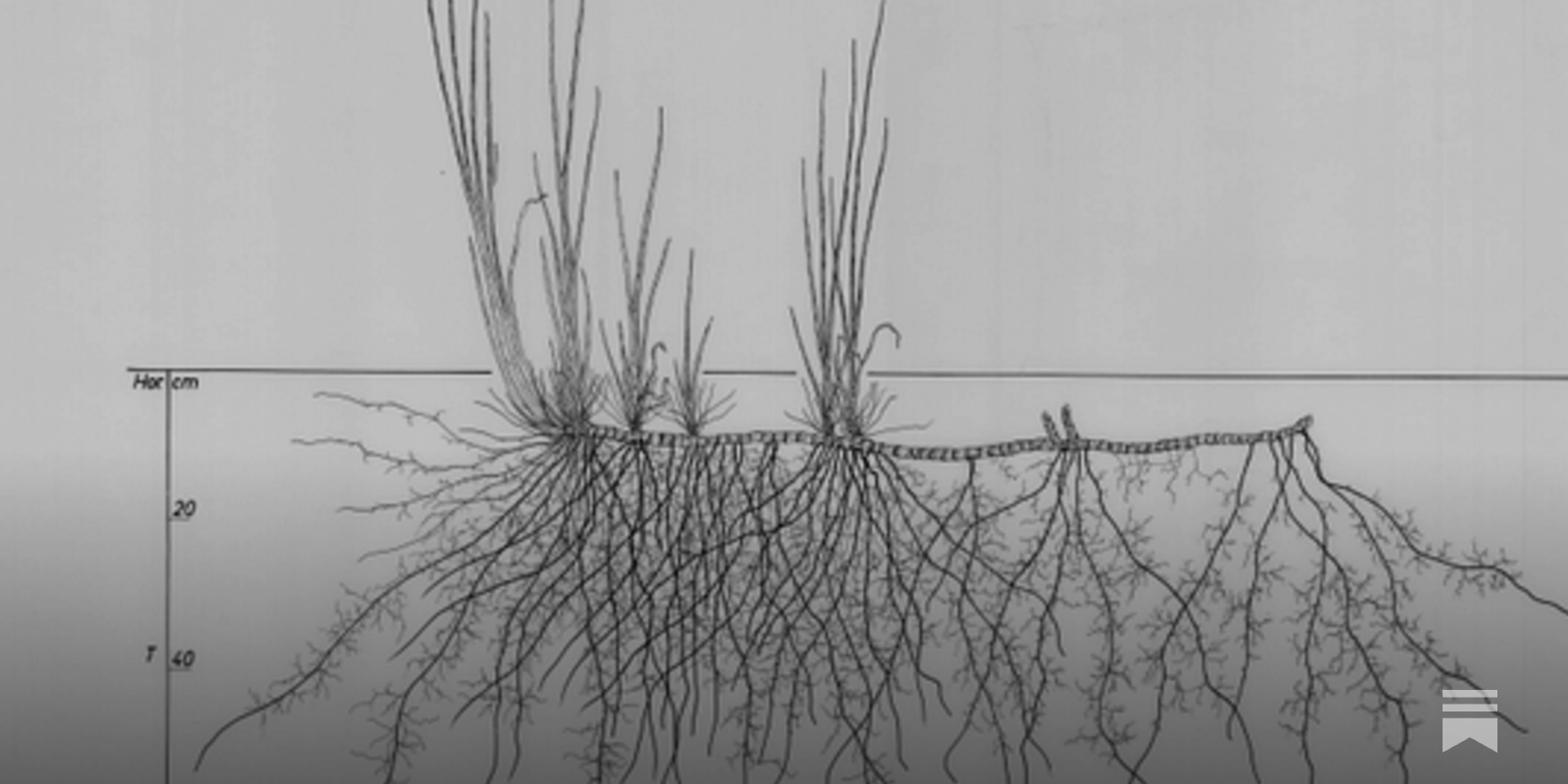
Redecentralization
A thought experiment! Let's reimagine the web with r-selected thinking.
We don’t have a hundred biases, we have the wrong model
Behavioral economics has identified dozens of cognitive biases that stop us from acting 'rationally'. But instead of building up a messier and messier picture of human behavior, we need a new model.

A sampling model of social judgment.
Human perspectives on AI · Global Voices
This GV Spotlight edition will explore how the use of, promotion of, and resistance to artificial intelligence is playing out for the Global Majority.

Algorithmic monoculture and social welfare
Significance Algorithmic monoculture is a growing concern in the use of algorithms for high-stakes screening decisions in areas such as employment and lending. If many firms use the same algorithm, even if it is more accurate than the alternatives, the resulting “monoculture” may be susceptible to correlated failures, much as a monocultural system is in biological settings. To investigate this concern, we develop a model of selection under monoculture. We find that even without any assumption of shocks or correlated failures—i.e., under “normal operations”—the quality of decisions may decrease when multiple firms use the same algorithm. Thus, the introduction of a more accurate algorithm may decrease social welfare—a kind of “Braess’ paradox” for algorithmic decision-making. , As algorithms are increasingly applied to screen applicants for high-stakes decisions in employment, lending, and other domains, concerns have been raised about the effects of algorithmic monoculture, in which many decision-makers all rely on the same algorithm. This concern invokes analogies to agriculture, where a monocultural system runs the risk of severe harm from unexpected shocks. Here, we show that the dangers of algorithmic monoculture run much deeper, in that monocultural convergence on a single algorithm by a group of decision-making agents, even when the algorithm is more accurate for any one agent in isolation, can reduce the overall quality of the decisions being made by the full collection of agents. Unexpected shocks are therefore not needed to expose the risks of monoculture; it can hurt accuracy even under “normal” operations and even for algorithms that are more accurate when used by only a single decision-maker. Our results rely on minimal assumptions and involve the development of a probabilistic framework for analyzing systems that use multiple noisy estimates of a set of alternatives.

Algorithmic monoculture and social welfare
Significance Algorithmic monoculture is a growing concern in the use of algorithms for high-stakes screening decisions in areas such as employment and lending. If many firms use the same algorithm, even if it is more accurate than the alternatives, the resulting “monoculture” may be susceptible to correlated failures, much as a monocultural system is in biological settings. To investigate this concern, we develop a model of selection under monoculture. We find that even without any assumption of shocks or correlated failures—i.e., under “normal operations”—the quality of decisions may decrease when multiple firms use the same algorithm. Thus, the introduction of a more accurate algorithm may decrease social welfare—a kind of “Braess’ paradox” for algorithmic decision-making. , As algorithms are increasingly applied to screen applicants for high-stakes decisions in employment, lending, and other domains, concerns have been raised about the effects of algorithmic monoculture, in which many decision-makers all rely on the same algorithm. This concern invokes analogies to agriculture, where a monocultural system runs the risk of severe harm from unexpected shocks. Here, we show that the dangers of algorithmic monoculture run much deeper, in that monocultural convergence on a single algorithm by a group of decision-making agents, even when the algorithm is more accurate for any one agent in isolation, can reduce the overall quality of the decisions being made by the full collection of agents. Unexpected shocks are therefore not needed to expose the risks of monoculture; it can hurt accuracy even under “normal” operations and even for algorithms that are more accurate when used by only a single decision-maker. Our results rely on minimal assumptions and involve the development of a probabilistic framework for analyzing systems that use multiple noisy estimates of a set of alternatives.
If you rise, I fall: Equality is prevented by the misperception that it harms advantaged groups
Nine preregistered studies ( n = 4197) demonstrate that advantaged group members misperceive equality as necessarily harming their access to resources and inequality as necessarily benefitting them. Only when equality is increased within their ingroup, instead of between groups, do advantaged group members accurately perceive it as unharmful. Misperceptions persist when equality-enhancing policies offer broad benefits to society or when resources, and resource access, are unlimited. A longitudinal survey of the 2020 U.S. voters reveals that harm perceptions predict voting against actual equality-enhancing policies, more so than voters’ political and egalitarian beliefs. Finally two novel-groups experiments reveal that advantaged participants’ harm misperceptions predict voting for inequality-enhancing policies that financially hurt them and against equality-enhancing policies that financially benefit them. Misperceptions persist even after an intervention to improve decision-making. This misperception that equality is necessarily zero-sum may explain why inequality prevails even as it incurs societal costs that harm everyone. , Advantaged groups misperceive equality as harming their resource access, which predicts voting against equality policies.

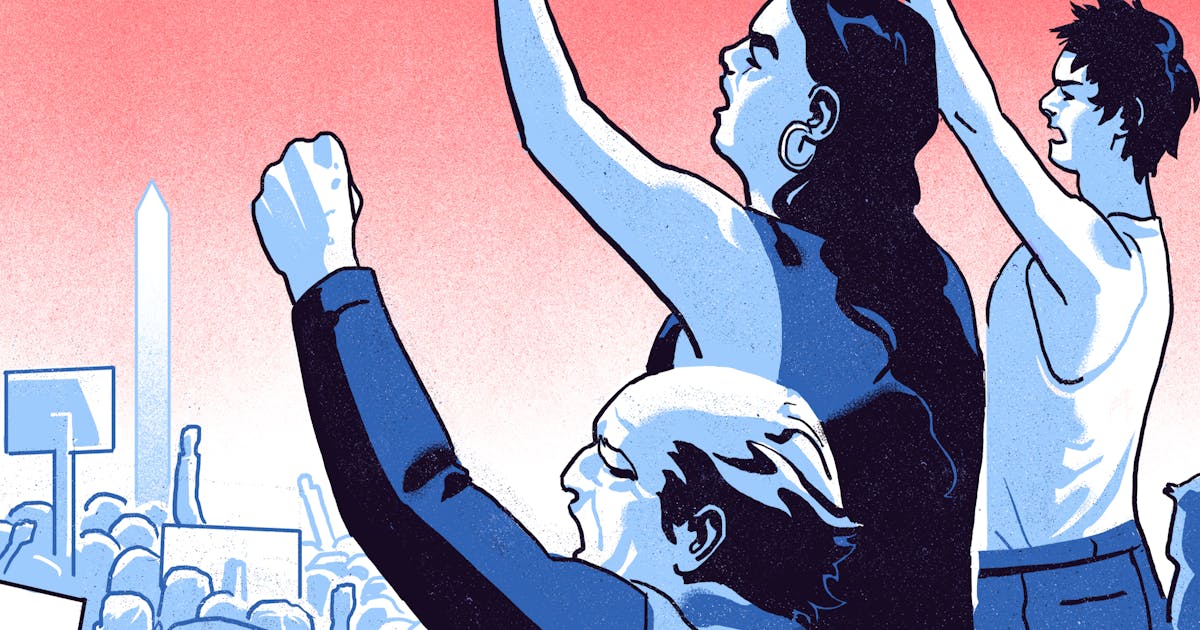
Fighting Back: A Citizen’s Guide to Resistance
Ordinary people have more power than they know.

Resisting Racial Capitalism: An Antipolitical Theory of Refusal
An Antipolitical Theory of Refusal
Differences Between Tight and Loose Cultures: A 33-Nation Study
The differences across cultures in the enforcement of conformity may reflect their specific histories. , With data from 33 nations, we illustrate the differences between cultures that are tight (have many strong norms and a low tolerance of deviant behavior) versus loose (have weak social norms and a high tolerance of deviant behavior). Tightness-looseness is part of a complex, loosely integrated multilevel system that comprises distal ecological and historical threats (e.g., high population density, resource scarcity, a history of territorial conflict, and disease and environmental threats), broad versus narrow socialization in societal institutions (e.g., autocracy, media regulations), the strength of everyday recurring situations, and micro-level psychological affordances (e.g., prevention self-guides, high regulatory strength, need for structure). This research advances knowledge that can foster cross-cultural understanding in a world of increasing global interdependence and has implications for modeling cultural change.