Overview of Albert Camus’s The Rebel, exploring metaphysical and historical rebellion, nihilism, revolution, and the limits of political violence.
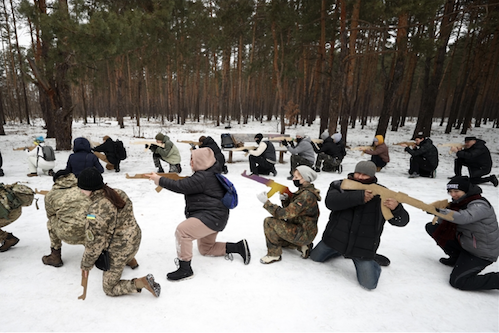
Civilianisation de la guerre et résistance des sociétés: sommes-nous prêts à tirer les leçons ukrainiennes?
Par Anna Colin Lebedev
Fighting Back: A Citizen’s Guide to Resistance
Ordinary people have more power than they know.
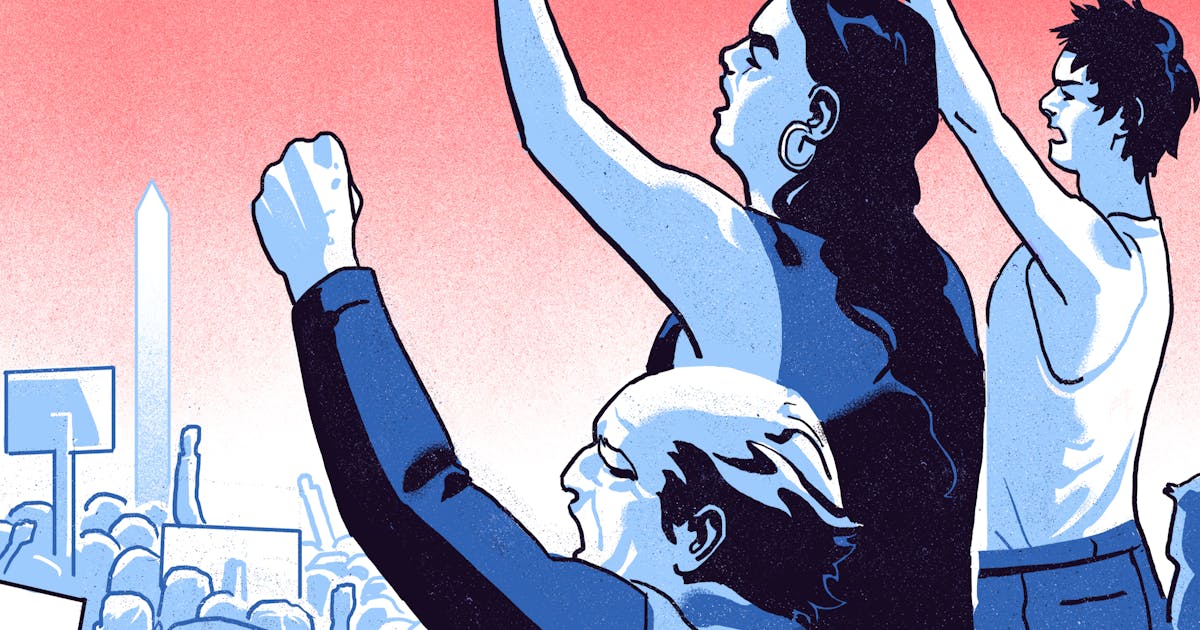
Anatomy of a counter-insurgency - MR Online
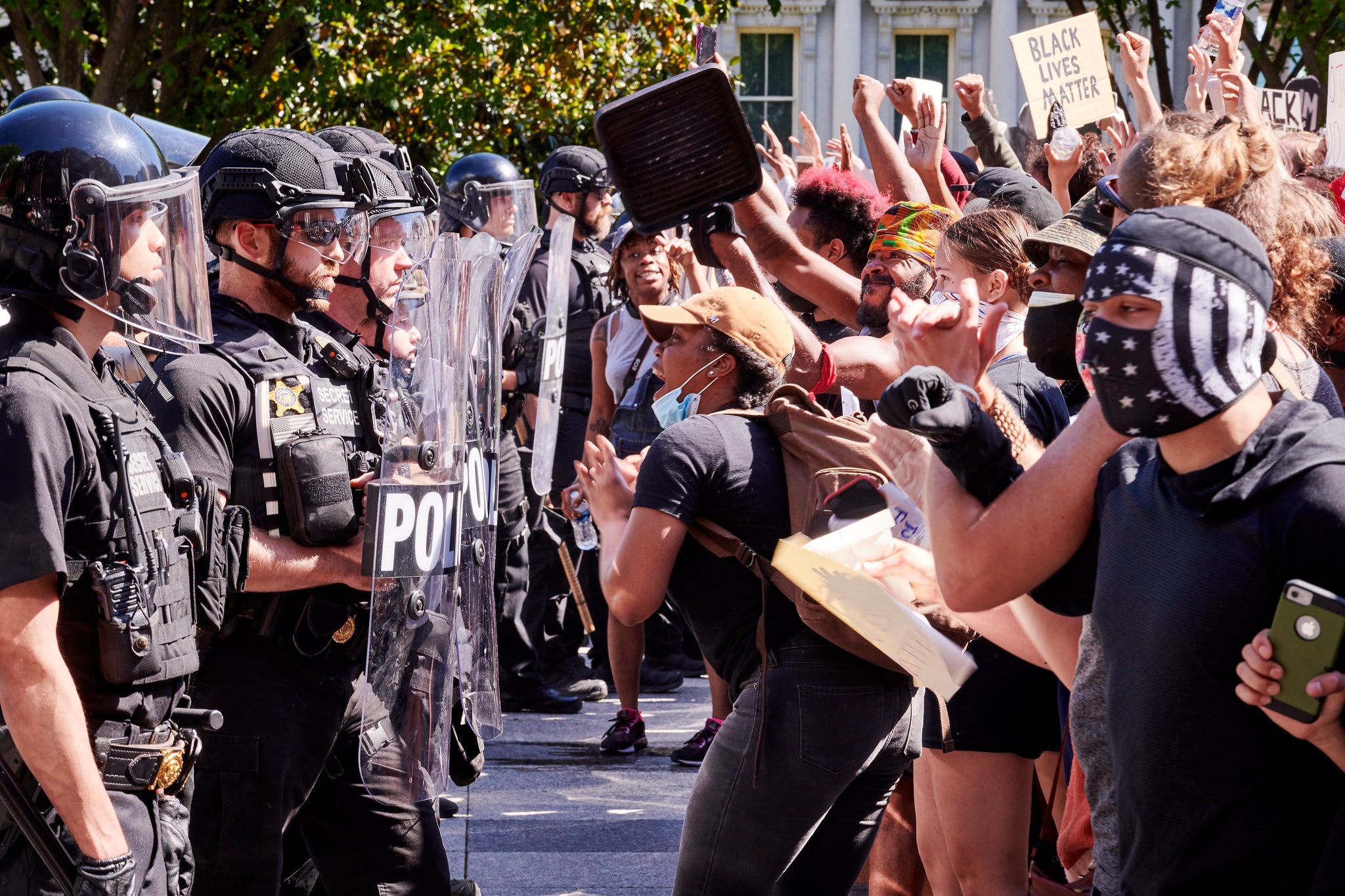
The defanging of the George Floyd Uprising was not accidental but was rather a deliberate attempt on the part of the American ruling class to regain social control in the wake of the largest and most militant protests in recent memory. This article examines the dimensions of how this defanging took place: how, within the space of two weeks, we went from burning down a police station to making small budgetary demands.
The Counter-Revolution of 1776: Slave Resistance and th…
Illuminates how the preservation of slavery was a moti…

Deeds, Not Words: The Myth of Polite Revolution
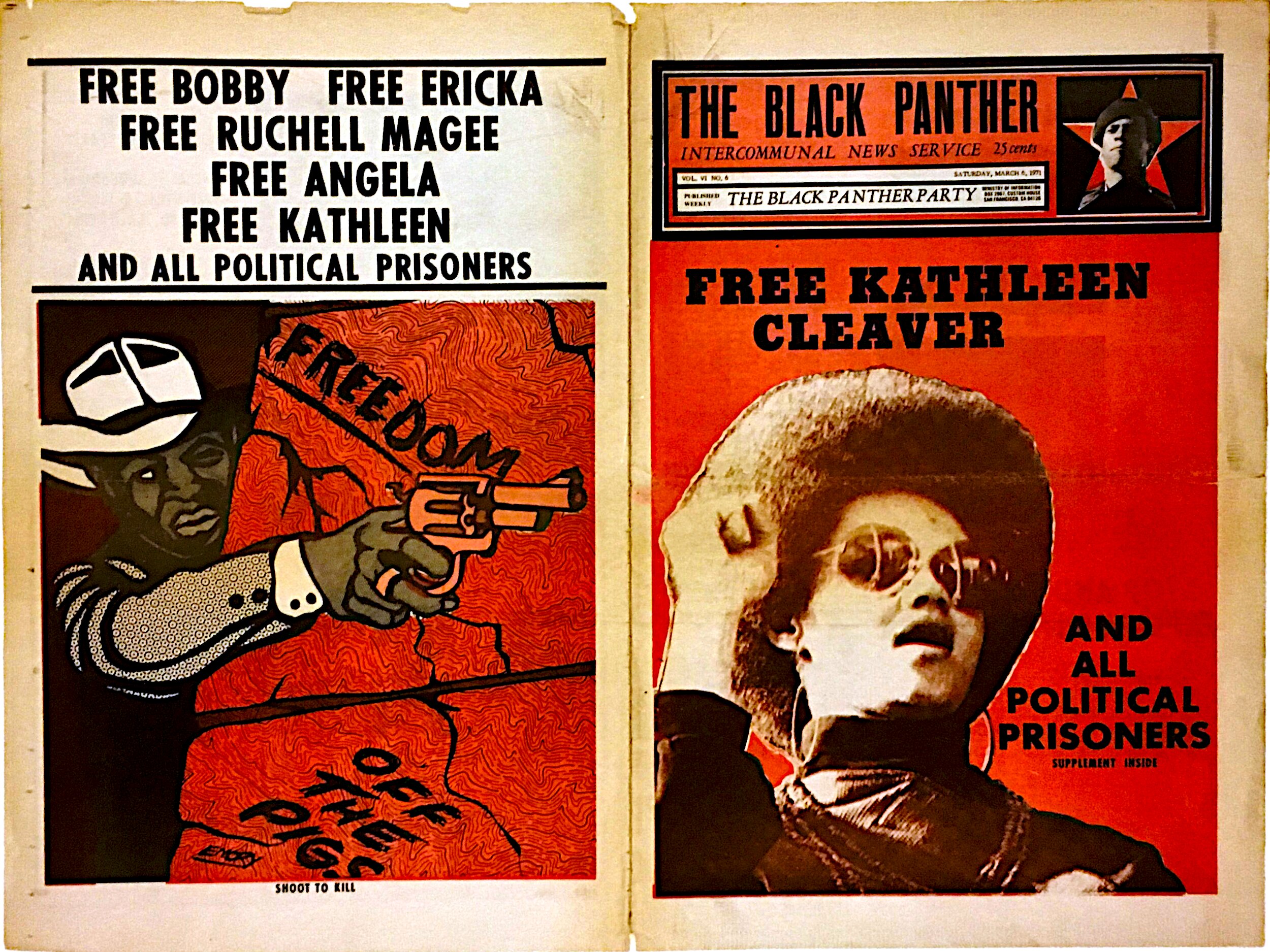
A refusal of the sanitized story that rights were won by asking nicely. The suffragettes bombed Westminster Abbey. The Deacons for Defense guarded MLK. Man…
VAN MUTOKA on Twitter / X
« Une société sage enseigne le questionnement , non l’obéissance . » John Locke ( 1632 -1704 ap .Jc) pic.twitter.com/RWUFL7Hz3R— VAN MUTOKA (@vanmutoka1) October 10, 2026

Blue Rage, Black Redemption: A Memoir
A gripping tale of personal revolution by a man who wen…

Guerrilla Warfare by Ernesto "Che" Guevara (1998-09-01)
Che Guevara, the larger-than-life hero of the 1959 revo…

Marxism & the Global South
A critical history of imperialism and dependency theory, from Marx on colonialism and Eurocentrism to Baran, Frank, Wallerstein, and Samir Amin.
Marxism & the Global South
A critical history of imperialism and dependency theory, from Marx on colonialism and Eurocentrism to Baran, Frank, Wallerstein, and Samir Amin.
Anarchism and The Black Revolution and Other Essays
An analysis of white supremacy vs the black struggle an…

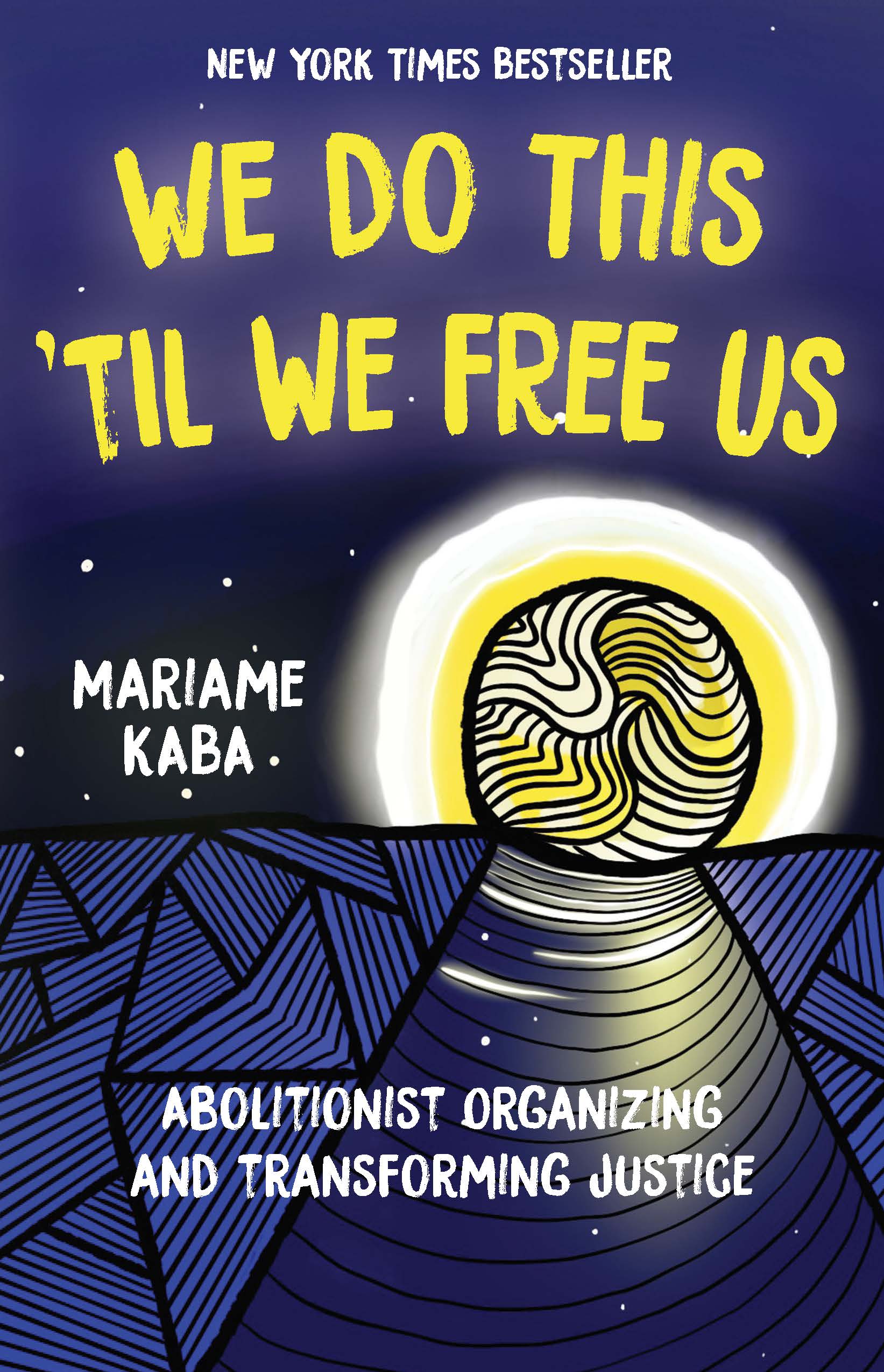
We Do This 'Til We Free Us
New York Times Bestseller “Organizing is both science and art. It is thinking through a vision, a strategy, and then figuring out who your targets are, always being concerned about power, always being concerned about how you’re going to actually build power in order to be able to push your issues, in order to be able to get the target to actually move in the way that you want to.” What if social transformation and liberation isn’t about waiting for someone else to come along and save us? What if ordinary people have the power to collectively free ourselves? In this timely collection of essays and interviews, Mariame Kaba reflects on the deep work of abolition and transformative political struggle. With a foreword by Naomi Murakawa and chapters on seeking justice beyond the punishment system, transforming how we deal with harm and accountability, and finding hope in collective struggle for abolition, Kaba’s work is deeply rooted in the relentless belief that we can fundamentally change the world. As Kaba writes, “Nothing that we do that is worthwhile is done alone.”
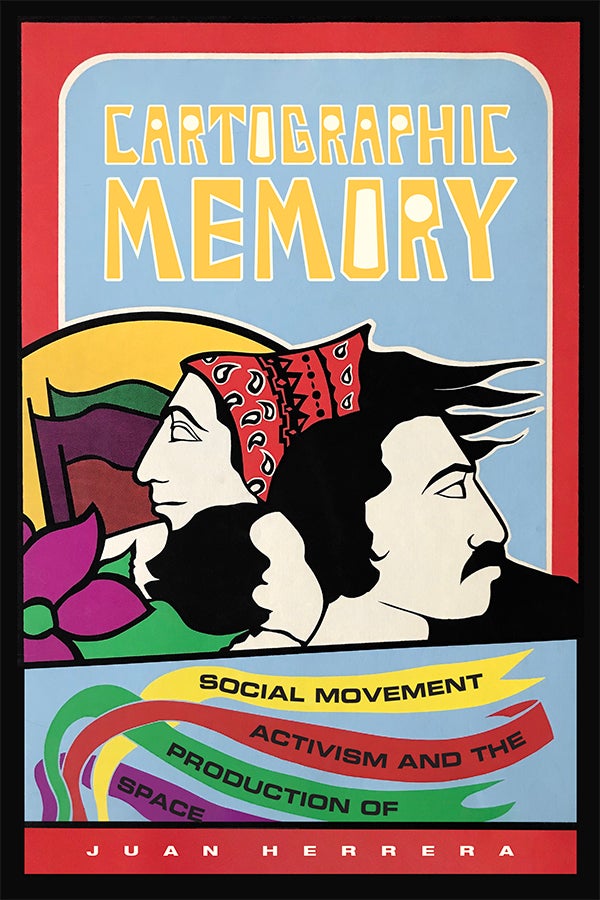
Cartographic Memory: Social Movement Activism and the Production of Space
“Cartographic Memory is a creative, important, and well-written book that offers a vital analysis of Latinx activism in Oakland. Juan Herrera’s concept of social movement continuities helps us analyze the range of ways that actors make social change, rather than only focusing on the most radical politics or certain epic moments. Herrera’s book is an outstanding contribution toward building a nuanced and complex understanding of Latinx social movements.” - Victoria Lawson, author of Making Development Geography
“One Battle After Another” Reminds Me What I Want From White Art - Electric Literature
Latine activism is an unusual addition to Paul Thomas Anderson's milk-pale oeuvre


Paniques morales : l’arme fatale de l’extrême droite
Maladies, sport, sexualité, religion : quel que soit le sujet, l’extrême droite construit des menaces imaginaires pour créer du conflit. On parle alors de « paniques morales ».