


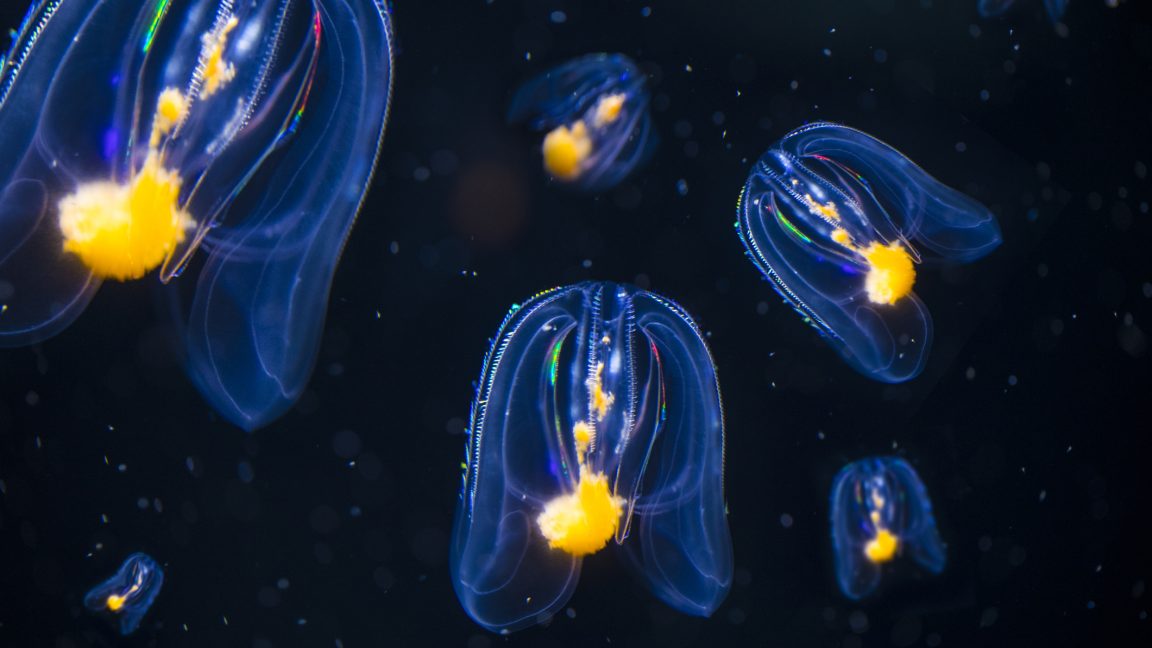
A team led by UC Riverside geologists has discovered the first ancestor on the family tree that contains most familiar animals today, including humans.
New animal family tree raises questions about the origin of nervous systems
Sponges are more closely related to us than some animals with a nervous system.
Aboriginal Memories of Inundation of the Australian Coast Dating from More than 7000 Years Ago (Australian Geographer)
"Some stories belonging to Australian Aboriginal groups tell of a time when the former coastline of mainland Australia was inundated by rising sea level. Stories are presented from 21 locations from every part of this coastline. In most instances it is plausible to assume that these stories refer to events that occurred more than about 7000 years ago, the approximate time at which sea level reached its present level around Australia. They therefore provide empirical corroboration of postglacial sea-level rise. For each of the 21 locations, the minimum water depth (below present sea level) needed for the details of the particular group of local-area stories to be true is calculated. This is then compared with the sea-level envelope for Australia (Lewis et al., Quaternary Science Reviews, 2013) and maximum and minimum ages for the most recent time that these details could have been observed are calculated. This method of dating Aboriginal stories show that they appear to have endured since 7250-13,070 cal yr BP (5300-11,120 BC). The implications of this extraordinary longevity of oral traditions are discussed, including those aspects of Aboriginal culture that ensured effective transgenerational communication and the possibility that traditions of comparable antiquity may exist in similar cultures."

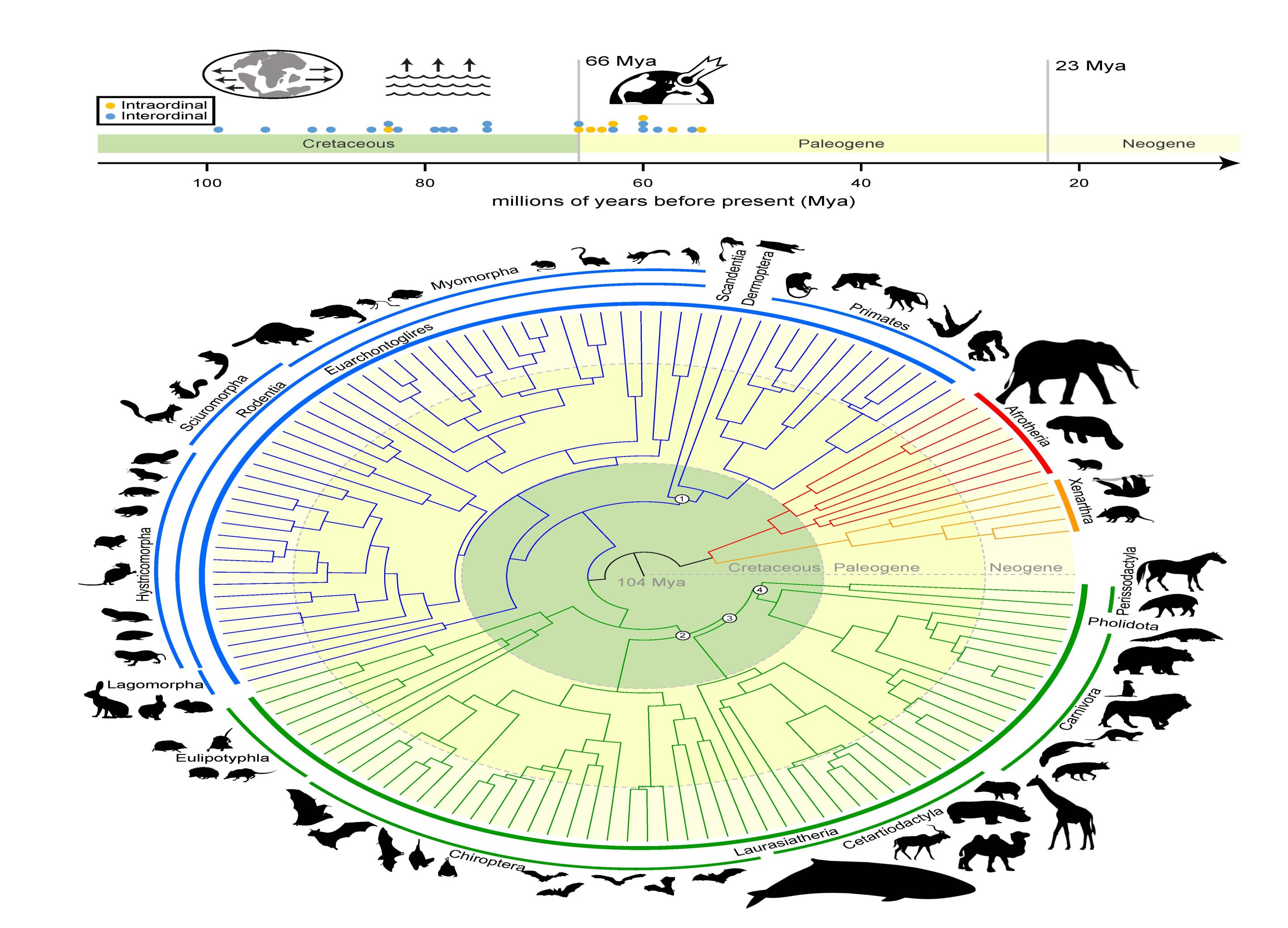
Researchers use genomes of 241 species to redefine mammalian tree of life
Research led by a team of scientists from the Texas A&M School of Veterinary Medicine and Biomedical Sciences puts to bed the heated scientific debate regarding the history of mammal diversification ...
Richard McElreath Director Department of Human Behavior, Ecology, and Culture [link] Max Planck Institute for Evolutionary Anthropology [link]
Indigenous Australian population was much larger than previously thought and decimated after First Fleet's arrival
Australia had a much larger Indigenous population before the arrival of Europeans than previously thought, according to new research. The research also demonstrates much larger population losses resulting ...

Darwin the abolitionist
The theory of evolution is regarded as a triumph of disinterested scientific reason. Yet, on the 150th anniversary of "On the Origin of Species," new research reveals that Darwin was driven to the idea of common descent by a great moral cause
Taxonomy (biology)
With advances in the theory, data and analytical technology of biological systematics, the Linnaean system has transformed into a system of modern biological classification intended to reflect the evolutionary relationships among organisms, both living and extinct.
Richard McElreath 🐈⬛ (@rmcelreath.bsky.social)
Anthropologist - Bayesian modeling - science reform - cat and cooking content too - Director @ MPI for evolutionary anthropology https://www.eva.mpg.de/ecology/staff/richard-mcelreath/

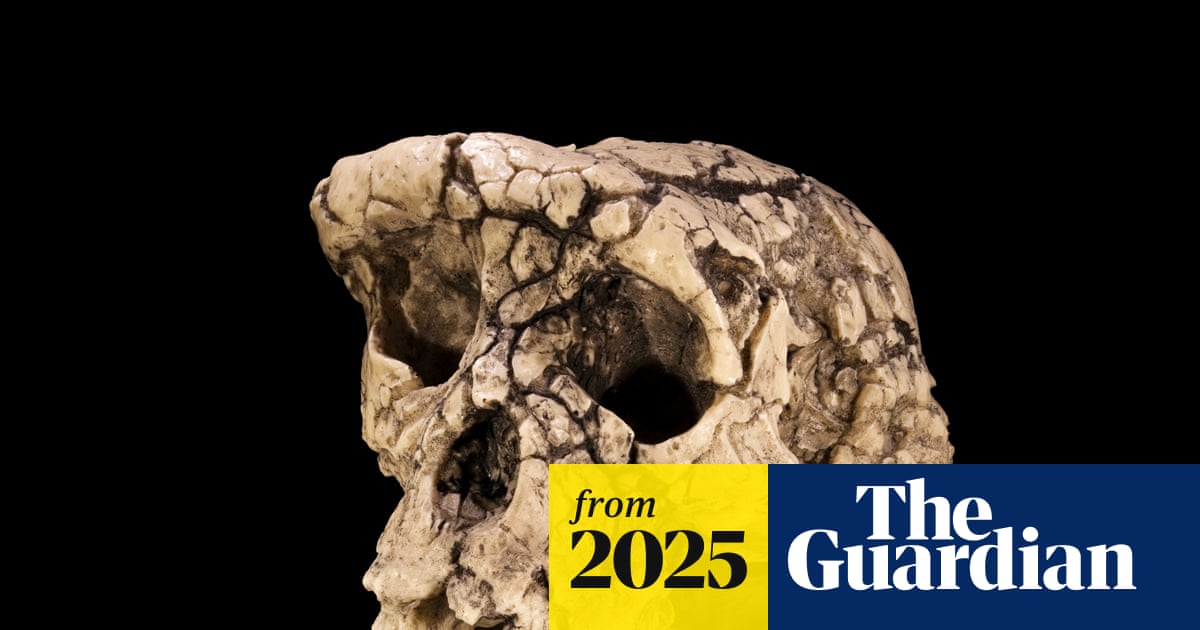
The curse of Toumaï: an ancient skull, a disputed femur and a bitter feud over humanity’s origins
The long read: When fossilised remains were discovered in the Djurab desert in 2001, they were hailed as radically rewriting the history of our species. But not everyone was convinced – and the bitter argument that followed has consumed the lives of scholars ever since
Of mice and men, cats and grains
When hunter-gatherers started to settle, they created new ecological niches for rodents, which could become a problem as soon as the residents started to grow cereals and wanted to store grains. Cats took over the pest control job to the extent that humans began to appreciate their presence and spread them around the world, along with their cereals and mice. Bioarchaeology and genetic studies are now beginning to reveal the origins of this curious and now ubiquitous ecological constellation. Michael Gross reports.
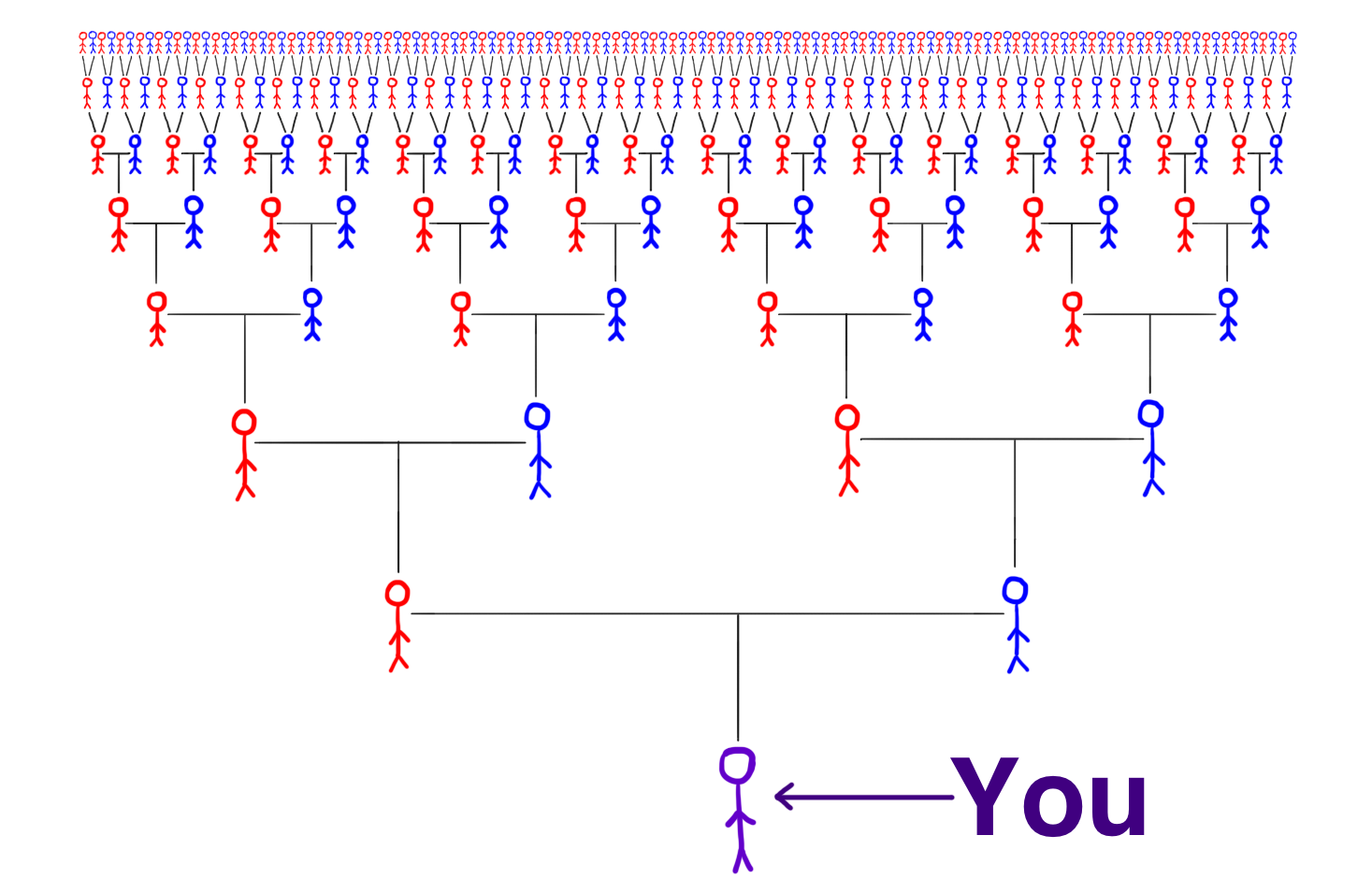
Your Family: Past, Present, and Future
The past, present, and future of your family tree are all far more fascinating than you realize.
The Scientist Who Scrambled Darwin’s Tree of Life (Published 2018)
How the microbiologist Carl Woese fundamentally changed the way we think about evolution and the origins of life.

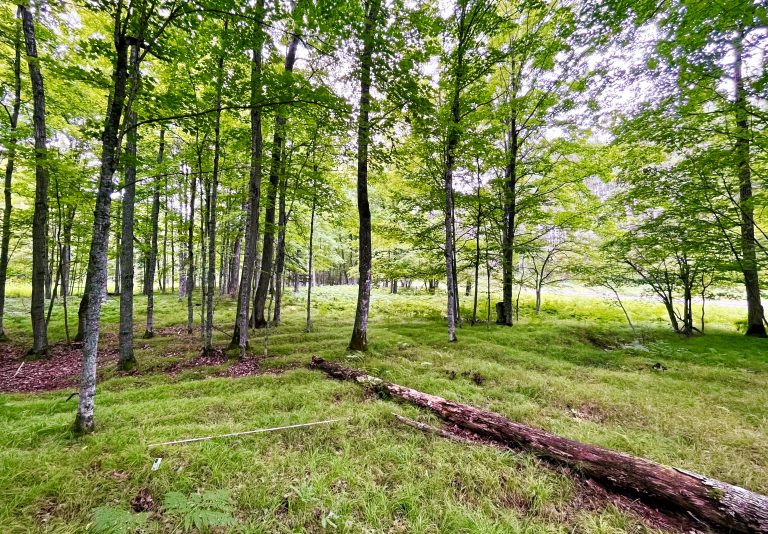
Archaeologists Uncover Massive 1000-Year-Old Native American Farms That Defy the Limits of Agriculture
Hidden beneath Michigan’s forests, researchers have uncovered vast ancient farmlands built by ancestral Menominee communities, revealing a complex agricultural system.
Genealogy websites identify rape suspect who eluded police for 40 years
Match came after finding relatives' DNA on commercial service, news reports say.

Edouard Joseph d’Alton’s Illustrations of Animal Skeletons (1821–1838)
Meticulous illustrations from an atlas of animal bones, including those of the tiny squirrel and the tall giraffe, the domesticated camel and the extinct giant ground sloth.

Neil & Sara Imari Walker Discuss New Theories on The Origins of Life in the Universe