


In a new University of California, Irvine-led study, researchers define how the circadian clock influences cell growth, metabolism and tumor progression. Their research also reveals how disruption of ...
Dosing time matters
Circadian precision medicine may supplement genetic precision to improve drug action

How fasting can improve overall health
Researchers found evidence that fasting affects circadian clocks in the liver and skeletal muscle, causing them to rewire their metabolism, which can ultimately lead to improved health and protection against aging-associated diseases.

Poor sleeping patterns link to cancer
Irregular sleeping patterns are "unequivocally" shown to lead to cancer in tests on mice, a study suggests.

When We Eat, or Don’t Eat, May Be Critical for Health (Published 2018)
A growing body of research suggests that our bodies function optimally when we align our eating patterns with our circadian rhythms.

Your Body's Best Time for Everything
A growing body of research suggests that the body clock can help pinpoint the best times of day to perform specific tasks, from solving work problems to playing racquetball.

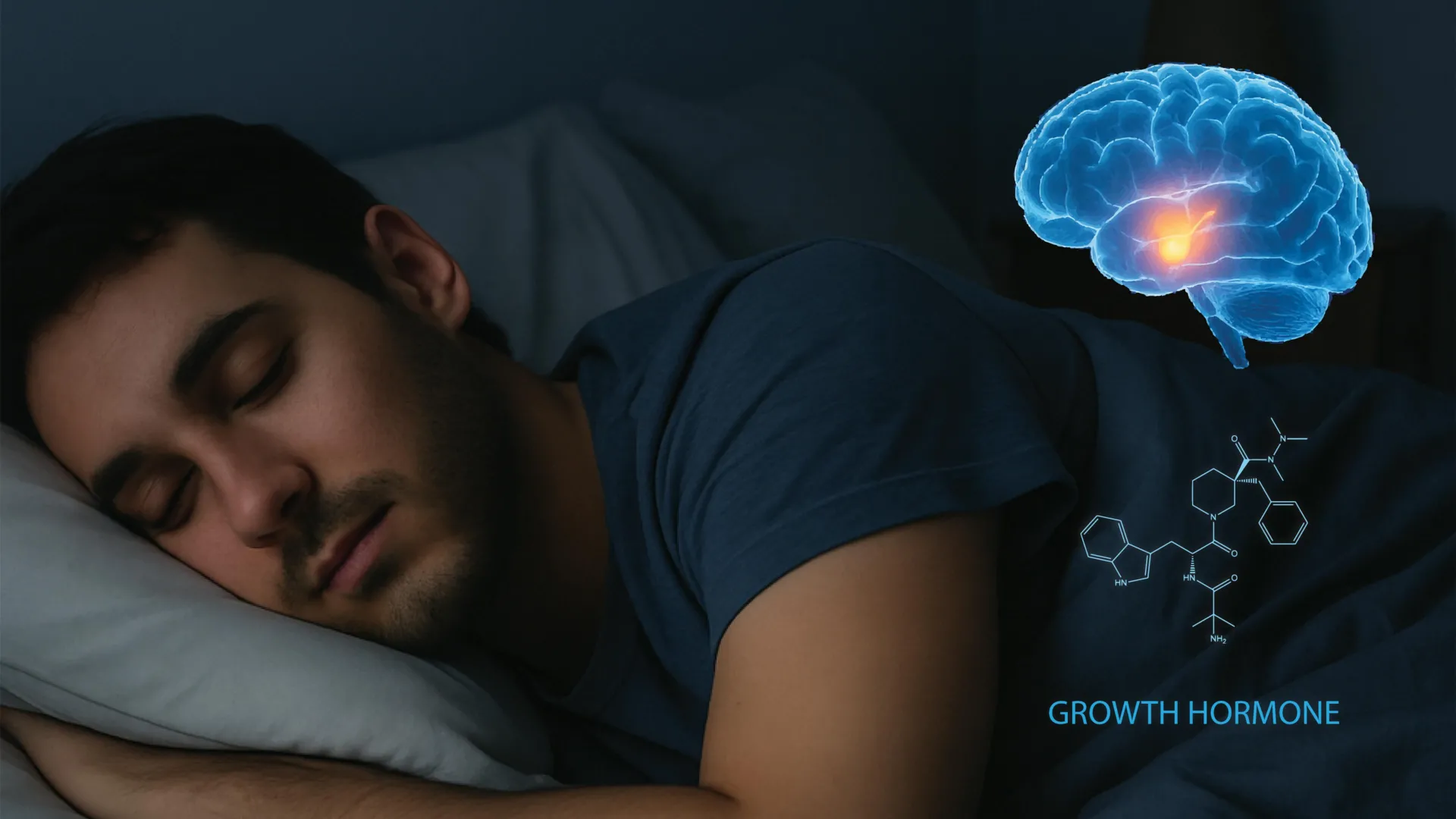
Scientists discover how deep sleep builds muscle, burns fat, and boosts the brain
Scientists have discovered a surprising two-way relationship between sleep and growth hormone, revealing how the brain carefully balances physical recovery with wakefulness. The findings could help explain why poor sleep harms metabolism and brain health, potentially opening the door to new treatments for sleep and neurological disorders.
Scientists found brain’s internal clock that influences how we perceive time
A chocoholic rat named Marco helped scientists find special brain cell network.

Early Riser or Night Owl? New Study May Help To Explain the Difference - Slashdot
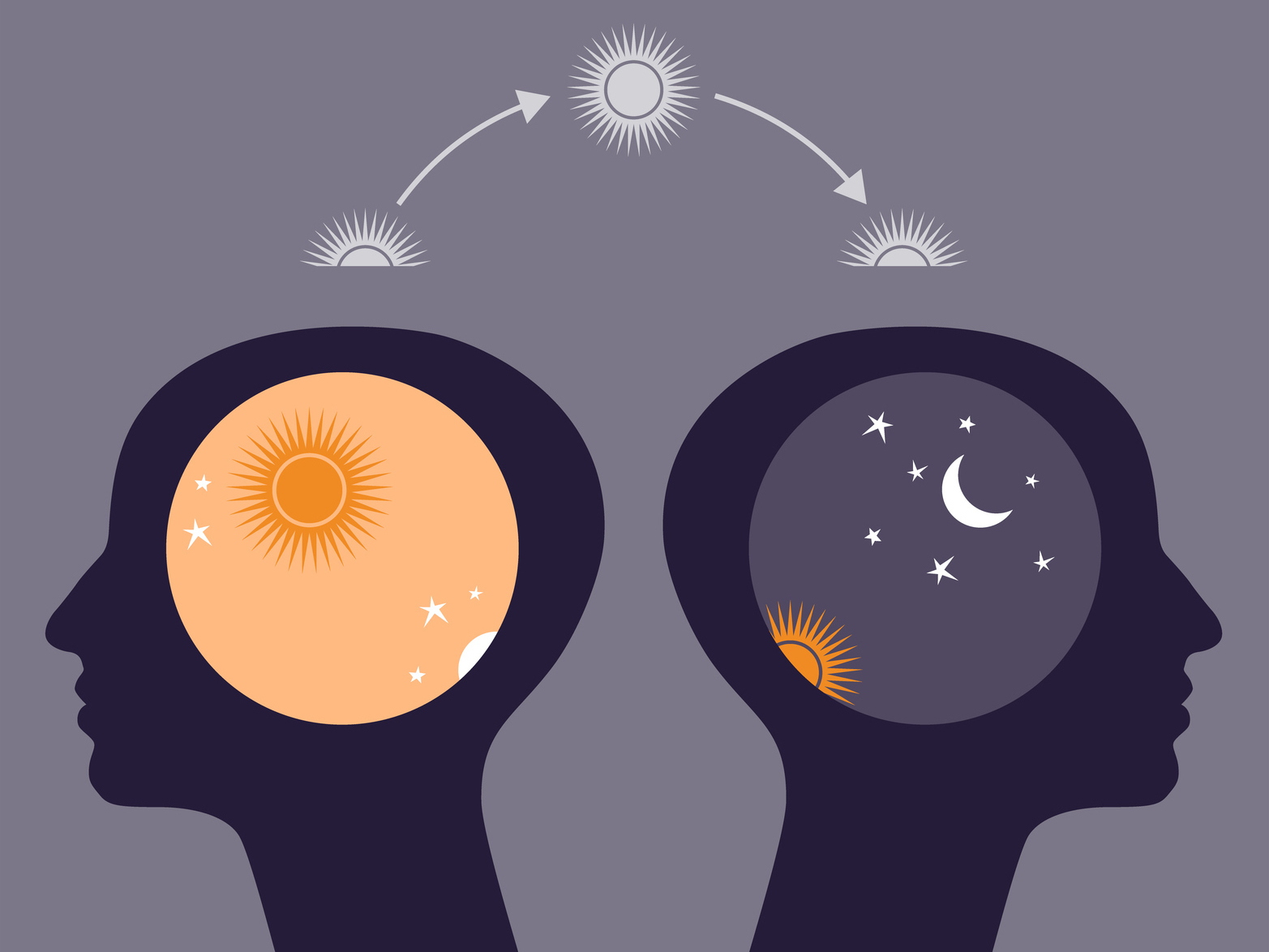
Some people are early risers, wide awake at the crack of dawn. Others are night owls who can't seem to get to bed until well after midnight and prefer to sleep in. Why is this? An NIH-funded team has some new clues based on evidence showing how a molecular "switch" wired into the biological clocks o...

Getting more light in the day and less at night is good for your health. Here's why
Diet, exercise and sleep are fundamental to our health, but so it our relationship to light. A massive, new study suggests light-driven disruption can take years off our lives.
The sleep switch that builds muscle, burns fat, and boosts brainpower
UC Berkeley researchers mapped the brain circuits that control growth hormone during sleep, uncovering a feedback system where sleep fuels hormone release, and the hormone regulates wakefulness. The discovery helps explain links between poor sleep, obesity, diabetes, and cognitive decline, while opening new paths for treating sleep and metabolic disorders.
'Sleep should be prescribed': what those late nights out could be costing you
Leading neuroscientist Matthew Walker on why sleep deprivation is increasing our risk of cancer, heart attack and Alzheimer’s – and what you can do about it

Depression linked to internal jet lag study finds
Circadian rhythms controlling sleep were out of sync in a quarter of young people with depression in this Sydney-based study. Read more

Simulated Interventions to Ameliorate Age-Related Bone Loss Indicate the Importance of Timing
Bone remodeling is the continuous process of bone resorption by osteoclasts and bone formation by osteoblasts, in order to maintain homeostasis. The activity of osteoclasts and osteoblasts is regulated by a network of signaling pathways, including Wnt, parathyroid hormone (PTH), RANKL/OPG and TGF-β, in response to stimuli such as mechanical loading. During aging there is a gradual loss of bone mass due to dysregulation of signaling pathways. This may be due to a decline in physical activity with age and/or changes in hormones and other signaling molecules. In particular, hormones such as PTH have a circadian rhythm which may be disrupted in aging. Due to the complexity of the molecular and cellular networks involved in bone remodeling, several mathematical models have been proposed to aid understanding of the processes involved. However, to date there are no models which explicitly consider the effects of mechanical loading, the circadian rhythm of PTH and the dynamics of signaling molecules on bone remodeling. Therefore, we have constructed a network model of the system using a modular approach which will allow further modifications as required in future research. The model was used to simulate the effects of mechanical loading and also the effects of different interventions such as continuous or intermittent administration of PTH. Our model predicts that the absence of regular mechanical loading and/or an impaired PTH circadian rhythm leads to a gradual decrease in bone mass over time which can be restored by simulated interventions and that the effectiveness of some interventions may depend on their timing.

Life Cycle - Track Your Time App - App Store
Download Life Cycle - Track Your Time by Sleep Cycle AB on the App Store. See screenshots, ratings and reviews, user tips, and more apps like Life Cycle - Track…

A Single Exercise Session May Slow Cancer Cell Growth, Study Finds - Slashdot
The Washington Post notes that past research "indicates that exercise helps some cancer survivors avoid recurrence of their disease." But a new study "offers an explanation of how, showing that exercise changes the inner workings of our muscles and cells, although more study is still needed..." T...
The New Thermodynamic Understanding of Clocks - Slashdot
Studies of the simplest possible clocks have revealed their fundamental limitations -- as well as insights into the nature of time itself. Natalie Wolchover, writing for Quanta Magazine: [...] Over the past five years, through studies of the simplest conceivable clocks, the researchers have discover...