


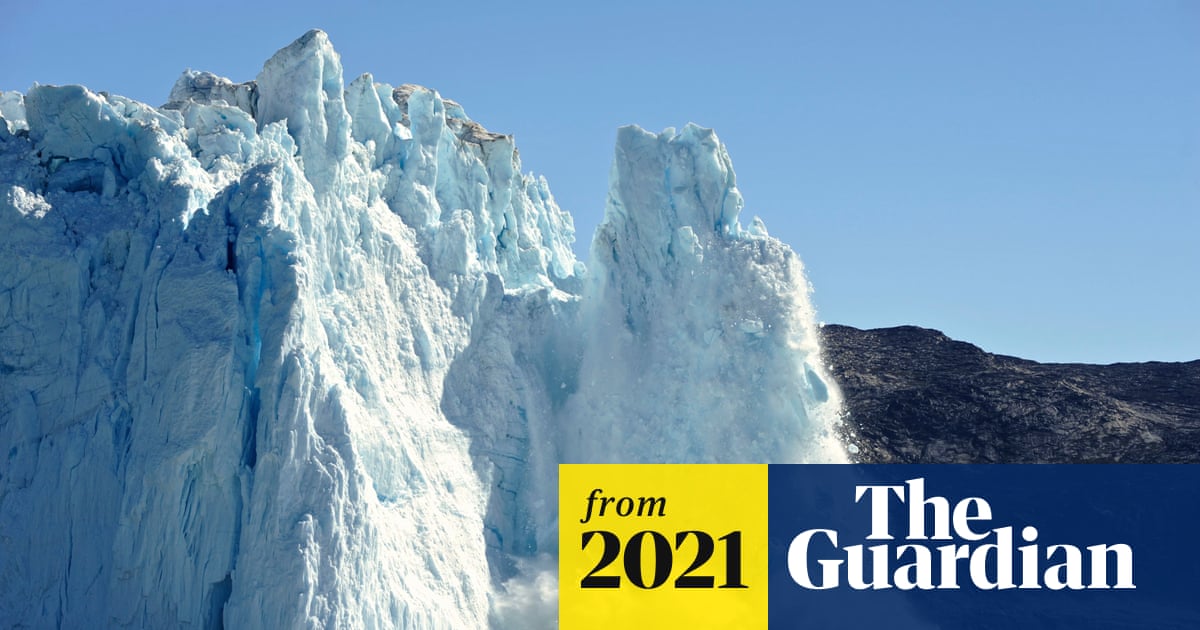
The Greenland and Antarctic ice sheets are now losing more than three times as much ice a year as they were 30 years ago, according to a new comprehensive international study.
Dramatic Slowdown in Melting of Arctic Sea Ice Surprises Scientists - Slashdot
The melting of sea ice in the Arctic has slowed dramatically in the past 20 years, scientists have reported, with no statistically significant decline in its extent since 2005. From a report: The finding is surprising, the researchers say, given that carbon emissions from fossil fuel burning have co...

Global ice loss accelerating at record rate, study finds
Rate of loss now in line with worst-case scenarios of the Intergovernmental Panel on Climate Change
The Arctic Is in Dire Straits, 20 Years of Reporting Show
The Arctic has changed dramatically in the past 20 years, a new report shows, as temperatures skyrocket and ice rapidly melts
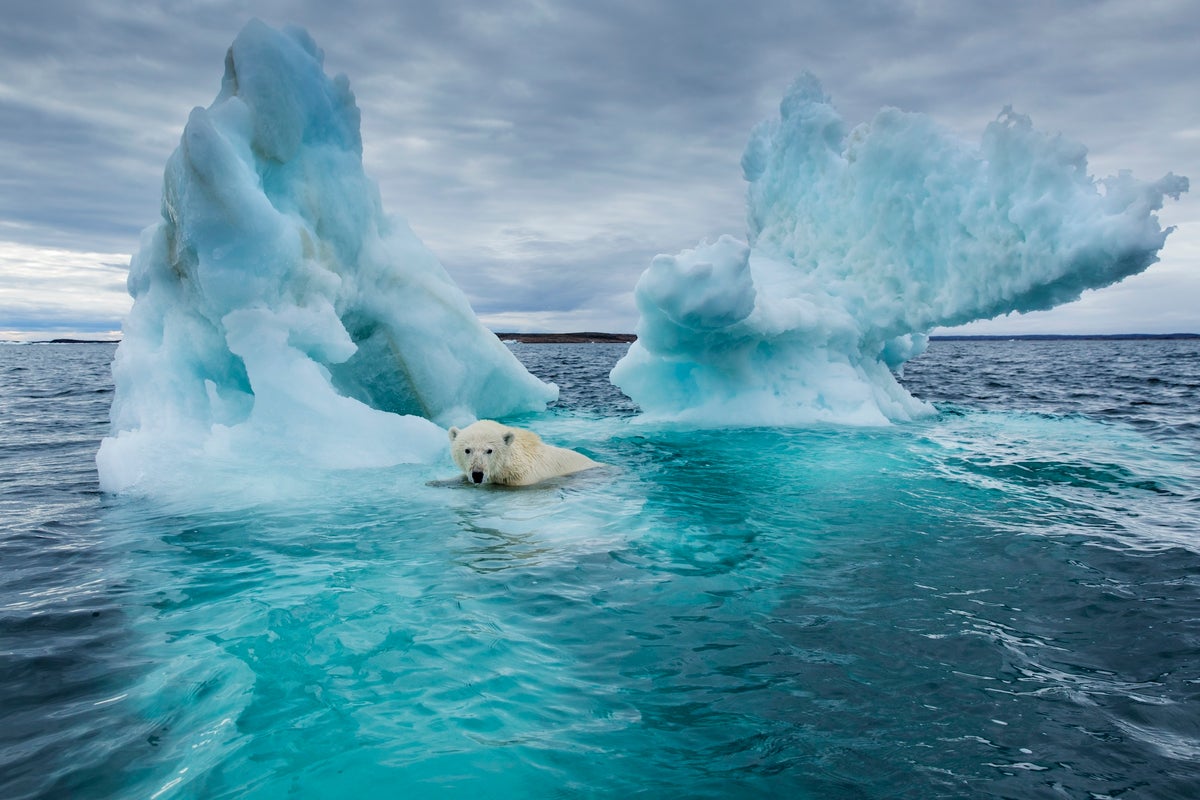
Global ice loss increases at record rate
The rate at which ice is disappearing across the planet is speeding up, according to new research.

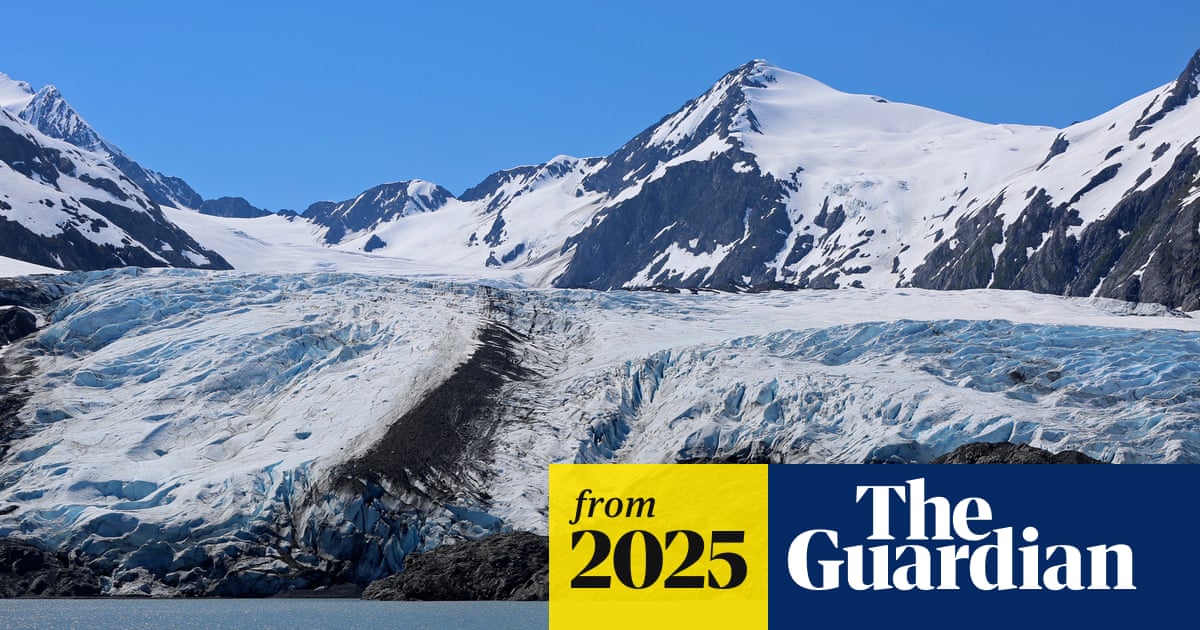
Glacier meltdown risks food and water supply of 2 billion people, says UN
Unesco report highlights ‘unprecedented’ glacier loss driven by climate crisis, threatening ecosystems, agriculture and water sources
This is what Antarctica will look like without all that ice
You’re looking at the most detailed map yet of the Antarctic landmass. Stripped clean of all its ice, the polar continent exhibits a number of interesting

We only have 8 years left before: deglaciation of W. Antarctica begins 80% of coral reefs die Arctic sea ice disappears world crops fail simultaneously 40% of N. American birds go extinct rainforest collapse is locked in The planet you think you're living on no longer exists.
We only have 8 years left before:deglaciation of W. Antarctica begins80% of coral reefs dieArctic sea ice disappearsworld crops fail simultaneously40% of N. American birds go extinctrainforest collapse is locked inThe planet you think you're living on no longer exists.— Ben See (@ClimateBen) January 25, 2020
A Controversial Plan To Refreeze the Arctic is Seeing Promising Results - Slashdot
An anonymous reader shares a report: Deep in the Canadian Arctic, scientists and entrepreneurs brave sub-zero temperatures, whipping winds and snowstorms to drill holes through the sea ice to pump out the seawater below and freeze it on the surface. The group from the UK start-up Real Ice is in Camb...
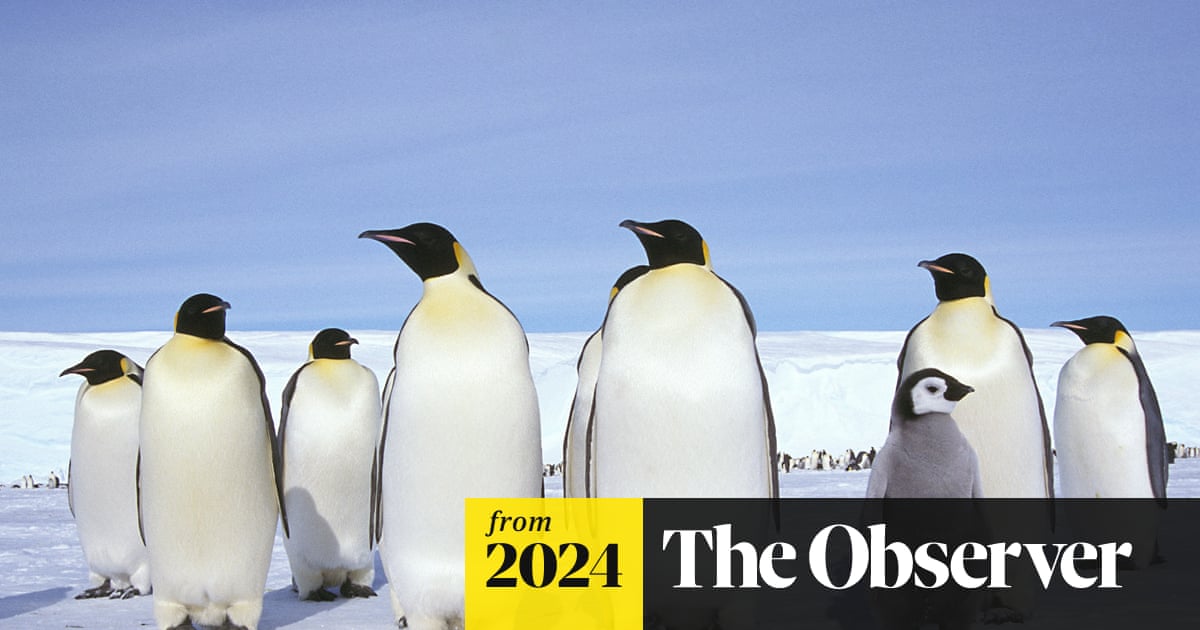
‘Simply mind-boggling’: world record temperature jump in Antarctic raises fears of catastrophe
An unprecedented leap of 38.5C in the coldest place on Earth is a harbinger of a disaster for humans and the local ecosystem
It’s 90 degrees in the Arctic right now
The Arctic is heating faster than the rest of the planet. New data illustrate how dire that is
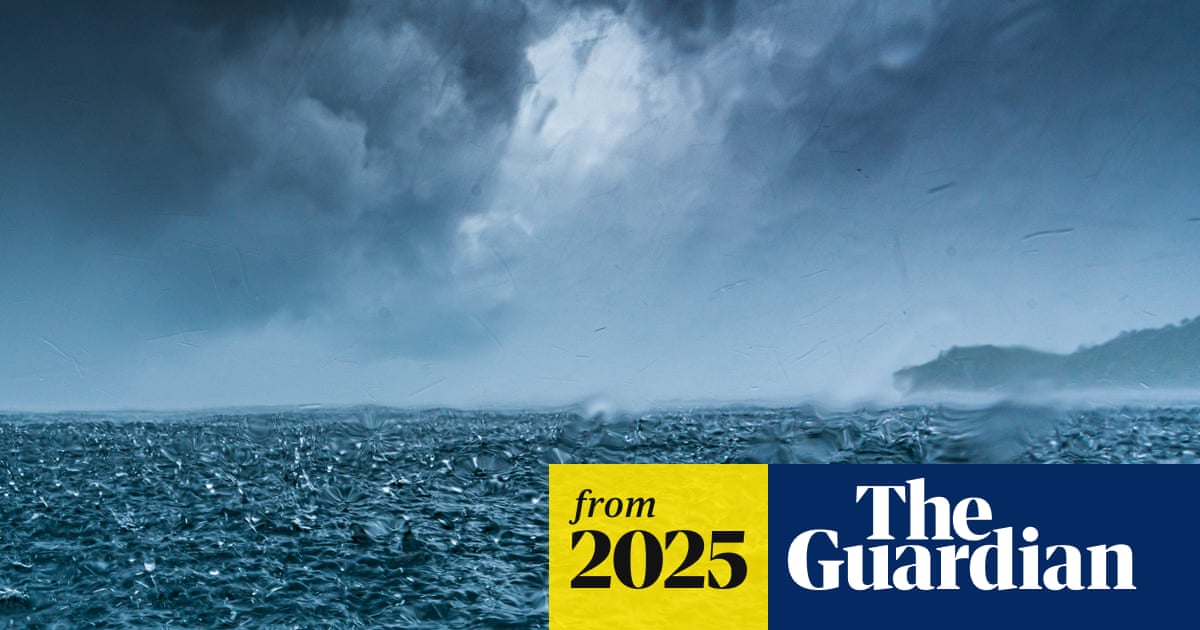
Collapse of critical Atlantic current is no longer low-likelihood, study finds
Scientists say ‘shocking’ discovery shows rapid cuts in carbon emissions are needed to avoid catastrophic fallout
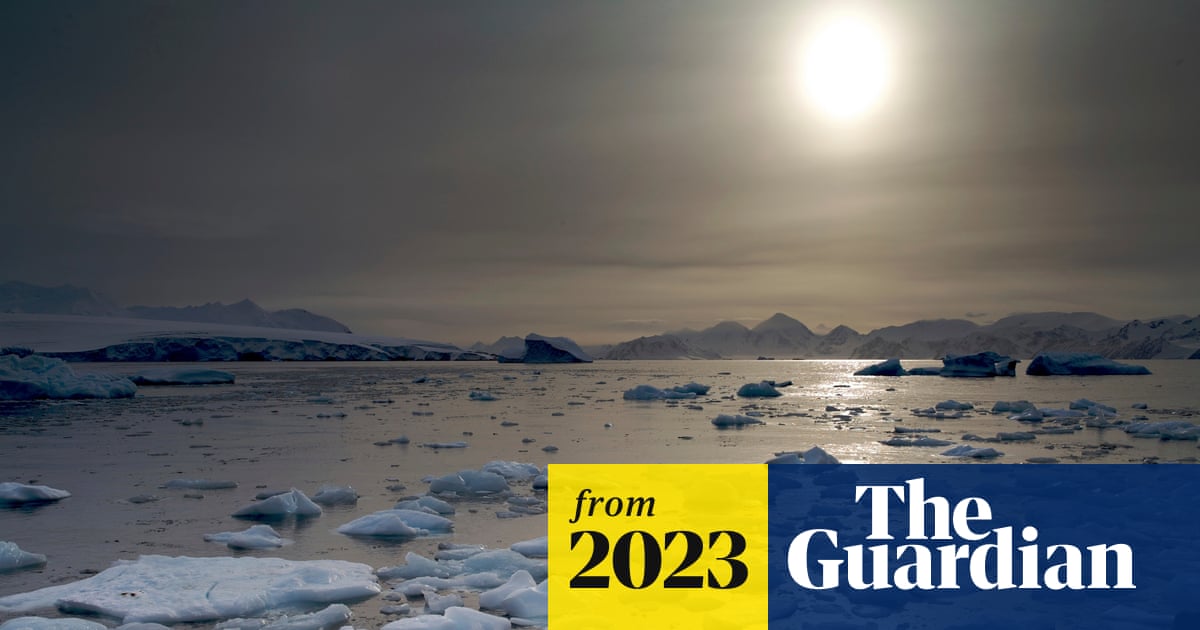
Greenland, Land of Unending Ice
Swiss nature photographer Stefan Forster has been visiting Greenland for eight years, documenting the ice, glaciers, icebergs, and wildlife of this “magical cou

Combating ecosystem collapse from the tropics to the Antarctic
Abstract Globally, collapse of ecosystems—potentially irreversible change to ecosystem structure, composition and function—imperils biodiversity, human health and well‐being. We examine the current state and recent trajectories of 19 ecosystems, spanning 58° of latitude across 7.7 M km 2 , from Australia's coral reefs to terrestrial Antarctica. Pressures from global climate change and regional human impacts, occurring as chronic ‘presses’ and/or acute ‘pulses’, drive ecosystem collapse. Ecosystem responses to 5–17 pressures were categorised as four collapse profiles—abrupt, smooth, stepped and fluctuating. The manifestation of widespread ecosystem collapse is a stark warning of the necessity to take action. We present a three‐step assessment and management framework (3As Pathway Awareness , Anticipation and Action ) to aid strategic and effective mitigation to alleviate further degradation to help secure our future.

Earth on verge of five catastrophic climate tipping points, scientists warn
Humanity faces ‘devastating domino effects’ including mass displacement and financial ruin as planet warms
A recent doubling of global warming rate signals a 1.5 °C breach by 2028
Timely and accurate projections of when global warming will exceed the Paris Agreement’s 1.5 °C threshold are essential for effective climate policy. Existing estimates place this exceedance in the early 2030 s but carry substantial uncertainty. Here we analyze the latest observational temperature records through 2025 and identify a statistically significant doubling of the global warming rate during 2011–2025 (0.40 °C per decade) compared to 1971–2025 (0.20 °C per decade). Extrapolating this accelerated rate projects a crossing of the 1.5 °C threshold by 2028, nearly a decade earlier than previous estimates. Regional analyses attribute this acceleration primarily to intensified warming over East Asia–the North Pacific, mid-latitude Eurasia, and the South Atlantic–Antarctic regions. The ensemble mean of 26 climate models fails to capture the observed doubling of the warming rate, simulating a rate of only 0.29 °C per decade. These findings suggest a narrower window remains to limit warming to 1.5 °C, underscoring the urgency for rapid and substantial reductions in greenhouse gas emissions.
Donald Trump drops demands to own Greenland, but the harm has been done
A revised defence pact with Denmark and Greenland is a modest improvement, but annexation threats were a costly blunder
