
A personal AI you raise.

Everybody needs a personal AI policy. Just ask Hank Green.
How can we reap AI’s benefits without melting our brains in the process?


Our minds aren’t equipped to handle AI
AI is junk food for the mind: easy, tempting and ultimately very bad for you.

Eigin · Personal AI that belongs to you
Your personal AI agent for ideas, questions and everyday tasks. Built to protect your privacy and keep you in control.
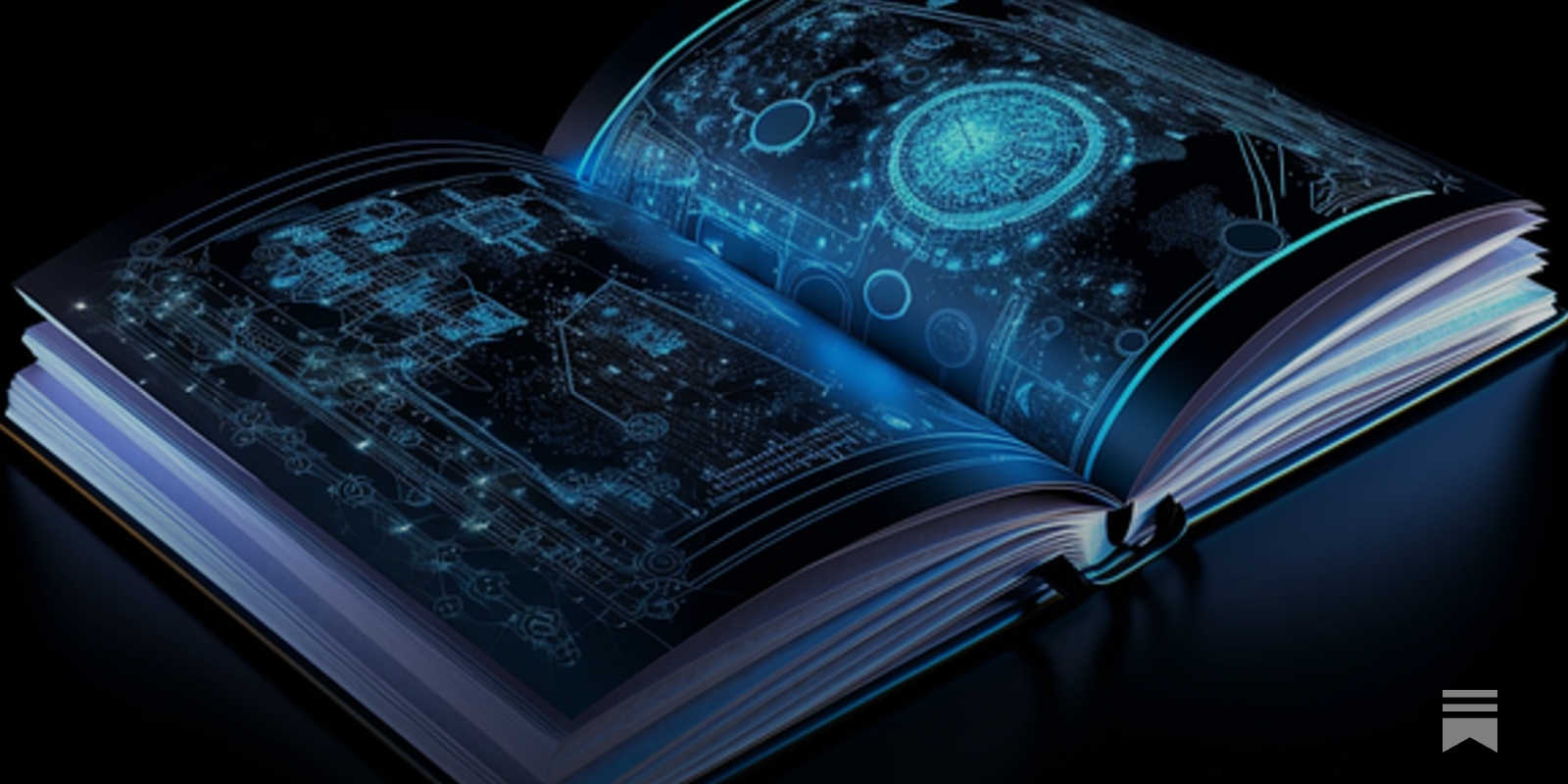
The Personalized Learning Revolution
The allure of AI lies predominantly in its unmatched potential for efficiency, convenience, and accuracy. However, this unprecedented convenience brings with it a hidden yet profound threat: the subtle erosion of human capacity for critical thinking through cognitive offloading.

How to use AI to do practical stuff: A new guide
People often ask me how to use AI. Here's an overview with lots of links.
For the love of God, stop calling your AI a co-worker | TechCrunch
A growing number of startups are anthropomorphizing AI to build trust fast -- and soften its threat to human jobs.

Someone used AI to create a book about me and sold it online
Cam Wilson, who is the ABC's AI reporter, recently discovered an AI-generated book about him and a book he wrote.
The Impact of Artificial Intelligence on Human Thought
This research paper examines, from a multidimensional perspective (cognitive, social, ethical, and philosophical), how AI is transforming human thought. It highlights a cognitive offloading effect: the externalization of mental functions to AI can reduce intellectual engagement and weaken critical thinking. On the social level, algorithmic personalization creates filter bubbles that limit the diversity of opinions and can lead to the homogenization of thought and polarization. This research also describes the mechanisms of algorithmic manipulation (exploitation of cognitive biases, automated disinformation, etc.) that amplify AI's power of influence. Finally, the question of potential artificial consciousness is discussed, along with its ethical implications. The report as a whole underscores the risks that AI poses to human intellectual autonomy and creativity, while proposing avenues (education, transparency, governance) to align AI development with the interests of humanity.

How To Think About AI (with Cory Doctorow)
AI might just be useful once we get through the huckster phase.
13 ways you’re using AI in your daily life
A few ways AI helps you stay productive, get around and do some fun stuff, too.

More Than a Tool
What We Learned from a Year of Conversations About AI
Are we offloading too much of our thinking to AI?
Reflections on autonomy and the value of thinking for ourselves
Updating My Grading Policy Because You're All Using AI All The Time
A grading policy to restore your learning and our relationship in the age of Generative AI.