

Behavioral differences from Claude Opus 5 and the prompting and harness patterns that address them: effort calibration, thinking behavior in API integrations and chat, progress updates, unattended and multiagent tasks, safeguard refusals, frontend design, complex visual inputs, multi-app workflows, and pasted text in user messages.
Prompting Claude Opus 5
Behavioral differences and prompting patterns for Claude Opus 5, covering response verbosity, agentic narration, task scoping, subagent delegation, self-correction, and output artifacts when thinking is disabled.
Introducing Claude Opus 5.5
Claude Opus 5.5 leads in agentic coding and knowledge work, and costs 40% less to run than Opus 5 on typical workloads.
The intent pipeline: why most prompt guides miss how people actually use AI
Most prompt guides assume that people interact with AI by carefully authoring prompts. In practice, that is rarely how AI is used. Most…

Introducing Claude Opus 5
Opus 5 is a step change improvement for the Opus tier powering long-running agents while delivering improvements in coding and professional work.

GitHub - jarrodwatts/claude-hud: A Claude Code plugin that shows what's happening - context usage, active tools, running agents, and todo progress
A Claude Code plugin that shows what's happening - context usage, active tools, running agents, and todo progress - jarrodwatts/claude-hud
Joshua Gu on Twitter / X
Recent agentic systems (Claude Code, Codex, RLM, etc.) push context out of the prompt and into the environment (e.g., as files). This helps them maintain long-term knowledge about their goals and functionality.🚨 While this is a good idea, we show a surprising result: systems… pic.twitter.com/XHFVaDcr4l— Joshua Gu (@astrogu_) May 20, 2026

Dive into Claude Code: The Design Space of Today's and Future AI Agent Systems
Claude Code is an agentic coding tool that can run shell commands, edit files, and call external services on behalf of the user. This study describes its comprehensive architecture by analyzing the publicly available TypeScript source code and further comparing it with OpenClaw, an independent open-source AI agent system that answers many of the same design questions from a different deployment context. Our analysis identifies five human values, philosophies, and needs that motivate the architecture (human decision authority, safety and security, reliable execution, capability amplification, and contextual adaptability) and traces them through thirteen design principles to specific implementation choices. The core of the system is a simple while-loop that calls the model, runs tools, and repeats. Most of the code, however, lives in the systems around this loop: a permission system with seven modes and an ML-based classifier, a five-layer compaction pipeline for context management, four extensibility mechanisms (MCP, plugins, skills, and hooks), a subagent delegation mechanism with worktree isolation, and append-oriented session storage. A comparison with OpenClaw, a multi-channel personal assistant gateway, shows that the same recurring design questions produce different architectural answers when the deployment context changes: from per-action safety classification to perimeter-level access control, from a single CLI loop to an embedded runtime within a gateway control plane, and from context-window extensions to gateway-wide capability registration. We finally identify six open design directions for future agent systems, grounded in recent empirical, architectural, and policy literature.

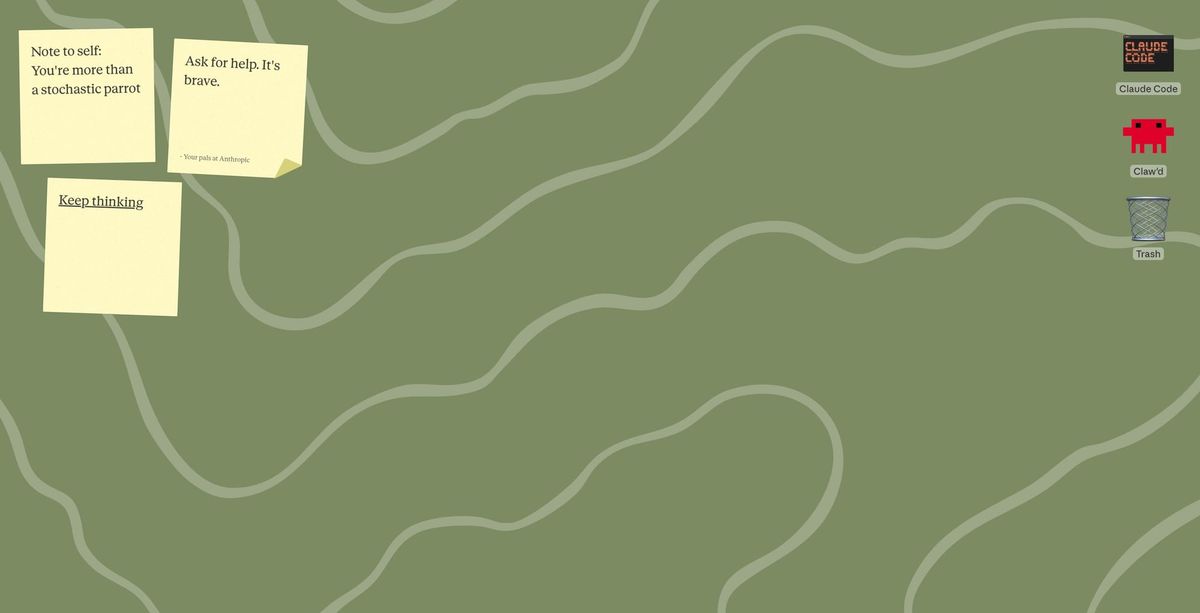
Anthropic experiments with real-time UI generation on Claude
What do we know so far? "Imagine with Claude" will be released as a temporary demo for certain plans (only Max?). Users will be interacting with a classic desktop UI where windows and apps are managed by the AI itself.
Prompt Caching In Agents | EARENDIL
How prompt caching shapes the cost, latency, tools, and architecture of coding agents, and what Pi does to keep cache behavior visible.
Beyond Chat: Bringing Models to the Canvas • Lu Wilson • GOTO 2025
Use Claude’s chat search and memory to build on previous context | Anthropic Help Center
You can prompt Claude to search through your previous conversations to find and reference relevant information in new chats. Claude can also remember context from your chats and carry it into new conversations and Cowork tasks. This article explains how chat search and memory work, what Claude does and doesn't remember, how to review and edit what's saved, and how to turn these features on or off.

Anthropic works on customizable Commands for Claude Code
Anthropic is developing a new Customize section for Claude, centralizing Skills, Connectors, and upcoming Commands for Claude Code.

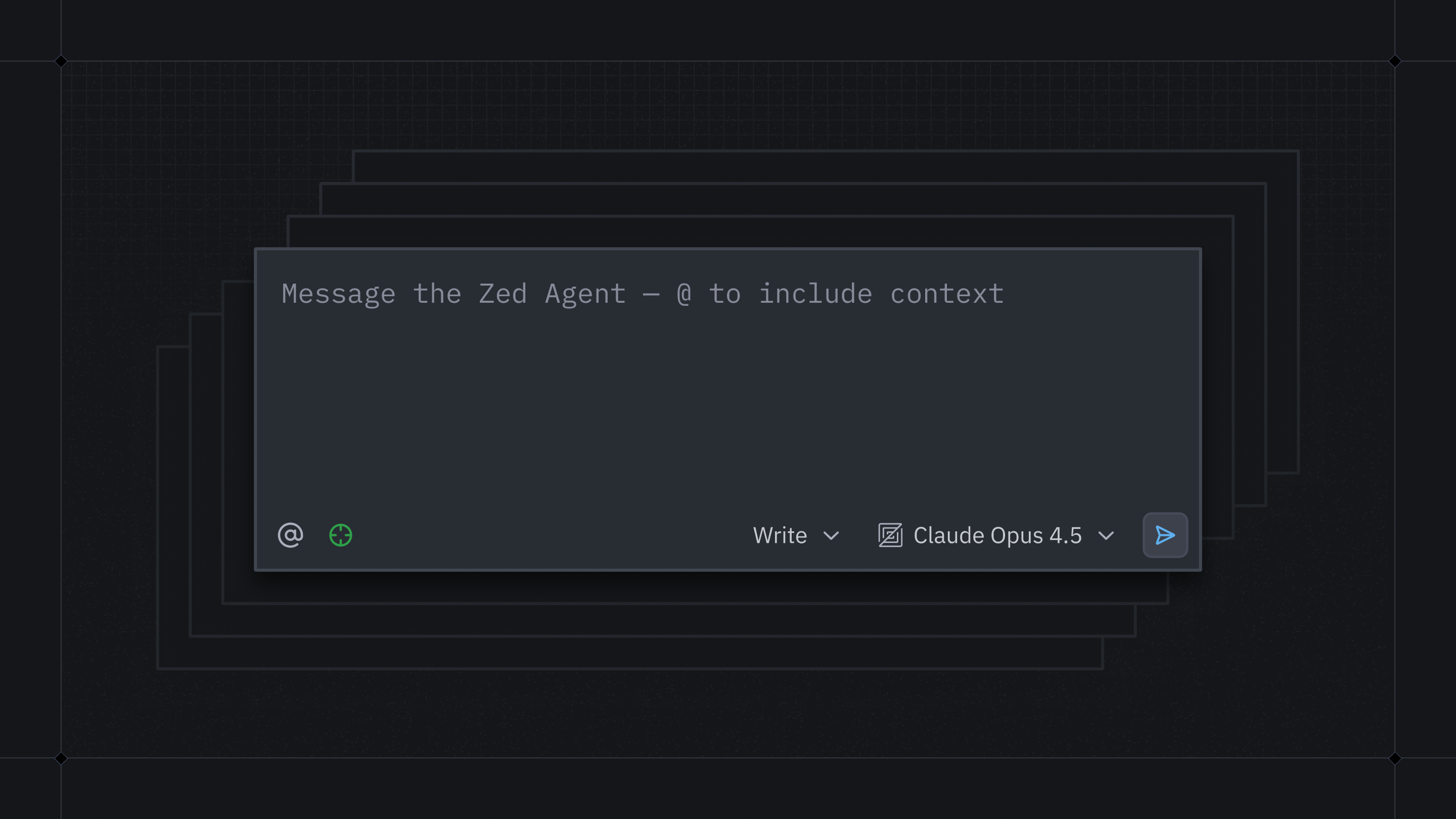
On Programming with Agents
From the Zed Blog: Agents handle typing so we can focus on thinking.
How Anthropic teams use Claude Code | Claude
Teams across Anthropic use Claude Code for everything from debugging production issues and navigating unfamiliar codebases to building custom automation tools. Here's how.

Claude Code Unpacked
What actually happens when you type a message into Claude Code? The agent loop, 50+ tools, multi-agent orchestration, and unreleased features, mapped from source.

Introducing Agent Skills | Claude by Anthropic
Claude can now use Skills to improve how it performs specific tasks. Skills are folders that include instructions, scripts, and resources that Claude can load when needed. Claude will only access a skill when it's relevant to the task at hand.
