

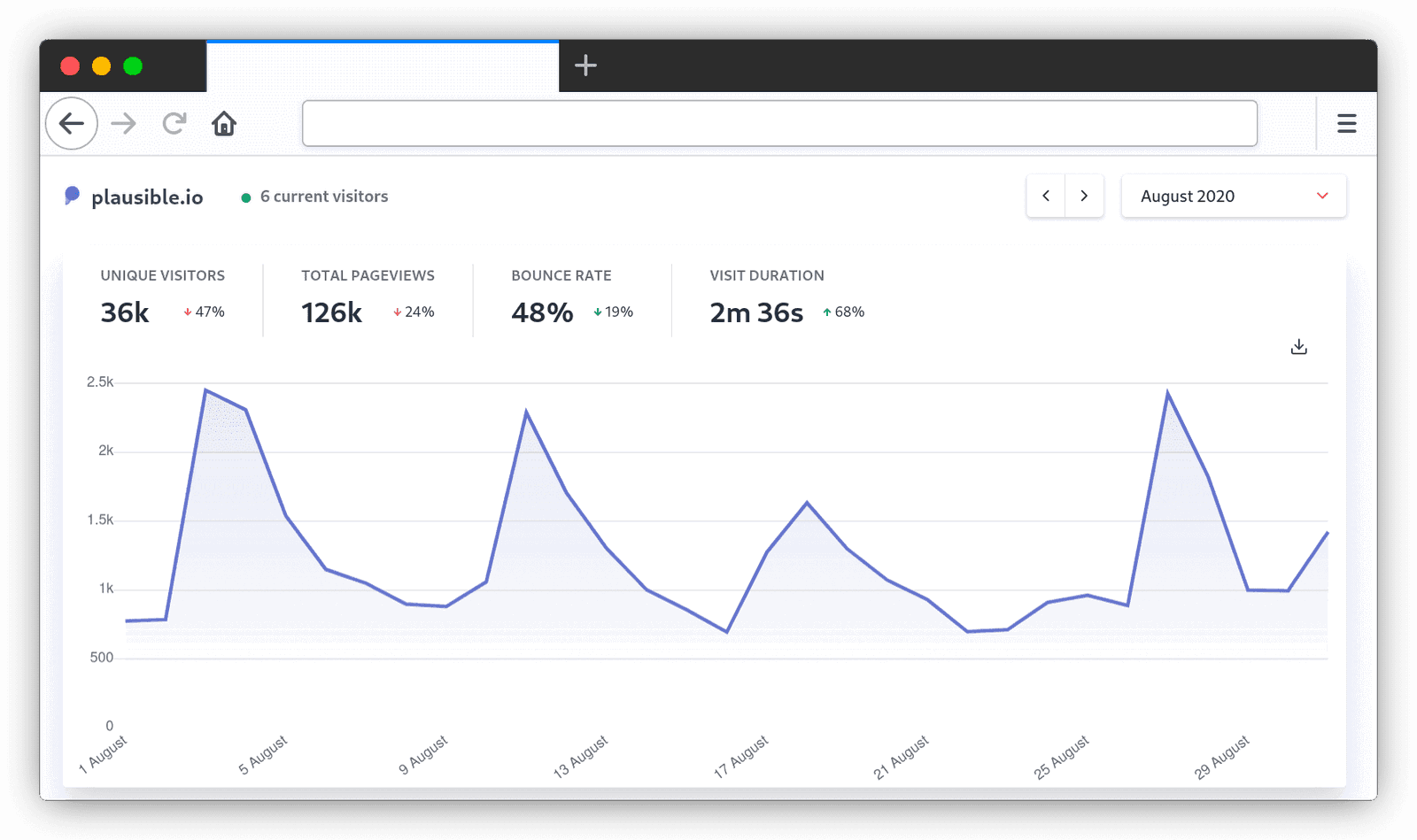
We’re changing our license as we’ve become aware that there are risks associated with permissive open source licenses that corporations that don’t care about open source are happy to take advantage of.
Why I'm Changing the License in Over 80 of My Code Repos After Talking to the Co-Creator of Fediverse
Why I'm Switching from MIT to AGPL and from CC BY-NC to CC BY-SA after a conversation with Dr. Matt Lee about copyleft licensing and protecting free softwa…
The Great Open Source Shake-up
The past year and a half has seen a number of open source and open source-ish companies like Elastic, Confluent, and MongoDB change licenses on certain products, moving away from traditional open s…

Revisiting the Open Source Business Model
In the past few years, many companies have come to me asking for help drafting a “new open source license.” As a rule, drafting a new open source software license is not a good idea, s…

Solving the Commercial Open Source Licensing Dilemma With Triple-Licensing
As you may have noticed, the move away from approved open source licenses to commercial almost-like-open-source licenses by single-vendor-owned open source projects has created a lot of bad press f…


Sustaining Open Source Software
The ‘open source sustainability’ debate continues with yet-another-company relicensing their product away from an open source license to…

Some startups are going ‘fair source’ to avoid the pitfalls of open source licensing | TechCrunch
New alternative category to 'closed source' could help companies monetize software in the open -- without going all-in on open source.

Introducing the Permissive License Stack
We believe open-source values are critical to free societies, especially in the digital age. To that end, we’ve created a new approach to licensing invoking the principles of the Default Open Pledge

In 2019, multiple open source companies changed course—is it the right move?
We have to draw a line between open source and the right to make money with open source."

Licenses – Open Source Initiative
The content on this website, of which Opensource.org is the author, is licensed under a Creative Commons Attribution 4.0 International License.Opensource.org is not the author of any of the licenses reproduced on this site. Questions about the copyright in a license should be directed to the license steward. Read our Privacy Policy

Katerina Marchán (@zkat@toot.cat)
Open source maintainers of major projects (hi) are not ready to accept and talk about how the cultural insistence on permissive licensing is just straight up labor exploitation taking advantage of our addiction to popularity (also hi). We’re doing this to ourselves too, you know.
Licenses Alone Do Not Govern Behavior in Open Source
I put things here so they are on the internet
Open Source Has Not Failed. Don't Cover Up Corporate Abuse of Open Source
Open source's free licensing does not drive inequality. Corporate's lack of support for open source does drive inequality.

One Startup's Heretical Plan to Turn Open Source Code Into Cash
With a new kind of license, open sourcers are trying to strike a balance between getting paid and preserving their values.

Mobile Open Source: My Honest Dual Licensing
Excellent post, Fabrizio. Thanks for "just being honest" about dual licensing. I agree with you whole-heartedly.As for Alfresco, our old model was working fine. In some ways, perhaps better. But it never felt right for us. (Some of this was my innate insecurity born of competing with Red Hat's open source message while at mixed-source Novell. I lost there, and didn't like the way we lost. I hated the message I had to say there.) So we went 100% MPL, and the results have been excellent - sales are up, downloads are up, and (most importantly) happiness is up. We really like the change, and everyone in the company and our community is happier.Is it an infallible model? No. But I agree with you - the better we segment our customers, the better our sales/etc. will be.Matt