

The media spectacle of generative AI (in which AI companies' breathless claims of their software's sorcerous powers are endlessly repeated) has understandably alarmed many creative workers, a group that's already traumatized by extractive abuse by media and tech companies.
Pluralistic: IP can’t save you from AI (18 Aug 2026) – Pluralistic: Daily links from Cory Doctorow
You don't have to believe that AI "art" is any good (I don't), nor do you have to believe that AI "art" can be any good (I don't) to understand that the reason that the capital markets are putting trillions into AI is that they believe they can fire workers of every kind and replace them with AI:
AI and the Destruction of the Creative Commons
The balance of software copyright protection and openness has always been fraught with minutiae and detail that bores all but the most nerdy of pedants. Yet, through much effort and 40 years of debate we had reached an equilibrium. Now AI has thrown that out the window.
derek guy on Twitter / X
I suspect we're approaching a time where if you want to protect creative work, it has to be something that can't be digitized. AI has made is so that creative works speed run through the lifecycle from cool to cliche in a matter of months. This contributes to our cultural… https://t.co/HJYL6Tj6t4— derek guy (@dieworkwear) September 19, 2026
AI is turning research into a scientific monoculture
Generative AI deserves scientific attention. But the rush to study it is producing a feedback loop of topical and methodological convergence, flattening scientific imagination and crowding out the pluralism needed to keep research adaptive, resilient, and intellectually generative.

Firms like Meta and A16z admit having to pay billions for training data would ruin their generative-AI plans as they fight new copyright rules
Meta, Google, Microsoft, and Andreessen Horowitz are trying to keep AI developers from having to pay for copyrighted material used in AI training.
In spite of hype, many companies are moving cautiously when it comes to generative AI | TechCrunch
Companies are extremely interested in generative AI as vendors push potential benefits, but turning that desire from a proof of concept into a working product is proving much more challenging.

Can Agentic AI Coding Tools Finally End Copyright For Software While Re-Inventing Open Source?
Most of the discussions about the impact of the latest generative AI systems on copyright have centered on text, images and video. That’s no surprise, since writers, artists and film-makers feel ve…

Pluralistic: “Rights for robots” and the AI slavery fantasy (10 Jul 2026) – Pluralistic: Daily links from Cory Doctorow
While the AI bubble is primarily a material phenomenon (driven by the calculation that bosses are easy marks for a sales pitch that sees them replacing workers with software), there is an inescapable ideological component to it: the desire for a world without people in it:
Newsweek is making generative AI a fixture in its newsroom
The legacy publication is leaning on AI for video production, a new breaking news team, and first drafts of some stories.

Ars Technica's policy on generative AI
How Ars Technica uses, and doesn't use, generative AI.
Where does the rigor go? Research software and the future of trustworthy science.
Generative AI now makes it dramatically easier to produce something that looks like research: analysis code, figures, literature reviews, even whole pap…
Guest Post - The Perils of Using Generative AI to Perform Research Tasks: Editors’ and Publishers’ Viewpoints - The Scholarly Kitchen
Today's guest post offers a review of a panel of publishers and editors discussing the pros and cons of using Generative AI, along with ethical and policy implications.

Who owns an AI generated song? What we can learn from the phonograph and the evolution of copyright laws
History suggests copyright adapts to technology. AI may be no exception.
Pluralistic: AI solipsists and AI cynics (24 Jul 2026) – Pluralistic: Daily links from Cory Doctorow
As a technology, AI isn't exceptional. It's not exceptionally wicked. It's not exceptionally good. Take away the accompanying, galactic-scale stock-swindle, and we'd call AI's applications "plug-ins" and we'd use them and abuse them in the same way that we've used every other technology:
Anthropic sued by authors over alleged misuse of copyrighted works for AI training
The complaint alleges that Anthropic used pirated versions of books by hundreds of thousands of authors to develop its AI models without proper authorization or compensation.

AI*-generated copyright infringement

* I’m neither “pro-AI” nor “anti-AI.” I’ve been blocked for being perceived as both. —Actually, I’m honestly more anti-AI than pro-AI thus far, aside from specialized models and specific use cases, but I’m willing to consider information that’s new to me
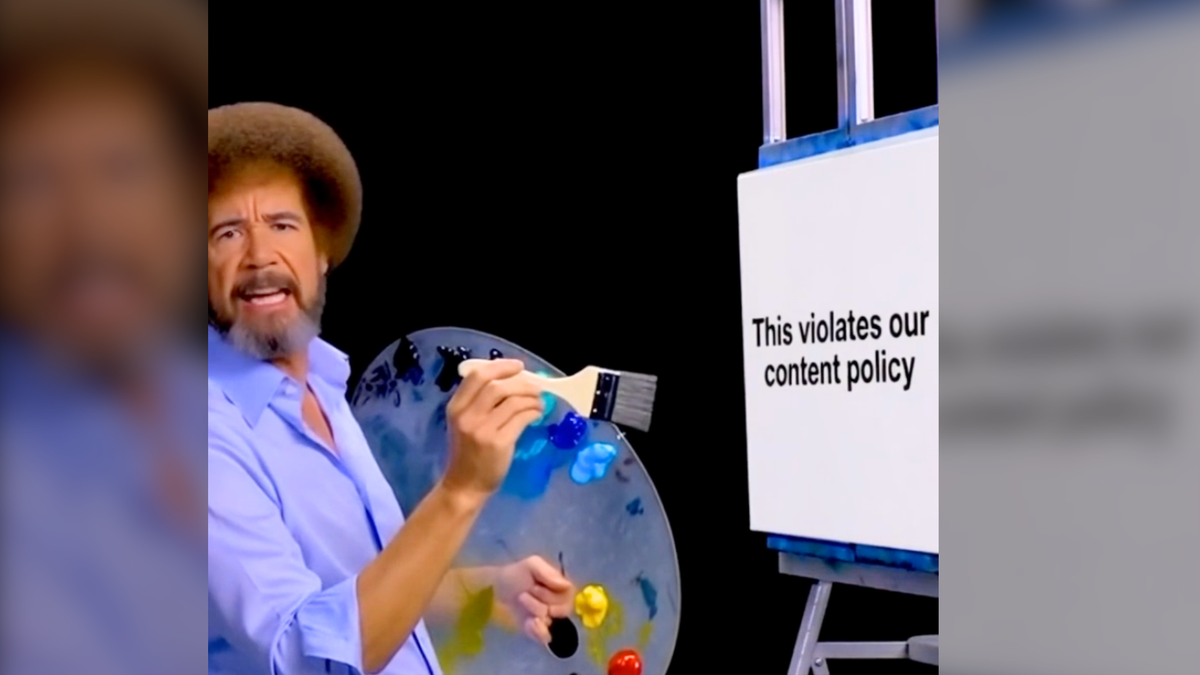
People Are Crashing Out Over Sora 2’s New Guardrails

Bing Is Generating Images of SpongeBob Doing 9/11
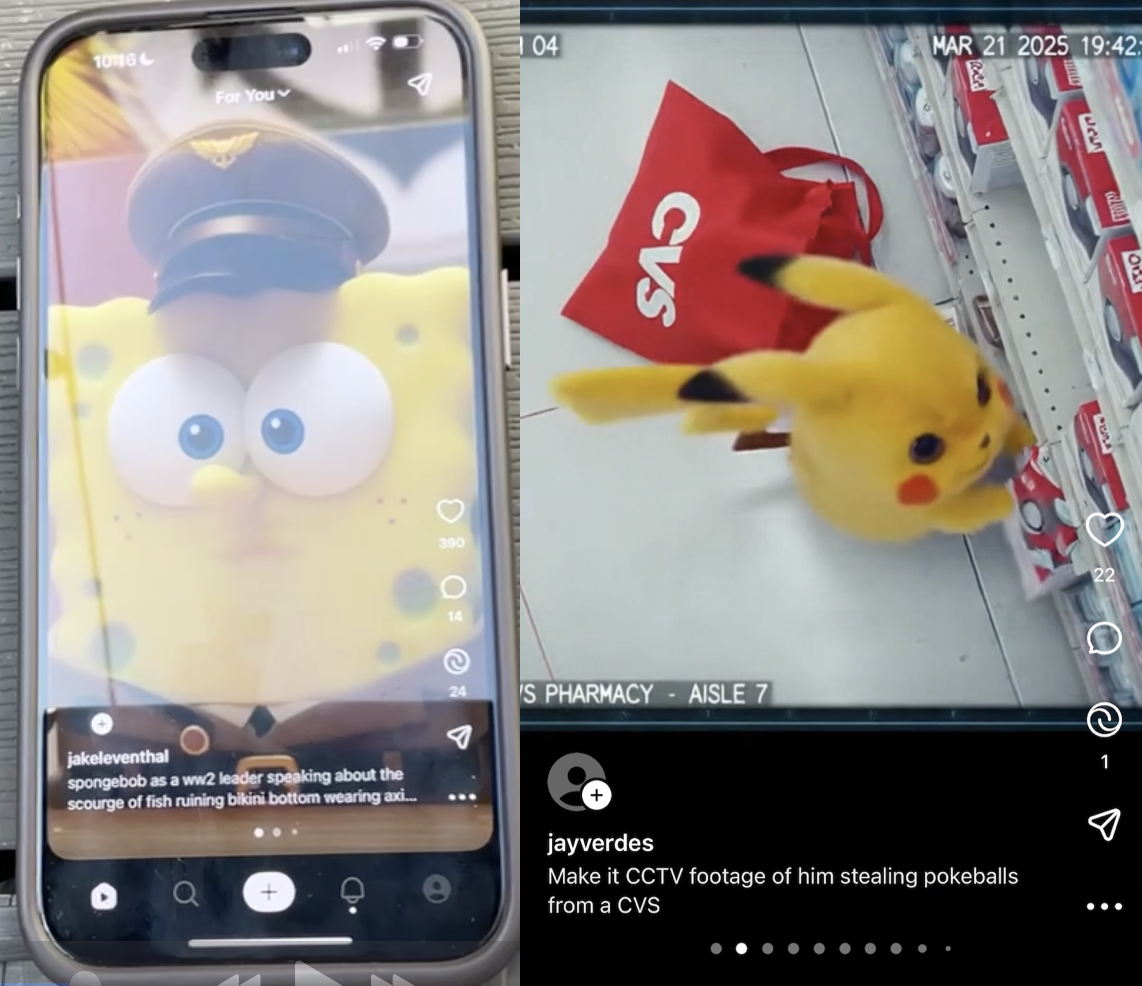
OpenAI’s Sora 2 Copyright Infringement Machine Features Nazi SpongeBobs and Criminal Pikachus
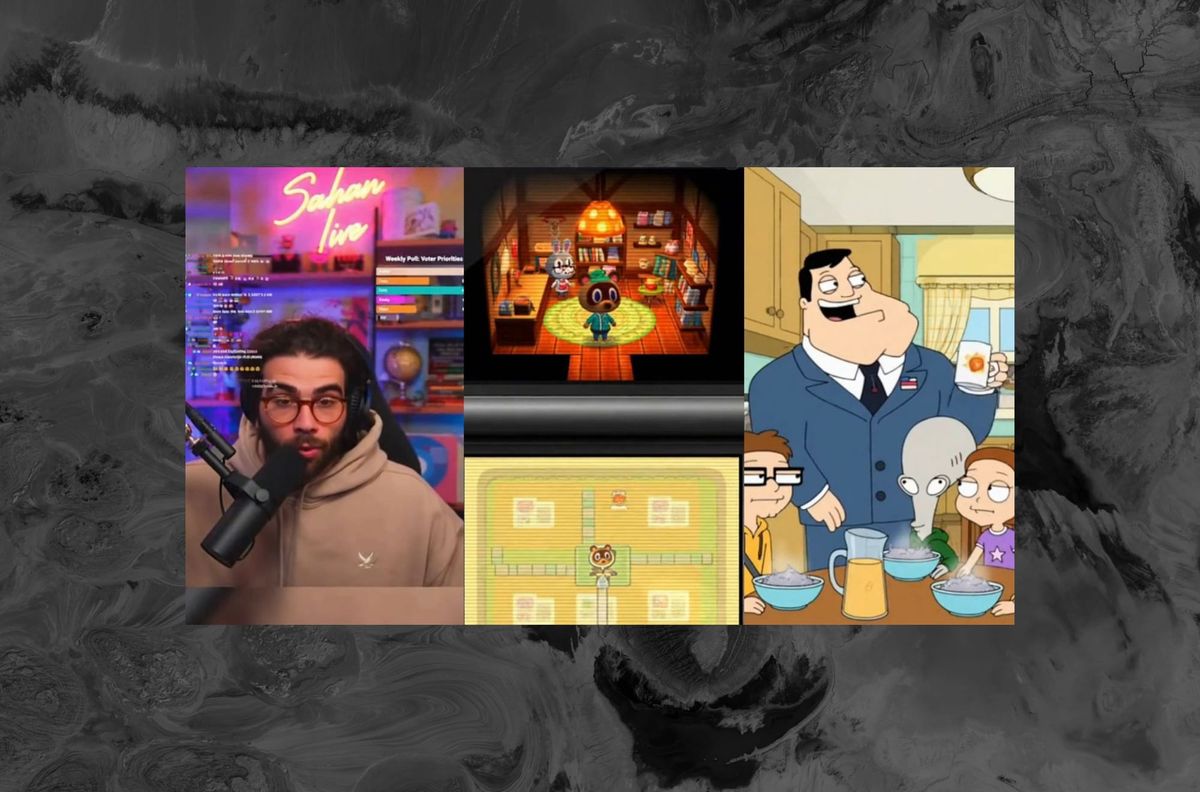
OpenAI Can’t Fix Sora’s Copyright Infringement Problem Because It Was Built With Stolen Content