

When unions are outlawed, only outlaws will have unions. Unions don't owe their existence to labor laws that protect organizing activities. Rather, labor laws exist because once-illegal unions were formed in the teeth of violent suppression, and those unions demanded – and got – labor law.
Automation Is Making Unions Irrelevant - Slashdot
dcblogs writes "Michigan lawmakers just approved a right-to-work law in an effort to dismantle union power, but unions are already becoming irrelevant. The problem with unions is they can't protect jobs. They can't stop a company from moving jobs overseas, closing offices, or replacing workers with...

Pluralistic: Goodhart’s Law vs “prediction markets” (24 Mar 2026) – Pluralistic: Daily links from Cory Doctorow
The most selectively believed-in verse in the conservative catechism is the idea that "incentives matter."
More Than the Weekend: Unions, the Past and the Future of Democracy
WIthout strong unions, “democratic capitalism” is an oxymoron.
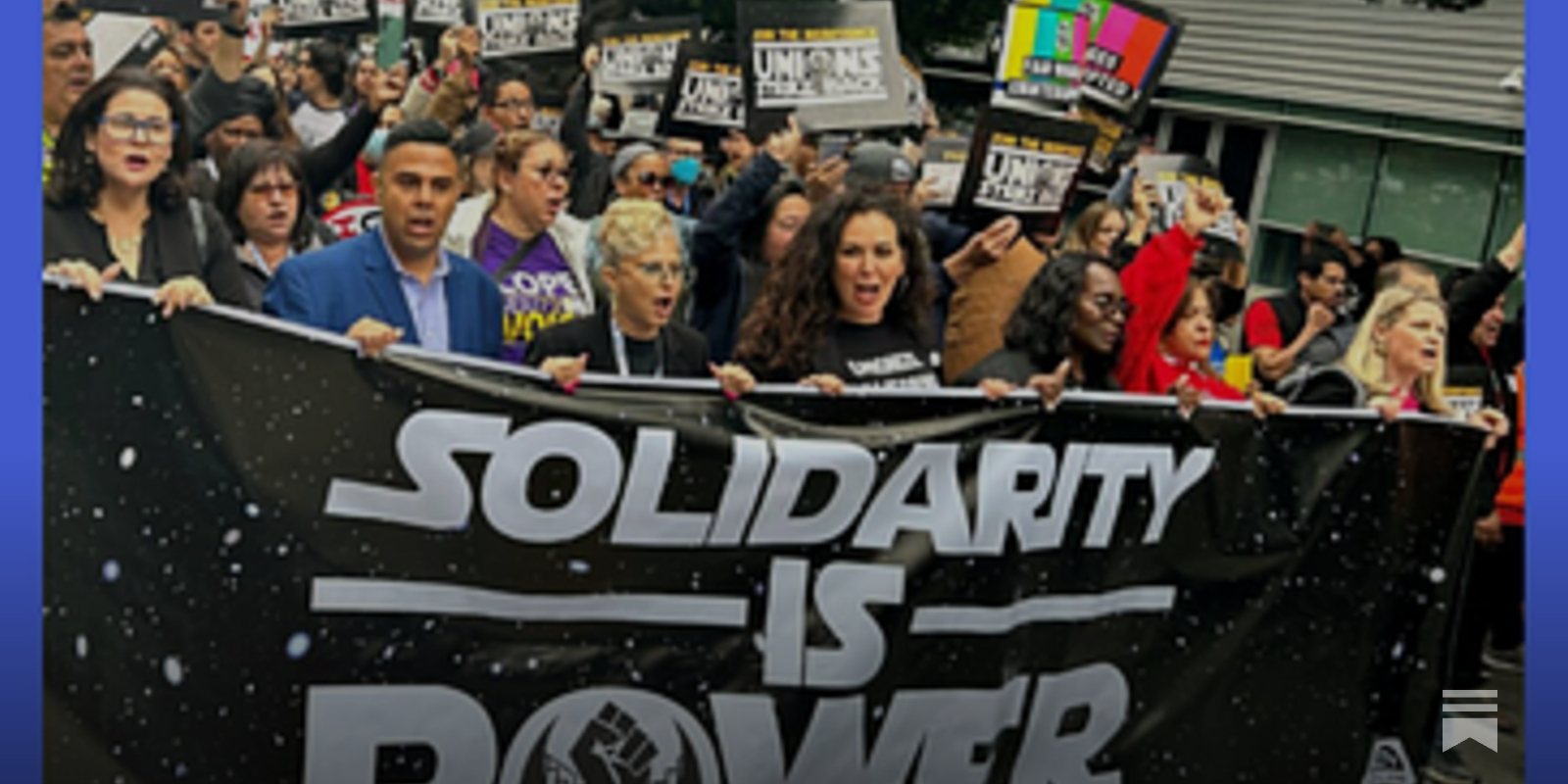
Wage protests spread as workers take to streets, often ‘without unions’
Wage protests spread as workers take to streets, often ‘without unions’

Pluralistic: The first days of Boss Politics Antitrust (24 Jan 2025) – Pluralistic: Daily links from Cory Doctorow
"Boss politics" are a feature of corrupt societies. When a society is dominated by self-dealing, corrupt institutions, strongman leaders can seize control by appealing to the public's fury and desperation. Then, the boss can selectively punish corrupt entities that oppose him, and since everyone is corrupt, these will be valid prosecutions.
A brewing battle: More IT workers want unions. The industry doesn’t.
Rising anger over widespread layoffs, disillusionment with Big Tech, and threats of mass displacement by AI have tech pros taking a good, hard look at unions.

Democracy in trade unions, democracy through trade unions?
Since the Webbs published Industrial Democracy at the end of the nineteenth century, the principle that workers have a legitimate voice in decision-making in the world of work – in some versions through trade unions, in others at least formally through separate representative structures – has become widely accepted in most West European countries. There is now a vast literature on the strengths and weaknesses of such mechanisms, and we review briefly some of the key interpretations of the rise (and fall) of policies and structures for workplace and board-level representation. We also discuss the mainly failed attempts to establish broader processes of economic democracy, which the eclipse of nationally specific mechanisms of class compromise makes again a salient demand. Economic globalization also highlights the need for transnational mechanisms to achieve worker voice (or more radically, control) in the dynamics of capital–labour relations. We therefore examine the role of trade unions in coordinating pressure for a countervailing force at European and global levels, and in the construction of (emergent?) supranational industrial relations. However, many would argue that unions cannot win legitimacy as a democratizing force unless manifestly democratic internally. Therefore we revisit debates on and dilemmas of democracy within trade unions, and examine recent initiatives to enhance democratization.

Pluralistic: All (antitrust) politics are local (02 Sep 2025) – Pluralistic: Daily links from Cory Doctorow
The US government has abandoned antitrust. Today, companies facing antitrust jeopardy can just pay key Trumpland figures a million bucks, and they will make a discreet visit to the fifth floor of the DoJ building, have a little shoofty around the Antitrust Division and the whole thing will just…go away:
You Deserve a Tech Union
There's a resurgent labor movement in the tech industry. Tech workers--designers, engineers, writers, and many others--have learned that when they stand together, they're poised to build a better version of the tech industry. They haven't stopped there: at companies from Kickstarter to Google, workers have formed unions. And you should, too. But what are unions? And why do they matter? Ethan Marcotte answers these questions through extensive research and by interviewing tech workers with real-world union-building experience. Ethan shares these workers' insights and stories, weaving them together to outline the process for forming a union of your very own. Because you--yes, you--deserve a tech union.
Distinguishing Labor from Work · Aaron Ross Powell
We should get rid of the former, if we can, but we should absolutely keep the latter.
Pluralistic: Trump fought the law and Trump won (16 Apr 2025) – Pluralistic: Daily links from Cory Doctorow
The saving grace of the first Trump administration was its administrative incompetence: for every terrible thing Trump I and his henchmen pulled off, ten more awful plots were thwarted because they were so bad at being evil.
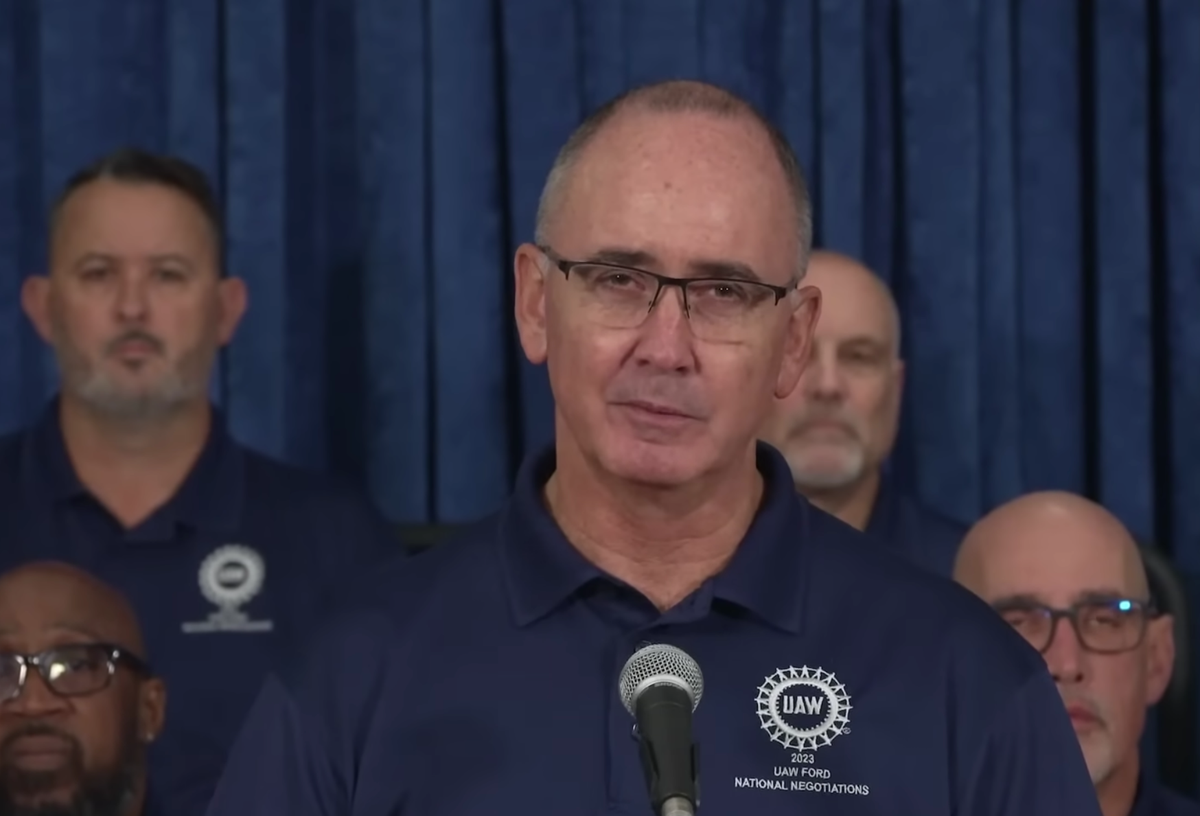
UAW Tells Other Unions to Align Contracts to Set Up Possible National General Strike in 2028
Auto workers ask other unions in other industries to collaborate with them to "take on the billionaire class."
Pluralistic: The enshittification of tech jobs (27 Apr 2025) – Pluralistic: Daily links from Cory Doctorow
Tech workers are a weird choice for "princes of labor," but for decades they've enjoyed unparalleled labor power, expressed in high wages, lavish stock grants, and whimsical campuses with free laundry and dry-cleaning, gourmet cafeterias, and kombucha on tap:
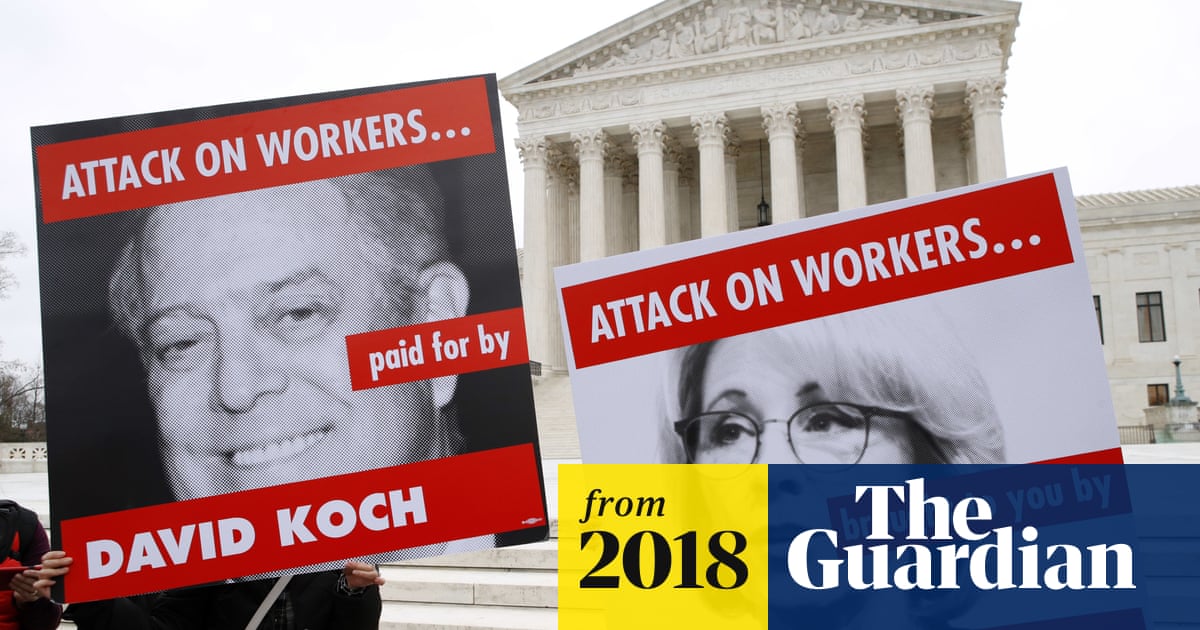
Exclusive: how rightwing groups wield secret 'toolkit' to plot against US unions
Internal documents obtained by the Guardian reveal a nationwide drive to persuade union members to quit and stop paying dues
Pluralistic: All laws are local (05 Feb 2026) – Pluralistic: Daily links from Cory Doctorow
About halfway through Thomas Piketty's 2013 barnstorming Capital in the 21st Century, Piketty tosses off a little insight that skewered me on the spot and never let me go: the notion that any societal condition that endures beyond a generation becomes "eternal" in the popular consciousness: