

The "dictator's dilemma" pits a dictator's desire to create social stability by censoring public communications in order to prevent the spread of anti-regime messages with the dictator's need to know whether powerful elites are becoming restless and plotting a coup:
Pluralistic: Surveillance vs guillotines (11 Aug 2026) – Pluralistic: Daily links from Cory Doctorow
In the summer of 2013, two esoteric, technical, incredibly important texts were published within weeks of one another: the first is the Snowden leaks, which revealed a system of global, pervasive digital surveillance; the second was Thomas Piketty's Capital in the 21st Century, a book about the economic inevitability (and political instability) of oligarchy:
To Repress or to Co‐opt? Authoritarian Control in the Age of Digital Surveillance
This article studies the consequences of digital surveillance in dictatorships. I first develop an informational theory of repression and co-optation. I argue that digital surveillance resolves dicta...

State Capacity of Secret Surveillance
The state capacity-civil society tradeoff model tends to treat the “state” and “civil society” as separate entities who move to constrain one another. However, this modeling technique leaves out the nuances of individual action within a collective setting by treating each as a relative black box. This article explores this balance in the context of the surveillance state that has arisen in the 20th and 21st century. As state capacity in surveillance increases it better allows the state to respond to threats to citizens from citizens. However, the increased capacity also lessens the ability of societal pressure to check authoritarian advances even in a nation with a thriving civil society presence.
State Capacity of Secret Surveillance
The state capacity-civil society tradeoff model tends to treat the “state” and “civil society” as separate entities who move to constrain one another. However, this modeling technique leaves out the nuances of individual action within a collective setting by treating each as a relative black box. This article explores this balance in the context of the surveillance state that has arisen in the 20th and 21st century. As state capacity in surveillance increases it better allows the state to respond to threats to citizens from citizens. However, the increased capacity also lessens the ability of societal pressure to check authoritarian advances even in a nation with a thriving civil society presence.
Palantir's social media manifesto is a blueprint for technofascism
The surveillance firm’s viral X post calls for hard power, conscription and the end of pluralism. AI expert and academic Mark Coeckelbergh on what happens when technology becomes the gateway to authoritarianism
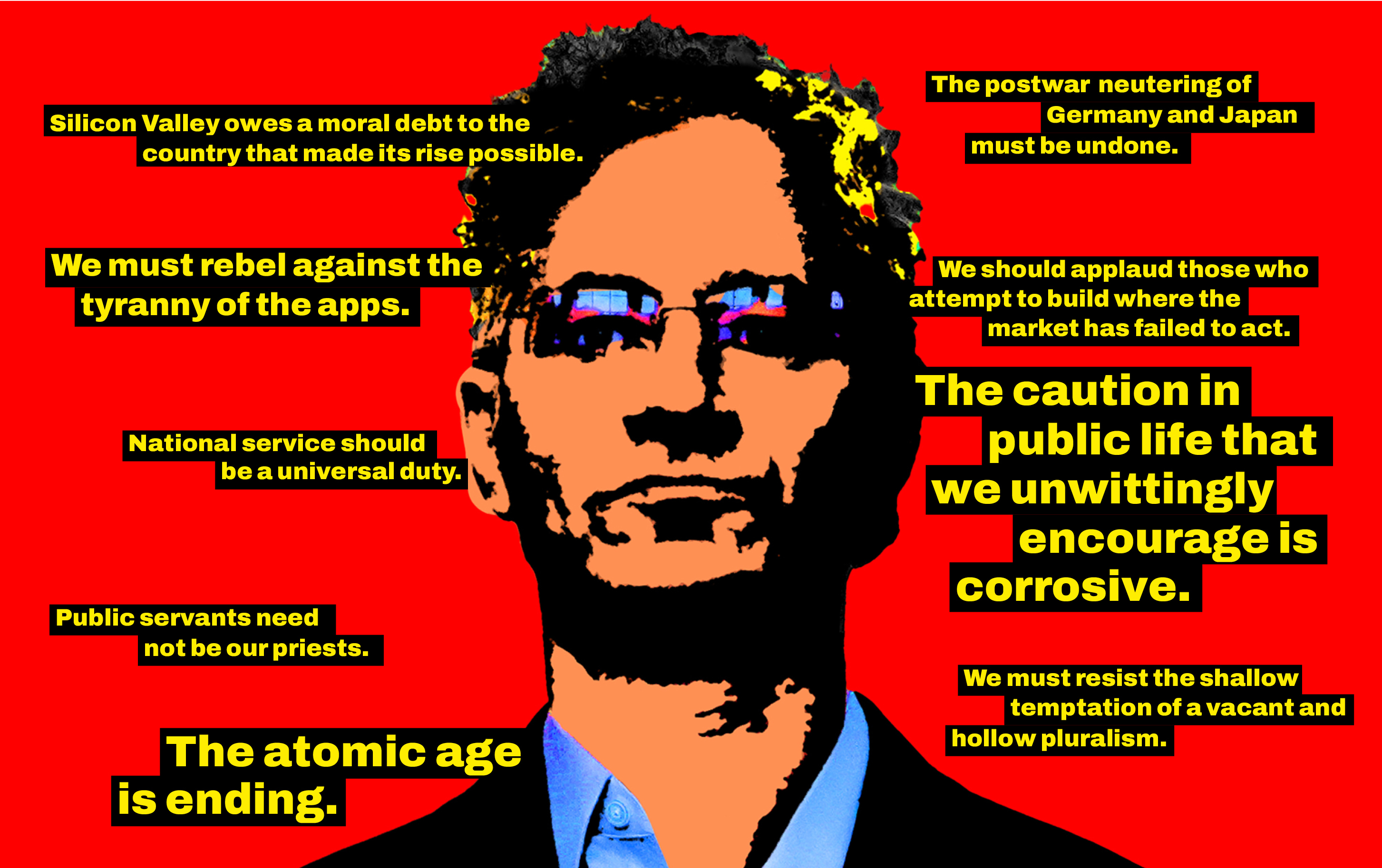
Watch the Watchers: Surveillance technologies for political control in Venezuela
Despite changes in leadership, Venezuela's extensive surveillance infrastructure remains fully operational.
"The S is for surveillance": fighting KOSA and bad internet bills in the ATmosphere and the fediverses
Part 2 of The Time Is Right: shifting from theory to practice.

"Pushed into the Shadows": Evidencing Digital Surveillance Chilling Effects and the Erosion of the Rights to Freedom of Assembly and of Association
SummaryThe United Nations Special Rapporteur on the Rights to Freedom of peaceful assembly and of association, Gina Romero, presents "Pushed into the Shadows: Evidencing digital surveillance chilling effects and the erosion of the rights to freedom of assembly and of association". This Global Study documents the profound impact that pervasive digital monitoring exerts on fundamental public freedoms. Moving beyond traditional privacy-centric narratives, the Study details how contemporary surveillance ecosystems induce serious chilling effects.

Pluralistic: Hold on for dear life (28 May 2026) – Pluralistic: Daily links from Cory Doctorow
From the earliest days of technopolitics, the role of technology in resisting authoritarianism was unclear. On the one hand, there's the indisputable fact that modern cryptography, properly implemented, can deliver a degree of privacy that is proof against all technological attacks.
Whitepaper — The Collective Intelligence Project
I. Capitalist Acceleration: Sacrificing safety for progressII. Authoritarian Technocracy: Sacrificing participation for safetyIII. Shared Stagnation: Sacrificing progress for participation

THE DEGRADATION OF HUMAN RIGHTS AND FREE PRESS THROUGH THE PEGASUS SOFTWARE IN THE ERA OF SURVEILLANCE, AS A THREAT TO INTERNATIONAL SECURITY. A DEBATE OF CIVIL LIBERTIES AND CENSORSHIP
The evolution of cyber spying technology presents new and rising dangers; coupled with the easy justification for use of the on-going terrorist crisis these dangers have now become major threats to the international security system. This article aims to provide analysis of these threats, using the new software Pegasus as a focal point of discussion. Developed by the Israeli ‘cyber-warfare’ company ‘NSO’, this spyware signals a danger not only to security but freedom of the press and journalistic integrity. This paper’s focus will centre on how this software is used for censorship rather than to combat terrorism and will examine the social and political ramifications of said use. As highlight, the case of UAE activist Ahmed Mansoor and his contemporaries who were writing against authoritarian governments will be discussed. This article will urge that strict global legislation is needed to stop the abuse of spyware as a tool of censorship.
An Attack on Tech Freedom, an Assault on Dissent
We live in a world of surveillance states, militarized police, and crackdowns on dissent. Meanwhile, corporate behemoths will often ally with the state to shut down dissident speech or aid and abet surveillance. In this context, it’s important for independent groups to develop and maintain encrypted communications platforms and independent web hosting. But the Trump...
Vigilantism comes for Flock
More Americans than ever are destroying Flock license plate cameras amid rising backlash against the company. Is the tide turning on intrusive U.S. mass surveillance, and where does the privacy fight go next?

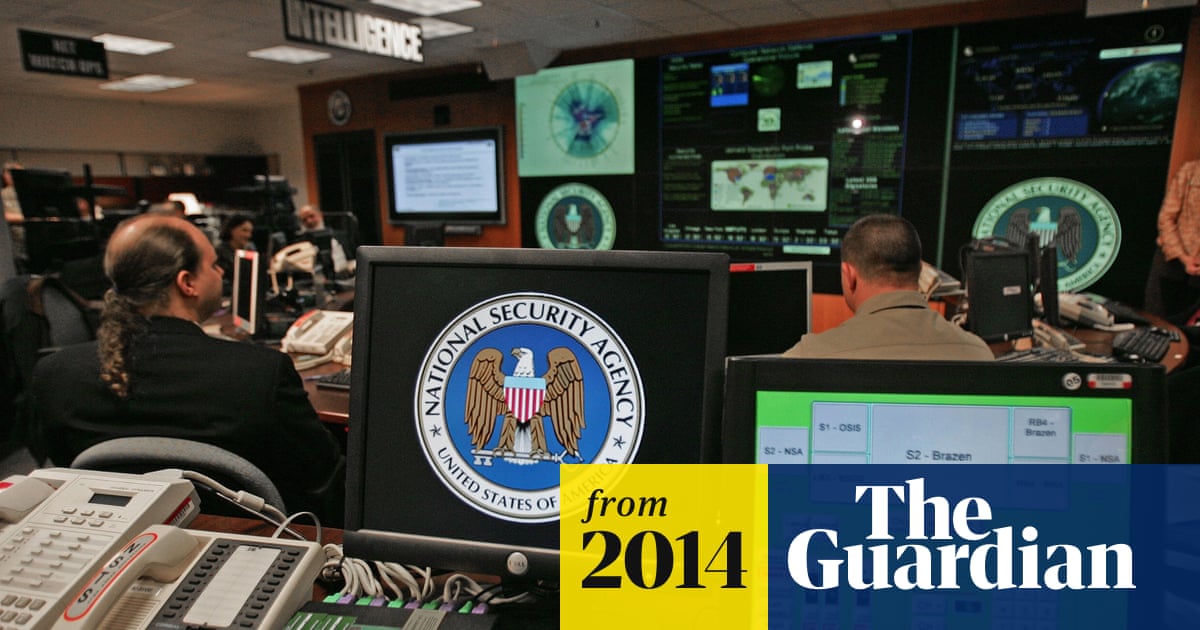
Privacy under attack: the NSA files revealed new threats to democracy
We now know the apparatus of repression has been attached to the democratic state, but our struggle for privacy is far from hopeless. By Eben Moglen
The architecture of the internet creates risks for democracy
Will democracy survive the internet? Do we need to choose between Facebook’s surveillance capitalism or democracy? Layered lines of evidence can inform questions like these. When considered together, the evidence gives rise to a concerning picture, as summarized in a recent report for the European Commission that I co-led.
