

Imagine a social network where only pleasantries flow endlessly: "Nice to meet you," "That's wonderful," "Looking forward to connecting." A space where no on…
The Atmosphere . Building the open social web
Studying the "atmosphere" of Bluesky: Proposing a New Research Field Called Network Perception in ATmosphere - Nightflight
Introduction: Is Social Media Just Digital Grooming? How do you use social media in your daily life? Liking your friends' posts, sharing funny videos, twee…
Introducing a network for thoughtful conversations
The quality of conversations on the Internet is terrible. Most platforms like Twitter, Facebook, Instagram, Reddit, etc. optimize for engagement as their key metric. This spawns and rewards behavior that leads to bragging of gameable metrics such as likes and followers, self-feeding thought bubbles, knee-jerk reactions, “if you’re not on our side, you’re on their side” mentality, and thought policing even by people who think they’re fighting for a good cause. Today’s Internet doesn’t incentiviz
Social media is a gnarly coordination problem we need to decompose - a warm space
FediForum | Growing the Open Social Web:<br>An Online Un-Workshop
Since the Twitter takeover by Elon Musk over three years ago, the Open Social Web has been adopted by an enthusiastic community. People world-wide are building and using open social platforms and open social protocols to better interact with others online.

Shifts in U.S. Social Media Use, 2020–2024: Decline, Fragmentation, and Enduring Polarization
The social media ecosystem appears to be in flux. Twitter’s rebranding to X has come to symbolize a broader reorganization of online publics – political reshuffling, user attrition, and uncertainty over the role of legacy platforms. Simultaneously, the shift from text-based, networked feeds toward algorithmically curated, short-form video has accelerated, with TikTok setting the pace for the wider ecosystem [18, 14, 16]. At the same time, everyday communication increasingly migrates from large, open networks to semi-private spaces such as group chats and messaging apps. Commentators describe a digital public sphere in transition: smaller, more fragmented, less dominated by traditional social networking sites, and rise of more broadcast-oriented forms of media – with some even suggesting that we are seeing the beginning of the end of the social media era.
Facebook Wrestles With the Features It Used to Define Social Networking (Published 2021)
Likes and shares made the social media site what it is. Now, company documents show, it’s struggling to deal with their effects.

How Social Media Brings Out the Worst in Us
A new book argues that social media does more harm than good and we might be happier and healthier using it less.
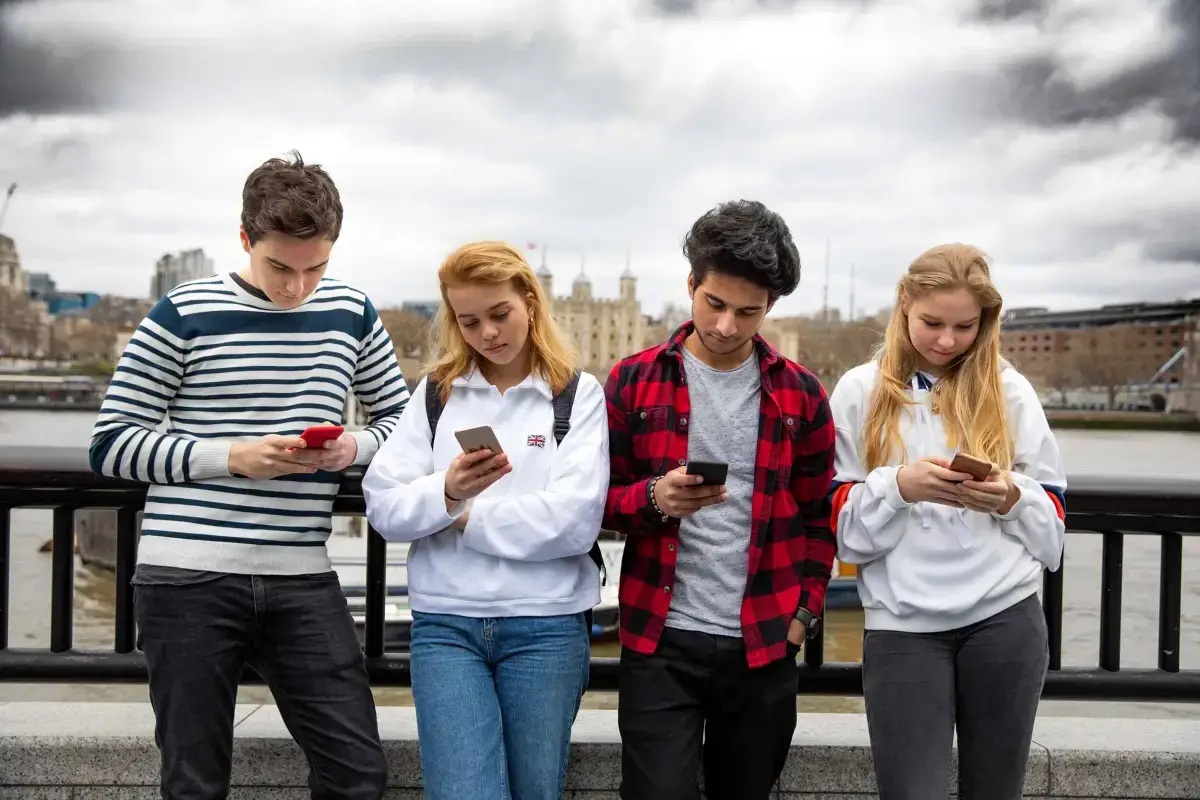
A space to converse and connect.
An X/Twitter Spaces alternative for Bluesky and the open web. Creating good vibes in the friendly skies.

The Last Days Of Social Media
Social media promised connection, but it has delivered exhaustion.
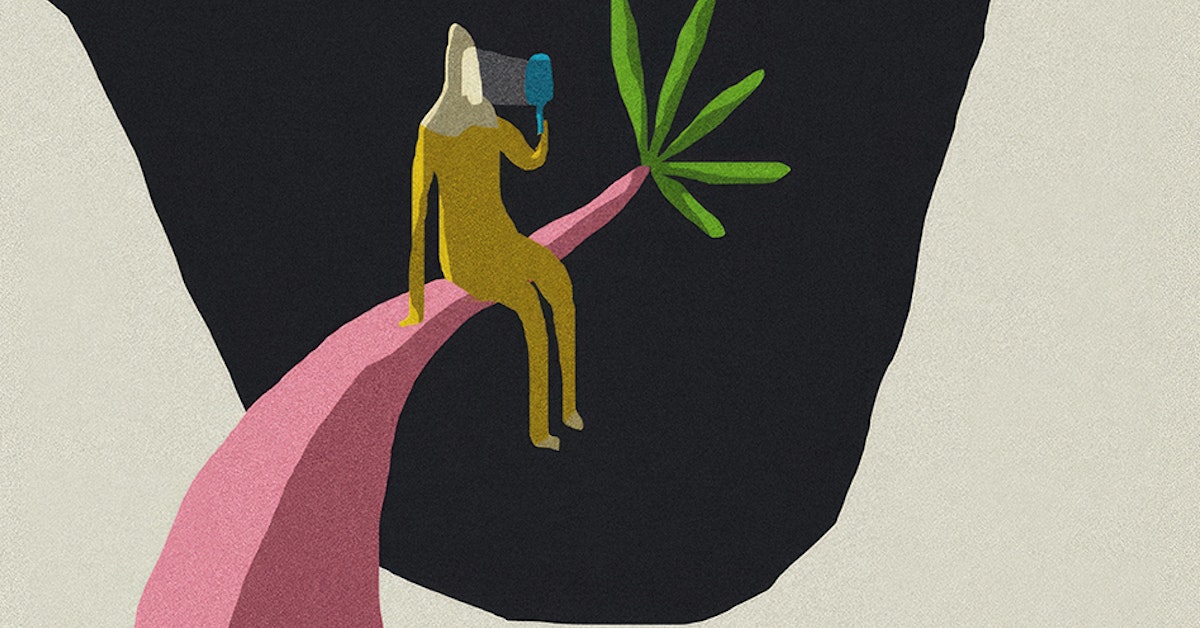
Hard Questions: Is Spending Time on Social Media Bad for Us?
With people spending more time on social media, many rightly wonder whether that time is good for us. Do people connect in meaningful ways online? Or are they simply consuming trivial updates and polarizing memes at the expense of time with loved ones?
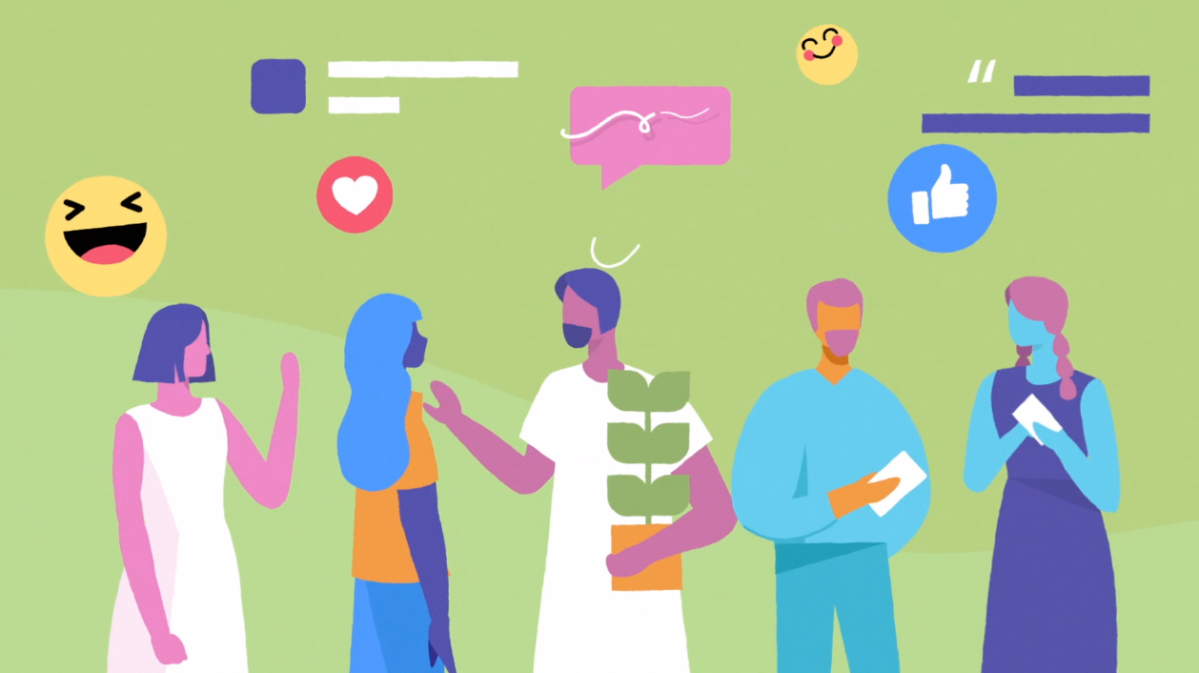
A New Social
Our mission is to liberate people's networks from their platforms, enabling The Last Network Effect and leveling the playing field across the open social web.
A New Social
Our mission is to liberate people's networks from their platforms, enabling The Last Network Effect and leveling the playing field across the open social web.
No Sense of Place: The Impact of Electronic Media on Social Behavior
Electronic media present us with a collage of experiences from everyplace. We eat dinner at home while watching starving children thousands of miles away reach out to us for food. From our easy chairs, we stare at blindfolded hostages, and coolly

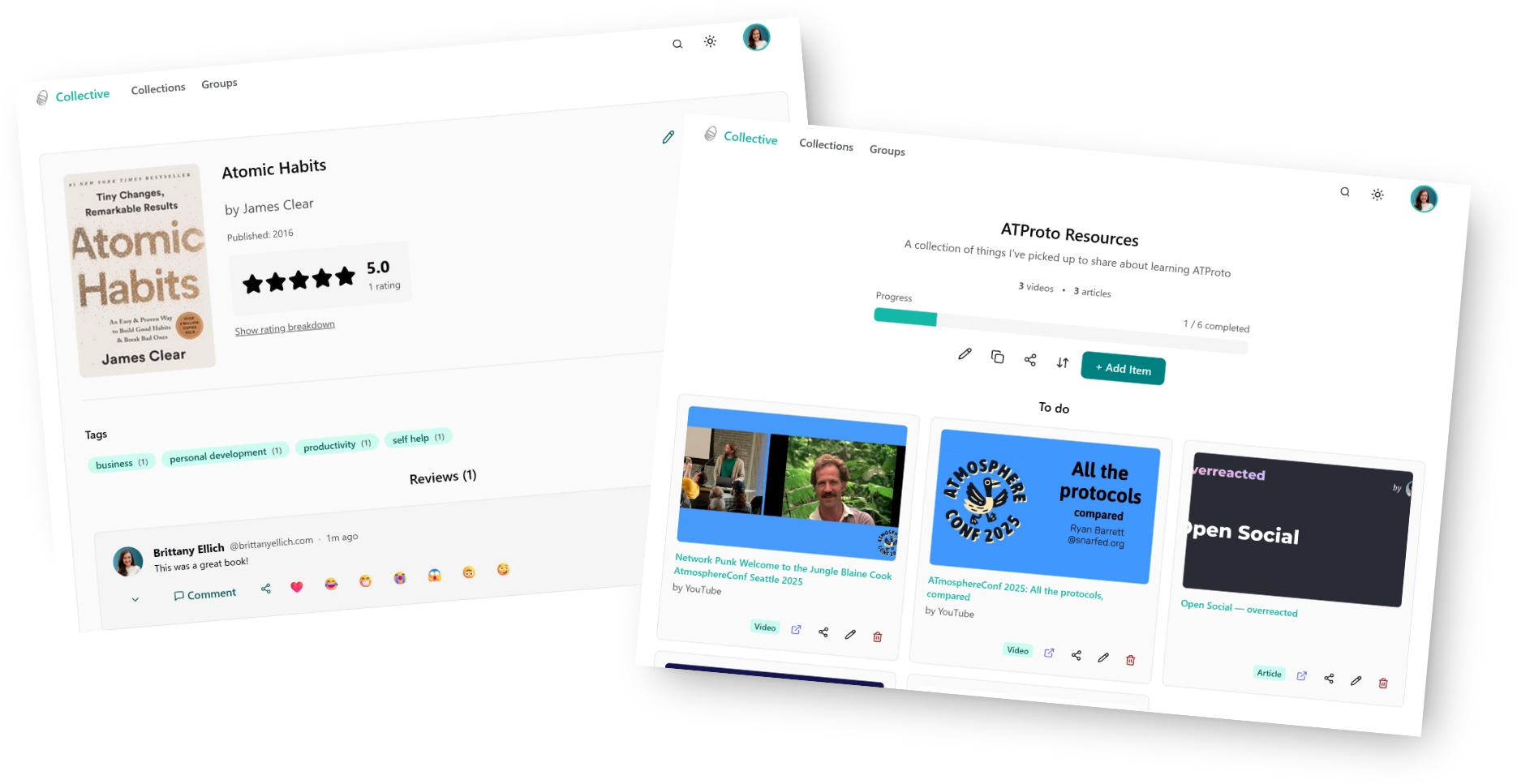
Collective Social | Track what you love. Share what matters.
Curate lists, track your progress, and share recommendations across books, movies, TV shows, and more — all on the open social web.
Another reason why it’s so important that we have open protocols for social media.

Kai Kupferschmidt
One of the issues that has come up again and again in my reporting on misinformation and social media is the massive influence social media companies have on research in the field. Last night a preprint dropped that tries to get at this with some numbers. My piece in @science.org (and 🧪🧵 coming):
