Until now, digital arts have largely been understood to belong in traditional genres or forms of art: we are said to have electronic literature, net.art, or electronic, techno music. Sometimes interesting discussions have arisen concerning the very ontology of digital art, and questions such as whether net.art should be seen within the tradition of the visual arts or as a form of literature connecting it to the different traditions and questions regulating these arts.[1] While it is not my intent to disconnect digital art from traditional art, or to argue for the irrelevance of the traditional forms of art, I will in the following establish the interface as an aesthetic and critical framework for digital art.
Interface Aesthetics: An Introduction
Rhizome champions born-digital art and culture through commissions, exhibitions, scholarship, and digital preservation.

The cinematograph, the "noematograph," and the future of AI art
From the cinematograph to the "noematograph," the Hugh-winning author explores how technology has, and may still, breed new artistic forms.

Digital Art Enters the Museum Age — Social Software
We explore code and systems as a medium for creating new forms of art. We consider "software" in an expanded sense, examining the ways that we are programmed by technology around us and the ways we can write software to make change in the world.
What Art Does: An Unfinished Theory
Why do we need art? What Art Does is an invitation to e…

Interfaces › Design Engineering Magazine
Interfaces is a design engineering magazine about building great interfaces that covers topics such as animation, typography, layout and color.

Art or tool?
The Internet spaces I tend to inhabit have more polarisation than at many other recent times, and little explication of the worldviews that lead to different premises for discussion, that in turn...
Art of Noise
A multi-sensory exploration of how design has changed the way we’ve experienced music over the past 100 years.

Permacomputing Aesthetics: Potential and Limits of Constraints in Computational Art, Design and Culture · Ninth Computing within Limits 2023
Permacomputing is a nascent concept and a community of practice centred around design principles that embrace limits and constraints as a positive thing in computational culture, and on creativity with scarce computational resources. As a result, permacomputing aims to provide a countervoice to digital practices that promote maximisation, hyper-consumption and waste. It seeks to encourage practices as an applied critique of contemporary computer technology that privileges maximalist aesthetics where more pixels, more frame rate, more computation and more power equals more potential at any cost and without any consequences. We believe that such a critical practice can be relevant to artists, designers and cultural practitioners working with computer and network technology who are interested in engaging with environmental issues. This is particularly relevant given the tendency in art, design and cultural production to rely on tools and techniques designed to maximise productivity and mass consumption. In this paper, we argue for the potential of permacomputing as a rich framework for exploring creative design constraints building on a long history of applying constraints in art, design and cultural practices. Because of the need to reconfigure the modes of production and organisation within computational practices, this calls for a different understanding of aesthetics, one that goes beyond the formal evaluation of how things look, but addresses how aesthetics can also be systems of relations, sensing and making sense that are already present in the process of making. We will also discuss the challenges faced by permacomputing practitioners, such as the complicated link with retro-computing, post-digital culture and nostalgia, as well as the problem of constraints in relation to the aesthetisation of poverty, and more generally what it means to work with self-imposed limits in a more privileged socioeconomic context.

userinterface.wiki
A living manual for better interfaces. Learn design principles, motion, typography, and more.
toward a new aesthetic
Lately I’ve been thinking about what being online looks like. The actual look of it. The aesthetic. As I continue to think and write and talk about escaping...
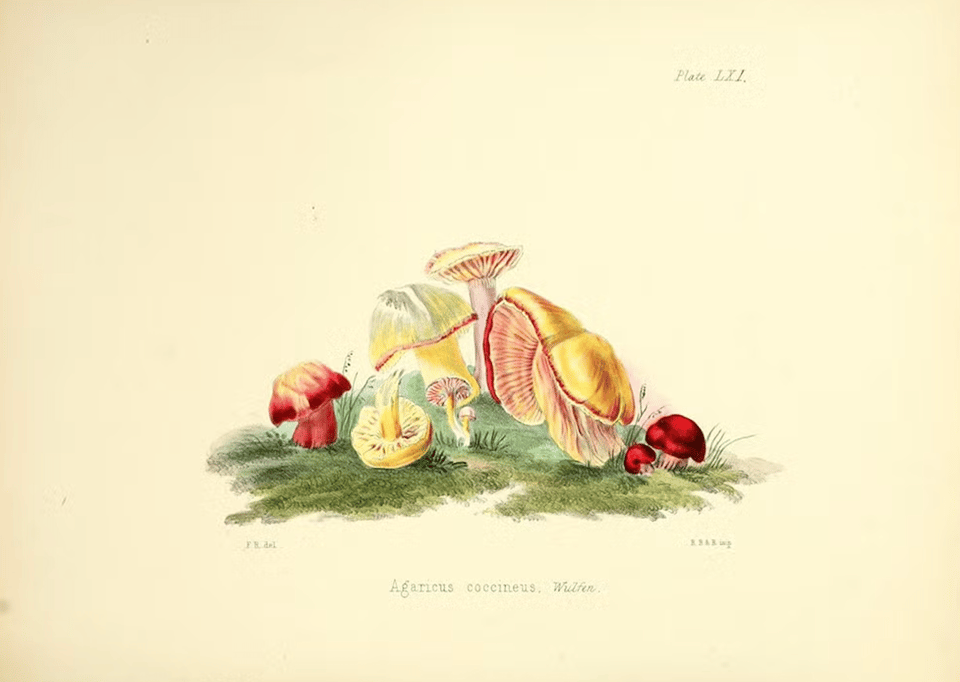
toward a new aesthetic
Lately I’ve been thinking about what being online looks like. The actual look of it. The aesthetic. As I continue to think and write and talk about escaping...
Muse: Designing a studio for ideas
Physical workspaces inspire a fast, fluid digital tool for creative thinking.
The Omg Lol Times · We have to talk about AI “art”
Note: In this post I’m going to use the term “AI” as a lazy shorthand for “generative content creation via large-scale pre-trained models” because time is tight and I’ve got arthritis. I know it’s not really “AI”, but please, let me give my typing fingers a break here.
aesthetics
Aesthetics is relevant to many aspects of computing. Here, we are mostly concerned of the superficial visual appearances and their technological bases.
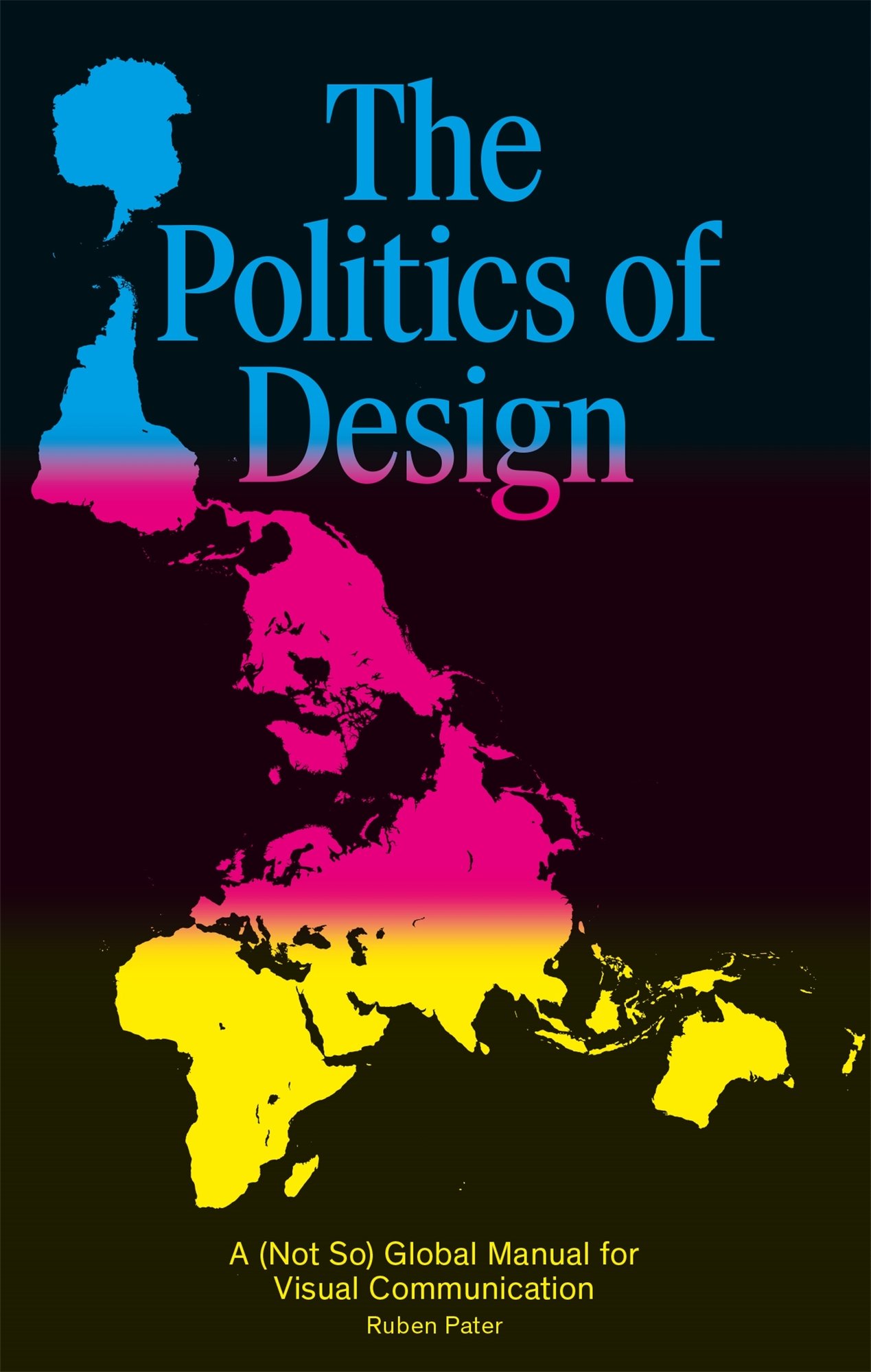
The Politics of Design: A (Not So) Global Design Manual for Visual Communication
A (Not So) Global Design Manual for Visual Communication
AI: The New Aesthetics of Fascism
It's embarrassing, destructive, and looks like shit: AI-generated art is the perfect aesthetic form for the far right.