


Official websites use .gov A .gov website belongs to an official government organization in the United States.
How People with Disabilities Use the Web
Introduces how people with disabilities, including people with age-related impairments, use the Web.
Restrictive ID Policies: Implications for Health Equity
Official websites use .gov A .gov website belongs to an official government organization in the United States.
WebAIM: Web Accessibility In Mind
Expanding the potential of the web for people with disabilities by empowering individuals and organizations to create accessible content.
#cybersafety #ageverification #privacy #minors #ai | Parry Aftab
Internet Age-Verification Causing More Risks than It’s Worth This is not a new issue. Regulators and policymakers have raised it for the last 28 years as the way the keep kids safer online. They compare it to having to flash an ID to purchase regulated content or items (porn, cigarettes, alcohol, restricted medications, age-restricted movies, amusement rides, etc.) But verification online is very different and vastly riskier than flashing an ID in real life. For one, it’s collecting personally-identifiable information about our kids. For two, it puts that information in the too-often untrustworthy digital hands of tech companies. For three, while porn, alcohol and regulated drugs may be a clear-cut case for restricting access to adults, access to the Internet is very different. Yet, regulations begun in the UK and adopted globally have begun a weighted cybersafety approach that, in my humble opinion, prefers excluding young people from digital technology over teaching the cybersafety and digital life skills. That, in my 32 years of work in the fields of cybersafety and protection of minors online, was and remains a mistake. One of my best known quotes, repeated in Congressional and state legislative testimony and in the media is: “The greatest single risk our children face online is being denied access. We have solutions for everything else.” (my testimony before the FTC) Some proponents of age-verification have opted to denying them access unless they give up confirmable personally-identifiable info, such as selfies, feeding AI with PII, and govt or school credentials. I argue that this gives social networks, game providers and digital app operators a wealth of PII to be used for profiling, marketing and collecting far too much. With their privacy at stake, too often incompetent, malicious and greedy producers and mega-tech industry players, can’t and shouldn’t be trusted with the personal info of our most vulnerable - our kids. And AI will now be tasked with collecting everything it can find about our kids to be able to “age-verify.” (It’s ability to age-verify is less reliable with youth as their data-sets are more limited.) I served on a task force appointed by 49 state attorneys general, charged to research and weigh-in on this issue. We concluded that age-verification wasn’t feasible. While this task force was formed many years ago, with the exception of a fortified AI, not much as changed. Our children’s privacy remains, or should remain, paramount. We have robust filtering and blocking technologies. The adult industry has adopted an age-gated model. And parents can restrict access using device-specific tools. And, many well-intentioned age-verification laws were adopted too quickly for thoughtful discourse. Or by governments more prone to censorship/content restrictions. I fear in our quest to protect our kids we have thrown our babies out with the bath water. #cybersafety #ageverification #privacy #minors #AI

WebAIM: The WebAIM Million - The 2026 report on the accessibility of the top 1,000,000 home pages
For the eighth consecutive year, WebAIM conducted an accessibility evaluation of the home pages for the top 1,000,000 web sites. The evaluation was conducted using the WAVE stand-alone API (with additional tools to collect site technology and category data). The results provide an overview of and insight into the current state of web accessibility for individuals with disabilities as well as trends over time.
Reading the Digital Safety Act with My Mastodon Admin Hat On
Back in 2024, I published a reading of the Online Harms Act from my perspective as an admin of a Mastodon instance. The Online Harms Act was a proposed Canadian bill meant to regulate social media to prevent harmful content, particularly hate speech and child abuse materials. While the Online Harms Act ultimately did not come to pass (due the proroguing of Parliament later that year), the Carney Liberal government is bringing much of it back with a new Digital Safety Act. In this post, I am also giving the new Act a look from the perspective of a Mastodon admin.

Digital ID: What it means for the digitally excluded – Digital Poverty Alliance
By 2029, proving your right to work in the UK may no longer mean showing a passport or residence permit. Under Government proposals, it could require a digital

Digital Driver’s Licenses Threaten to Create a “Great Internet Lockdown” | ACLU
Two trends threaten the creation of a bureaucratic wall between Americans and the information they have a right to access

The Age-Gated Internet Is Sweeping the US. Activists Are Fighting Back
Half of the country now requires age verification to watch porn or access “harmful” content. Digital rights advocates are pushing back against legislation they say will make the internet less safe.

Plan Ahead for Disasters | Ready.gov
Official websites use .gov A .gov website belongs to an official government organization in the United States.
Rethinking the Standard of Care for Myalgic Encephalomyelitis/Chronic Fatigue Syndrome
Official websites use .gov A .gov website belongs to an official government organization in the United States.
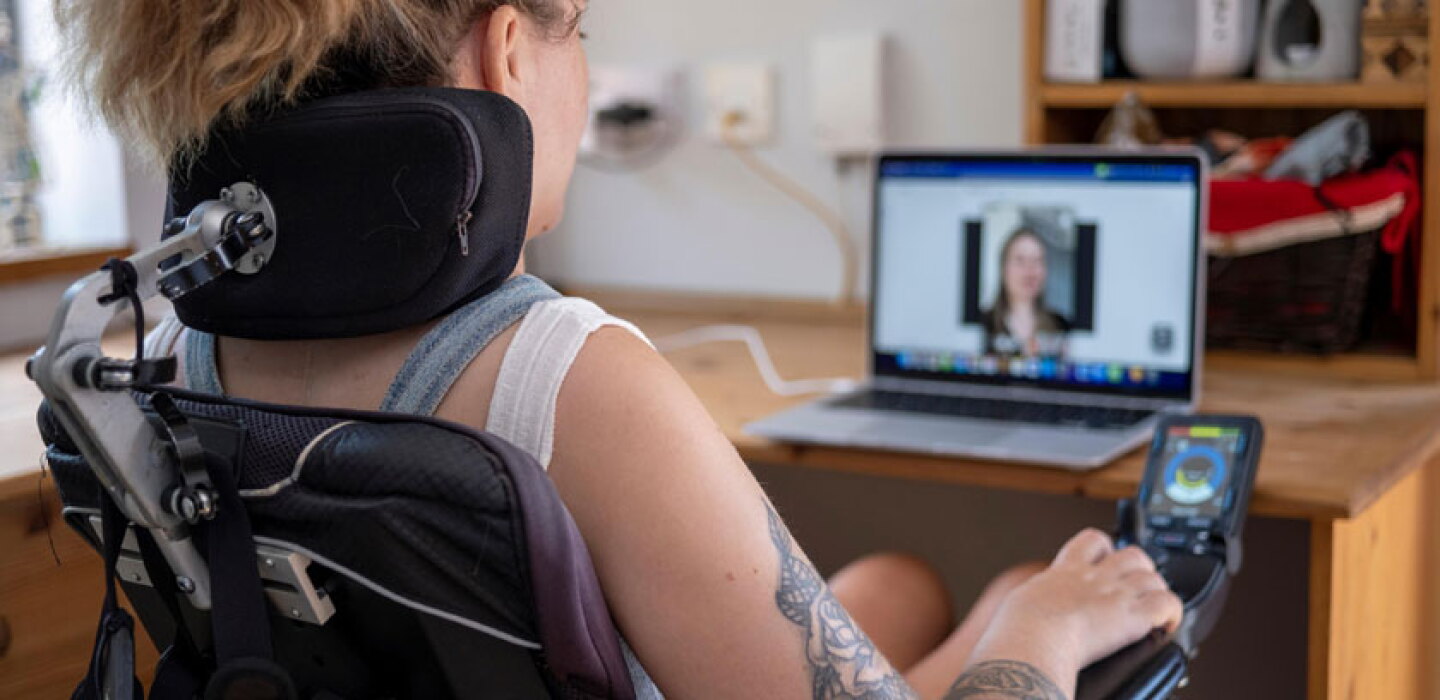
How Digital IDs Could Help and Harm People With Disabilities
While mobile IDs promise new access for people with disabilities, a "one ID, one device" model and accessibility failures threaten to exacerbate the digital divide, according to experts in the field.
Online age-verification tools spread across U.S. for child safety, but adults are being surveilled
New age-verification laws and tools are designed for child safety on social media and the internet, but adults are in the crosshairs, say privacy experts.

A threat model for accessibility on the web - Alice
A explanation of the primary threat to accessibility on the web, and a call to action for the web standards community

Fact Sheet: New Rule on the Accessibility of Web Content and Mobile Apps Provided by State and Local Governments
The Department of Justice published a Notice of Proposed Rulemaking (NPRM) on July 20, 2023 explaining how we propose updating the regulations for Title II of the Americans with Disabilities Act (ADA) to add more specific requirements about web and mobile application accessibility. This fact sheet gives a plain language summary of the technical standards that state and local governments would have to follow to meet their existing obligations under Title II of the ADA.
Social Model of Disability | The Paper Pilot
The Paper Pilot's digital garden of thoughts on philosophy, politics, and sociology