


United States (US) drinking water quality is federally regulated under the Safe Drinking Water Act (SDWA) with the goal of ensuring clean, safe drinking water for the entire population. However, siting of pollution point sources in historically redlined communities with lower socioeconomic status and higher proportions of people of color adversely affects drinking water quality. Prior studies show higher concentrations of a suite of contaminants in small PWS, PWS in rural areas, and PWS serving greater proportions of people of color. Drinking water crises in Flint, Michigan (ca. 2014) and Jackson, Mississippi (ca. 2022) are visible examples of a chronic and widespread pattern of elevated exposures in certain communities. Comprehensive state monitoring data produced as part of compliance with the SDWA are presently not accessible to the public. Further, metadata on water treatment technology and sociodemographic composition of customers served are lacking. Here we argue that improving data transparency is essential for spearheading action to address exposure disparities. We propose the creation of a unified national public database on water quality, treatment technology, and customer metadata with accompanying visualizations for the public that leverage new AI tools. Public action to address exposure disparities gained momentum over the last 30 years but was halted abruptly in 2025. Therefore, new partnerships are urgently needed to continue the pursuit of environmental justice.,
US drinking water quality: exposure risk profiles for seven legacy and emerging contaminants
Advances in drinking water infrastructure and treatment throughout the 20th and early 21st century dramatically improved water reliability and quality in the United States (US) and other parts of the world. However, numerous chemical contaminants from a range of anthropogenic and natural sources continue to pose chronic health concerns, even in countries with established drinking water regulations, such as the US.
Health-Informed Computing: Estimating and Addressing the Public Health Impact of Data Centers
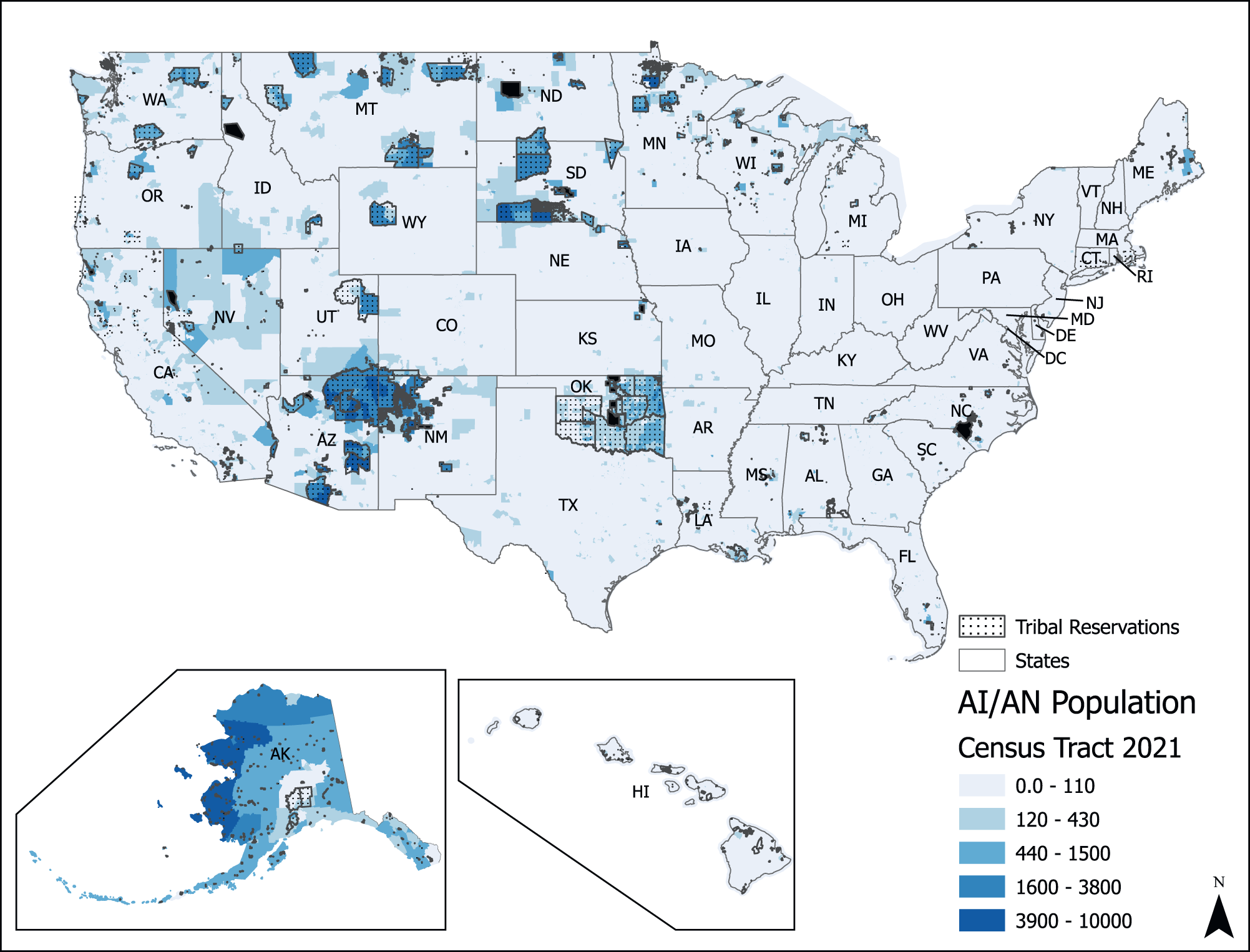
The surging demand for artificial intelligence (AI) has led to a rapid expansion of energy-intensive data centers, contributing to criteria air pollutant emissions and raising public health concerns that have received comparatively limited attention in sustainability assessments. This paper introduces a principled methodology to model air pollutant emissions for data centers and estimate the public health impacts. Our findings reveal that the growing demand for AI and computing technologies is projected to push the total annual public health burden of U.S. data centers up to more than $20 billion in 2028. Although national-level impacts remain modest, data center health costs are unevenly distributed: in the most affected counties, the estimated per-household health burden can reach about seven times the national average. Next, we propose a health-informed computing framework that explicitly incorporates public health impacts into data center resource management across space and time, mitigating public health costs while supporting environmental sustainability. More broadly, we recommend extended energy reporting to include public health impact of data centers and paying attention to all impacted communities.

Health-Informed Computing: Estimating and Addressing the Public Health Impact of Data Centers
The surging demand for artificial intelligence (AI) has led to a rapid expansion of energy-intensive data centers, contributing to criteria air pollutant emissions and raising public health concerns that have received comparatively limited attention in sustainability assessments. This paper introduces a principled methodology to model air pollutant emissions for data centers and estimate the public health impacts. Our findings reveal that the growing demand for AI and computing technologies is projected to push the total annual public health burden of U.S. data centers up to more than $20 billion in 2028. Although national-level impacts remain modest, data center health costs are unevenly distributed: in the most affected counties, the estimated per-household health burden can reach about seven times the national average. Next, we propose a health-informed computing framework that explicitly incorporates public health impacts into data center resource management across space and time, mitigating public health costs while supporting environmental sustainability. More broadly, we recommend extended energy reporting to include public health impact of data centers and paying attention to all impacted communities.
Characteristics of ‘early adopters’ of water treatment capacity needed to remove PFAS and other emerging contaminants in the United States
Larger CWS were 7–8 times more likely than smaller systems to adopt advanced treatment processes over 2004–2022. , Past work shows exposures to drinking water contaminants can differ among regions with varying sociodemographic composition, in part due to disparities in siting of pollution sources. Drinking water treatment by reverse osmosis, ion exchange, or activated carbon has been recommended by United States (US) regulatory agencies for community water systems (CWS) with elevated concentrations of emerging chemical toxicants such as per- and polyfluoroalkyl substances (PFAS). However, barriers faced by CWS in implementing such technologies are not well understood. Here we used a national scale ( n = 36 611 CWS) Kaplan–Meier “survival” analysis, as well as adjusted piecewise logistic regression models, to retrospectively examine characteristics of CWS that were “early adopters” of these treatment technologies between 2004–2022. Results showed the largest CWS serving >100 000 customers adopted the treatment technologies considered here 7–8 times faster than small and very small CWS serving <3300 customers from 2004–2022. Nationally and for a case study of CWS with elevated PFAS concentrations, the odds of CWS adopting the treatment technologies considered in this study between 2004–2022 were significantly lower (10–25%) for each 10% higher proportion of non-Hispanic Black residents. Results were generally consistent when focusing on CWS with prior MCL violations and in CWS across different US regions , system sizes, and source water types. The proportion of American Indian and Alaskan Native residents was also inversely associated with adoption of the treatment technologies for certain groups of CWS. These results suggest managerial and financial barriers to removal of high levels of emerging contaminants in drinking water may be most pronounced for some small CWS and those serving selected historically marginalized communities.
Socioeconomic Disparities in Exposures to PFAS and Other Unregulated Industrial Drinking Water Contaminants in US Public Water Systems
SilentSpringInstitute/ej_ucmr3
Code associated with the UCMR3 paper entitled "Socioeconomic disparities in exposures to PFAS and other unregulated industrial drinking water contaminants in U.S. public water systems"
Replication Data for: County-Level Associations between Drinking Water PFAS Contamination and COVID-19 Mortality in the United States
This repository holds two replication datasets for the study titled, "County-Level Associations between Drinking Water PFAS Contamination and COVID-19 Mortality in the United States." Additional information is available in the readme file for download.
PFAS Statewide Sampling Dataset: PFAS drinking water sampling data from U.S. community water systems
This repository contains a sample of U.S. community water systems (CWS) included in the PFAS statewide sampling dataset. In the first versions of this dataset, 18 states were included as part of Liddie et al., 2023. The statewide sampling dataset now includes compiled data from 28 U.S. statewide sampling campaigns of CWS for per- and polyfluoroalkyl substances (PFAS) in drinking water. The full dataset of samples spans the 2016-2024 period. All data were either publicly available or provided by state agencies upon request. The full dataset contains approximately 98,000 samples from 11,138 CWS in Alabama, Arizona, California, Colorado, Georgia, Illinois, Indiana, Iowa, Kentucky, Maine, Maryland, Massachusetts, Michigan, Minnesota, Missouri, New Hampshire, New Jersey, New York, Ohio, Pennsylvania, Rhode Island, South Carolina, Tennessee, Utah, Vermont, Virginia, Washington, and Wisconsin. Concentrations of 5-40 targeted PFAS were analyzed by multiple labs contracted by the states using comparable methods, including either US EPA Method 537, 537.1, or 533. We assigned a conservative, uniform detection limit at the 98th percentile of all reports detection limits (5 ng/L) for the 5 PFAS that were measured in all states consistently. This dataset also incorporates data from the US EPA’s Safe Drinking Water Information System, including the source water type, county served, zip code, system city, and total population served. The 8-digit hydrological unit code in which a CWS intake is estimated to reside is also provided using data from the United States Geological Survey. This was done by geocoding each CWS using geographical data provided by state agencies, reported zip codes (when available), or based on additional information provided by each system (e.g., system name, city, city served). At this time, the full datasets (either system-level or sample-level) are available by request (see contact information below). Note that additional fields, such continuous concentration data, reported detection limits, concentrations of other PFAS analytes, are also available. Proper citation of both this repository and the original associated paper (see recommended citations below) are required for use of these data. Due to the significant time investment required to curate these data, additional data requests beyond the scope of the details listed here are welcomed but should be agreed upon (e.g., in terms of co-authorship) with the primary point of contact. Please contact Jahred Liddie (jliddie@g.harvard.edu) for questions/suggestions, access to additional variables, or access to the full sampling datasets.
Treatment Processes Reported by US Public Water Systems (2004-2020)
This repository holds records on treatment processes and objectives reported by United States (US) public water systems from 2004-2020. These data were obtained via a Freedom of Information Act request made to the US Environmental Protection Agency in June 2020. Data were reported quarterly. Please refer to the associated publication (Liddie et al., 2026) for additional details on these data. Please cite both this repository and the publication if you use or refer to these data.
Democratizing Data
Democratizing Data builds a community-driven data ecosystem by identifying how datasets are used and reducing barriers to accessing high-quality public data. The initiative enhances the discoverability, usability, and relevance of data for researchers, policymakers, and stakeholder communities. A suite of tools and strategic partnerships supports this work by connecting users to the data, insights, and networks needed to inform decisions and generate impact.
Citizen science in environmental and ecological sciences
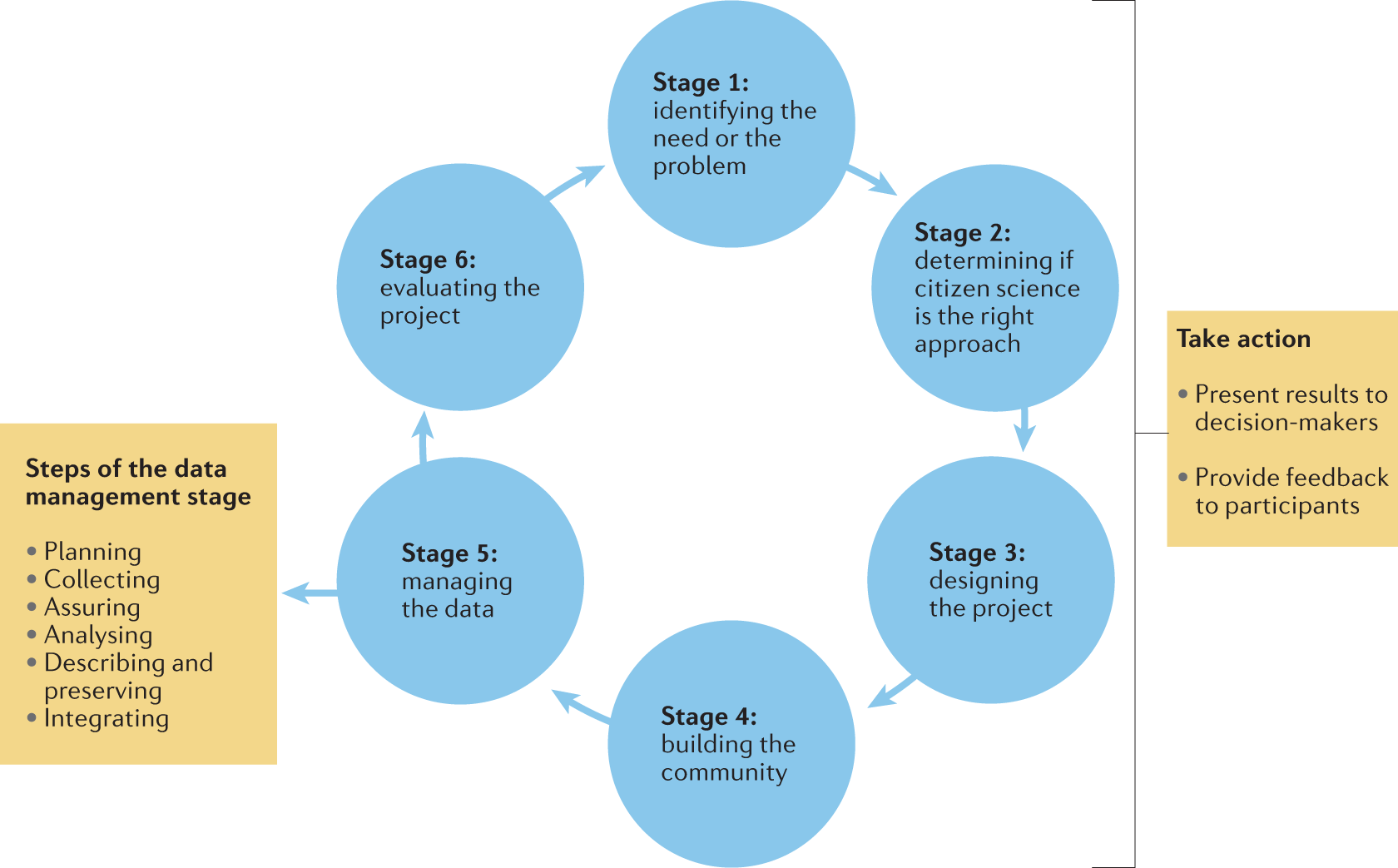
Citizen science is an increasingly acknowledged approach applied in many scientific domains, and particularly within the environmental and ecological sciences, in which non-professional participants contribute to data collection to advance scientific research. We present contributory citizen science as a valuable method to scientists and practitioners within the environmental and ecological sciences, focusing on the full life cycle of citizen science practice, from design to implementation, evaluation and data management. We highlight key issues in citizen science and how to address them, such as participant engagement and retention, data quality assurance and bias correction, as well as ethical considerations regarding data sharing. We also provide a range of examples to illustrate the diversity of applications, from biodiversity research and land cover assessment to forest health monitoring and marine pollution. The aspects of reproducibility and data sharing are considered, placing citizen science within an encompassing open science perspective. Finally, we discuss its limitations and challenges and present an outlook for the application of citizen science in multiple science domains.
Meta’s Bacterial Mystery Could Poison the Data Center Well
Water pollution in Wyoming has big implications for the future of data center development.

Guideline levels for PFOA and PFOS in drinking water: the role of scientific uncertainty, risk assessment decisions, and social factors
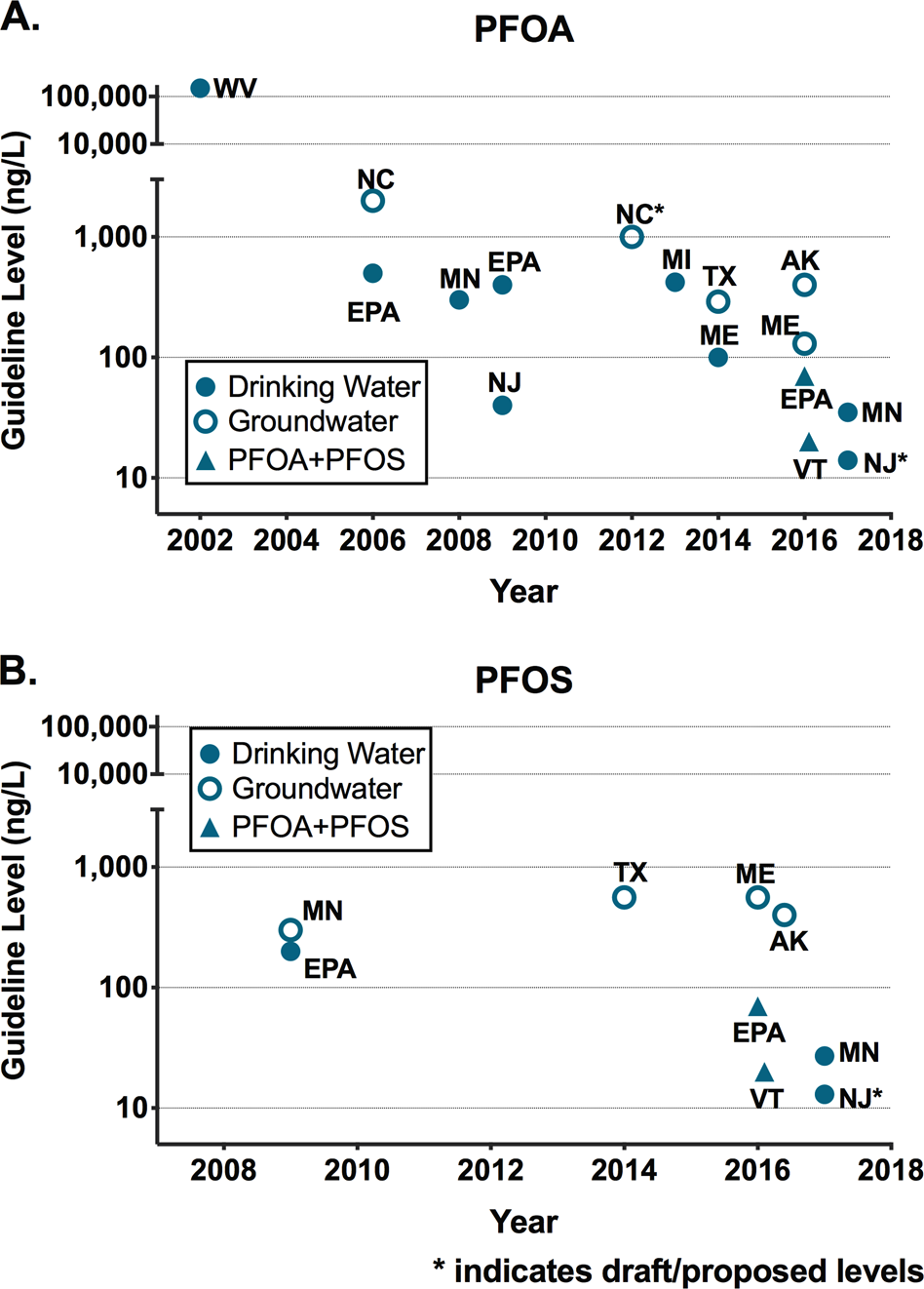
Communities across the U.S. are discovering drinking water contaminated by perfluoroalkyl and polyfluoroalkyl substances (PFAS) and determining appropriate actions. There are currently no federal PFAS drinking water standards despite widespread drinking water contamination, ubiquitous population-level exposure, and toxicological and epidemiological evidence of adverse health effects. Absent federal PFAS standards, multiple U.S. states have developed their own health-based water guideline levels to guide decisions about contaminated site cleanup and drinking water surveillance and treatment. We examined perfluorooctanoic acid (PFOA) and perfluorooctane sulfonate (PFOS) water guideline levels developed by the U.S. Environmental Protection Agency (EPA) and state agencies to protect people drinking the water, and summarized how and why these levels differ. We referenced documents and tables released in June 2018 by the Interstate Technology and Regulatory Council (ITRC) to identify states that have drinking water and groundwater guideline levels for PFOA and/or PFOS that differ from EPA’s health advisories (HAs). We also gathered assessment documents from state websites and contacted state environmental and health agencies to identify and confirm current guidelines. Seven states have developed their own water guideline levels for PFOA and/or PFOS ranging from 13 to 1000 ng/L, compared to EPA’s HA of 70 ng/L for both compounds individually or combined. We find that the development of PFAS guideline levels via exposure and hazard assessment decisions is influenced by multiple scientific, technical, and social factors, including managing scientific uncertainty, technical decisions and capacity, and social, political, and economic influences from involved stakeholders. Assessments by multiple states and academic scientists suggest that EPA’s HA is not sufficiently protective. The ability of states to develop their own guideline levels and standards provides diverse risk assessment approaches as models for other state and federal regulators, while a sufficiently protective, scientifically sound, and enforceable federal standard would provide more consistent protection.
2025 Water Quality Report: Statesville Water Quality Report Released – All State & Federal Standards Met
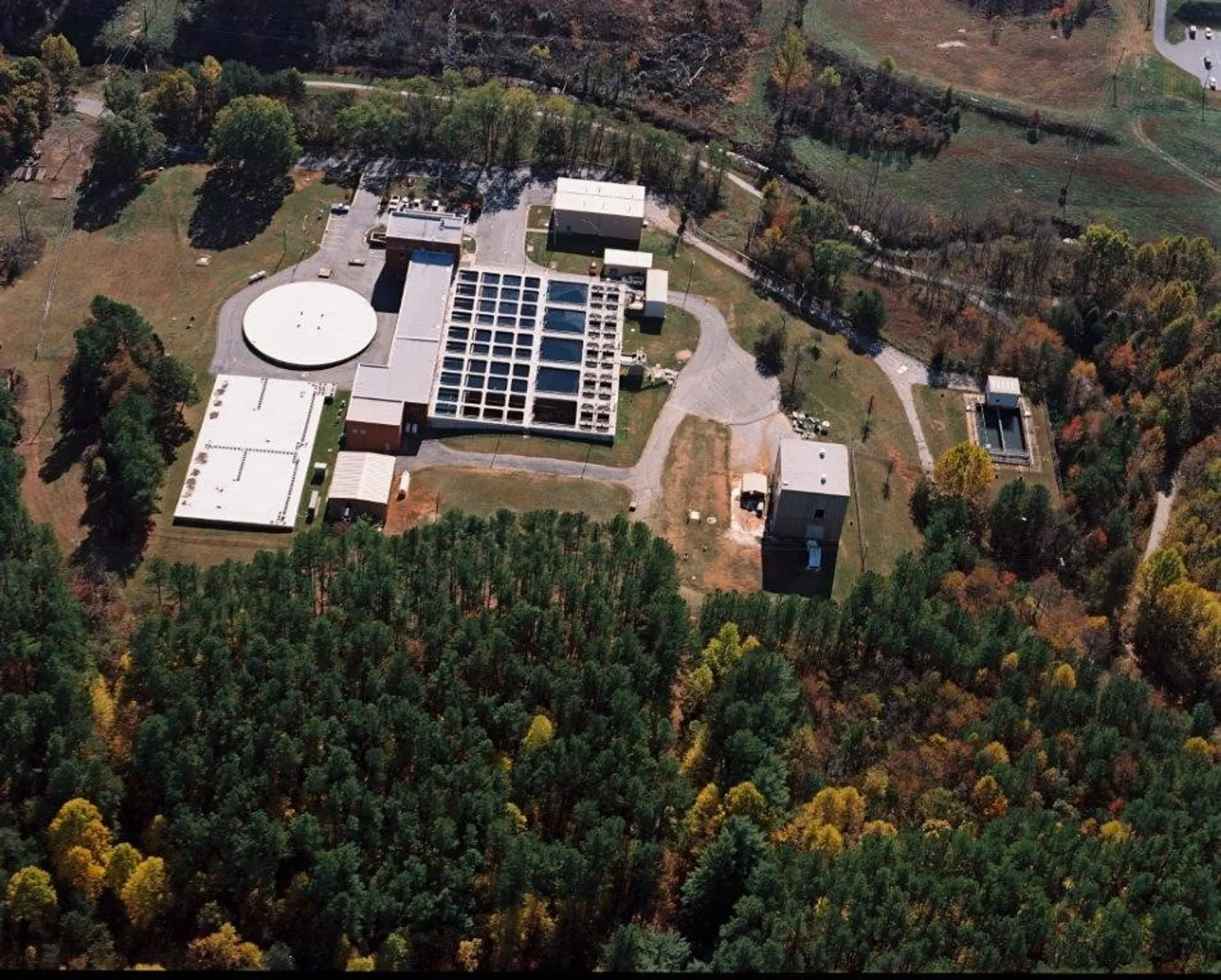
The City of Statesville has released its 2025 Water Quality Report, confirming that the City’s drinking water meets or exceeds all health standards set by the U.S. Environmental Protection Agency (EPA) and the North Carolina Department of Environmental and Natural Resources (DENR).
Replication Data for: Characteristics of 'Early Adopters' of Water Treatment Capacity Needed to Remove PFAS and other Emerging Contaminants in the United States
This repository holds replication datasets for the study titled, "Characteristics of 'Early Adopters' of Water Treatment Capacity Needed to Remove PFAS and other Emerging Contaminants in the United States." Additional information is available in the readme file for download.
Grand Challenges for the Convergence of Computational and Citizen Science Research Workshop Report
This report is an outcome of a Computing Community Consortium (CCC) visioning workshop on Grand Challenges for the Convergence of Computational and Citizen Science Research conducted on April 8-9, 2025, in Washington, D.C. as well as through several precursor virtual input-gathering sessions. These events brought together experts across relevant disciplines to develop a research agenda that brings to fruition the above vision on how humans and machines may team up to solve some of the world's most pressing scientific problems. Citizen science delivers measurable economic and national value. Public participation in scientific research generates millions of dollars in volunteer labor value, extends government agency capacity, and directly supports federal priorities in areas such as disaster management, public health, water, energy, workforce development, and many more. At the same time, 21st-century scientific infrastructure requirements for citizen science (from hardware and cyberinfrastructure to data and computational frameworks) mirror those for computational science more generally. The distributed, collaborative, long-term, and contextual nature of citizen science makes it a demanding real-world use case for a novel robust research infrastructure that accounts for security, privacy, resource adaptability, and transparency. In this report, we outline the key findings, future research directions, and recommendations that emerged from the April 2025 CCC Grand Challenges for the Convergence of Computational and Citizen Science Research Workshop.