Official websites use .gov A .gov website belongs to an official government organization in the United States.
Bedsharing may partially explain the reduced risk of sleep-related death in breastfed infants
Official websites use .gov A .gov website belongs to an official government organization in the United States.
Rethinking the Standard of Care for Myalgic Encephalomyelitis/Chronic Fatigue Syndrome
Official websites use .gov A .gov website belongs to an official government organization in the United States.
New safe sleep recommendations can help pediatricians guide families
The AAP continues to emphasize placing infants on their backs in an uncluttered crib.

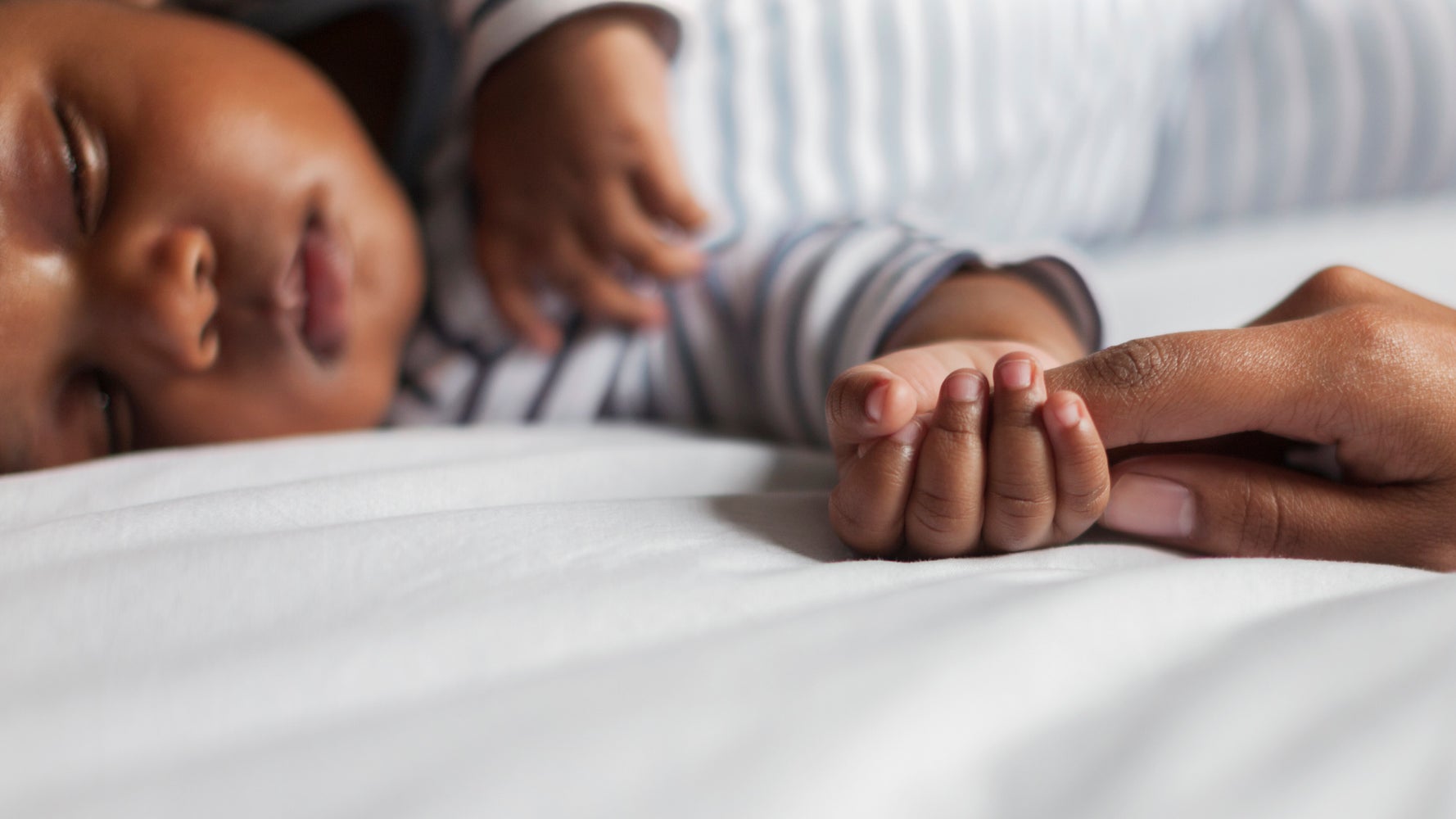
Parents Are Lying About Where Their Babies Sleep At Night. Here's Why That's A Problem.
The AAP comes down hard against bed-sharing, yet many parents still do it. Instead of lying to our pediatricians about it, we should be talking about how to make it safer.
Restrictive ID Policies: Implications for Health Equity
Official websites use .gov A .gov website belongs to an official government organization in the United States.
Commentary: Children's Sense of Fairness as Equal Respect
Official websites use .gov A .gov website belongs to an official government organization in the United States.
Plan Ahead for Disasters | Ready.gov
Official websites use .gov A .gov website belongs to an official government organization in the United States.
Instinctive sleeping and resting postures: an anthropological and zoological approach to treatment of low back and joint pain
Your access to the NCBI website at www.ncbi.nlm.nih.gov has been temporarily blocked due to a possible misuse/abuse situation involving your site. This is not an indication of a security issue such as a virus or attack. It could be something as simple as a run away script or learning how to better use E-utilities, http://www.ncbi.nlm.nih.gov/books/NBK25497/, for more efficient work such that your work does not impact the ability of other researchers to also use our site. To restore access and understand how to better interact with our site to avoid this in the future, please have your system administrator contact info@ncbi.nlm.nih.gov.
Online age-verification tools spread across U.S. for child safety, but adults are being surveilled
New age-verification laws and tools are designed for child safety on social media and the internet, but adults are in the crosshairs, say privacy experts.

Sleep Is the New Status Symbol (Published 2017)
Once we would brag of not needing very much of it. Now deep slumber is a coveted state achieved with gadgets, apps, gizmos and classes.

9/11 Health
For over two decades the Registry researchers have been tracking health trends, investigating emerging health conditions, and identifying gaps in care among people affected by 9/11.
Text - S.1748 - 119th Congress (2025-2026): Kids Online Safety Act
Text for S.1748 - 119th Congress (2025-2026): Kids Online Safety Act
Child safety and age verification laws in SWANA: protection on paper, risk in practice
Governments across Morocco, Egypt, the UAE, Jordan, Tunisia, and Lebanon are introducing child safety and age verification laws for social media. Skyline maps where these laws stand, and the data protection gaps that could turn child protection measures into tools of surveillance.

Why We Sleep, and Why We Often Can’t
Does our contemporary obsession with sleep obscure what makes it special in the first place?

Extreme night owls: ‘I can’t tell anyone what time I go to bed’
What happens when your natural sleeping pattern is at odds with the rest of the world?
Ensuring a safer online experience for U.S. kids and teens
An overview of our approach to age assurance and our commitment to online safety for young users and families.