


Official websites use .gov A .gov website belongs to an official government organization in the United States.
Restrictive ID Policies: Implications for Health Equity
Official websites use .gov A .gov website belongs to an official government organization in the United States.
Microloans
Official websites use .gov A .gov website belongs to an official government organization in the United States.
Children’s Sense of Fairness as Equal Respect
One influential view holds that children’s sense of fairness emerges at age 8 and is rooted in the development of an aversion to unequal resource distributions. Here, we suggest two amendments to this view. First, we argue and present evidence that children’s sense of fairness emerges already at age 3 in (and only in) the context of collaborative activities. This is because, in our theoretical view, collaboration creates a sense of equal respect among partners. Second, we argue and present evidence that children’s judgments about what is fair are essentially judgments about the social meaning of the distributive act; for example, children accept unequal distributions if the procedure gave everyone an equal chance (so-called distributive justice). Children thus respond to unequal (and other) distributions not based on material concerns, but rather based on interpersonal concerns: they want equal respect.
Plan Ahead for Disasters | Ready.gov
Official websites use .gov A .gov website belongs to an official government organization in the United States.
U.S. Social Media Regulations for Minors
The digital lives of American children and teenagers have become a focal point of intense national debate and legislative action. ContentsThe Federal Foundation: The Children’s Online Privacy Protection Act (COPPA)The State-Level Surge: A Patchwork of New RulesThe Next Generation of Federal Law: Congress Weighs InThe Constitutional Crossroads: Free Speech vs. State RegulationThe Great Debate: Voices […]

Super chickens, givers, and collective intelligence: the importance of collaboration, teamwork, and mentorship in science
Official websites use .gov A .gov website belongs to an official government organization in the United States.
Craig Brittain, In the Matter of
The .gov means it’s official. Federal government websites often end in .gov or .mil. Before sharing sensitive information, make sure you’re on a federal government site.
Supreme Court Upholds Age Verification: A Game-Changer for Child Online Safety Laws – Public Interest Privacy Center
The "Segregate-and-Suppress" Approach to Regulating Child Safety Online
<div> In an effort to protect children online, regulators around the country and the world are enacting laws that compel Internet publishers to age-authenticat

Vital Signs: Trends and Disparities in Infant Safe Sleep Practices — United States, 2009–2015
Official websites use .gov A .gov website belongs to an official government organization in the United States.
Meta Just Paid Nearly $17 Billion To Make Sure It Gets To Write The Kid Safety Rules For Every Other Social Media Platform
By now you’ve almost certainly heard the news that Meta has settled with 52 state and local Attorneys General who had sued the company in some form or another over child safety on Meta’…

Digital Disability: A New Risk to Older People in Digital Societies
Official websites use .gov A .gov website belongs to an official government organization in the United States.
FTC Policy Statement on Deception
The .gov means it’s official. Federal government websites often end in .gov or .mil. Before sharing sensitive information, make sure you’re on a federal government site.
The Kids Online Safety Act Will Make the Internet Worse for Everyone
Lawmakers who support KOSA today are choosing to trust the current administration, and future administrations, to define what youth—and to some degree, all of us—should be allowed to read online.
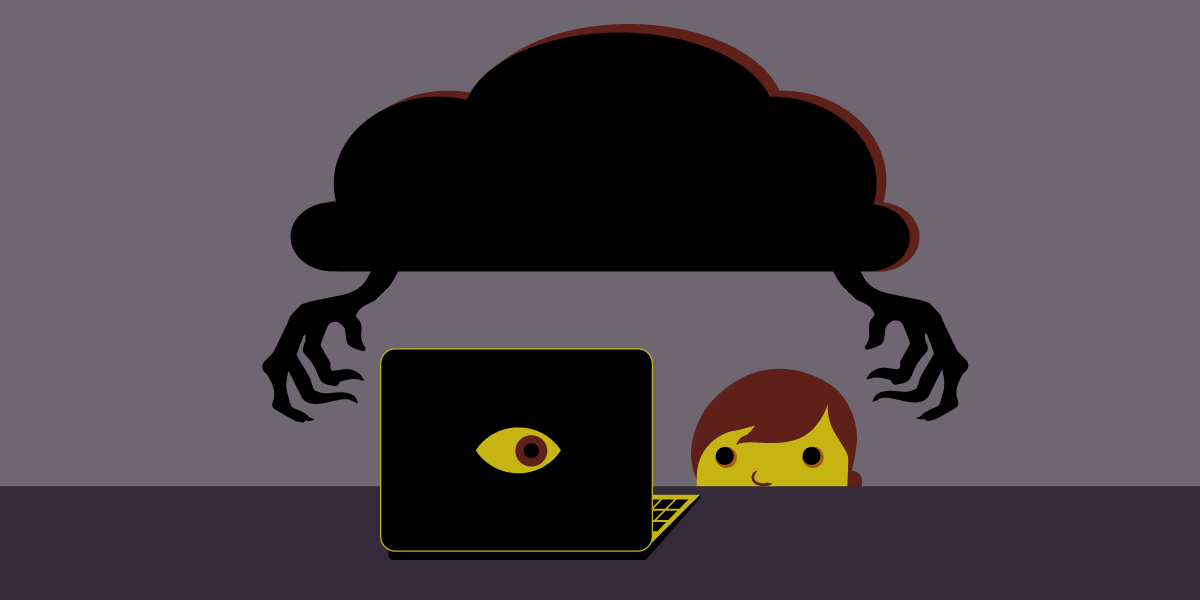
The KIDS Act Would Require Age Checks To Get Online
Buried inside the KIDS Act are provisions that will push online services to verify all users’ ages, require government-directed moderation policies for online speech, and even create new rules about
Table 43
A .gov website belongs to an official government organization in the United States.
