A proposal, informed by feminist theory, for a policy agenda of “governable spaces” across the domains of social media, gig economies, and network infrastructure.
The politics of ‘platforms’
Online content providers such as YouTube are carefully positioning themselves to users, clients, advertisers and policymakers, making strategic claims for what they do and do not do, and how their place in the information landscape should be understood. One term in particular, ‘platform’, reveals the contours of this discursive work. The term has been deployed in both their populist appeals and their marketing pitches, sometimes as technical ‘platforms’, sometimes as ‘platforms’ from which to speak, sometimes as ‘platforms’ of opportunity. Whatever tensions exist in serving all of these constituencies are carefully elided. The term also fits their efforts to shape information policy, where they seek protection for facilitating user expression, yet also seek limited liability for what those users say. As these providers become the curators of public discourse, we must examine the roles they aim to play, and the terms by which they hope to be judged.
How Instagram's moderation rules are made
Creating a Flourishing Digital Public Space for Your Local Area | Notion
A how-to guide for admins and moderators of inclusive, uplifting, and public-spirited local Facebook groups, Discord servers, subreddits, and more...

Transforming Social Media Governance With Applied Theories of Justice – lindsay blackwell
This dissertation explores ways in which social media governance can be improved through the practical application of theories and principles of justice. Three empirical research studies demonstrate that current platform governance practices exacerbate the very harms they seek to mitigate, due in large part to the influence of punitive criminal justice models that are structurally incapable of producing equitable governance outcomes. Informed by transformative justice, social media governance can be reframed from a method for control to a practice of collective care, requiring a fundamental restructuring of the systems and logics that currently govern online spaces.
The politics of ‘platforms’ - Tarleton Gillespie, 2010
Online content providers such as YouTube are carefully positioning themselves to users, clients, advertisers and policymakers, making strategic claims for what ...

Computational Public Space
Chapters — Intro, Communal computing, This presentation, Physicality — Globalization, Centrally-planned, Isolating, Private property, Surveillance, Consumption, Hidden — Summary, Outline

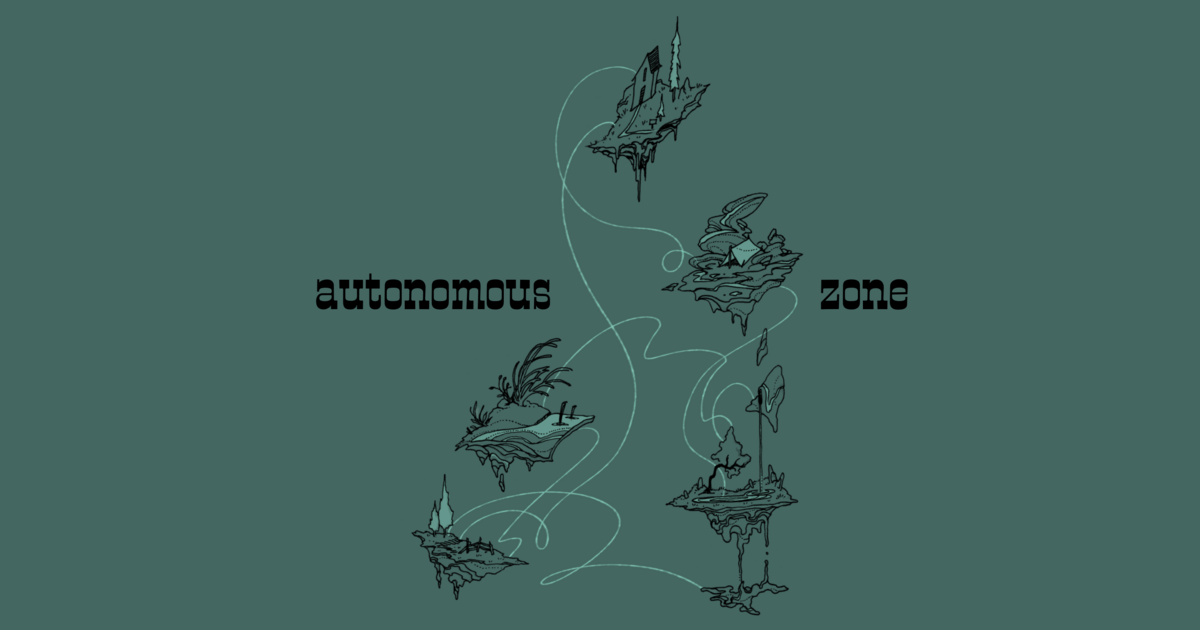
Ecofeminist and Always Unfinished Space Making
This entry is part of rosa's Ecofeminist Dictionary from the project A Traversal Network of Feminist Servers (ATNOFS) and is based on two conversations with Sergiu Nisioi and Anca Bucur of hypha 1.
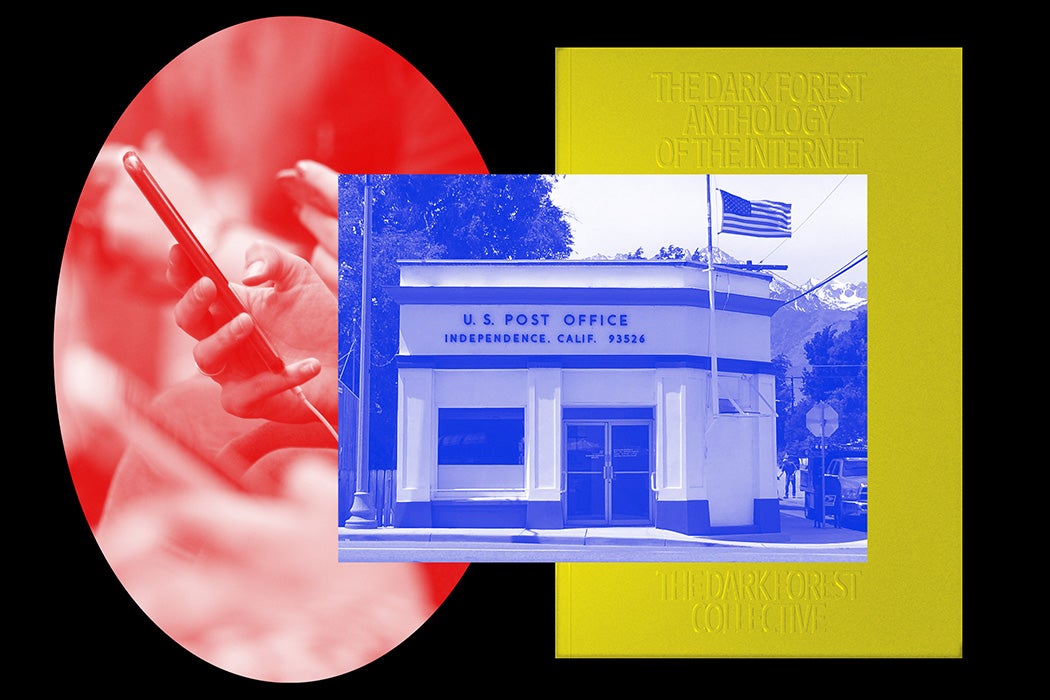
The Case for a Public Social Media Platform - JSTOR Daily
Artist and writer Joshua Citarella explores why corporate platforms corrode democracy—and what a postal-service-style digital commons could do differently.
Governable Spaces: Democratic Design for Online Life – Writings and rehearsals by Nathan Schneider
Read the free, open access editionBuy: Amazon, Bookshop, Narrow Gauge Book Co-op, UC Press
Platform Wars (part 4): A Public Option for Social Media
Welcome to StateBook.

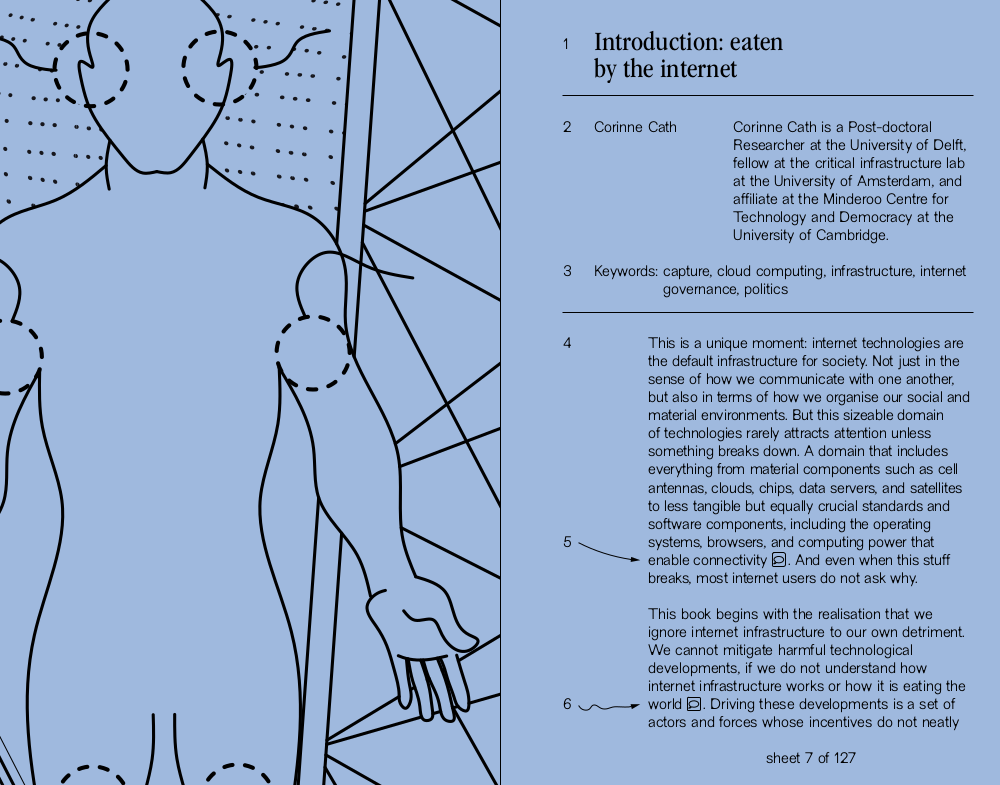
Eaten by the Internet
This book makes internet infrastructure visible as a force of political power, which is transforming the social world, from the bottom up—through fifteen chapters contributed by a global set of researchers, activists, and techies. We are living a unique moment: internet technologies are the default infrastructure for society, not just how we communicate but also how we organise our social life, politics, and economy, all the way down to our material environments, like cities. Our world is eaten by the internet. This means that those who control the internet control the bounds of public speech, economic production, social cohesion, and politics, making its infrastructure a core political terrain in the networked age. The book’s chapters cover a wide set of topics, spanning from the global politics of content moderation by internet infrastructure to the colonialism inherent in the race to plug the moon, from the harms wrought by blockchain companies in rural America to the particularities of online censorship across Asia. The chapters take on thorny topics, discussing power consolidation in the advertisement and cloud industry, the role of internet infrastructure in the war in Ukraine, and tech’s environmental impact—amongst others. In doing so, this book roots contemporary technology debates in the politics of internet infrastructure and urges us to ask how can we ensure our infrastructures sustain us, rather than consume us?
The State Department’s X Directive and the End of Platform Independence
A cable endorsing a social media platform by name as a tool of U.S. diplomacy and military psychological operations would have been unthinkable—until recently.

European Commission (@EUCommission@ec.social-network.europa.eu)
Attached: 1 image A strong Europe needs independent digital spaces. We believe true digital sovereignty thrives on a competitive, contestable, open ecosystem where diverse platforms co-exist. Today, we’re expanding our presence to W, the new social media. By being on W, we want to boost alternatives and support all efforts toward a decentralised web. And we continue to invest into our presence on the Fediverse!
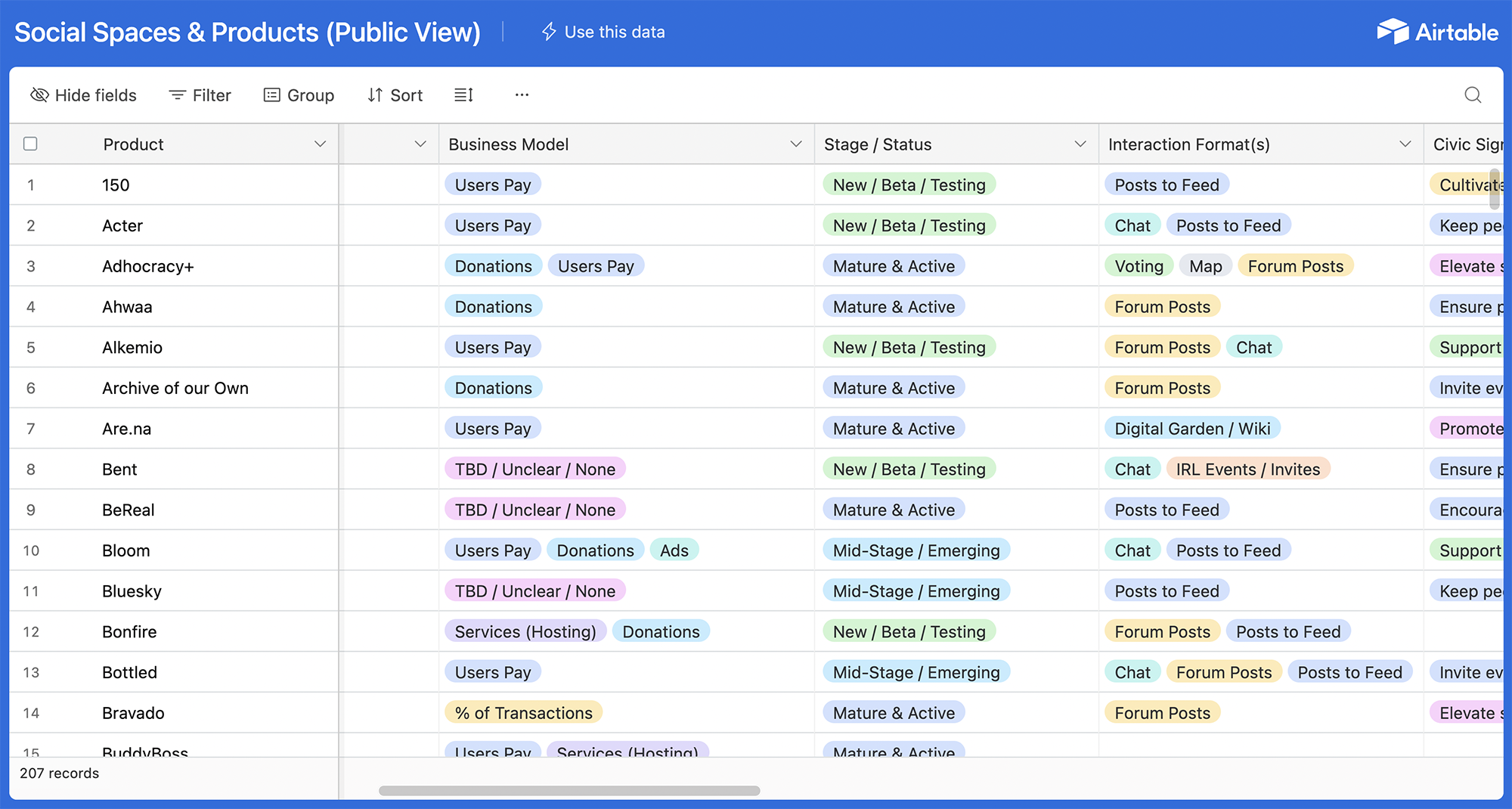
Digital Spaces Directory | New_ Public
As the social media landscape changes and a new wave of digital spaces emerges, this Directory is meant to be a resource for our field — a jumping-off-point for further exploration and research for anyone who’s interested in studying, building, stewarding, or simply using digital social platforms. We hope this will inspire creative exploration, spark new collaborations, and highlight important progress.