
No class gradient is a big win for democratic socialism
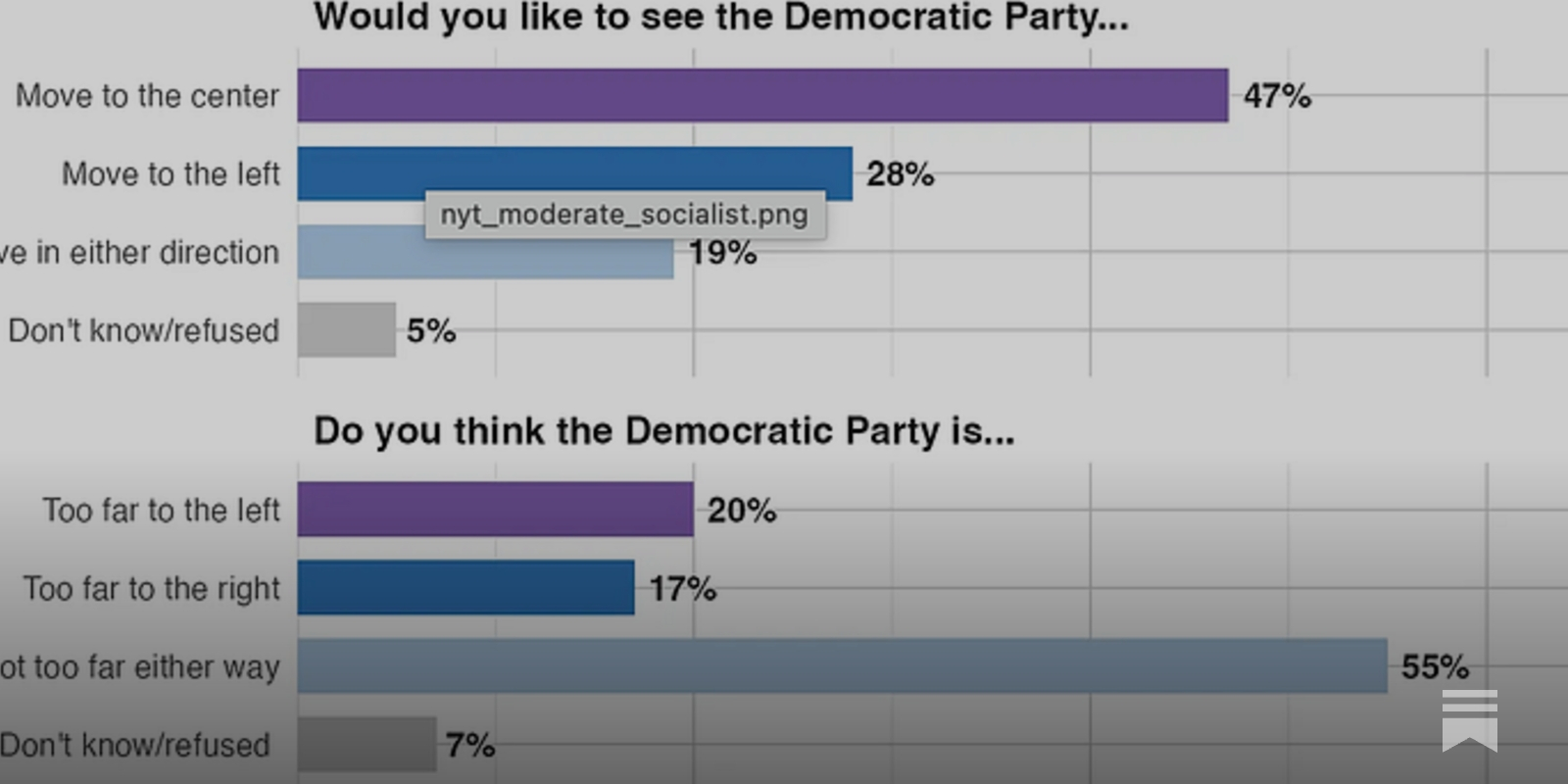
Democratic voters want the party to be more moderate — and more socialist?
The trouble with polling about ideological labels
A Million Doors to a Million Votes: NYC-DSA’s Plan for a Mamdani Mandate - Democratic Left
Victory in the Democratic primary has transformed what’s possible for socialists in New York City. A 10,500 member-strong NYC-DSA's road to November is paved with opportunities to expand our base and muster the forces needed to implement his agenda.

An Examination of Ranked Choice Voting in the United States, 2004-2022
From the perspective of social choice theory, ranked-choice voting (RCV) is known to have many flaws. RCV can fail to elect a Condorcet winner and is susceptible to monotonicity paradoxes and the spoiler effect, for example. We use a database of 182 American ranked-choice elections for political office from the years 2004-2022 to investigate empirically how frequently RCV's deficiencies manifest in practice. Our general finding is that RCV's weaknesses are rarely observed in real-world elections, with the exception that ballot exhaustion frequently causes majoritarian failures.

The Median Voter Theorem is a Clarity Trap
What the Democratic party needs - what it demands - is bold, persistent experimentation

AnarchyValues Results
Ideological matching is a work in progress, and is much less accurate than the values and axes.
Victorian State Voting Intention: L-NP (26%) and ALP (26%) level on primary and ahead of One Nation (23.5%); however, L-NP narrowly leads ALP on two-party preferred basis (51% cf. 49%) - Roy Morgan Research
In early August the L-NP Coalition 26% (up 2% since April) and ALP 26% (up 0.5%) are level on primary vote ahead of One Nation 23.5% (down 1%) and 24.5% (down 1.5%) support Other Parties and Independents including the Greens 12.5% (down 1%), Other Parties 4% (unchanged) and Independents 8% (down 0.5%) according to a special SMS Roy Morgan Poll conducted from August 5-7, 2026, with a representative Victoria-wide cross-section of 2,084 electors.


Opinion | Give ranked voting a shot. Our democracy would benefit.
Ranked-choice voting empowers the majority by allowing voters to order their choices.

Extreme Inequality Presages The Revolt Against It
Even the Davos elites are reading the tea leaves.

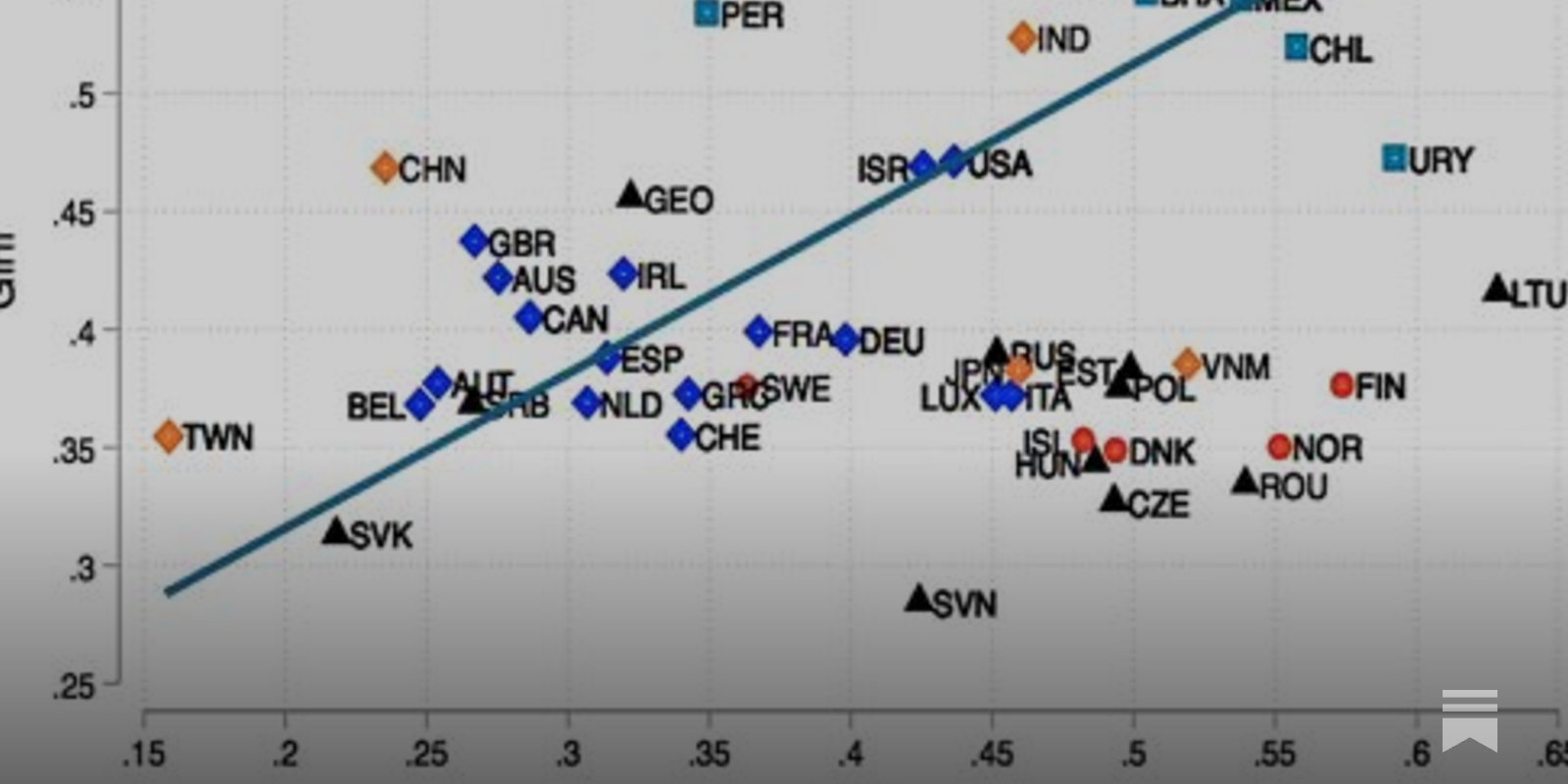
New Capitalism II: Compositional vs income inequality
Are all class-based societies unequal?
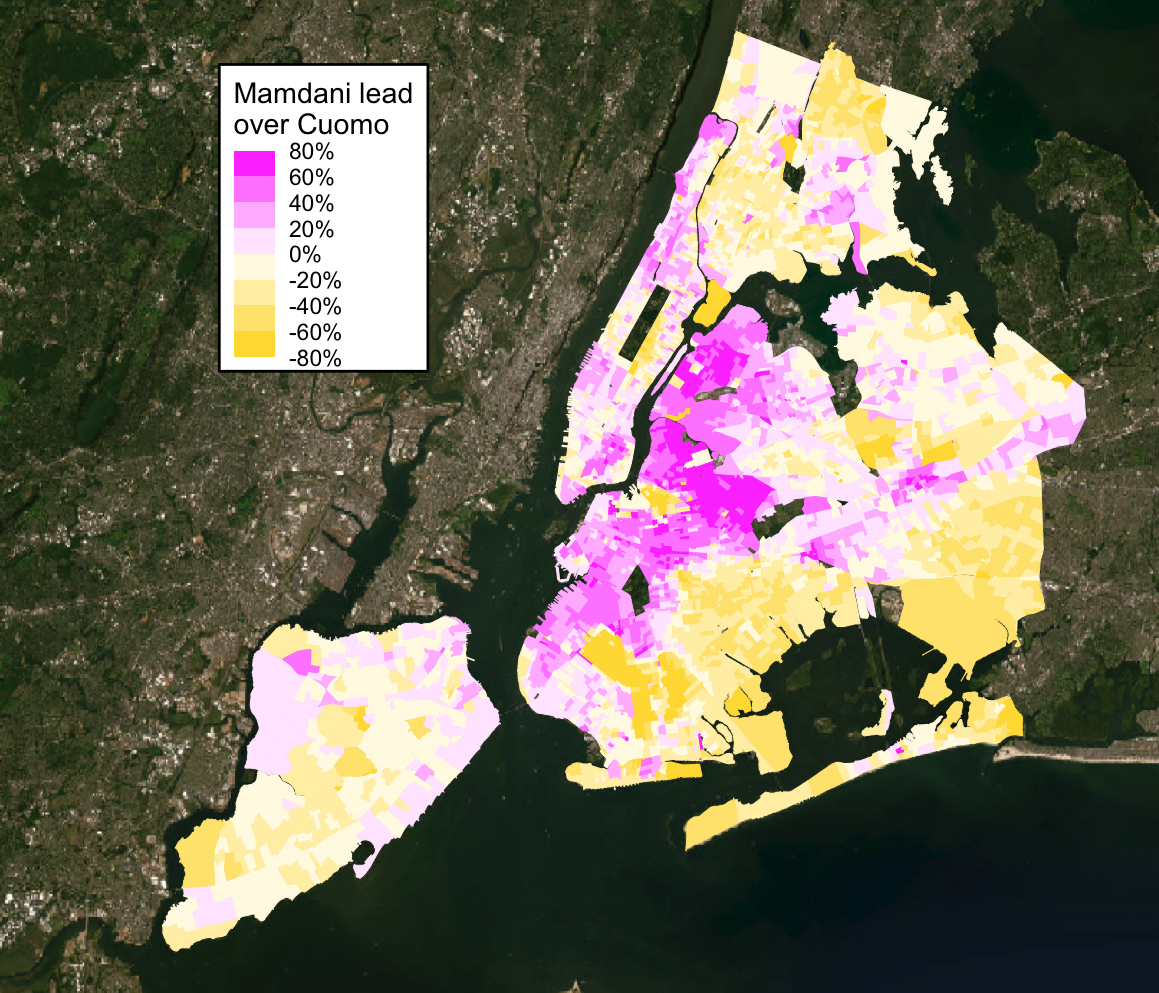
Who voted for Zohran Mamdani?
Zohram Mamdani’s triumph over Andrew Cuomo in the New York City Democratic primary signals a shift towards the progressive wing of the party. Mamdani excelled among younger, Hispanic, and Asi…
Proportional Representation Would Fix That
We can change the structure of elections in America to make them more free, more democratic, and more fair to every voter.
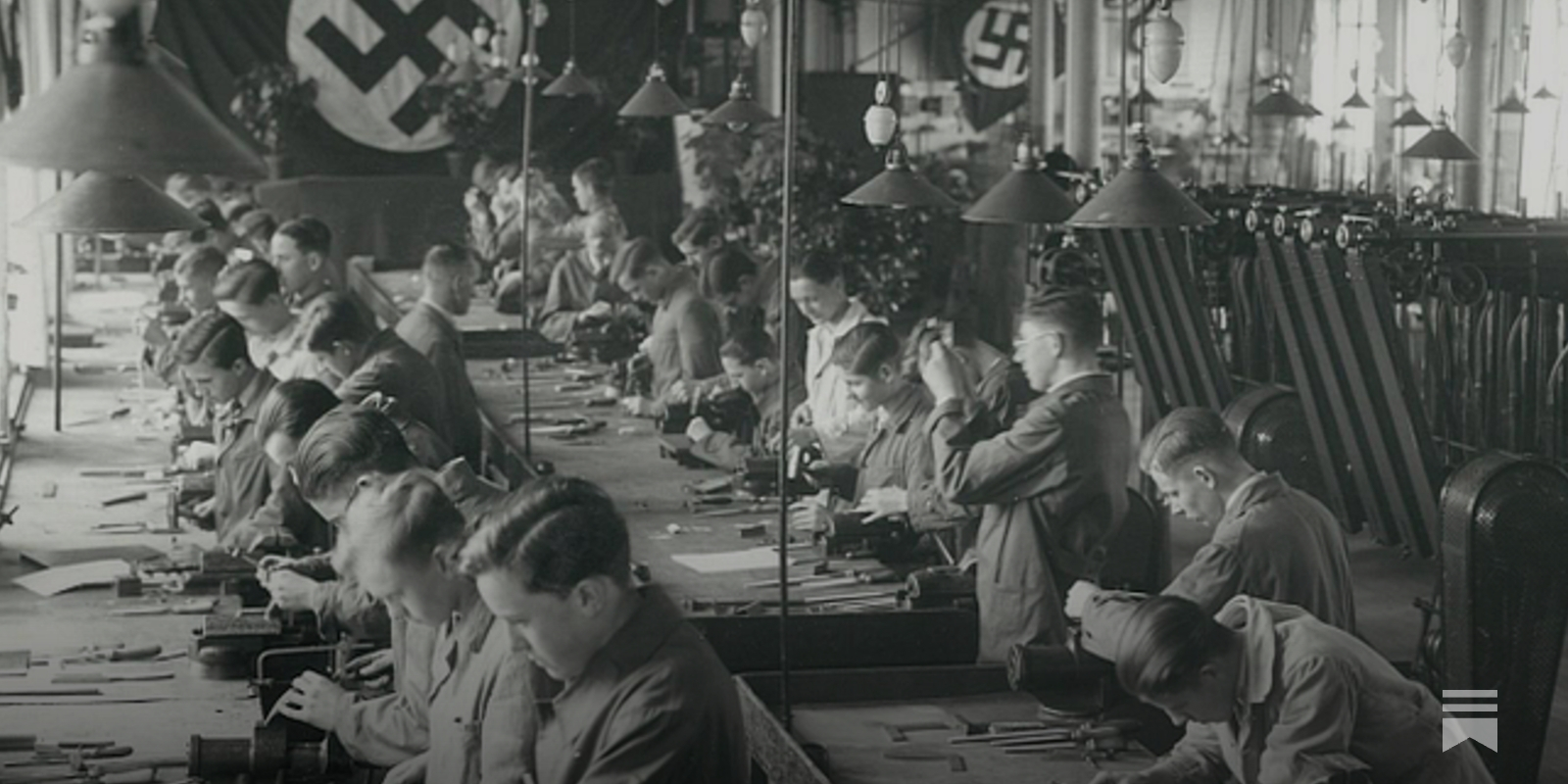
Cambridge Analytica and the end of elections
The latest Cambridge Analytica leaks show just how compromised voting - one of the pillars of democracy - has become.

Partidismo negativo, derecha radical y voto: un análisis de su relación en el contexto de las elecciones generales españolas de 2023
Although the concept of partisan identification included a positive and a negative dimension as postulated by the Michigan model, the truth is that the latter dimension has received practically no attention. The present research aims to evaluate to what extent negative partisanship currently represents an explanatory factor of electoral behavior in Spain. Specifically, we study how, in the context of the Spanish general elections of July 2023, negative partisanship towards the radical right increased the probability of voting for the PSOE and whether, in turn, the rejection generated by the PSOE also promoted support for Vox. To test these hypotheses, we use data from the III National Survey of Political Polarization in Spain, elaborated by the Murcian Centre for Public Opinion Studies (CEMOP) in the middle of the election campaign. The results of the binary logistic regression models implemented show that negative partisanship towards the radical right represents a (novel) explanatory factor of the vote for the PSOE, but that Vox did not feed significantly on the rejection of the socialists —nor even of Sumar—.We also note the exceptional capacity of the radical right to arouse processes of negative identification, especially among women.
The Strongest Criticism of Socialism
The most serious argument against socialism isn't about human nature, it's about economic possibilities. Let's dive into what Mises and Hayek have to say.