

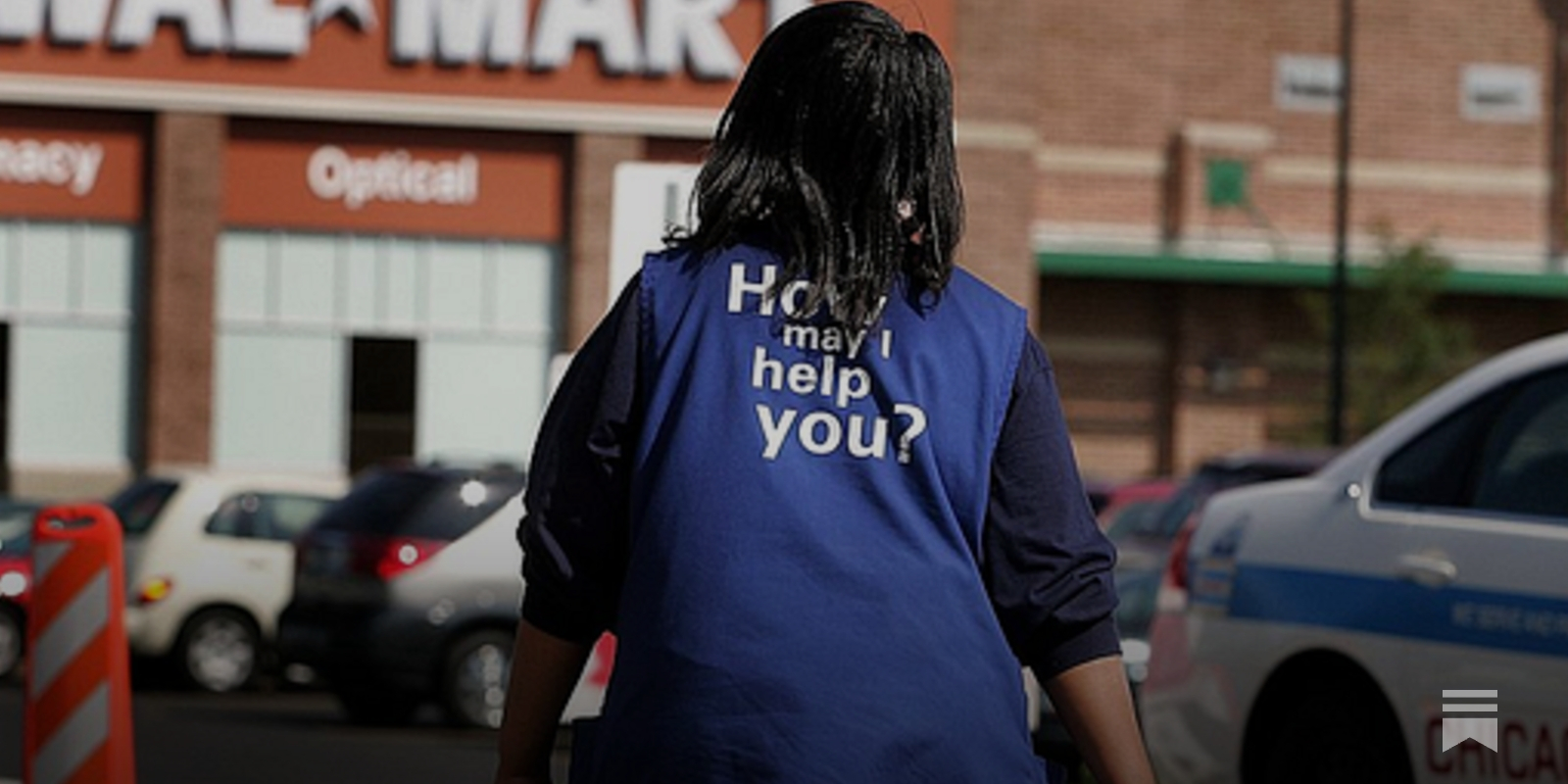
American taxpayers are spending billions every year providing Medicaid benefits to hundreds of thousands of employees of Amazon and Walmart, a new analysis by Popular Information reveals.
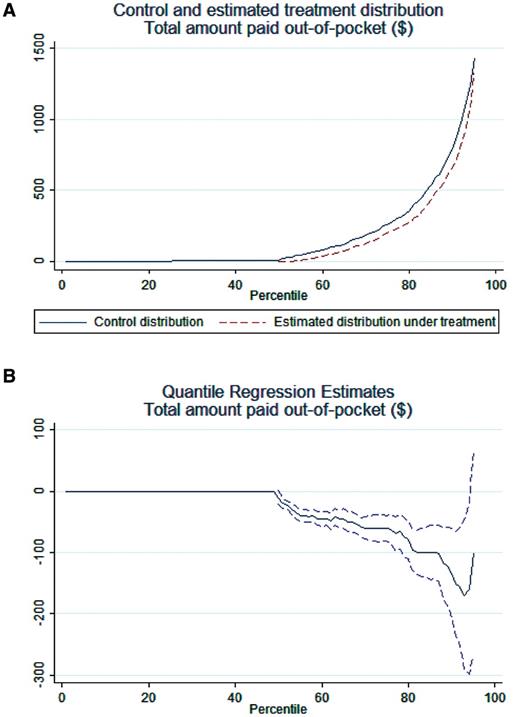
The Oregon Health Insurance Experiment: Evidence from the First Year*
Abstract In 2008, a group of uninsured low-income adults in Oregon was selected by lottery to be given the chance to apply for Medicaid. This lottery provides an opportunity to gauge the effects of expanding access to public health insurance on the health care use, financial strain, and health of low-income adults using a randomized controlled design. In the year after random assignment, the treatment group selected by the lottery was about 25 percentage points more likely to have insurance than the control group that was not selected. We find that in this first year, the treatment group had substantively and statistically significantly higher health care utilization (including primary and preventive care as well as hospitalizations), lower out-of-pocket medical expenditures and medical debt (including fewer bills sent to collection), and better self-reported physical and mental health than the control group.
Part 1: What's good for Amazon is good for ... Amazon
How the world's largest company makes you pay more for less.

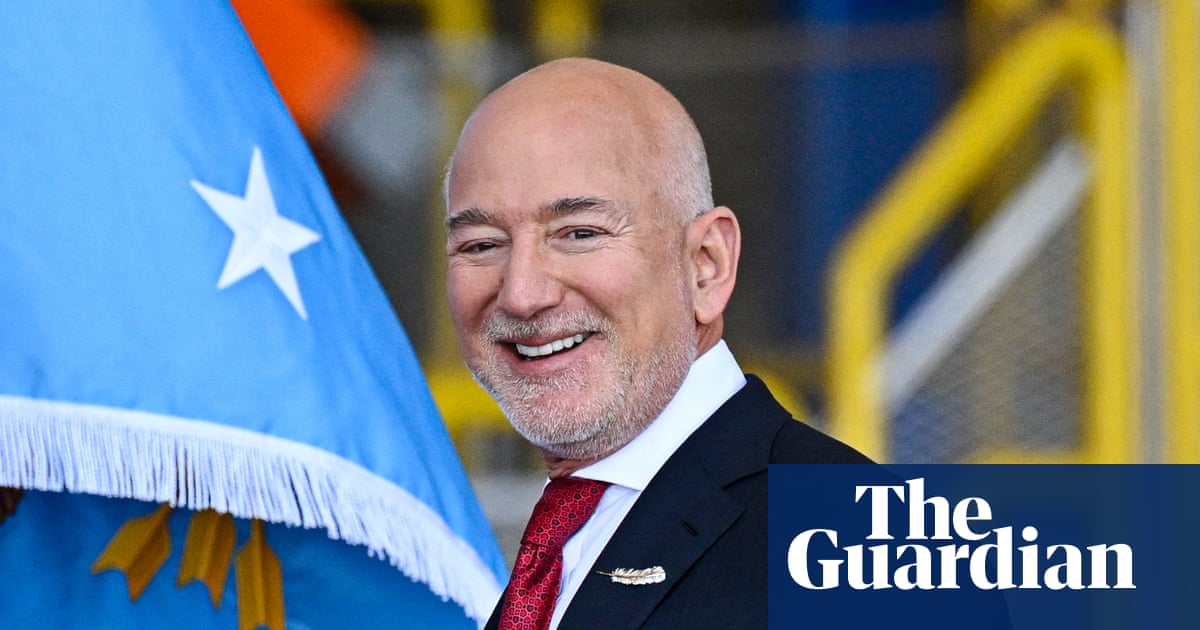
Amazon reveals plans to spend $200bn in one year the day after Bezos guts Washington Post
Tech giant reports $213bn in revenue after its founder, who owns the Post, lays off a third of newspaper’s employees
Anthropic employees say they’ll give away billions. Where will it go?
A coming wave of Anthropic wealth could flood EA-aligned nonprofits with cash. Whether that’s good depends on who you ask
Amazon’s data centers used 2.5 billion gallons of water last year
Amazon’s using a lot of water, but claims it’s using it efficiently.

Can Consumers Make Affordable Care Affordable? The Value of Choice Architecture
Tens of millions of people are currently choosing health coverage on a state or federal health insurance exchange as part of the Patient Protection and Affordable Care Act. We examine how well people make these choices, how well they think they do, and what can be done to improve these choices. We conducted 6 experiments asking people to choose the most cost-effective policy using websites modeled on current exchanges. Our results suggest there is significant room for improvement. Without interventions, respondents perform at near chance levels and show a significant bias, overweighting out-of-pocket expenses and deductibles. Financial incentives do not improve performance, and decision-makers do not realize that they are performing poorly. However, performance can be improved quite markedly by providing calculation aids, and by choosing a “smart” default. Implementing these psychologically based principles could save purchasers of policies and taxpayers approximately 10 billion dollars every year.
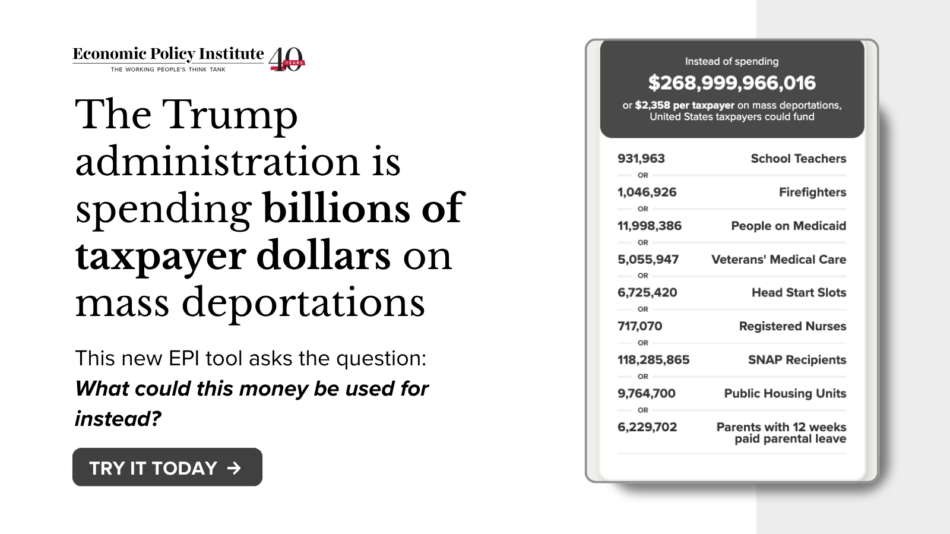
The Cost of Deportations Calculator
The Trump administration is taking billions of _your_ taxpayer dollars to pay for mass deportations. The Cost of Deportations Calculator shows what could this money be used for instead.
FTC alleges Amazon illegally made $20 billion by rigging billions of ad auctions
FTC says firm replaces actual ad-auction results "with higher prices set by Amazon."
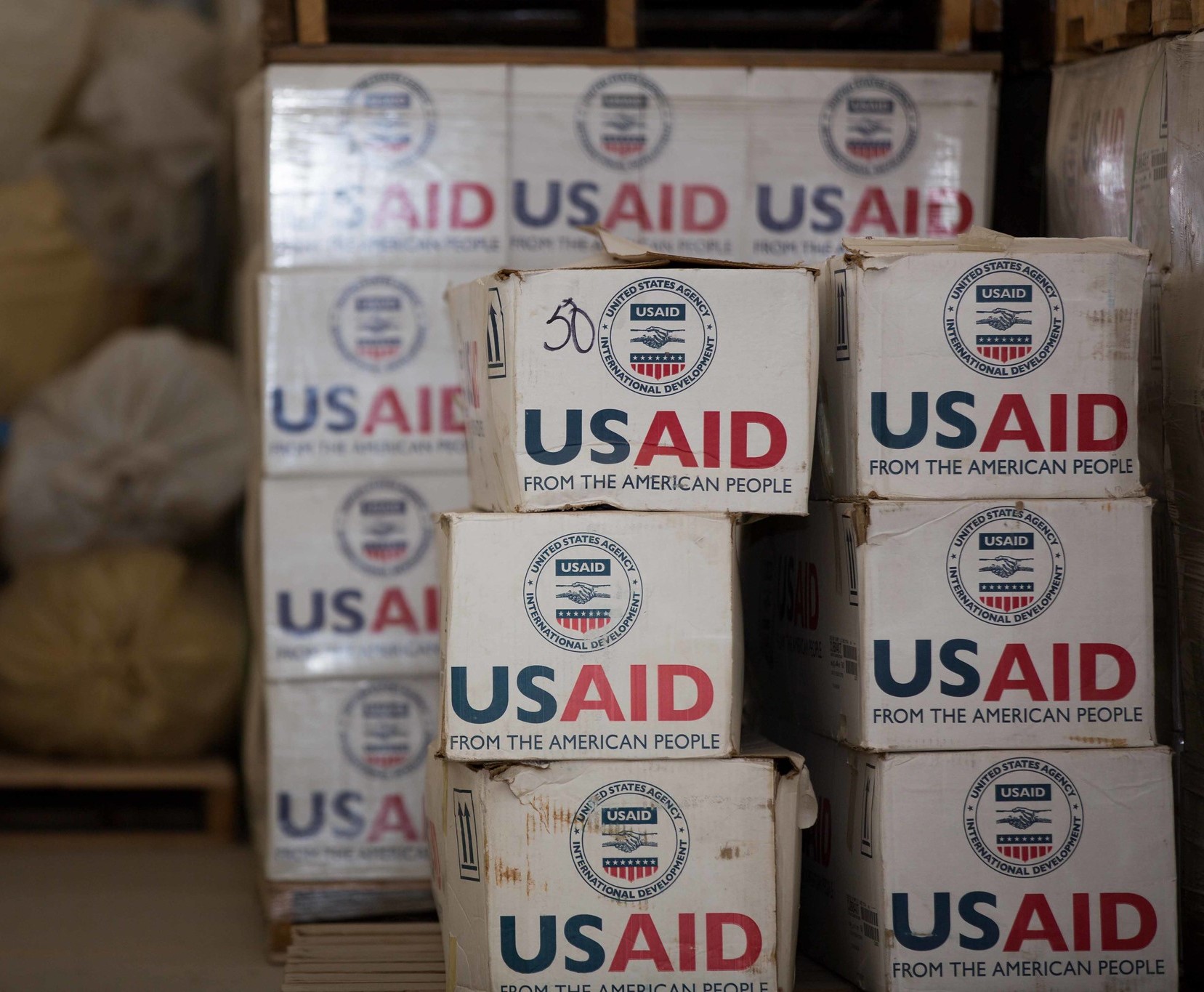
How Many Lives Does US Foreign Aid Save?
We present some estimates for lives saved by US assistance worldwide, with illustrative estimates by recipient country. Our core estimates are for deaths prevented from HIV/AIDS, vaccine-preventable illnesses covered by Gavi, tuberculosis, malaria, and emergency/humanitarian relief. We suggest the number of lives saved per year may range between 2.3 to 5.6 million with our preferred number resting on gross estimates of 3.3 million.
Majority in U.S. Still Say Gov't Should Ensure Healthcare
A majority of U.S. adults continue to think the federal government should ensure universal healthcare coverage, while they also prefer that the U.S. healthcare system be based on private insurance rather than government-run.

Why Amazon Has No Profits (And Why It Works) | Andreessen Horowitz
Amazon has a tendency to polarize people. On one hand, there is the ruthless, relentless, ferociously efficient company that’s building the Sears Roebuck of the 21st Century. But on the other, there is the fact that almost 20 years after it was launched, it has yet to report a meaningful profit. This chart captures the...

Amazon Data Centers In Mississippi Have Already Raised Electricity Rates for Local Customers, Report Suggests
Three Amazon data centers aren't even open yet, but local residents are already paying at least $10.60 extra per month for them, according to a new study.

With open data, you finally get what you’ve paid for all these years
If you pay your taxes, you pay for research. Governments take your money and distribute it to their own departments (like NASA and DARPA), to universities and nonprofits in the form of grants, and to corporations in the form of subsidies. Up until no...

The Top 1% of Americans Have Taken $50 Trillion From the Bottom 90%—And That's Made the U.S. Less Secure
A report shows that a $50 trillion redistribution of income to benefit the richest has made America less healthy, resilient, and secure

EX-99.1
This year, Amazon became the fastest company ever to reach $100 billion in annual sales. Also this year, Amazon Web Services is reaching $10 billion in annual sales … doing so at a pace even faster than Amazon achieved that milestone.
Immigration fees in the US

Taxes on visas and other immigration-related fees, especially those increased or implemented in 2025–

Taxes on High-Skill Immigration: Demand and Supply Response in the International Student-OPT-Work Visa Pipeline

Exclusive | U.S. Weighs $100,000 Fee for Foreign Students Wanting to Work After Graduation

The US President's new proposal to tax international students has been approved by the White House for release this week. It's an unpreceden…