


The World Population Project
More Than Half the World Is Now Urban, UN Report Says
The world’s population is now 6.6 billion, according to a new UN report, and slightly more than half live in urban areas, the majority of them in developing countries.

We Do Not Know the Population of Every Country in the World for the Past Two Thousand Years
Economists have reported results based on populations for every country in the world for the past two thousand years. The source, McEvedy and Jones’ Atlas of World Population History, includes many estimates that are little more than guesses and that do not reflect research since 1978. McEvedy and Jones often infer population sizes from their view of a particular economy, making their estimates poor proxies for economic growth. Their rounding means their measurement error is not “classical.” Some economists augment that error by disaggregating regions in unfounded ways. Econometric results that rest on McEvedy and Jones are unreliable.“… we haven’t just pulled the figures out of the sky. Well, not often.”—McEvedy and Jones (1978, p. 11)

Worlddata: The world in numbers
Statistics, comparisons and rankings: comprehensive geography and demography database on all countries in the world.
Press Release
The world's online population grew by more than 240 million people in 2025, according to Facts and Figures 2025 released today by the International Telecommunication Union (ITU). The new estimates confirm continuing progress in expanding digital connectivity, while pointing to differences in quality that impact how users benefit from Internet use.

India - C-01: Population by religious community, India - 2011
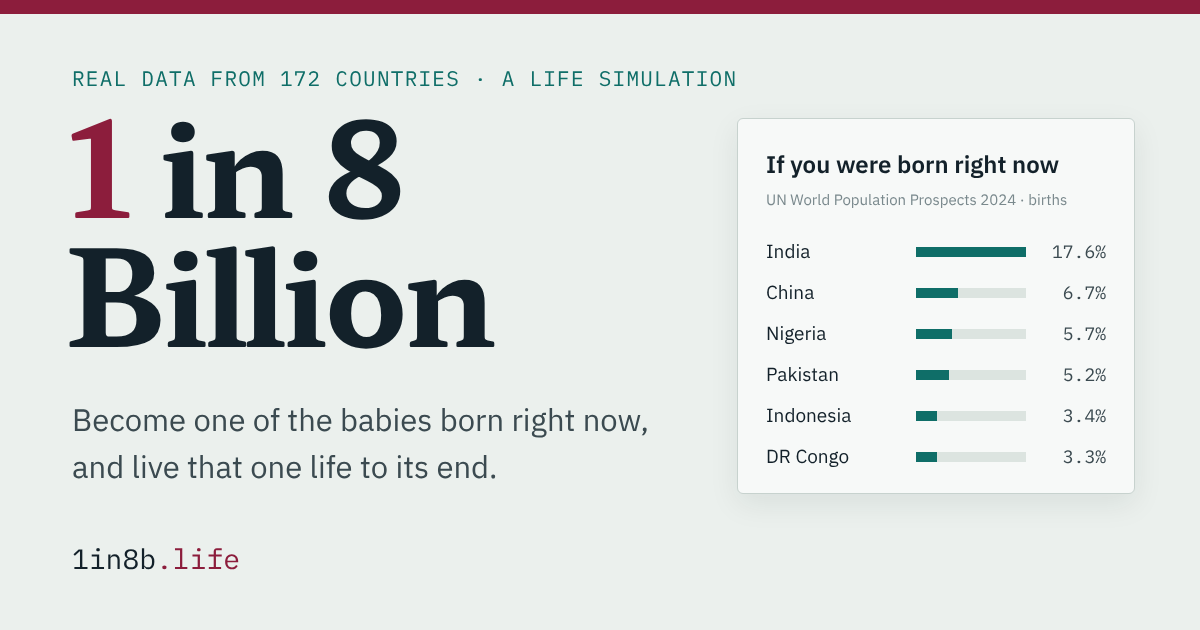
1 in 8 Billion · Who will you be born as?
Become one of the babies being born right now and live their whole life inside the real statistics of 177 countries and territories. Where will you be born?
850 million people globally don’t have ID—why this matters and what we can do about it
The World Bank and its ID4D Initiative are providing tailored support to strengthen the accessibility, design, and governance of identification and civil registration in 57 countries.

Human Race Just 0.01% of All Life But Has Destroyed 83% of Wild Mammals, Study Finds - Slashdot
An assessment of all life on Earth has revealed humanity's surprisingly tiny part in it as well as our disproportionate impact. From a report: The world's 7.6 billion people represent just 0.01% of all living things, according to the study. Yet since the dawn of civilisation, humanity has caused the...

“Terrifying prospect” of over a quarter of a billion more people crashing into extreme levels of poverty and suffering this year | Oxfam International
Over a quarter of a billion more people could crash into extreme levels of poverty in 2022 because of COVID-19, rising global inequality and the shock of food price rises supercharged by the war in Ukraine, reveals a new Oxfam brief today.
Biodiversity change under human depopulation in Japan
Global studies consistently highlight a direct relationship between habitat and species losses, and human population and economic growth. Nevertheless, countries are experiencing below-replacement human fertility and starting to depopulate; among these countries, Japan is a global forerunner. To better understand whether human depopulation automatically yields environmentally restorative outcomes, we examine the impacts of human depopulation on aspects of biodiversity in Japan. Alongside population, land use and surface temperature, we analyse biodiversity change among 464 taxonomic species of bird, butterfly, firefly and frog egg masses, and 2,922 native and non-native plant species in wooded, agricultural and peri-urban landscapes across Japan over periods of 5–17 years from 2004. Irrespective of human population increase or decrease, biodiversity losses continue among most species studied mainly because of change in agricultural land use, either due to urbanization, disuse and abandonment, or intensification. Only where human numbers are currently stable, biodiversity is also more stable, although we anticipate that this may also change as ageing deepens into depopulation in these areas. We conclude by urging countries facing depopulation to account for its outcomes in their biodiversity conservation and restoration strategies.

The EAC-PM's Paper on 'Muslim Population' Is a Travesty of Research Practices
Fertility rates of the poorest sections of the population of any state are impacted by the quality of educational and health services, and gender differences in regard to health and educational outcome indicators, not religion.

A fact-based worldview for all | Gapminder
We live in a globalized world, not only in terms of trade and migration. More people than ever care about global development. But most people have severe misconceptions about contemporary global development. We know, because we have tested people’s knowledge. One of the main reasons for this is that students don’t learn to understand the world based on statistics and facts. Instead, we have a dramatic worldview formed by outdated school books and sensationalist news-stories. People intuitively believe that most things are getting worse. The dramatic worldview leads to irrational decisions by individuals, nonprofits, governments and business. For the first time in human history reliable statistics exist. There’s data for almost every aspect of global development. The data shows a very different picture: a world where most things improve; a world that is not divided; and a world where the fast population growth will soon be over. The world has never been less bad. But that doesn’t mean it’s perfect.
🔎 india census 2011 population by religion - Google Search

India’s Muslim population rose over 43% from 1950-2015: EAC-PM working paper
The paper is authored by EAC-PM member Shamika Ravi, Apurv Kumar Mishra, Consultant, EAC-PM and Abraham Jose, Professional, EAC-PM.
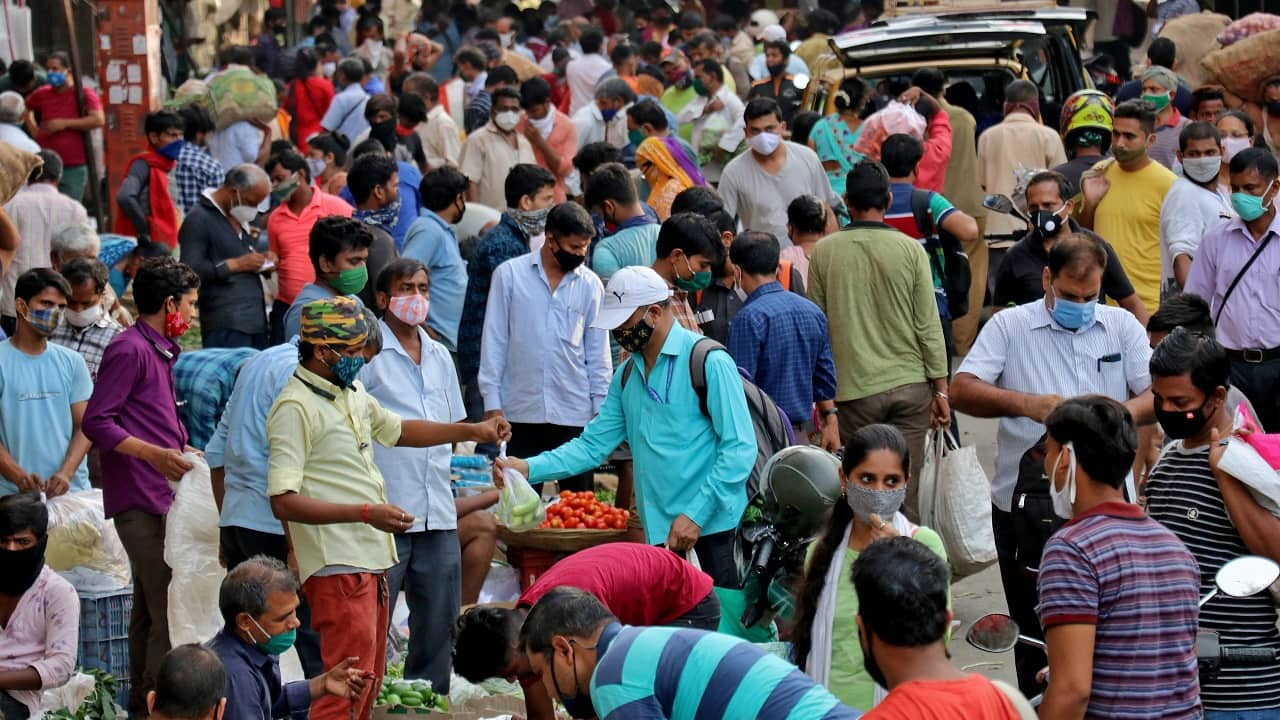
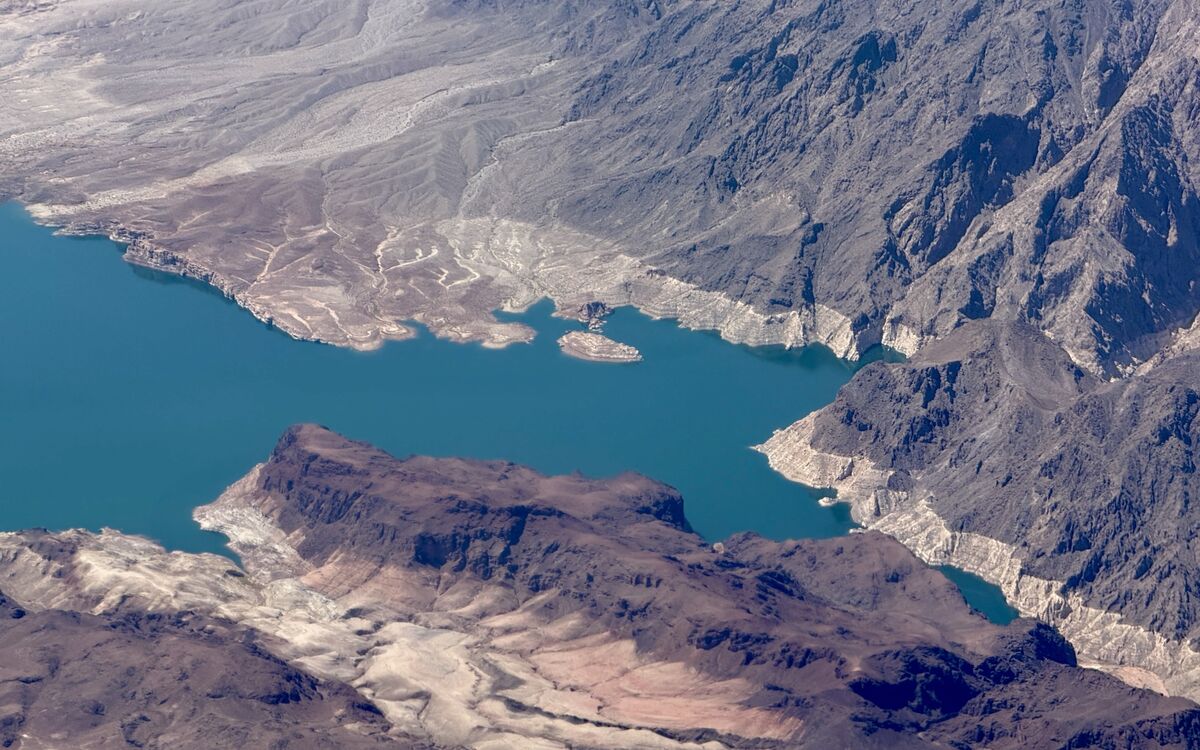
The Earth is Drying Out and We Need to Act Urgently
Three-quarters of the global population, or about 6 billion people, live in areas where fresh water has dwindled since 2002.
Fill The Sky
An interactive map of Bluesky communities — 545K people, 418 communities, discovered by graph analysis.