


Handwriting Education in primary Schools
Handwriting but not typewriting leads to widespread brain connectivity: a high-density EEG study with implications for the classroom
As traditional handwriting is progressively being replaced by digital devices, it is essential to investigate the implications for the human brain. Brain electrical activity was recorded in 36 university students as they were handwriting visually presented words using a digital pen and typewriting the words on a keyboard. Connectivity analyses were performed on EEG data recorded with a 256-channel sensor array. When writing by hand, brain connectivity patterns were far more elaborate than when typewriting on a keyboard, as shown by widespread theta/alpha connectivity coherence patterns between network hubs and nodes in parietal and central brain regions. Existing literature indicates that connectivity patterns in these brain areas and at such frequencies are crucial for memory formation and for encoding new information and, therefore, are beneficial for learning. Our findings suggest that the spatiotemporal pattern from visual and proprioceptive information obtained through the precisely controlled hand movements when using a pen, contribute extensively to the brain's connectivity patterns that promote learning. We urge that children, from an early age, must be exposed to handwriting activities in school to establish the neuronal connectivity patterns that provide the brain with optimal conditions for learning. Although it is vital to maintain handwriting practice at school, it is also important to keep up with continuously developing technological advances. Therefore, both teachers and students should be aware of which practice has the best learning effect in what context, for example when taking lecture notes or when writing an essay.

Ink
Handwriting and drawing directly between paragraphs using a digital pen, stylus, or Apple pencil.
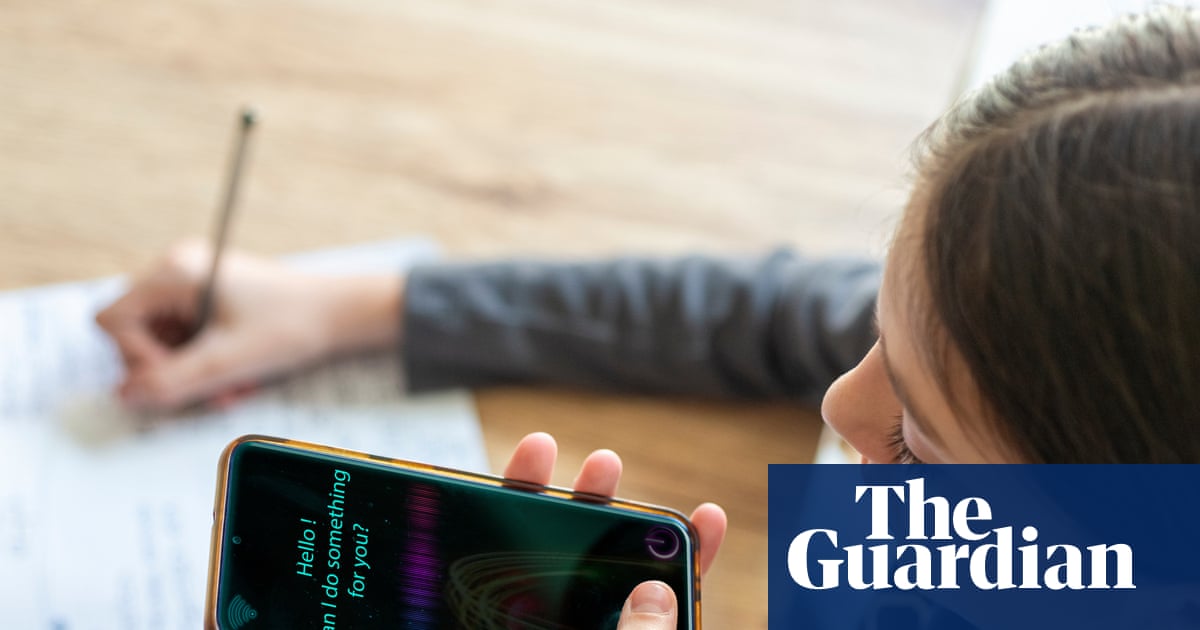
Pupils in England are losing their thinking skills because of AI, survey suggests
Two-thirds of secondary school teachers report a decline in core abilities such as writing and problem-solving
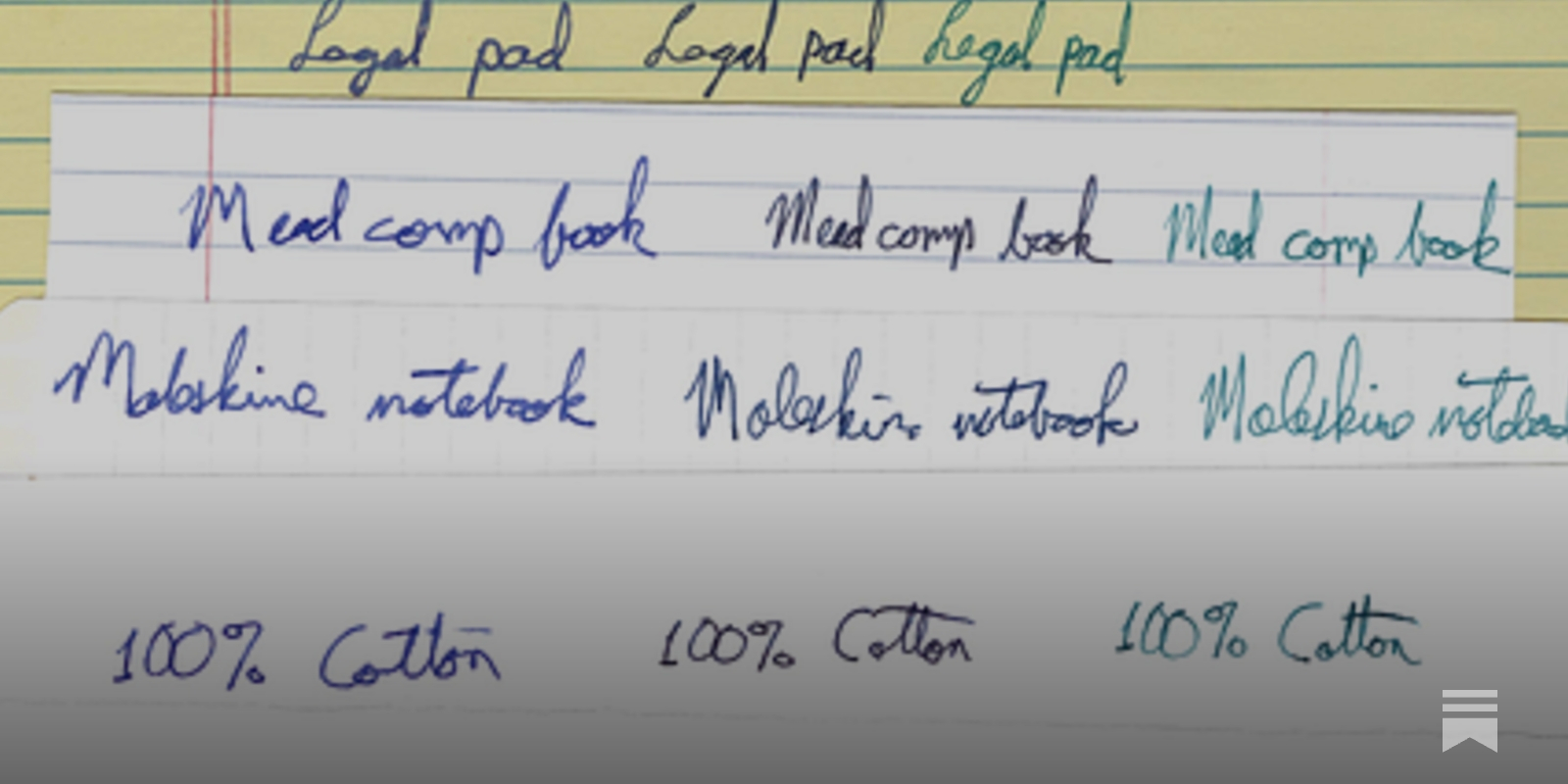
Writing by Hand is Good for your Brain - Here's how to do it
Because I am known to write using a fountain pen on paper, a number of people have pointed me to this post and its underlying research. I won’t rehash what is said in those sources, but the gist of it is that when you write things down by hand you’re recruiting more of your brain, which is a good thing.
Tipographia
Visual archive of graphic design, typography and things printed in Portugal. A collection by...

The End of Reading Is Here
Optimists once believed that universal literacy was inevitable. Now it seems that the age of reading might be a short anomaly in human history.

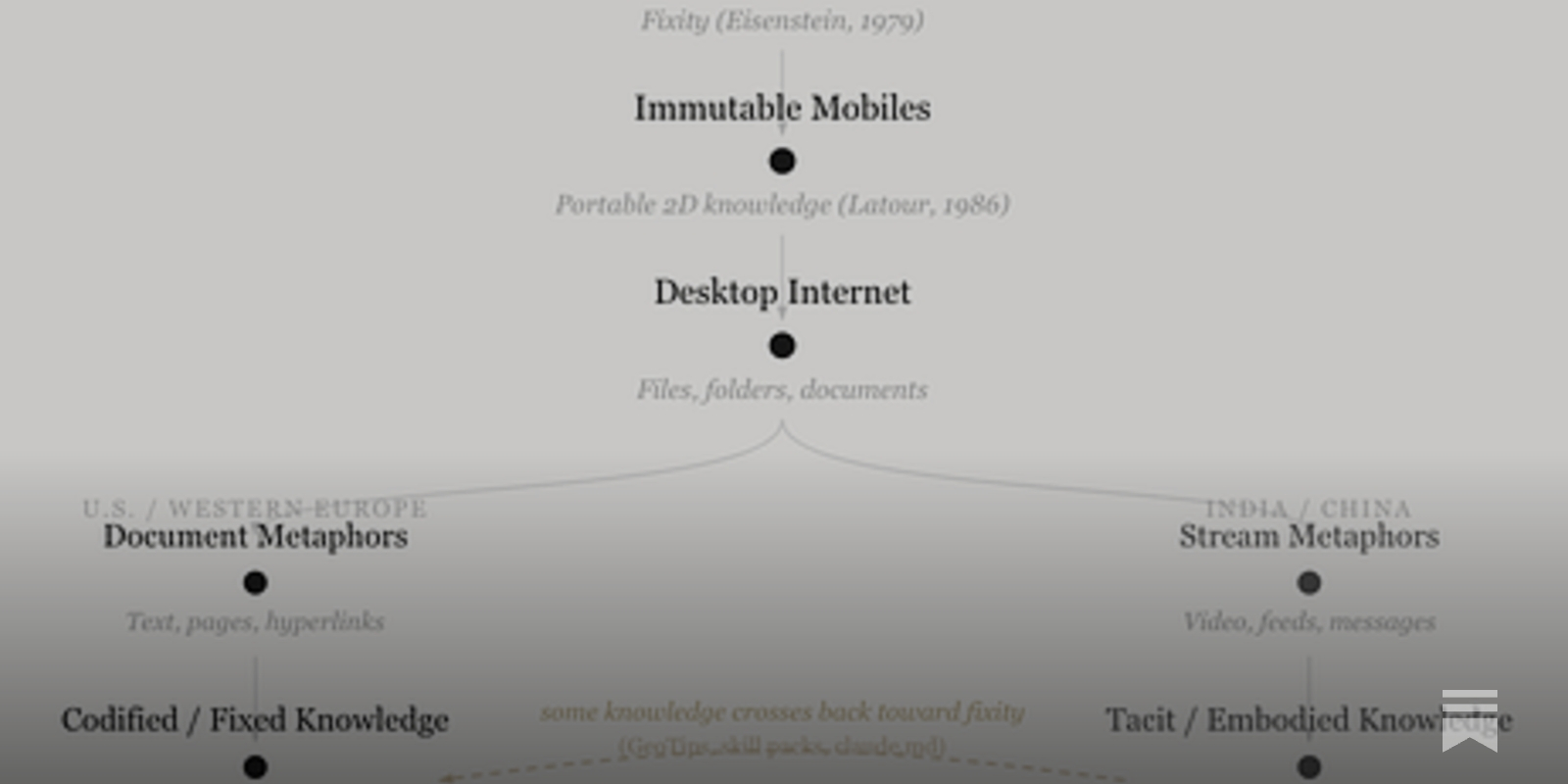
Immutable Skills
How knowledge redevelops at higher levels of abstraction, and why its still dependent on properties of the printing press
Children of the Magenta Line
Why minimally guided AI does not work. Chatbots, novices, the automation of learning and the case for Alpha School
How A.I. Killed Student Writing (and Revived It)
High school and college teachers are watching students write, in the classroom, in order to protect against the incursion of artificial intelligence.

The handwritten font Pecita
All glyphs of the Unicode character font Pecita. Pecita is a handwriting font.

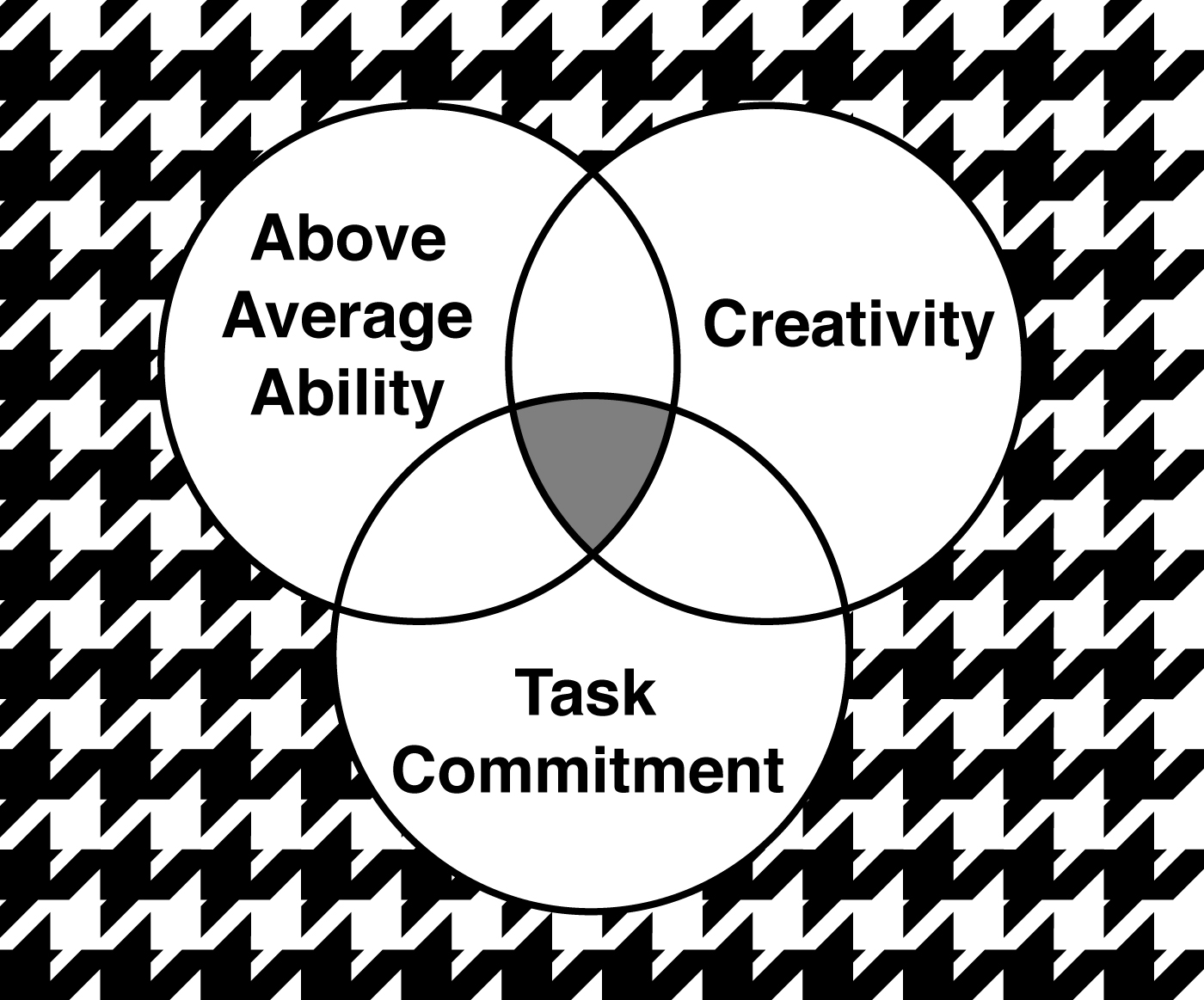
Three-Ring Conception of Giftedness | Renzulli Center for Creativity, Gifted Education, and Talent Development | Neag School of Education | University of Connecticut
In Baum, S. M., Reis, S. M., & Maxfield, L. R. (Eds.). (1998). Nurturing the gifts and talents of primary grade students. Mansfield Center, CT: Creative ...
How easy is it to spot AI writing?
With AI writing becoming increasingly commonplace, how can we spot it and what difference does it make?
