


Making stuff from scratch in the wild
storytold/craft-anything
Craft Anything: understand how any software works, and craft your own.
I Don't Make Content - Fernando Gros
I’ve been putting stuff online since way before anyone was called a content creator. So, if we aren’t just making content, what are we doing?

Minimum Viable Demos
An evening showcase of ambitious projects exploring technology, art, and science.
Making an OS From Scratch - Bootstrapping the dev loop
I made an OS, and you should too I’ve always wanted to make my own OS, but it felt like an insurmountable project. I knew many of the pieces that would be needed, but not all of them. And to realistically make something usable or even useful in any small way seemed impossible. AI changes the equation. While it sucks most of the fun out of coding, it opens up the possibility of being the architect for a larger project without having to know every detail.
Making Space for a Handmade Web | Figma Blog
There’s a resurgence of small, handcrafted sites challenging the current trajectory of the internet. Joining the movement is as simple as making your own.
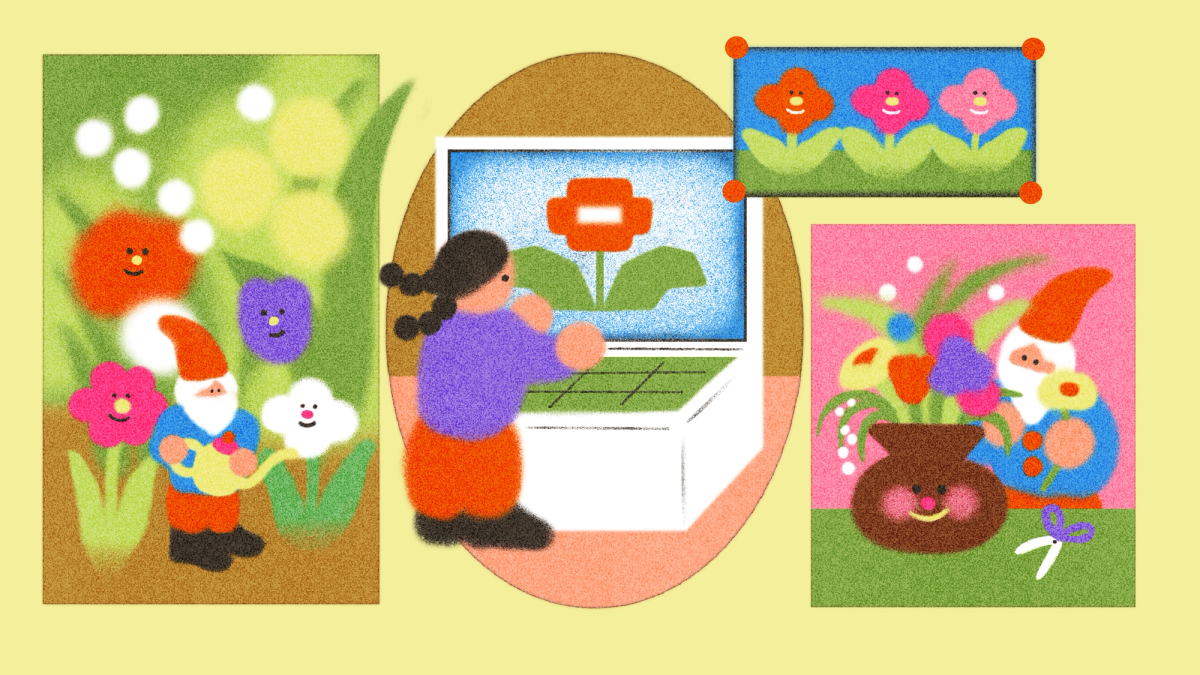
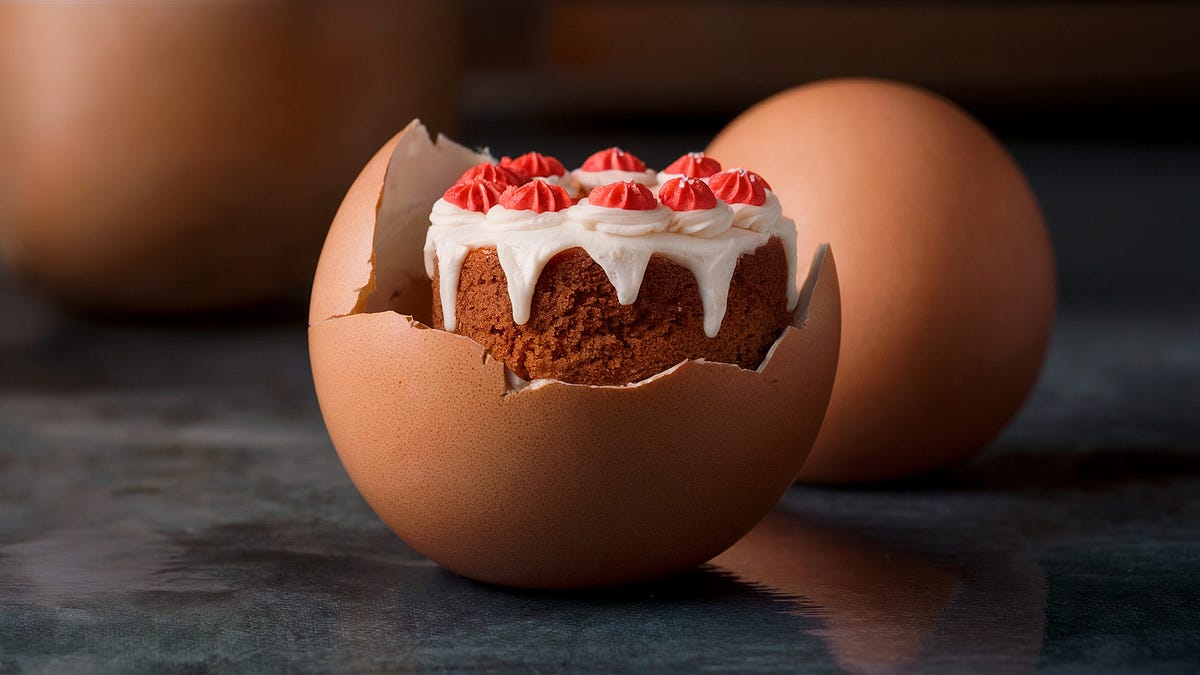
The Myth of the Instant Cake Mix
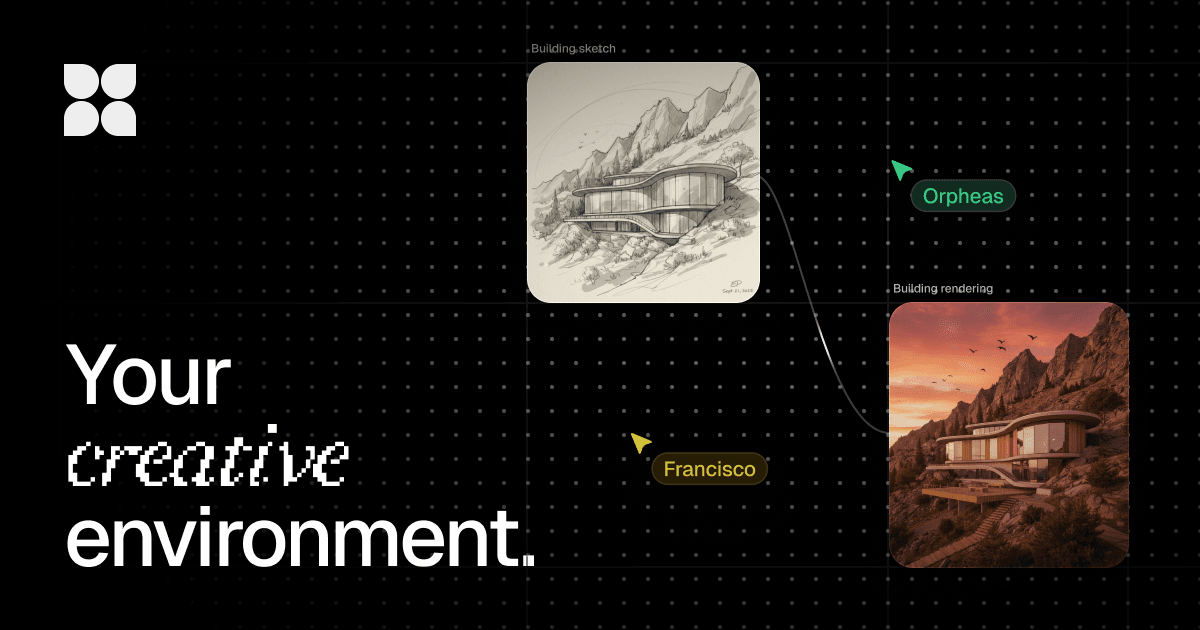
How to think about creative tooling in the new world of generative AI
I Got So Sick of Editing My Videos That I Built My Own AI Editor. Here's the exact stack.
not a generator. a real editor. transcribe, cut, illustrate, caption, render. one conversation, two open-source tools, and Claude Code as the glue.

I Got So Sick of Editing My Videos That I Built My Own AI Editor. Here's the exact stack.
not a generator. a real editor. transcribe, cut, illustrate, caption, render. one conversation, two open-source tools, and Claude Code as the glue.
I Made an AI Clone of Myself
I spent a day recording videos in front of a green screen and reading all types of scripts to create a digital clone of myself that can say anything I want her to using a platform called Synthesia.

Fine-grained provenance, Automerge updates, LIVE workshop
Some explorations of new editor interactions for writing science papers, and a trio of projects advancing the future of Automerge.
Kit-of-No-Parts
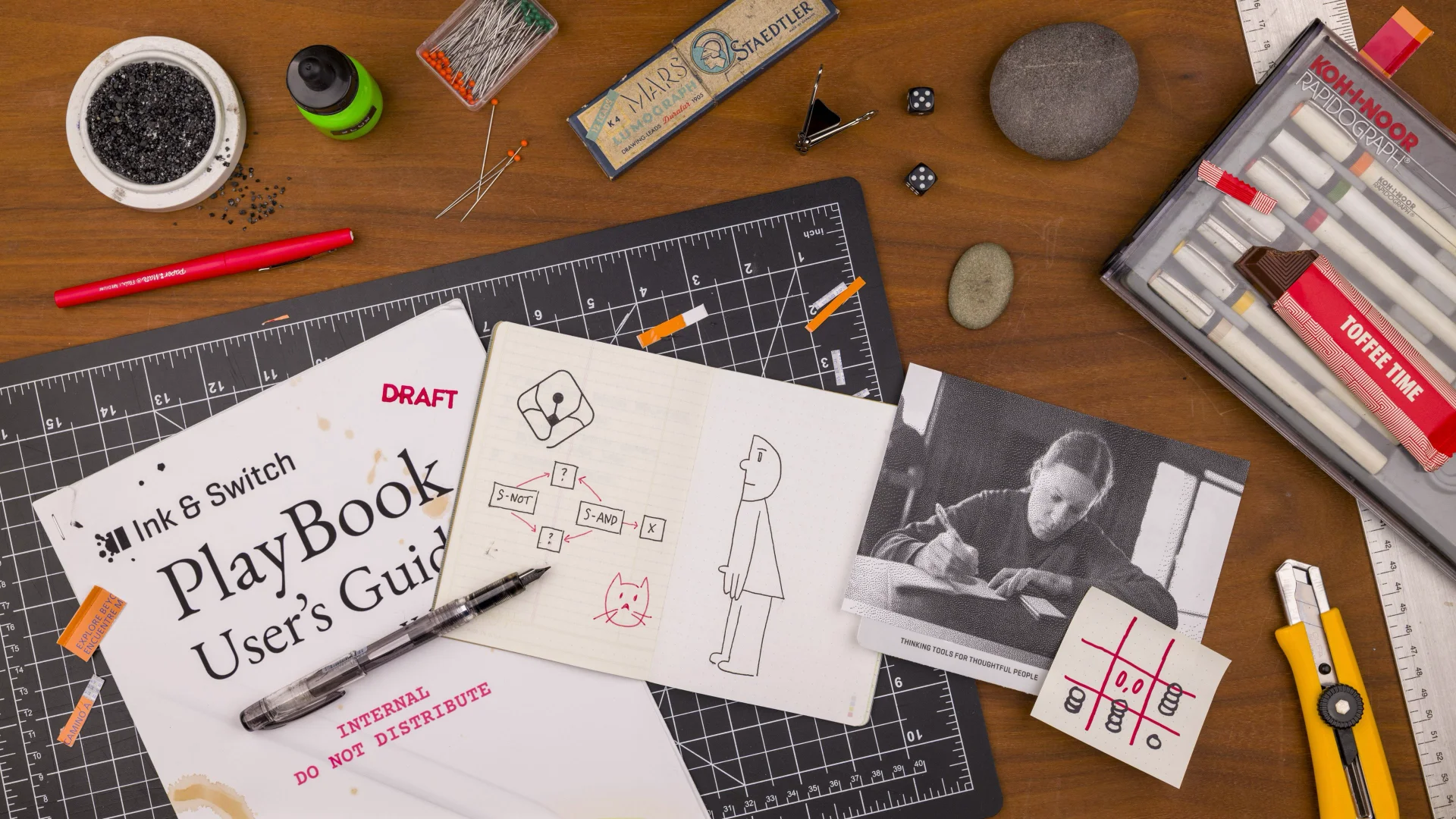
Conventionally electronics that are built from a kit-of-parts have been optimized for speed, efficiency and repeatability of assembly. While this approach demonstrates the power of modular systems that have made many of the technologies we rely on possible, it also constrains us to particular styles of building, influencing what we build as well as impacting how we come to think about electronics. A Kit-of-No-Parts demonstrates a new approach to building electronics that emphasizes the expressive qualities of diverse materials as well as the skill and creativity of the builder. I believe that a more insightful and skilled process is also capable of producing more intelligible and personal results. In order to promote a different approach I have developed a series of techniques that allow us to build electronics using a variety of craft materials and tools. This website documents these techniques in the form of “recipes”. Besides containing instructions on how to build electronics these recipes are also detailed accounts of my development process that aim to promote further exploration and material investigation, instead of straightforward replication. This website is both the documentation and result of my thesis work towards a masters degree in the High-Low Tech research group at the MIT Media Lab. My thesis describes A Kit-of-No-Parts as an approach to crafting electronics, rather than designing discrete components. While the thesis has been written and handed in, this website remains a work in progress. I continue to add new information and update the existing. >> Download Thesis
home |
Wild Craft Permaculture empowers people to regenerate the Earth while leading more fulfilling connected lives through education, consultation, design and installation.
New thing! @jrcpl.us and I have been exploring home-made software. We made a prototype of a tool for making scrappy little apps for you and your friends. pontus.granstrom.me/scrappy/

Scrappy
pontus.granstrom.me