


Ukrainian revolution brought new spirit, changed people & their minds, they became one organism that fight with a great passion and intensity for happy future.
The Ukrainian Night: An Intimate History of Revolution. By Marci Shore. New Haven: Yale University Press, 2017. xxiv, 290 pp. Notes. Glossary. Maps. $26.00, hard bound.
//static.cambridge.org/content/id/urn%3Acambridge.org%3Aid%3Aarticle%3AS0037677918003200/resource/name/firstPage-S0037677918003200a.jpg

The Case for User Agent Extremism - Anil Dash
A blog about making culture. Since 1999.

Design, Destroy, Dominate. The Mass Drone Warfare as a Potential Military Revolution
The widespread use of drones observed in Ukraine—both in terms of the scale of the fleets deployed and their omnipresence in the operations of both belligerents—appears to meet the conditions of a genuine military revolution.
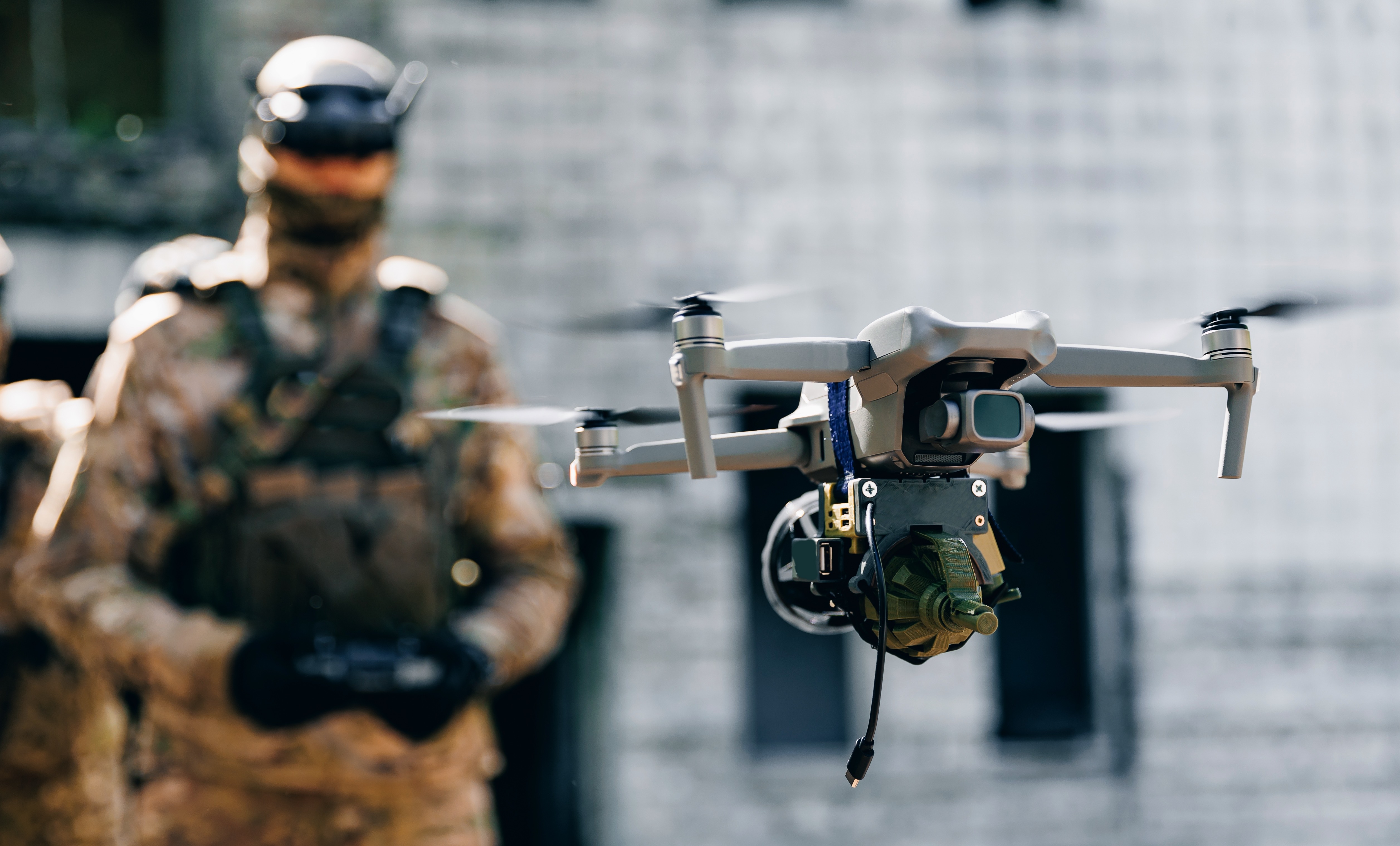
As Russia’s fiber optic drones flood the battlefield, Ukraine is racing to catch up
Editor’s Note: In accordance with the security protocols of the Ukrainian military, soldiers featured in this story are identified by first names and callsigns only. Every year, as the way war is fought constantly evolves on the battlefields of Ukraine, the visuals of the fighting on the ground that constantly flood the internet transform with it. In the frantic first weeks of the full-scale invasion, it was Russian tanks stolen by farmers tossing their turrets after Ukrainian Javelin strikes.
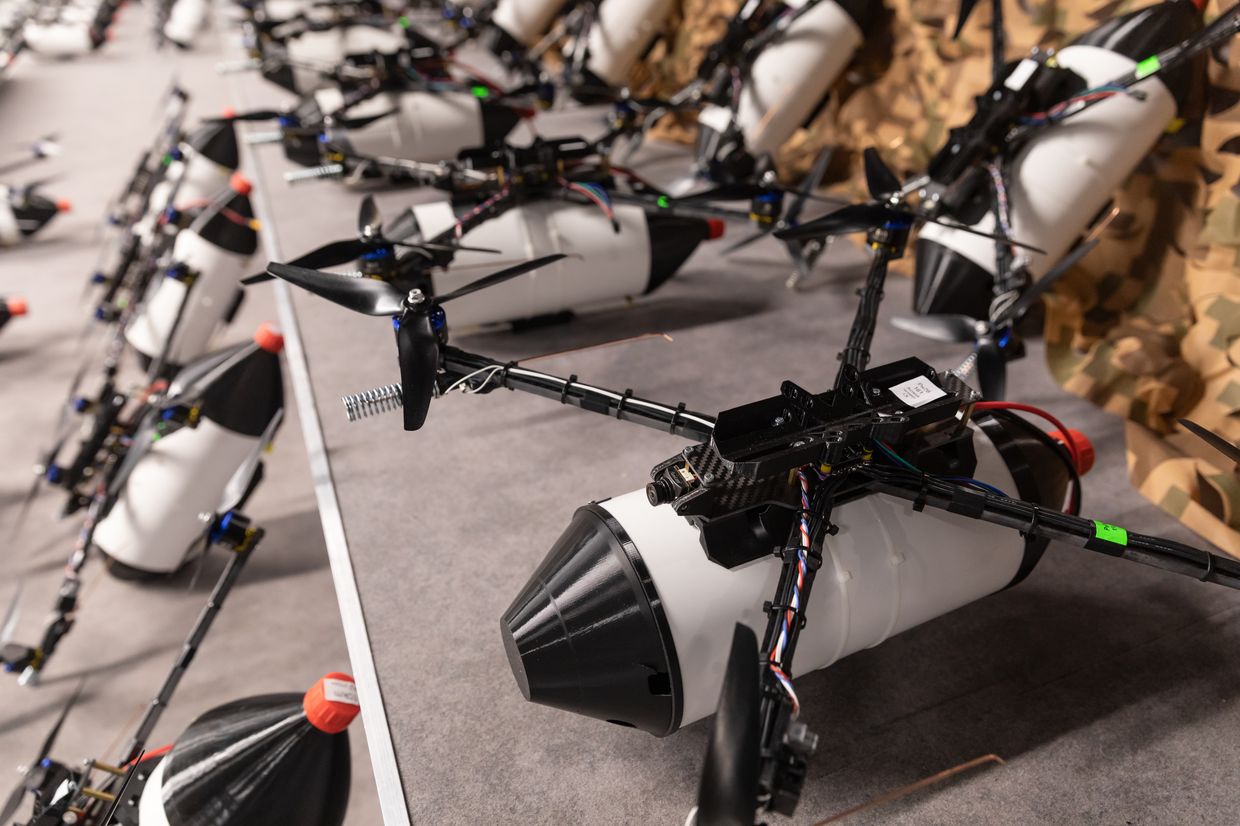
Incels Won the Culture War
Looksmaxxing. Redpilled. Sigma. Mogging. Cope. Seethe. Malding. Goyslop. Gooning. Memes from image boards became cultural foundation for Generation Alpha. …

Technopoly: The Surrender of Culture to Technology
A witty, often terrifying that chronicles our transform…

Imagined communities: reflections on the origin and spread of nationalism
What makes people love and die for nations, as well as …

The Maidan in Movement: Diversity and the Cycles of Protest
The Maidan protests provide us with insights into Ukrainian society and the dynamics of mobilisation more generally. Based on the EuroMaidan Protest Participant Survey, on-site rapid interviews wit...

“Destroy the Makhno movement” - The Bolsheviks’ secret war against Nestor Makhno and his insurgents - Volodymyr Horak
How the Bolshevik state intelligence services tried to destroy the Makhnovist movement - and the resistance they met.
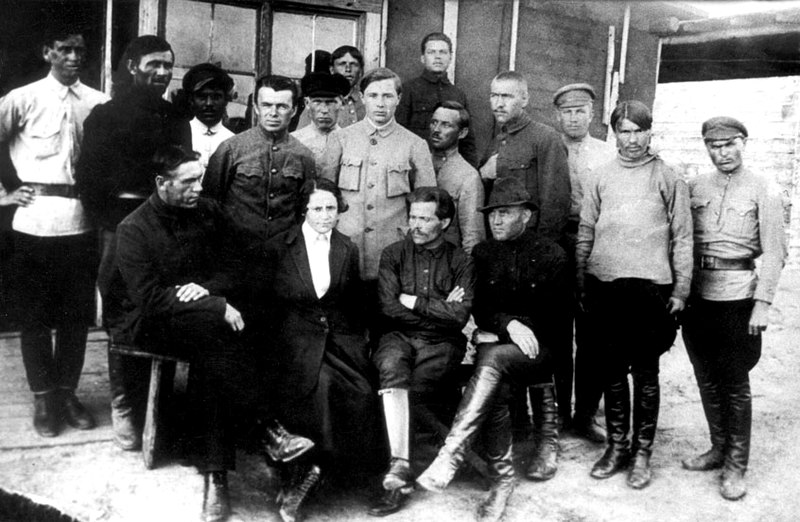
New Formations - Lawrence Wishart
New Formations: A Journal of Culture / Theory / Politics

Denizen
What are the narratives and paradigms that need to shift to facilitate a transition to a just, regenerative future? How do various mediums such as music, art, and film enable such changes to occur?
Sollte der Krieg Russlands gegen die Ukraine die Epistemologie der Osteuropäischen Geschichte verändern und wenn ja, wie?
The short article argues for revitalizing historical research to questions of the longue durée and, in analogy to the New Imperial History, considers the emergence of a New National History possible. Above all, the article calls for a continued decolonialisation of Russian history and, in this context, also for a strengthening of the Ukraine and Belarus focus in research, teaching and language mediation as well as in the form of a German Historical Institute in Kyiv.
Canicule : la révolution ou la mort
Frustration Magazine, média indépendant et offensif qui relate la guerre des classes.

The Social Meaning of the Personal Computer: Or, Why the Personal Computer Revolution Was No Revolution
This essay presents a processual model of the personal computing movement that depicts the PC's birth within the context of complex and often contradictory social strategies, each of which used the meaning of computer technology in a distinctive way. It suggests that innovators are constrained by such processes to depict new artifacts in culturally meaningful ways, so that it is difficult for them to conceive of their technologies in radical terms. The rhetoric of "revolution" aside, innovators found it expedient to draw from the stock of meanings at hand as they created new meaning-frameworks for their artifacts. The result is that the new artifacts did not express a coherent or effective political vision and failed to have the intended social effects. This study implies that new technologies frequently reproduce existing social and meaning systems; if they do bring about social change, the changes may differ from those intended by the innovators.
The Social Meaning of the Personal Computer: Or, Why the Personal Computer Revolution Was No Revolution
This essay presents a processual model of the personal computing movement that depicts the PC's birth within the context of complex and often contradictory social strategies, each of which used the meaning of computer technology in a distinctive way. It suggests that innovators are constrained by such processes to depict new artifacts in culturally meaningful ways, so that it is difficult for them to conceive of their technologies in radical terms. The rhetoric of "revolution" aside, innovators found it expedient to draw from the stock of meanings at hand as they created new meaning-frameworks for their artifacts. The result is that the new artifacts did not express a coherent or effective political vision and failed to have the intended social effects. This study implies that new technologies frequently reproduce existing social and meaning systems; if they do bring about social change, the changes may differ from those intended by the innovators.
Why Storytelling Matters When Changing Company Culture
A conversation with the University of Utah’s Jay Barney about how leaders who successfully drive cultural change communicate through authentic, compelling stories.
