


Over the past year, ProPublica has photographed some of the more than 500 U.S. citizens who have been held against their will by immigration agents and learned of the lingering impact the experience has had on their lives. These are their stories.
More Than 500 U.S. Citizens Have Been Detained, Including Handcuffed or Held at Gunpoint, in Trump’s Immigration Crackdown — ProPublica
The government doesn’t track how often immigration officers detain U.S. citizens. So ProPublica did. We’ve found more than 500 Americans who were held against their will during this Trump administration.
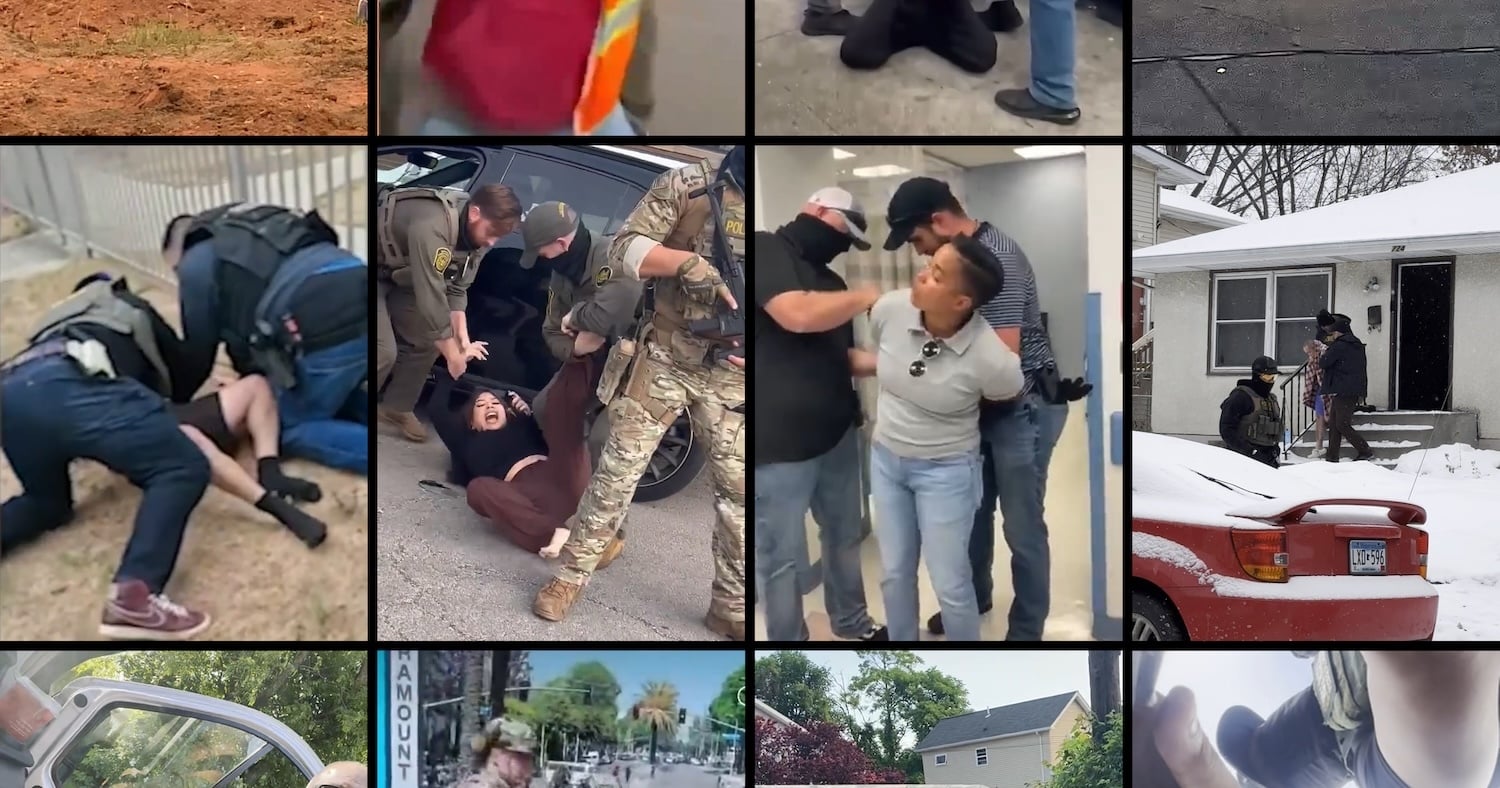
Search More Than 500 Cases of U.S. Citizens Detained by Immigration Agents — ProPublica
ProPublica has cataloged every case we can find of an immigration agent detaining a citizen during the current Trump administration. Explore our database to learn more about each incident.

Mass Arrests by Trump's ICE, CBP Repeatedly Fail Under Scrutiny — ProPublica
ProPublica and FRONTLINE found more than 300 protesters and bystanders who were arrested on charges like assaulting an immigration agent or interfering with law enforcement. Over and over, the accusations fell apart under scrutiny.

House Democrats Introduce Bill to Help Wrongfully Detained Citizens Sue ICE — ProPublica
We recently reported that more than 500 American citizens have been detained by immigration agents. Now House members are moving to make it easier for those detained to seek justice through the courts.

Here's Every Single Death Linked to Immigration Enforcement Since Trump's Raids Began in 2025 ~ L.A. TACO
We hope this register offers a moment to remember the names and stories of the victims. For each one, we’ve included the backstory we were able to gather alongside the official account from government agencies.
The Deepfake Defense—Exploring the Limits of the Law and Ethical Norms in Protecting Legal Proceedings from Lying Lawyers
Thousands of audiovisual images documented the insurrectionists who stormed the United States Capitol on January 6, 2021. Authorities subsequently collected tho

Federal Immigration Agent Shootings
An aggregated dataset of shootings by agents of Immigration and Customs Enforcement and Customs and Border Protection.
Eight Photographers on Their Favorite Image from Robert Frank’s “The Americans”
Jason Eskenazi, a photographer and former security guard at the Met, collected responses to the foundational book’s indelible pictures.
Mass Delegalization: How the Trump Administration Stripped Legal Protections - American Immigration Council
The Trump administration's mass delegalization campaign has stripped legal protections from more than 1.3 million immigrants, leaving many vulnerable to deportation and unable to work legally. This report examines the scope, impacts, and policy failures driving one of the largest losses of immigration status in U.S. history

NYPD Arrest More Than a Dozen Protesting Homeland Security Agents in Tense Confrontation
Dozens of masked federal agents were gathered inside a parking lot when a group of protesters got word of their presence. The NYPD helped clear a path for the agents to leave the area.

CiviCRM - National Lawyers Guild
Homepage photo: NLG Legal Observer and police at Columbus, OH protest, May 2020. Credit: Katie Forbes / @krforbesphotography
What We’ll Be Covering in a Second Trump Administration — ProPublica
We’ll be devoting a significant part of our staff to detailing what are expected to be dramatic changes in the role of the federal government in the lives of Americans.

Protecting Protest: We Need All Hands on Deck
In this series, Protecting Protest: We Need All Hands on Deck, published in partnership with the Protect Dissent Network, writers examine how the constitutional right to protest is being threatened and why we must fight to protect it. Hundreds of anti-protest bills have been introduced since 2017. In direct response to the 2020 uprising in defense of Black lives, anti-democratic lawmakers introduced close to 100 bills in 2021 alone. Analyzing what anti-protest legislation signals for the future of the country and our democracy, contributors address what we must do to defeat these attempts to repress our voices and reverse progress.

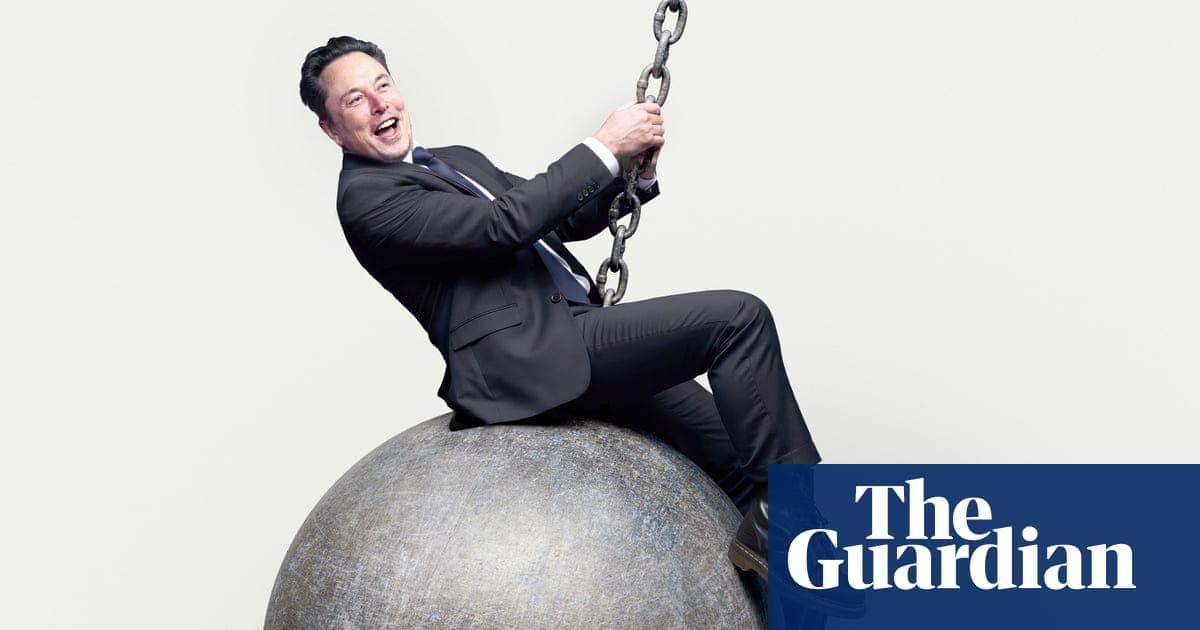
‘Elon is my prophet’: how Musk’s Doge team took a wrecking ball to Washington
When the new ‘department of government efficiency’ sent young techies to disrupt federal agencies, not everyone complied. Here’s what happened when one worker fought to protect immigrant data
The Deepfake Defense—Exploring the Limits of the Law and Ethical Norms in Protecting Legal Proceedings from Lying Lawyers
Thousands of audiovisual images documented the insurrectionists who stormed the United States Capitol on January 6, 2021. Authorities subsequently collected those images and charged some for their criminal conduct. Given the overwhelming audiovisual evidence implicating the insurrectionists, it should be impossible to assert a plausible defense claiming that those unmistakably depicted in the images were not present. Right? Wrong. As the defense in the federal criminal trial of January 6th insurrectionist leader Guy Reffitt illustrated, the emergence of “deepfakes” has changed the landscape of plausible defenses to crimes. Reffitt led the attack on the Capital. Videos and other visual images showed him at the head of the crowd advancing on the Capitol’s West Terrace. He was arrested and charged with multiple crimes. And although the evidence, including audiovisual images, against Reffitt, was clear and overwhelming, his lawyer undermined it, arguing to the jury that the evidence against Reffitt was a “deepfake” – an audiovisual recording created using Artificial Intelligence technology that allows anyone with a smartphone to believably map one person’s movements and words onto the image of another person. Unfortunately, the law does not provide a clear response to Reffitt’s lawyer’s reliance on deepfakes as a defense. <br><br>But this much is clear—the “deepfake defense” is a new challenge to our legal system’s adversarial process and truth-seeking function. Because the norms of professional ethics require lawyers to advocate zealously, deepfakes invite lawyers to raise objections and arguments to evidence to exploit juror bias and skepticism about what is real. Thus, lawyers may plant the seeds of doubt in jurors’ minds to question the authenticity of all digital audio and visual images, even those counsel knows to be genuine.<br><br>Currently, no rule of procedure, ethics, or legal precedent directly addresses the presentation of the “deepfake defense” in court. The existing standards provide scant guidance because they were developed before the advent of deepfake technology. As a result, they do not solve the concern of how to deter lawyers from exploiting it. Although in the last several years, legal scholarship and the popular news media have addressed certain facets of deepfakes, there has been no in-depth commentary on the “deepfake defense.” This article is the first to explore the deepfake defense, locating it within the historical and current framework of lawyers’ efforts to fabricate evidence and the laws and the practice norms that exist to curb that conduct. It proposes a reconsideration of the ethical rules governing candor, fairness, and the limits of zealous advocacy and urges a re-examination of the court’s role in sanctioning such conduct. Thus, this article offers novel proposals to guide the way forward for lawyers and courts as they traverse this new technological landscape.
The rise of Stephen Miller, the architect of Trump’s hardline immigration policy
With time, events in Los Angeles of the past week may come to be seen as the anti-immigrant zealot’s ultimate revenge
